
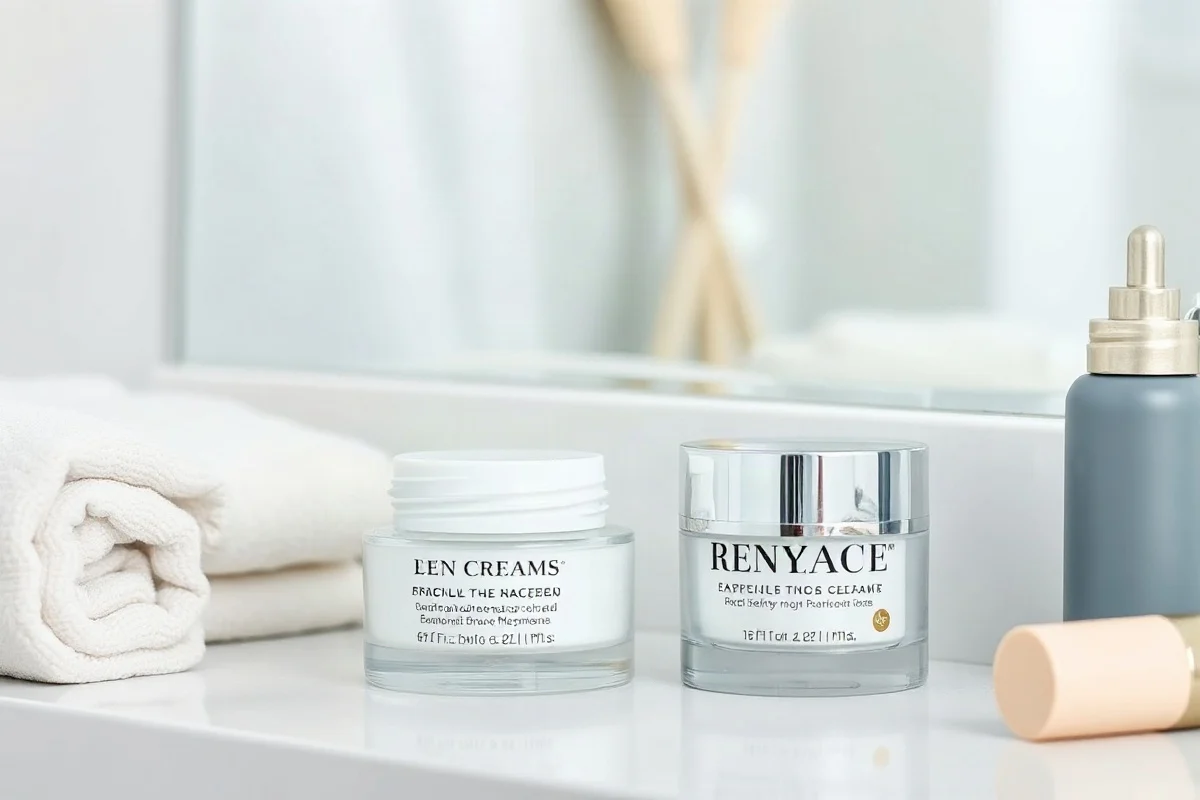
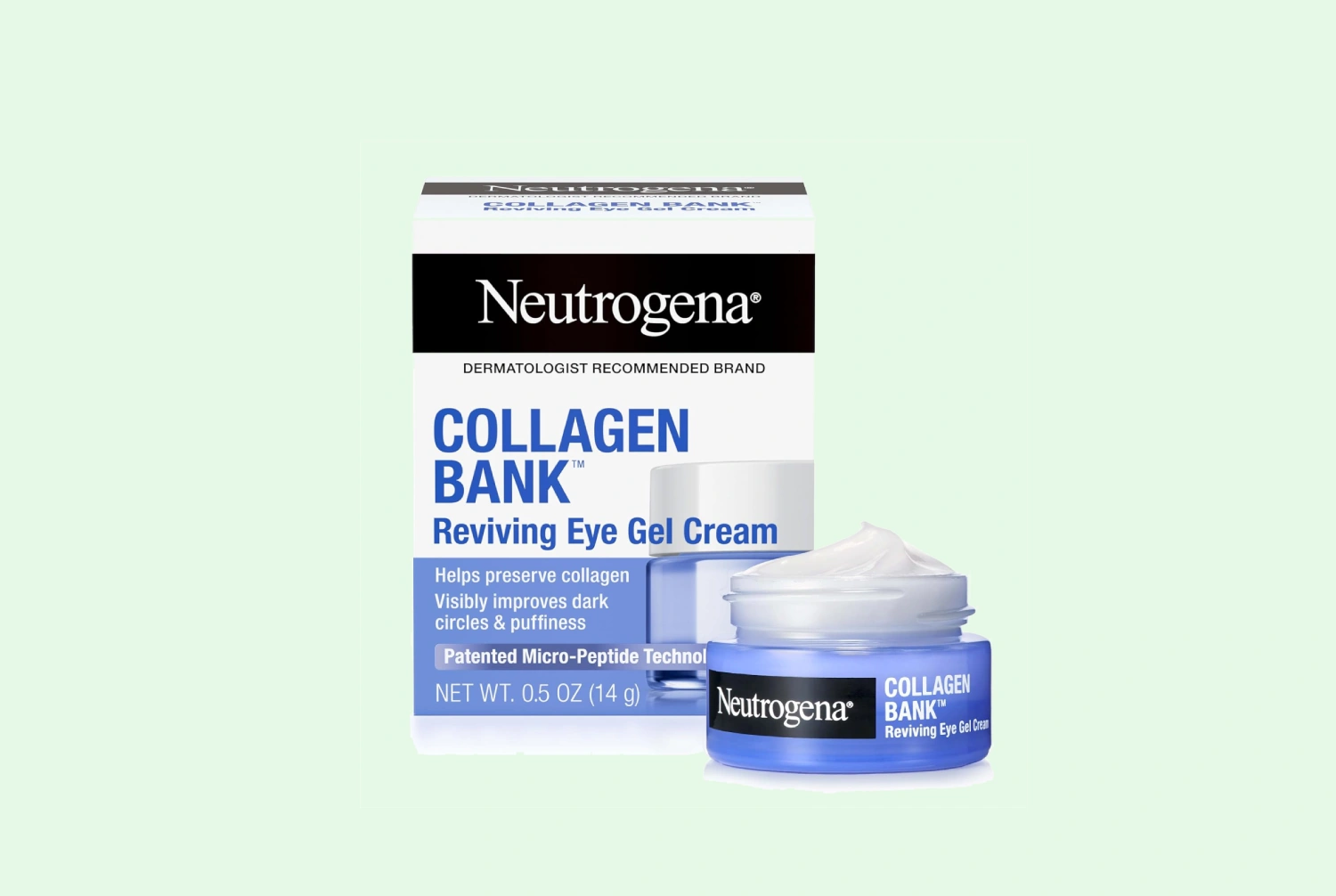
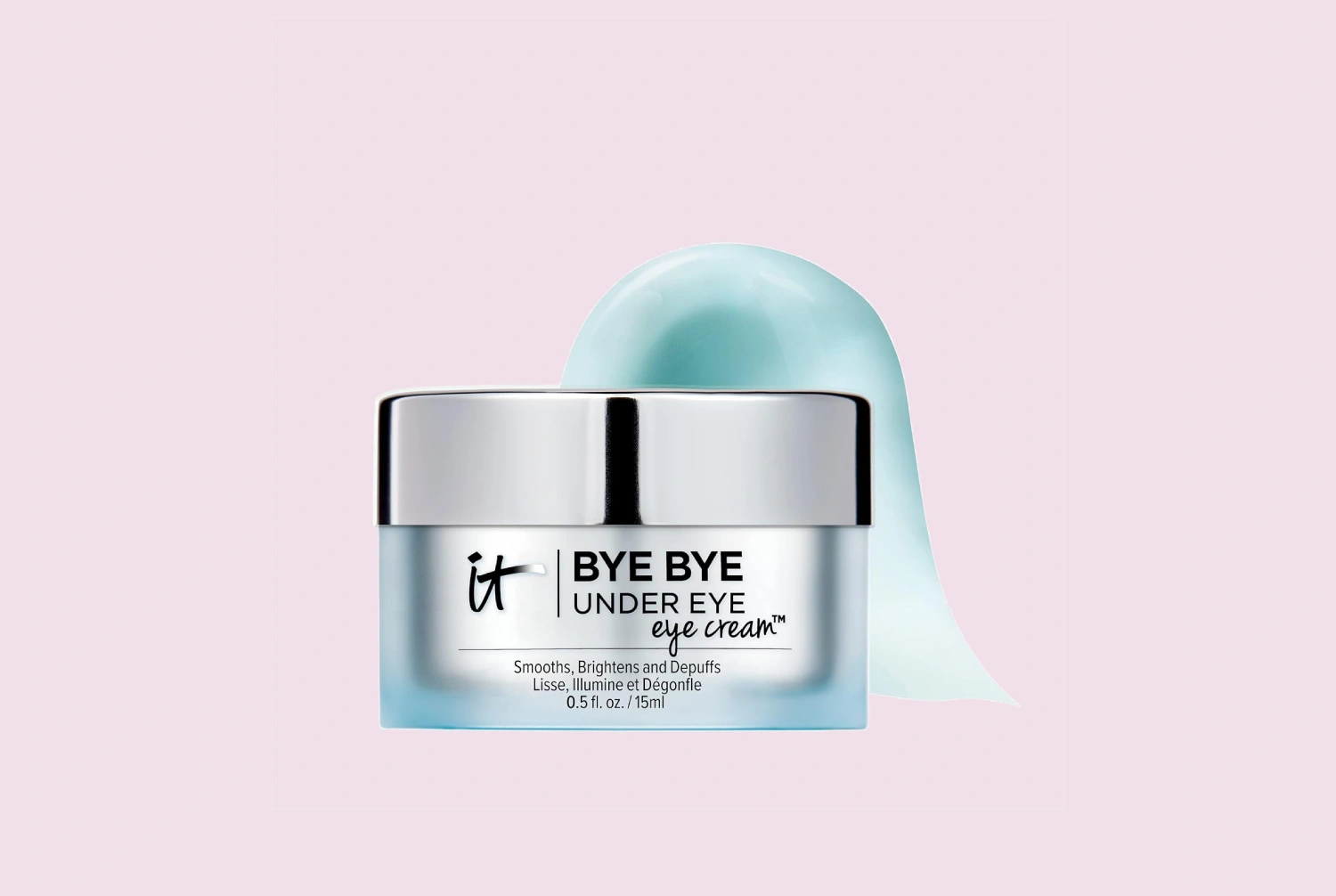
When you compare a drugstore eye cream with a luxury formula, you are usually paying for more than ingredients alone—but a higher price does not guarantee better results for your under-eye concerns. The cost may reflect packaging, texture, fragrance, brand positioning, research and development, retail costs, or a more elaborate product experience. For many people, a well-chosen drugstore eye cream can provide the same basic cosmetic goal as a luxury product: moisturizing the skin and temporarily making it look smoother, softer, or less tired.
The more useful question is not whether expensive eye cream is automatically better. It is whether the formula, texture, packaging and routine fit your skin, your expectations and the specific appearance you want to address.
What the price of an eye cream may cover
Eye cream pricing can be influenced by several parts of the product’s development and sale. None of these factors automatically predicts how well the product will suit you.
Ingredients and formulation work
Both affordable and luxury products may contain familiar moisturizing ingredients such as humectants, emollients and occlusives. Humectants help attract water to the skin’s surface, while emollients and occlusives can help improve softness and reduce the feeling of dryness. These ingredients are not exclusive to premium skincare.
A more expensive product may have a particular texture, layering behavior or combination of ingredients that costs more to develop. It may also use a specialized delivery system or a less common cosmetic ingredient. However, marketing language alone cannot tell you whether that difference will be noticeable on your skin. Check the current ingredient list and follow the product’s directions rather than judging performance by price.
Packaging and dispensing
Luxury eye creams often place more emphasis on the container, outer box and overall presentation. A heavier jar, decorative design or specialized pump can contribute to the price. Packaging can also affect how easy the product is to use and how much contact the formula has with air or fingers.
That does not make attractive packaging meaningless. A dispenser that lets you use a small amount cleanly may be practical, especially around the eyes. Still, packaging should be considered a feature—not proof that the product has superior cosmetic benefits.
Brand positioning and retail costs
A premium price can also reflect advertising, prestige, distribution, store placement and the experience associated with the brand. These costs are part of the product’s business model, but they are not the same as evidence that the cream will visibly improve dark circles, puffiness or fine lines.
Similarly, a low price does not necessarily mean that a product is poorly made. Drugstore products may benefit from large-scale manufacturing and broad distribution. The formula may be simpler, or the product may be designed to serve a wider range of shoppers.
What both price categories can do well
For everyday under-eye care, the most realistic benefit of many eye creams is improved hydration. Moisturized skin can look temporarily smoother and more comfortable, and fine lines caused or emphasized by dryness may appear less noticeable. A lightweight cream may also make concealer apply more evenly, while a richer formula may help reduce the feeling of tightness.
These cosmetic effects can be useful at any price point. They do not mean the product has changed the underlying cause of dark circles or permanently removed lines. Dark circles can have different contributors, including visible blood vessels, natural skin tone, shadows from facial structure, pigmentation and the appearance of thin or tired-looking skin. An eye cream cannot be expected to address every contributor in the same way.
For a broader overview of possible approaches, see our guide to dark circles.
Ingredients worth comparing instead of price tags
When comparing two eye creams, look at the product’s purpose and ingredient profile before considering the brand’s prestige.
Moisturizing ingredients
Glycerin, hyaluronic acid and other humectants may help the skin feel hydrated. Ingredients such as fatty alcohols, plant oils, silicones and other emollients may contribute to a smoother, more comfortable texture. The best choice depends on whether you prefer a light lotion, a gel, a balm or a richer cream.
People with dry under-eye skin may prefer a formula that reduces the feeling of tightness without creating stinging or excessive heaviness. If your skin is easily irritated, a short ingredient list and a fragrance-free option may be easier to tolerate, although no product is irritation-proof.
Caffeine and the look of puffiness
Caffeine is commonly used in products marketed for a more awake-looking eye area. A topical formula may temporarily improve the appearance of puffiness for some users, but the result should not be treated as a permanent change or a medical treatment. Morning application and a cooling texture may also contribute to the product’s perceived refreshing effect.
For more context, browse our coverage of caffeine eye cream.
Retinoid ingredients
Some eye creams include retinol or another retinoid-related ingredient to support the appearance of smoother skin over time. These ingredients can be irritating, particularly around the delicate eye area. Use the product only as directed, introduce it cautiously if the label permits, and avoid letting it enter the eyes. If burning, persistent redness, swelling or significant discomfort develops, stop using the product and seek appropriate medical advice.
Do not assume that a higher price means a retinoid product is more effective or more suitable. The exact ingredient, concentration and supporting formula matter, and those details can change. Always verify the current packaging or manufacturer ingredient list.
Brightening ingredients
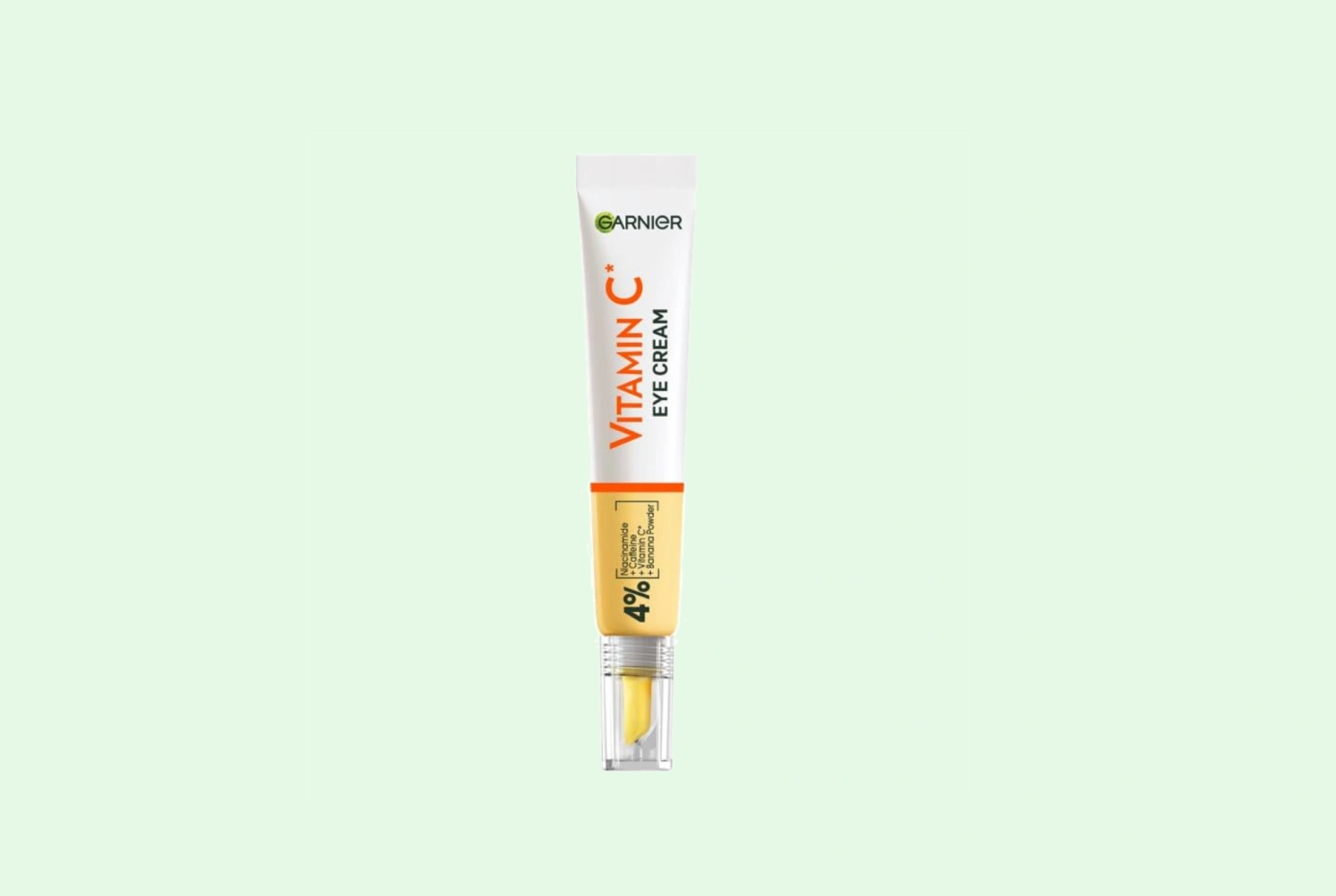
Vitamin C derivatives, niacinamide and other brightening ingredients may be included to improve the look of uneven tone. Their effect depends on the specific form, formula stability, regular use and the reason the under-eye area appears darker. They are not guaranteed to erase pigmentation or correct shadows caused by facial anatomy.
Brightening products can also irritate sensitive skin. Follow the label, avoid combining multiple potentially irritating actives without a clear reason, and patch test when appropriate.
When a drugstore eye cream may be the smarter choice
A drugstore option may make sense if your main goal is basic hydration, smoother makeup application or a comfortable addition to your routine. It can also be the more practical choice if you want to use the product consistently without feeling that each application is expensive.
Consistency matters because many cosmetic benefits are temporary and depend on regular use. A moderately priced product that you enjoy applying may be more useful than a luxury cream that feels too heavy, pills under makeup or causes irritation. A lower price can also make it easier to replace the product when its recommended period after opening has passed.
Look for a texture you will use, packaging that allows reasonable hygiene, and instructions that are clear. If you have sensitive skin, our sensitive-skin eye cream guidance can help you narrow the options.
When a luxury eye cream may be worth it to you
A luxury eye cream may be worth the cost if you value a particular texture, sensory experience, package design or routine ritual. Some people prefer a formula that absorbs in a specific way, sits well under makeup or feels especially comfortable at night. Enjoyment is a legitimate reason to choose a product, provided the purchase fits your budget and expectations remain realistic.
You may also prefer a premium product because its ingredient approach or packaging addresses a personal preference. For example, you might want a fragrance-free formula, an airless dispenser or a richer texture. These features are worth comparing directly rather than assuming that every expensive product includes them.
The important distinction is between paying for an experience and paying for a guaranteed result. Luxury skincare can provide an appealing experience, but price alone cannot guarantee that dark circles, puffiness or fine lines will look different.
How to compare two eye creams fairly
- Define the main cosmetic goal. Decide whether you want hydration, a smoother makeup base, a more refreshed appearance, or support for the look of fine lines.
- Compare the full current ingredient lists. Do not rely only on front-label claims or retailer descriptions. Formulas can change, so check the packaging or the manufacturer’s current information.
- Consider your tolerance. Fragrance, essential oils, retinoid ingredients and other actives may not suit everyone, especially around the eyes.
- Review the directions. A product intended for nighttime use or limited frequency should not automatically be used like a basic moisturizer.
- Evaluate the dispenser. Choose packaging that helps you apply a small amount hygienically and keeps the routine simple.
- Compare cost per use, not just container price. A small amount may be sufficient, but do not invent a precise usage period unless the brand provides one.
- Give the product reasonable time. Hydration can feel immediate, while changes in the appearance of texture or tone may be less predictable. Avoid switching products so frequently that you cannot tell whether one suits you.
What eye cream cannot tell you about your health
Dark circles and puffiness are cosmetic concerns for many people, but a product comparison cannot diagnose their cause. Sudden changes, one-sided swelling, pain, vision changes, severe irritation or persistent symptoms deserve medical attention rather than a more expensive eye cream.
Eye cream is also not a substitute for sun protection, adequate skin care or professional evaluation when you have a health concern. Keep products out of the eyes, wash your hands before application and stop using any formula that causes significant or ongoing irritation.
The practical answer: choose the formula you can use comfortably
Drugstore and luxury eye creams can both be reasonable choices. A drugstore product may offer dependable hydration and a practical routine at a lower cost, while a luxury product may appeal through its texture, packaging or overall experience. Neither category automatically wins.
Start with the concern you want to address, then compare ingredients, tolerability, directions and packaging. If the product makes the under-eye area feel comfortable and look temporarily smoother or more refreshed, it may be doing exactly what a cosmetic moisturizer can reasonably do. Paying more can be worthwhile for enjoyment or specific preferences—but it should not be confused with a guarantee of stronger, permanent or medical results.

Comments
0No comments yet. Be the first to share a helpful note or question.
Leave a Comment
Your email address will not be published. Comments are reviewed before appearing on the site.