
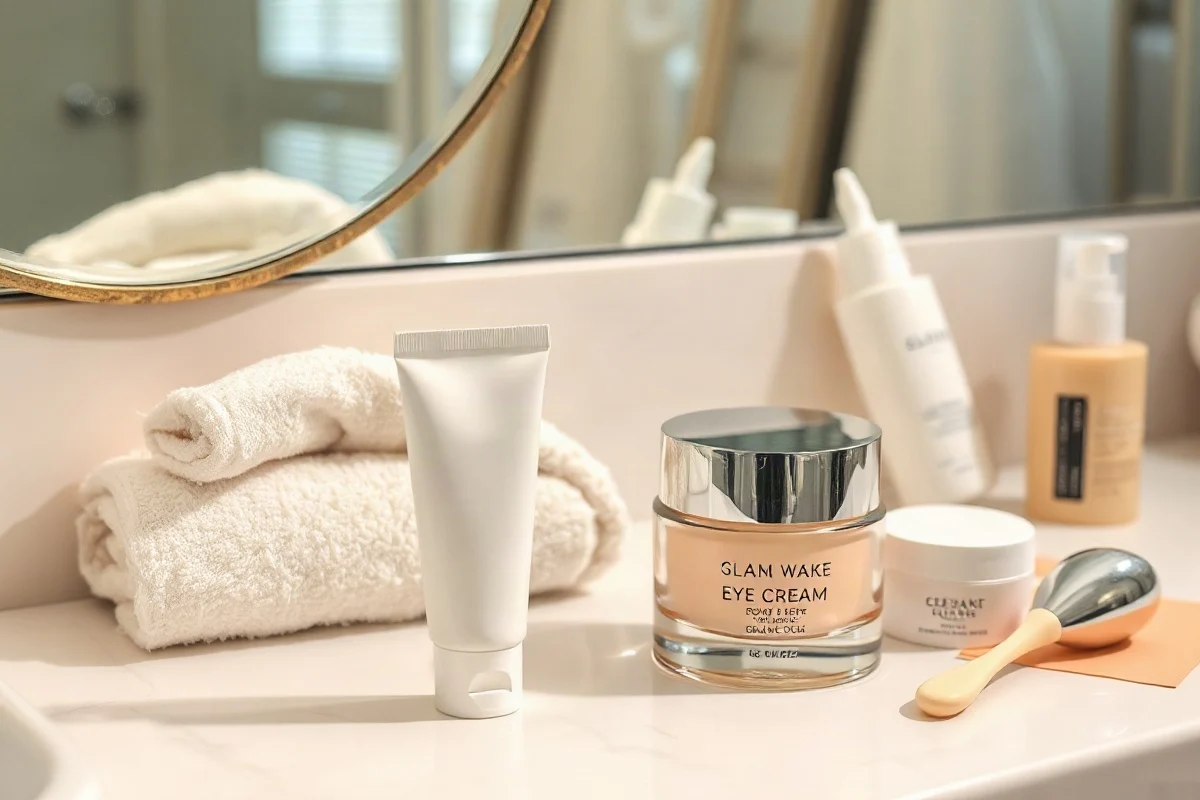
Drugstore and luxury eye creams do not automatically produce different results. Both can contain moisturizing ingredients, skin-conditioning agents, antioxidants, caffeine, retinoids, or other ingredients chosen for the look of the under-eye area. What often changes is the texture, packaging, fragrance, ingredient combination, brand positioning, and overall user experience. A higher price may reflect formulation and presentation, but it is not proof that a product will fade your dark circles, remove puffiness, or smooth fine lines more effectively.
The most useful way to compare eye creams is to look beyond the price tag. Consider what type of dark circle or under-eye concern you want to make less noticeable, whether the formula suits your skin, how consistently you are likely to use it, and whether the product’s current ingredient list supports those goals. If you are starting with basic product research, the site’s eye cream ingredient guide can help you assess common ingredients without treating marketing language as proof.
What you may get from a drugstore eye cream
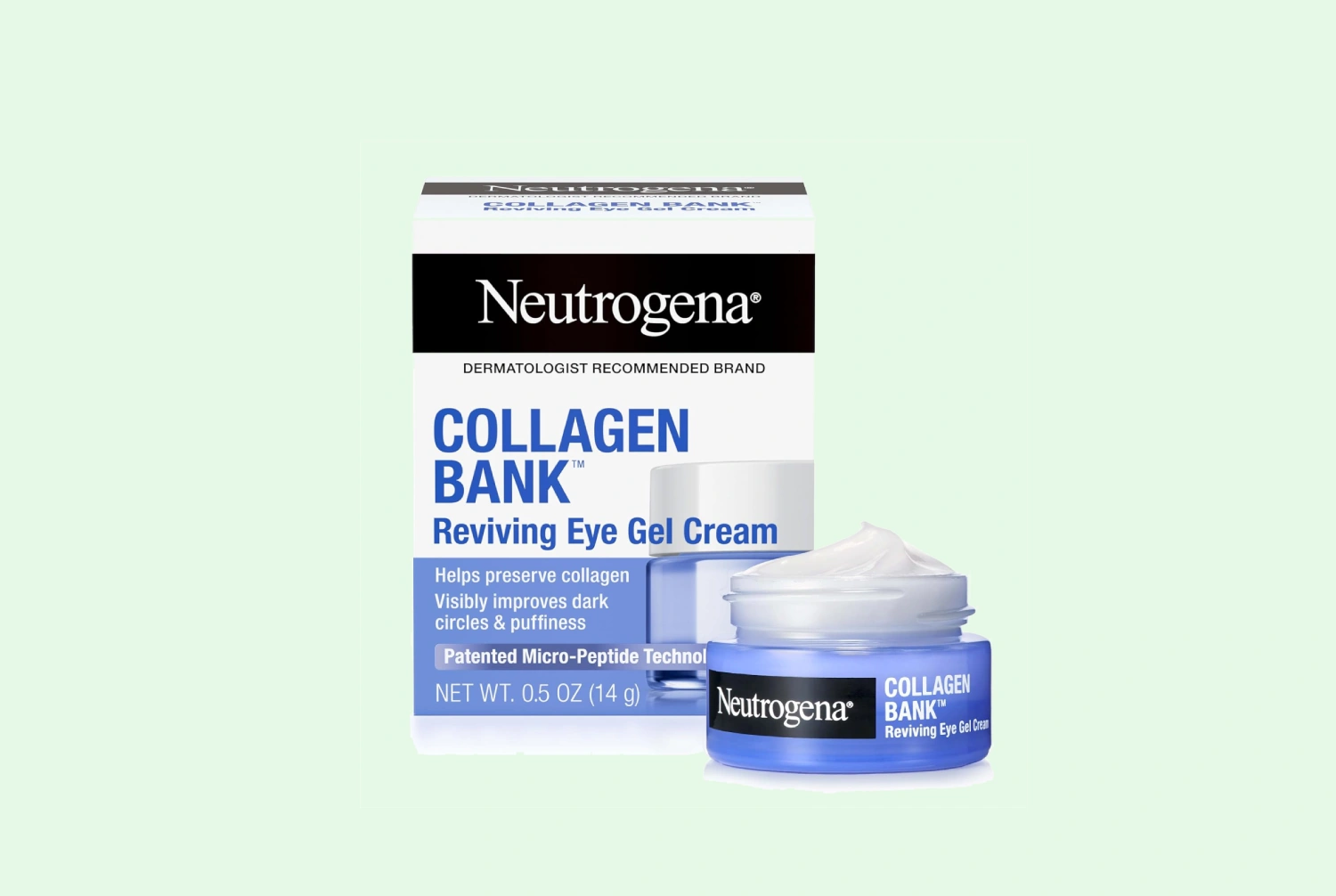
Drugstore formulas often focus on straightforward daily care: adding moisture, reducing the feeling of dryness, and creating a smoother surface for concealer or makeup. Depending on the product, you may see ingredients such as humectants, emollients, occlusives, soothing ingredients, antioxidants, or caffeine. These categories can support the appearance and feel of the skin, but they do not all address the same concern.
Simple hydration can make a visible difference
Under-eye skin can look more creased or dull when it is dry. A moisturizer may temporarily make the surface appear smoother and more comfortable by helping the skin retain water and reducing rough-feeling texture. This is a cosmetic improvement, not a permanent change to the structure of the skin.
A less expensive eye cream may also be easier to use generously and replace regularly. That matters because a formula that feels comfortable and fits your budget may be more useful than an expensive product you use sparingly or avoid because you want to save it.
Lower cost does not always mean a weaker formula
Ingredient quality cannot be judged from the retail category alone. Some affordable products use familiar, well-established moisturizing ingredients and uncomplicated formulas. Some luxury products do the same while adding a more elaborate texture or a distinctive packaging experience. Without reliable, current product information and comparable testing, it is not possible to say that one price category is universally more effective.
What luxury eye creams may add
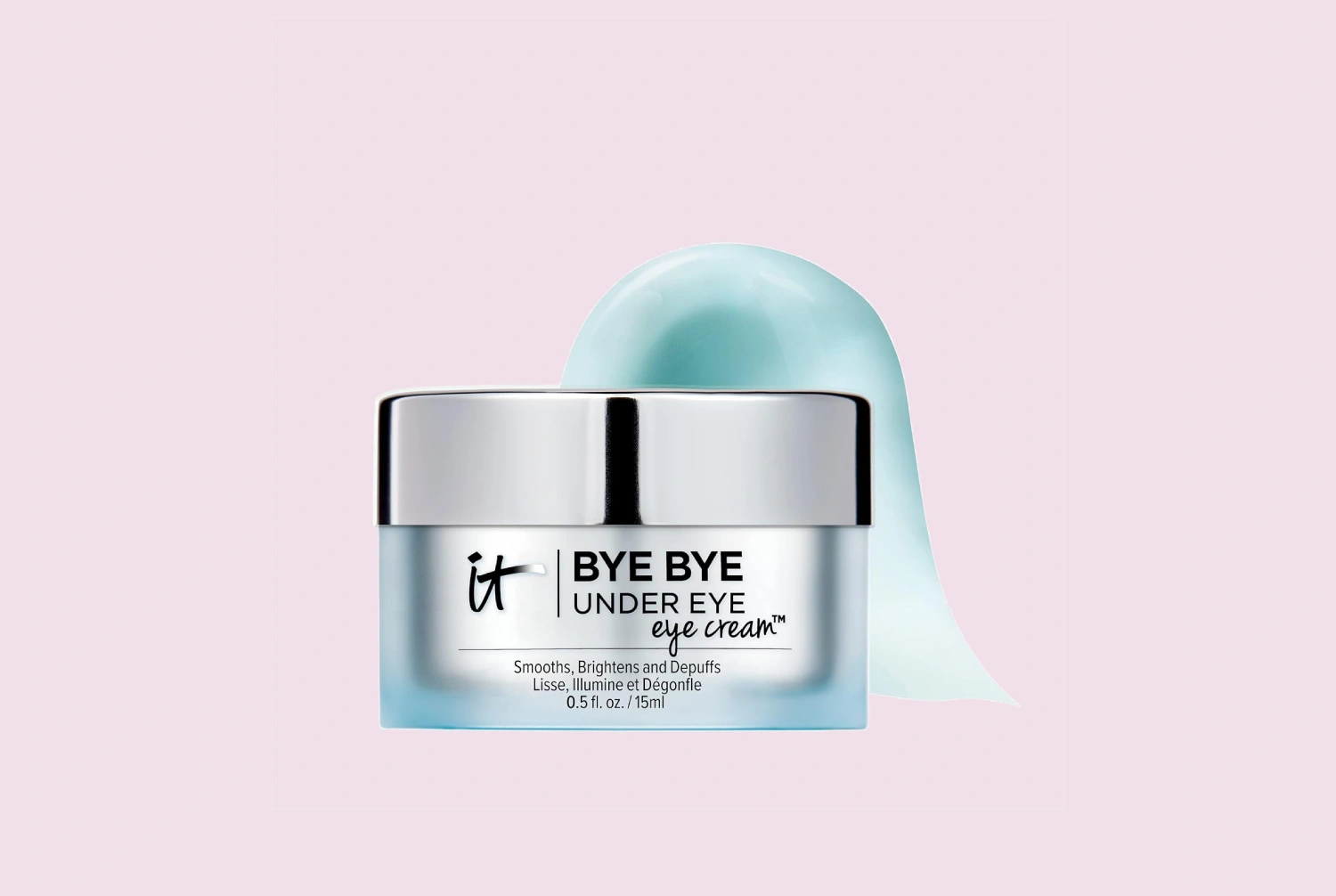
Luxury eye creams may differ through a more elaborate sensory profile, layered textures, specialized packaging, brand storytelling, or a broader combination of cosmetic ingredients. Some are designed to feel rich, silky, cooling, or exceptionally lightweight. Others may emphasize a particular botanical blend or a more complex formula.
Those differences can be meaningful if they improve your routine. For example, a well-designed applicator may make it easier to dispense a small amount without contaminating the product. A comfortable texture may encourage consistent use. A formula that layers well beneath makeup may help the under-eye area look more polished during the day.
However, a premium texture is not the same thing as a clinically demonstrated improvement in dark circles. Luxury packaging, a pleasant scent, or a long ingredient list should not be treated as evidence that a product will change the underlying reason for discoloration or shadowing.
Compare the ingredients, not just the price
When comparing two eye creams, begin with the current ingredient lists. Formulas can change, and product pages or retailer descriptions may not always reflect the latest packaging. Check the container and the manufacturer’s current information when specific ingredients matter to your decision.
For dryness and a crepey appearance
Look for moisturizing and barrier-supportive ingredients that can improve comfort and the temporary appearance of surface texture. Humectants help attract water, while emollients and occlusives help soften the skin and reduce moisture loss. The best choice depends on how your skin responds and how the product feels under makeup.
Dryness-related lines may look less noticeable when the area is well moisturized, but an eye cream cannot guarantee that established lines will disappear. Daily sun protection for the surrounding face is also an important part of a broader skin-care routine, provided the sunscreen is suitable for use around your eyes and does not cause watering or irritation.
For puffiness
Some formulas use caffeine or cooling textures to make the eye area look temporarily more awake. These effects can vary and may be subtle. Puffiness can also be influenced by sleep, allergies, fluid retention, genetics, and other factors that a cosmetic product cannot identify or treat.
For more background, see the site’s guide to puffiness and eye bags. If swelling is persistent, painful, sudden, or accompanied by other symptoms, consider speaking with a qualified health professional rather than relying on an eye cream.
For fine lines
Moisturizers can temporarily soften the look of fine lines by improving surface hydration. Some products also contain retinoids or other active ingredients that may be selected for a more targeted routine. These ingredients can be irritating, especially around the eyes, so follow the product label carefully and introduce them gradually if the instructions allow.
Do not apply a facial active closer to the eyes than the label permits. Patch testing can help identify sensitivity, although it cannot guarantee that irritation will not occur in the eye area. Stop using a product if it causes significant burning, swelling, rash, or ongoing discomfort, and seek medical advice when symptoms are severe or persistent. Our retinol eye cream guide offers additional routine considerations.
For different types of dark circles
“Dark circles” can describe several visible patterns, including brown or gray-brown discoloration, bluish or purple tones, shadows created by hollowness, or darkness that appears more noticeable when the area is dry or puffy. An eye cream may improve hydration or create a smoother, brighter-looking surface, but it may not address every source of darkness.
Cosmetic products also cannot diagnose the reason for a change in pigmentation or swelling. If discoloration appears suddenly, affects only one side, or comes with pain, marked swelling, vision changes, or other concerning symptoms, professional medical evaluation is more appropriate.
Packaging and stability can matter more than prestige
Packaging is one area where the difference between products can be practical. Some ingredients are sensitive to air, light, or repeated exposure, although the effect depends on the complete formula and packaging design. An opaque, well-sealed container may help protect certain formulas better than a jar that is opened repeatedly, but packaging alone does not prove that a product is superior.
Airless pumps, tubes, and controlled dispensers can also make it easier to use a consistent amount. Jars are not automatically unsuitable, but they require clean hands and careful storage. Keep the product closed, avoid placing the applicator directly against the eye, and follow the storage instructions on the label.
How to choose between a drugstore and luxury option
Start with one realistic goal
Choose the concern you most want to improve visually. If dryness is the main issue, a comfortable moisturizer may be enough. If morning puffiness is the priority, you may prefer a lightweight formula that fits a cooling, gentle routine. If fine lines are the focus, look for an appropriately labeled active and accept that results, if any, may take time and may be modest.
Check the full formula and directions
Do not rely only on front-label phrases such as brightening, lifting, firming, or age-defying. Read the ingredient list, directions, warnings, and recommended application area. Verify current information because manufacturers can update formulas, packaging, and claims.
Consider fragrance and irritation risk
The eye area can be sensitive, and fragrance is a personal consideration. A scented product may be enjoyable for some people but uncomfortable for others, particularly if the eyes water easily. Essential oils and stronger active ingredients can also be irritating for certain users. If your skin is reactive, start with a simple formula, patch test when practical, and introduce one new product at a time. The sensitive skin eye-care guide provides more cautious selection tips.
Compare cost per use, not only the shelf price
A small amount is usually applied to each under-eye area, but the amount and frequency depend on the product instructions. A luxury cream may last longer if its packaging controls dispensing, while an affordable tube may offer practical value even if the package looks less elaborate. Avoid assuming that a larger container, heavier texture, or higher price means better value.
Application habits can outweigh the price difference
Apply eye cream according to the label, using no more than needed. Use a light touch rather than rubbing or pulling the skin. Keep the product out of the eye itself unless it is specifically labeled for that use, and wash your hands before application.
If you use multiple products, give each one a reasonable chance to settle before layering the next. Introducing several new actives at once makes it difficult to identify the source of irritation. Consistency is useful, but more product is not necessarily better. Overapplication may increase pilling, heaviness, or irritation without improving the cosmetic result.
The practical answer for most shoppers
Choose a drugstore eye cream when it provides the ingredients, texture, packaging, and tolerability you need at a comfortable cost. Consider a luxury formula when its texture, dispenser, or overall routine experience offers a benefit you genuinely value—not because the price guarantees a stronger result.
The best comparison is therefore not drugstore versus luxury in the abstract. It is formula versus formula: What does each product contain now? Is it appropriate for the under-eye area? Will it work with your skin and makeup? Can you use it comfortably and consistently? And are your expectations limited to realistic cosmetic improvements rather than a promise to erase the reason the area looks dark, puffy, or lined?

Comments
0No comments yet. Be the first to share a helpful note or question.
Leave a Comment
Your email address will not be published. Comments are reviewed before appearing on the site.