
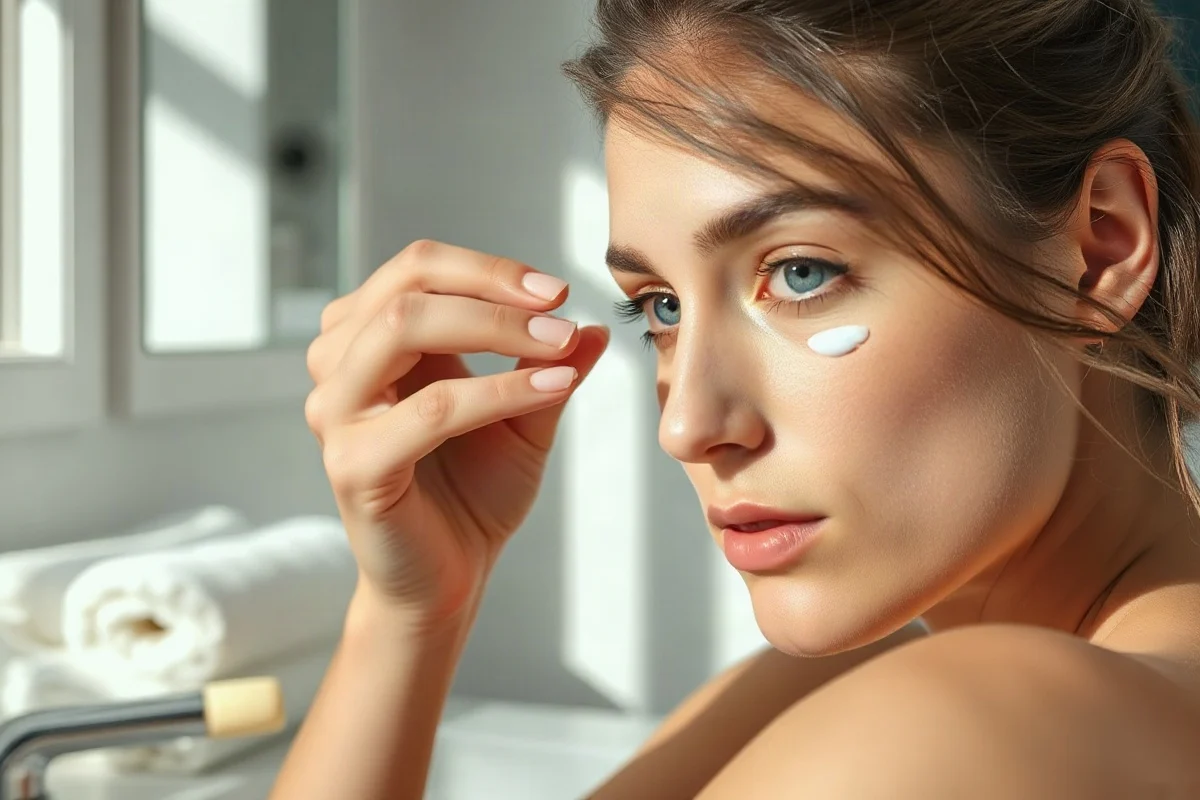
Dry under-eyes and dehydrated skin can look alike, but they are not the same concern. Dryness usually refers to a lack of oil in the skin, while dehydration refers to a lack of water. Under-eye skin can be dry, dehydrated, or both at once, and the most helpful routine depends on what your skin is missing. Because the eye area is thin and easily irritated, the goal is usually to support comfort and a smoother-looking surface—not to promise a permanent fix for lines, dark circles, or puffiness.
Dryness and dehydration are different
“Dry skin” is commonly used to describe a skin type or a longer-lasting tendency. Skin that is dry may produce less sebum, the oil that helps support the outer barrier. It can feel tight, rough, flaky, or uncomfortable, especially after cleansing or exposure to cold, dry air. The under-eye area has fewer oil glands than many other parts of the face, so it may become uncomfortable more easily.
“Dehydrated skin” describes a temporary or fluctuating lack of water in the outer layers of the skin. Any skin type can become dehydrated, including oily, combination, and naturally dry skin. Dehydration may be associated with a tight feeling, a dull or crepey-looking surface, more noticeable fine lines, or makeup that settles into texture. It can be influenced by weather, indoor heating or air conditioning, over-cleansing, hot water, or products that are too irritating for your skin.
These terms are not medical diagnoses. They are useful cosmetic descriptions that can help you make more practical product and routine choices.
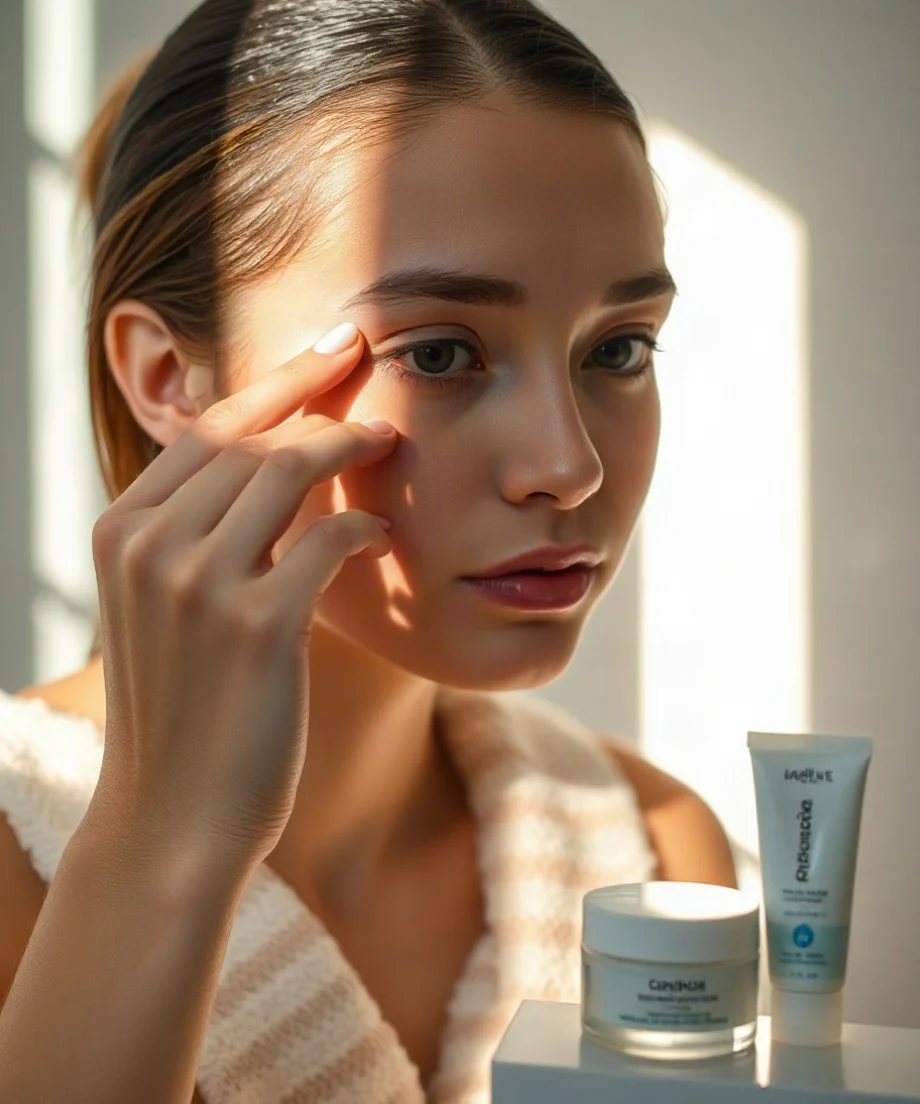
How to tell whether your under-eyes are dry or dehydrated
No single sign can identify the cause with certainty, but patterns can offer clues. Consider how your skin behaves over time rather than judging it immediately after applying a product.
Signs that dryness may be involved
- The area often feels rough, tight, or flaky.
- Comfort improves when you use a richer, fragrance-free moisturizer or balm.
- The skin tends to feel dry even when the weather and routine are unchanged.
- Concealer catches on flakes or emphasizes a rough surface.
- The skin becomes more uncomfortable after cleansing, particularly with foaming or heavily fragranced products.
Dryness does not necessarily mean the skin is visibly peeling. A lack of surface oil can be subtle, showing up mainly as tightness or reduced softness.
Signs that dehydration may be involved
- Fine lines look temporarily more noticeable when the area feels tight.
- The under-eyes look dull, crepey, or less smooth, especially after cleansing.
- The condition changes with seasons, travel, indoor heating, or air conditioning.
- A lightweight hydrating product makes the area feel more comfortable, but the effect does not last without a moisturizer.
- The skin may feel tight while other parts of the face become shiny or oily.
Dehydration can appear quickly and may improve when the routine supports water retention. However, a temporary improvement in surface smoothness does not mean that every visible concern has been addressed.
Why the under-eye area shows these concerns easily
The skin around the eyes is delicate and has less room for error than thicker areas of the face. Repeated rubbing, makeup removal, wind, dry air, and frequent use of strong active ingredients can all make the area feel less comfortable. Eye movements and facial expressions can also make surface texture more visible when the skin is dry or dehydrated.
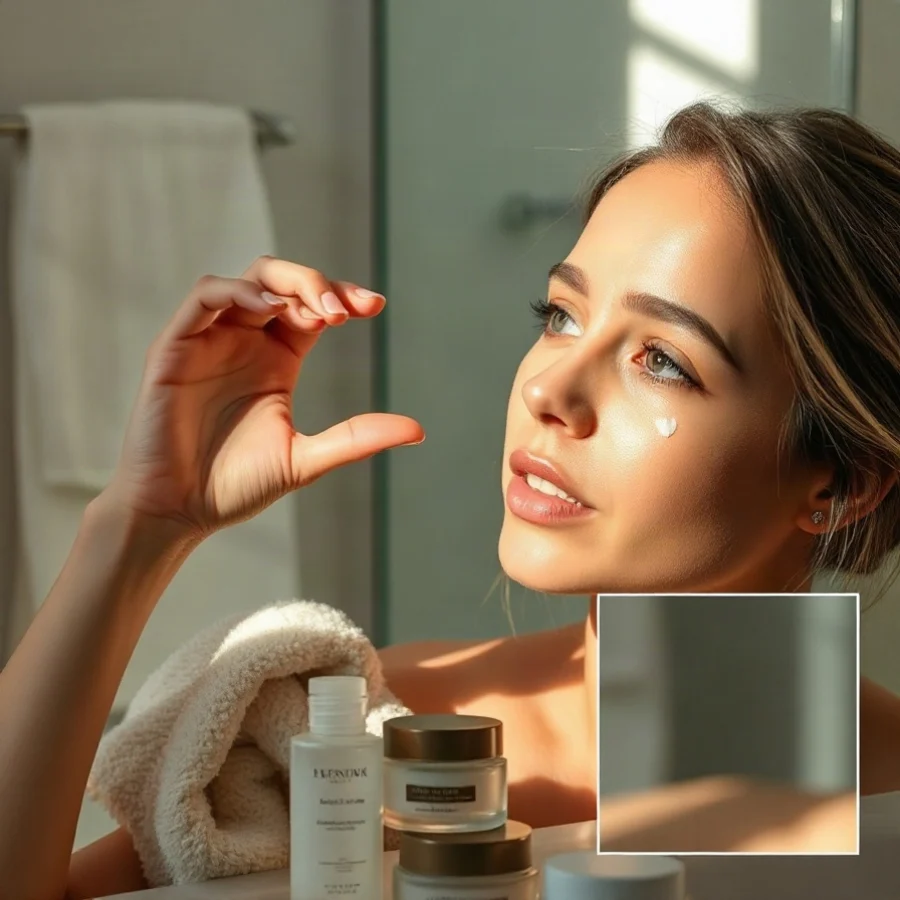
Dark circles, puffiness, and fine lines may become more noticeable when the surface looks dry or crepey, but that does not mean dryness caused them. Under-eye appearance can also be influenced by natural pigmentation, visible blood vessels, shadows from facial structure, sleep, allergies, genetics, and other factors. A moisturizer may improve the look of surface texture without changing the underlying reason for discoloration or swelling.
If you want broader guidance on the many factors that affect under-eye appearance, see our dark circles guide.
Ingredients that can support a dry or dehydrated eye area
Ingredient categories can be more useful than focusing on a product’s marketing language. Product formulas vary, and ingredients can change, so check the current packaging or the manufacturer’s ingredient list before buying or using a specific product.
Humectants for a dehydrated-looking surface
Humectants attract and hold water near the skin’s surface. Common examples include glycerin, hyaluronic acid, panthenol, and certain forms of sugar-based moisturizing ingredients. These can help the skin feel more comfortable and look temporarily smoother when dehydration contributes to a tight or crepey appearance.
A humectant product may not be enough on its own, particularly in a dry environment. Follow it with a moisturizer if your skin still feels tight. The ideal order depends on the product instructions and the rest of your routine.
Emollients for roughness and softness
Emollients help make the skin feel softer by filling in spaces between surface cells. Examples may include lightweight esters, fatty alcohols, plant oils, and other skin-conditioning ingredients. They can be useful when the under-eye area feels rough or when concealer highlights uneven texture.
Not every emollient suits every person. If you are prone to milia or experience congestion near the eyes, choose a texture that feels comfortable without applying more than you need.
Occlusives for reducing moisture loss
Occlusives form a protective layer that can help slow water loss from the skin’s surface. Petrolatum, mineral oil, dimethicone, and certain waxes are examples found in some moisturizers and balms. A small amount may be helpful at night if the area feels persistently tight, although heavier textures can migrate into the eyes or feel uncomfortable.
Keep products out of the eye itself and use only as directed. If a formula causes stinging, watering, redness, or swelling, stop using it and avoid trying to push through the reaction.
How to choose a product for dry or dehydrated under-eyes
Start with the simplest formula that addresses the way your skin feels. A gentle eye moisturizer with hydrating and barrier-supportive ingredients may be a reasonable option for an uncomfortable, dry-looking area. If your skin feels tight but does not feel rough, a lighter lotion or gel-cream may be sufficient. If it feels rough or flaky, a cream with more emollient or occlusive ingredients may feel better.
Consider the following when comparing products:
- Texture: Choose a texture you can apply in a thin, even layer without rubbing.
- Fragrance: Fragrance-free options may be easier to tolerate if your eyes or skin are sensitive, though “fragrance-free” does not guarantee that irritation is impossible.
- Active ingredients: Avoid introducing several new actives at the same time. A basic moisturizer can make it easier to identify what your skin tolerates.
- Packaging and instructions: Check the current label and follow the intended amount and application directions.
- Personal response: Comfort, stinging, redness, and watering matter more than a product’s promise of dramatic transformation.
Our eye cream ingredient guide can help you compare ingredient categories without treating a single ingredient as a guaranteed solution.
A simple routine for under-eye dryness or dehydration
Morning
- Cleanse gently, or rinse with lukewarm water if cleansing is not necessary.
- Apply a small amount of a hydrating eye product or gentle moisturizer, keeping it slightly away from the lash line.
- Use sunscreen on the surrounding face and exposed areas as directed by the product label. Avoid getting it into the eyes.
- Apply makeup by patting rather than dragging the skin. Give moisturizer a moment to settle before using concealer.
Evening
- Remove makeup without rubbing. If a remover requires repeated wiping, consider a different format or use a softer technique.
- Apply a gentle moisturizer to slightly damp or comfortable skin, depending on the product instructions.
- If the area remains tight, consider a thin layer of a more protective moisturizer at night, provided the formula is intended for that use and does not irritate you.
Change one product at a time when possible. This makes it easier to notice whether your skin is improving, staying the same, or reacting.
What to pause when the eye area feels irritated
When the skin is tight, burning, peeling, or unusually sensitive, simplify the routine. Strong exfoliating acids, retinoids, fragranced products, and some brightening ingredients can be irritating for certain people, especially when introduced too often or applied too close to the eyes. These ingredients are not automatically unsuitable, but they deserve extra caution.
Follow the product label, use a patch test when appropriate, and introduce potentially irritating actives gradually rather than combining several at once. Do not apply products intended for the face directly to the eyelids or under-eyes unless the instructions allow it. Stop using a product if it causes irritation. You can learn more about building a lower-risk routine with our under-eye routine builder.
When a moisturizer may not be the answer
Hydration can improve the feel and temporary appearance of the skin’s surface, but it will not explain every under-eye change. Persistent redness, scaling, itching, swelling, pain, discharge, or significant irritation may need professional evaluation rather than more cosmetic products. Avoid diagnosing the cause yourself, especially if symptoms affect the eye itself or your vision.
Likewise, if your main concern is a long-standing dark circle, pronounced puffiness, or a structural shadow, a moisturizer may offer only a modest cosmetic improvement. It can support the surrounding skin while leaving other contributing factors unchanged. Be especially cautious with products that promise to erase or permanently remove these concerns.
Making the distinction useful
The practical difference is simple: dry skin generally benefits from ingredients that soften and protect the surface, while dehydrated skin may benefit from water-binding ingredients followed by a moisturizer that helps reduce moisture loss. Many people need both types of support.
Rather than chasing a perfect label, pay attention to how the area behaves. If a gentle, consistent routine improves comfort and makes the surface look smoother, that is a useful cosmetic result. Keep expectations realistic, verify current product information, and give your routine enough time to show whether it is compatible with your skin. For more articles on caring for a dry eye area, visit our dry skin coverage.

Comments
0No comments yet. Be the first to share a helpful note or question.
Leave a Comment
Your email address will not be published. Comments are reviewed before appearing on the site.