
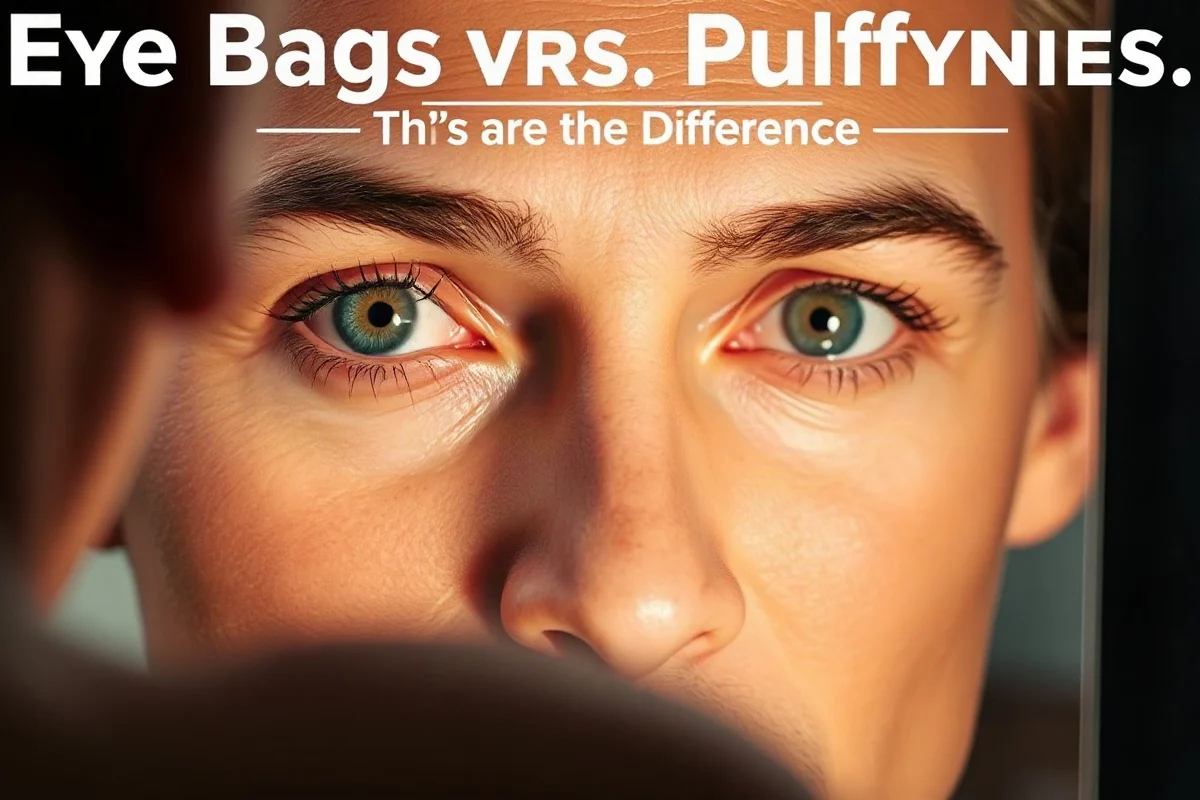
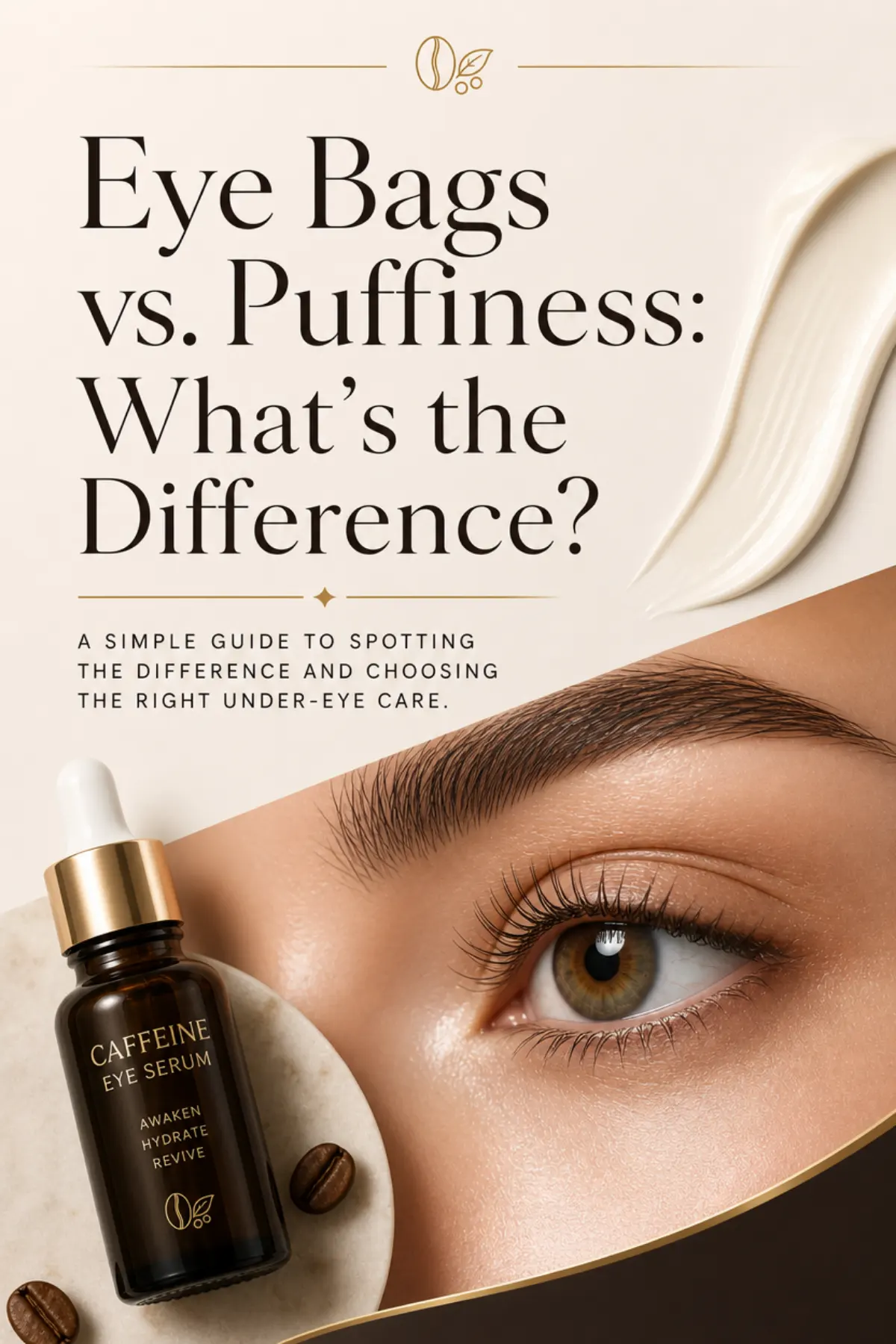
Eye bags and under-eye puffiness are not exactly the same. Puffiness is usually temporary swelling or fluid-related fullness that changes throughout the day, while eye bags generally describe more persistent under-eye bulging, shadowing, or lax-looking skin. Both can appear together, but recognizing the difference can help you choose more realistic skincare and lifestyle strategies.
Neither term is a medical diagnosis. Under-eye changes can have many possible causes, and skincare can mainly support the appearance of the area rather than correct every underlying factor. Sudden, one-sided, painful, or persistent swelling deserves medical attention instead of trial-and-error with cosmetic products.
What is under-eye puffiness?
Under-eye puffiness is a temporary or fluctuating fullness beneath the eyes. It may be most noticeable after waking, following a salty meal, during allergy season, after crying, or when sleep has been disrupted. The area can look swollen, soft, or slightly rounded, and the appearance may improve as the day progresses.
Fluid movement is one possible contributor. Lying down for several hours can make fluid more noticeable around the eyes, where the skin is thin and the underlying contours are easy to see. Irritation, rubbing, seasonal allergies, and congestion may also make the area look more swollen. These possibilities do not establish a diagnosis, however, and similar-looking changes can have different explanations.
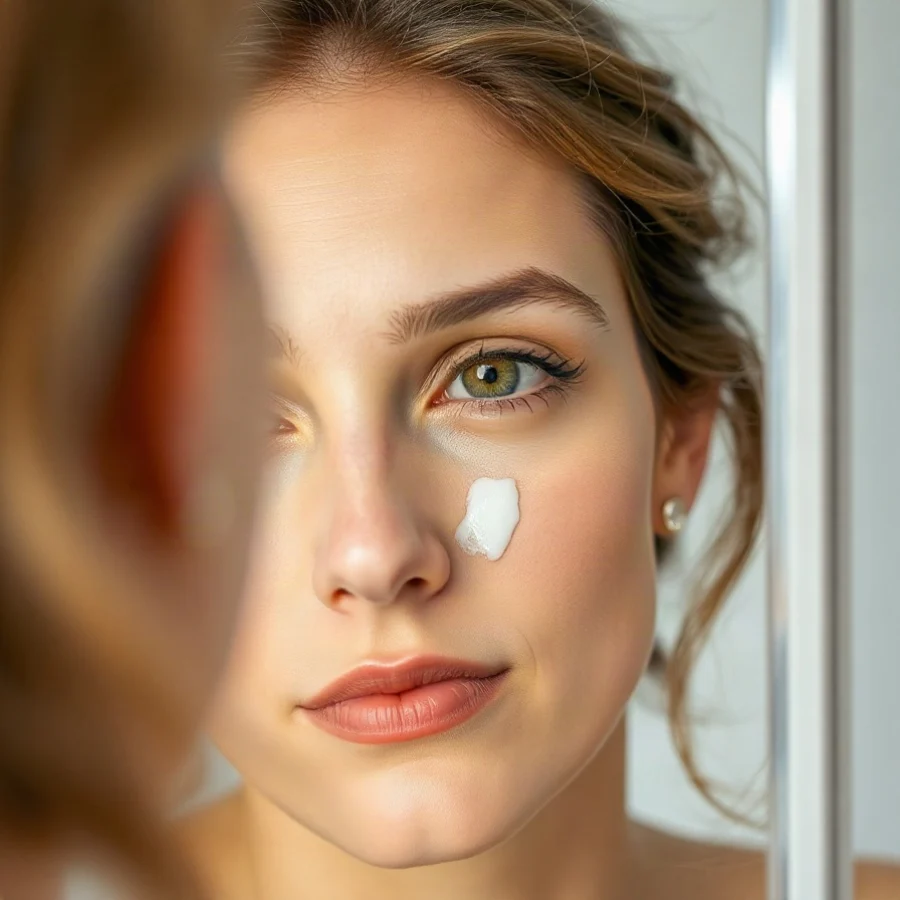
Because puffiness often fluctuates, temporary measures may make a visible difference. A cool, clean compress can help the area look less swollen for a short time. Keeping application gentle, avoiding rubbing, and allowing enough time for sleep may also support a less tired-looking appearance. These steps are cosmetic or comfort-oriented measures, not treatments for an underlying condition.
What are eye bags?
“Eye bags” usually refers to a more lasting bulge, pouch, or fold beneath the eyes. The appearance may be linked to the natural shape of the under-eye area, changes in skin elasticity, the position of underlying tissue, or a combination of shadows and texture. Unlike temporary puffiness, eye bags may remain visible even when you are well rested.
Eye bags can become more noticeable with age as skin gradually changes and facial contours shift. Genetics also influence the shape of the orbital area, so some people naturally have more visible under-eye fullness than others. Sun exposure, dryness, and repeated facial movement may make surrounding lines or texture more apparent, but they do not explain every under-eye bag.
Topical skincare may hydrate the surface, temporarily smooth the look of fine texture, or reduce the appearance of mild, short-term swelling. It generally cannot change the underlying anatomy of a persistent pouch. This is an important distinction when evaluating eye creams: a product may improve how the area looks without removing an eye bag.
Eye bags vs. puffiness: A simple comparison
| Feature | Under-eye puffiness | Eye bags |
|---|---|---|
| Typical pattern | Often changes during the day | Often looks relatively consistent |
| Appearance | Soft swelling or temporary fullness | More defined bulging, folds, or persistent shadowing |
| Common cosmetic triggers | Sleep changes, crying, rubbing, salty foods, or irritation | Genetics, skin changes, facial structure, and persistent contouring |
| What skincare may do | Temporarily support a less swollen appearance | Hydrate and smooth surface texture; persistent structure may remain |
This comparison is only a practical way to think about appearance. It cannot identify the cause of swelling or replace professional evaluation. It is also possible to have both: a naturally prominent under-eye contour that looks more swollen after a poor night’s sleep.
Why the difference matters when choosing an eye cream
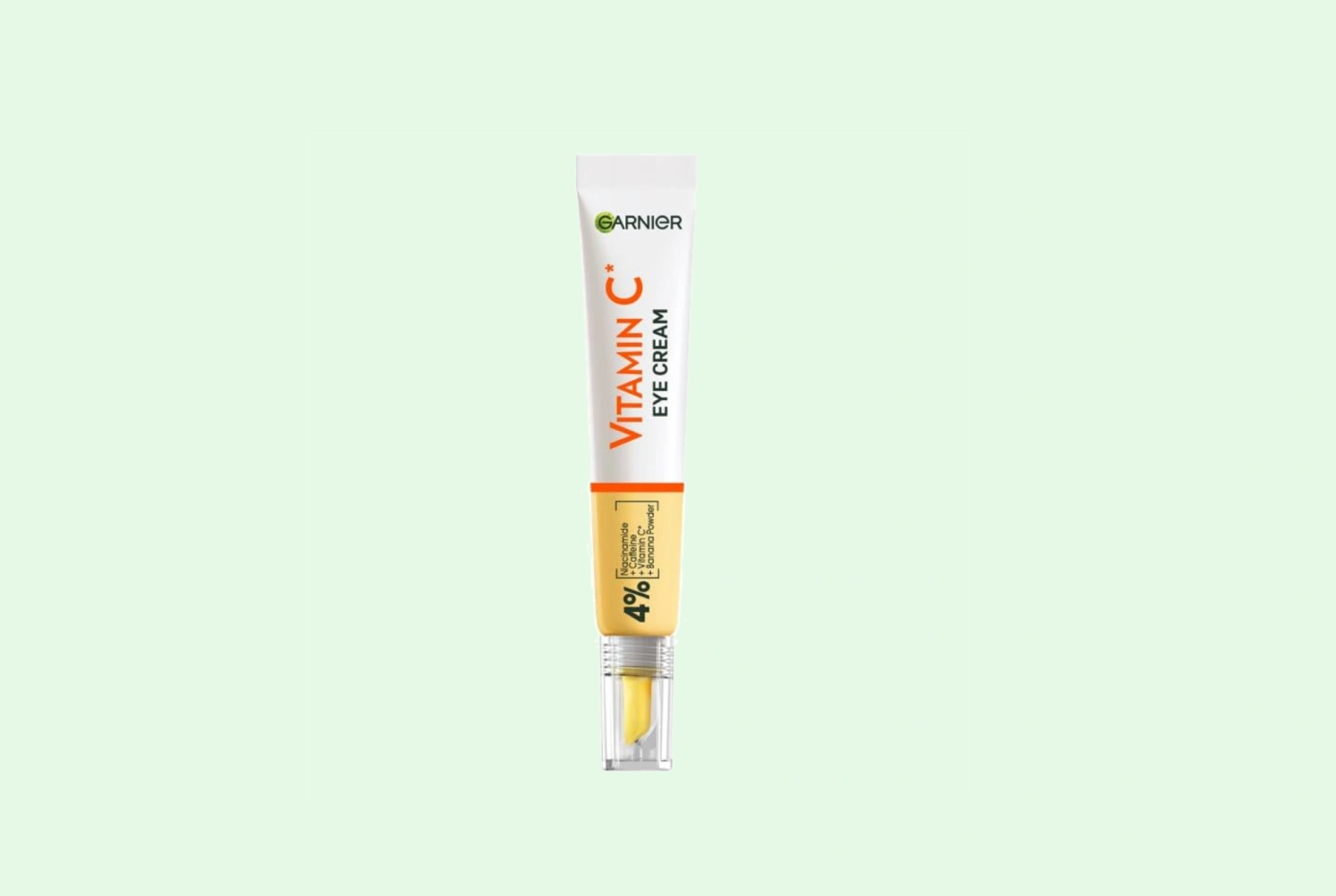
Product selection should follow the concern you can realistically influence. For variable puffiness, people often look for lightweight formulas and ingredients associated with a temporarily refreshed appearance. Caffeine is commonly used in eye-area products for this reason, although the visible effect can vary by formula, skin, application, and the cause of the fullness. You can explore the site’s caffeine eye cream guide for ingredient-focused information.
For persistent eye bags, a moisturizer may help reduce dryness and make the skin look smoother, but it should not be presented as a way to erase or permanently remove a pouch. Humectants such as glycerin or hyaluronic acid can help the skin hold water, while emollients and occlusive ingredients can support a softer surface. The benefit is usually about hydration and texture rather than a change in the underlying contour.
Ingredients intended to support the appearance of fine lines may be relevant when crepey texture makes eye bags look more pronounced. Retinoids, for example, can be irritating around the eyes and should only be used as directed on a product label. Avoid applying a facial product too close to the eye unless its directions specifically allow that use. If you have sensitive skin, consider the guidance in this sensitive-skin eye care guide.
How to tell which concern you are seeing
Observe changes across the day
Look at the area at a few different times rather than judging it immediately after waking. If the fullness is strongest in the morning and gradually becomes less noticeable, temporary puffiness may be contributing. If a similar bulge remains visible from morning through evening, a persistent eye bag or natural contour may be more relevant.
Notice whether the skin or the contour is the main issue
Dryness can make the under-eye area look rough, lined, or more shadowed. In that case, a bland moisturizer designed for the eye area may improve surface comfort and smoothness. If the main feature is a distinct bulge that casts a shadow, moisturizing may soften the surrounding appearance without changing the shape of the bulge.
Consider recent triggers
Think about sleep, crying, rubbing, new products, seasonal symptoms, and meals high in sodium. A recent change may point to a temporary contributor, but it does not confirm a cause. Stop using a product if it causes burning, itching, redness, or worsening swelling, and seek medical advice if symptoms do not settle.
Practical ways to reduce the look of temporary puffiness
- Use a cool, clean compress for a short period without pressing hard on the eye.
- Apply eye products with a light tapping motion rather than rubbing or dragging the skin.
- Use only the amount directed on the label; more product is not necessarily more effective.
- Review recently introduced skincare or makeup if irritation appeared after a change.
- Support consistent sleep and avoid habits that make you rub the eye area.
- Keep products away from the eye itself unless the label specifically says they are intended for that area.
These habits may help the area look calmer or less swollen, but results are not guaranteed and may be temporary. If puffiness is connected to an allergy or another health issue, cosmetic care alone may not address it.
What to look for in a product
Choose a formula based on texture, tolerance, and the appearance you want to support. A lightweight gel may feel comfortable when the area feels swollen, while a richer cream may be preferable when dryness is the main concern. Fragrance-free options can be worth considering if your eye area reacts easily, although “fragrance-free” does not guarantee that a product will suit every person.
Read the current packaging and ingredient list before buying or using a product. Formulas can change, and online descriptions may not reflect the latest version. If you are comparing several options, our eye cream ingredient guide can help explain common ingredient categories without treating any one ingredient as a guaranteed solution.
Patch testing can be a sensible precaution, particularly for sensitive skin or products containing potentially irritating actives. Follow the product’s directions, introduce one new product at a time when possible, and stop using it if irritation develops. The eye area is especially prone to discomfort because the skin is thin and products can migrate during wear.
When eye bags or puffiness may need medical attention
Cosmetic under-eye changes are common, but not every form of swelling should be managed with skincare. Contact a qualified healthcare professional if swelling is sudden, severe, painful, warm, markedly one-sided, associated with vision changes, or accompanied by other concerning symptoms. Persistent irritation, discharge, or swelling that does not improve also warrants professional guidance.
A clinician can assess symptoms in context and determine whether an allergy, infection, skin problem, or another medical issue may be involved. This is different from choosing an eye cream for ordinary cosmetic puffiness or visible under-eye contouring.
Setting realistic expectations
The most useful distinction is simple: puffiness often fluctuates, while eye bags are usually more persistent and structural-looking. A careful routine may support hydration, comfort, and a temporarily more rested appearance. It is less likely to change a naturally prominent contour or eliminate a lasting pouch.
Start with gentle application, a product that suits your skin, and realistic expectations. If you are unsure which concerns matter most in your routine, the under-eye routine builder can help organize choices around puffiness, dryness, dark circles, and fine lines without assuming that one product can address everything.

Comments
0No comments yet. Be the first to share a helpful note or question.
Leave a Comment
Your email address will not be published. Comments are reviewed before appearing on the site.