
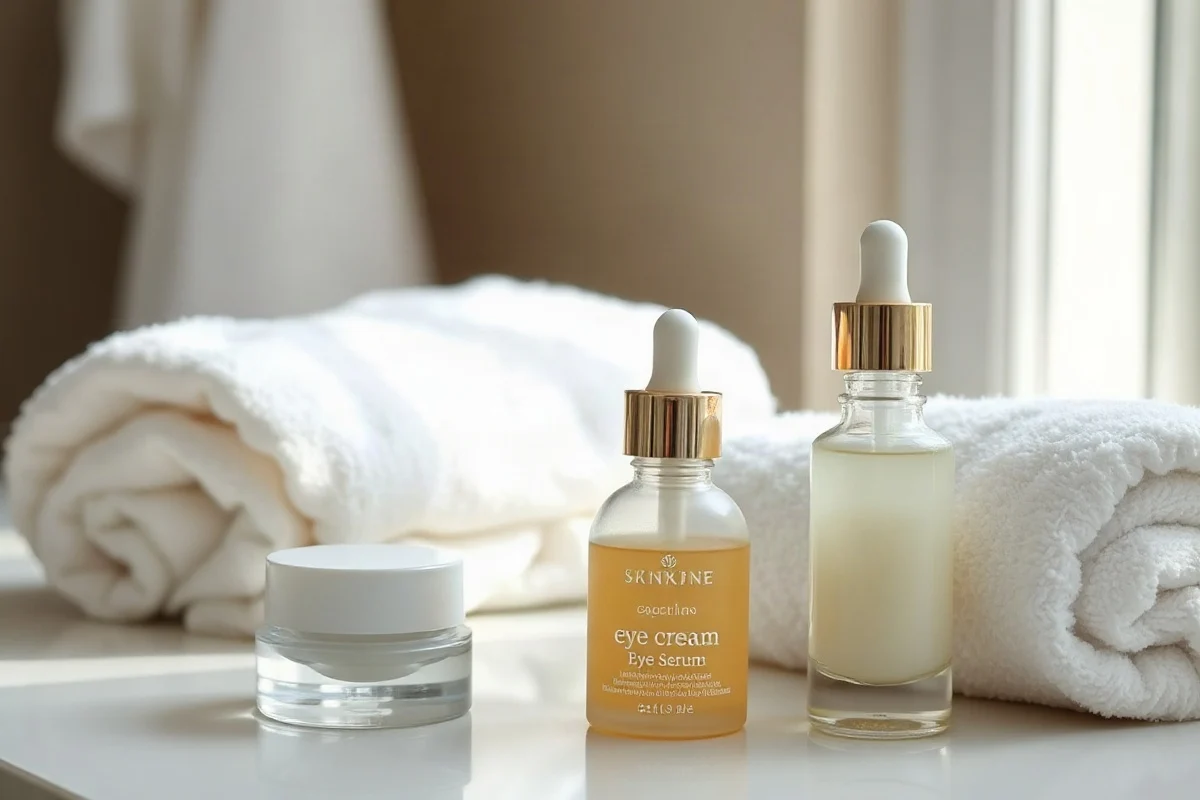
Eye cream and eye serum are not automatically better or worse than each other. The main difference is usually texture and formulation: an eye serum is often lighter and more fluid, while an eye cream is generally richer and more moisturizing. Serums may suit people who want a lightweight product focused on specific cosmetic concerns, while creams can be useful when the under-eye area feels dry or needs more cushioning. The right choice depends on your skin type, the concerns you want to address, the ingredients in the formula, and how the product feels in your routine.
Neither product can guarantee that dark circles, puffiness, or fine lines will disappear. Under-eye concerns can have many visible contributors, including natural anatomy, shadowing, pigmentation, dryness, fatigue, and fluid retention. Skincare may improve the look of some of these factors, but it does not diagnose or treat an underlying medical condition.
What is an eye serum?
An eye serum is typically a lightweight product designed to spread easily across the delicate skin around the eyes. It may have a watery, gel-like, or lotion-like consistency, although the word “serum” does not guarantee a particular texture or ingredient profile. Some formulas are designed to layer beneath moisturizer, while others provide enough hydration to be used on their own.
Eye serums often appeal to people who dislike heavy products, wear makeup during the day, or want to focus on a particular cosmetic concern. Depending on the formula, an eye serum may contain ingredients such as humectants, antioxidants, caffeine, peptides, or retinoid-related ingredients. These categories can serve different purposes, so reading the complete product label matters more than relying on the product name.
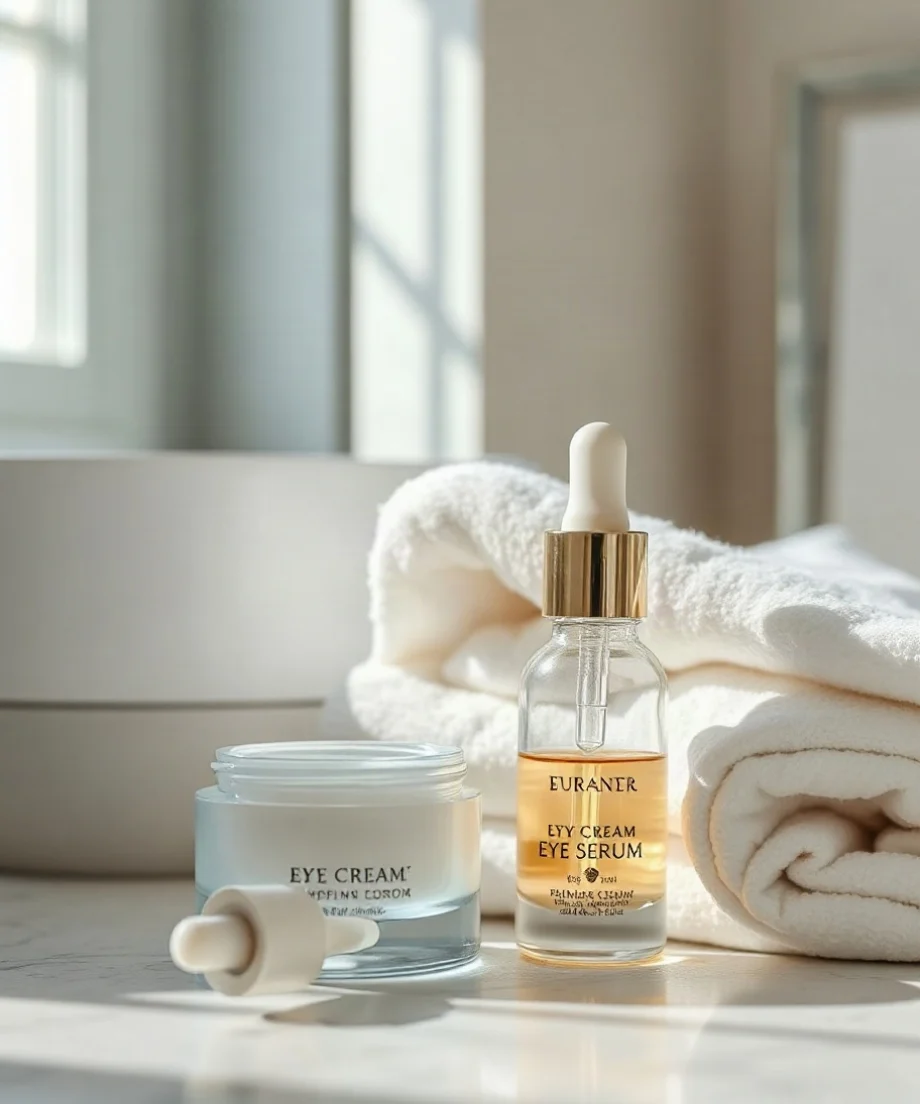
Common reasons to choose a serum
- Lightweight feel: A fluid or gel texture may be comfortable for combination or oily skin.
- Easy layering: A serum can fit beneath an eye cream or a facial moisturizer when additional comfort is needed.
- Focused ingredient selection: Some serums are formulated around a narrower set of cosmetic goals, such as hydration or the appearance of dullness.
- Makeup compatibility: A thin layer may be less likely to feel heavy under concealer, although pilling can still occur depending on the products used.
A lighter texture does not necessarily mean a serum is more powerful, more concentrated, or more effective than a cream. Those details vary by product and should not be assumed from the word “serum” alone.
What is an eye cream?
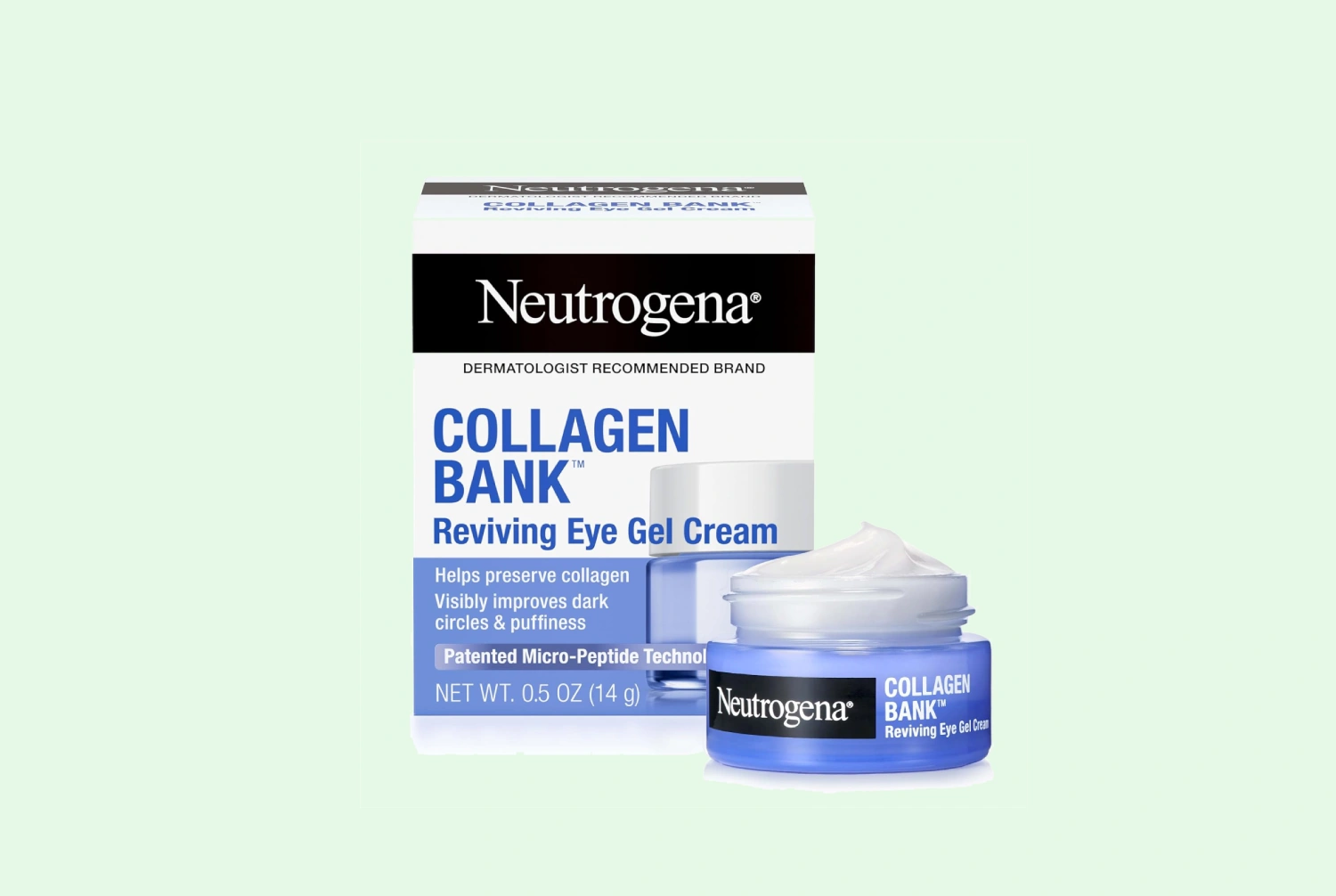
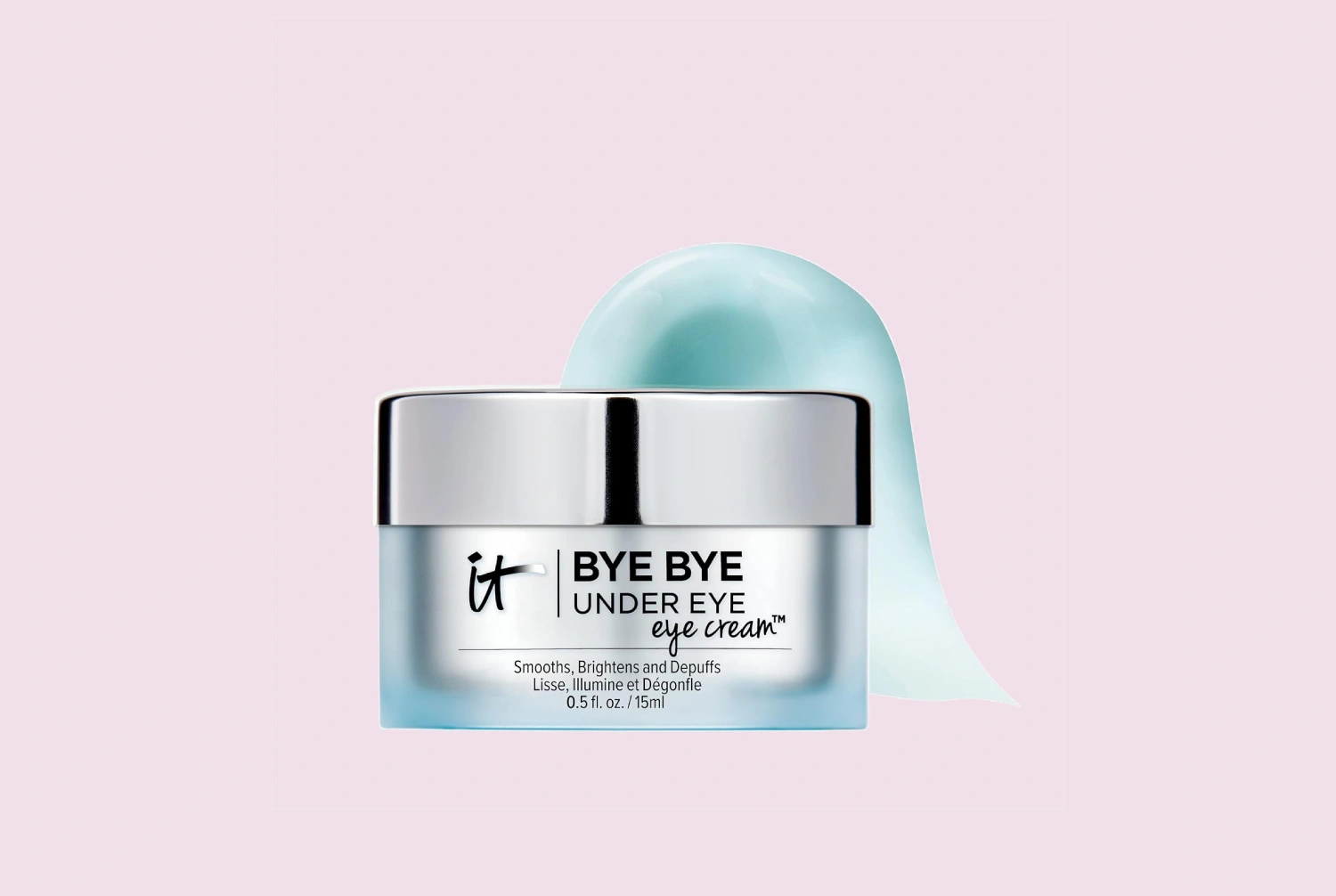
An eye cream is usually a thicker, more emollient product intended to moisturize and soften the appearance of the under-eye area. Creams may contain water-binding ingredients, emollients, and occlusive ingredients that help reduce the feeling of dryness by supporting the skin’s surface barrier. Some also include ingredients commonly used in serums, such as peptides, antioxidants, or caffeine.
Because the under-eye area can look more lined when it is dry, consistent moisturization may make fine lines appear less noticeable temporarily. This is a cosmetic effect rather than proof that the cream has changed the structure of the skin or removed wrinkles.
Common reasons to choose a cream
- Dry or tight-feeling skin: A richer texture may provide more lasting comfort than a very light gel.
- Barrier support: Moisturizing ingredients can help reduce the uncomfortable feeling associated with surface dryness.
- Nighttime use: A cream may feel more suitable in an evening routine when texture and makeup compatibility are less important.
- Simple routines: Some people prefer one comfortable moisturizer instead of layering multiple eye products.
A richer product is not always the best option. If an eye cream feels greasy, causes makeup to slide, or contributes to tiny bumps or irritation, using less product or choosing a lighter formula may be more comfortable. The appearance of small bumps around the eyes can have different causes, so skincare should not be used as a substitute for medical evaluation.
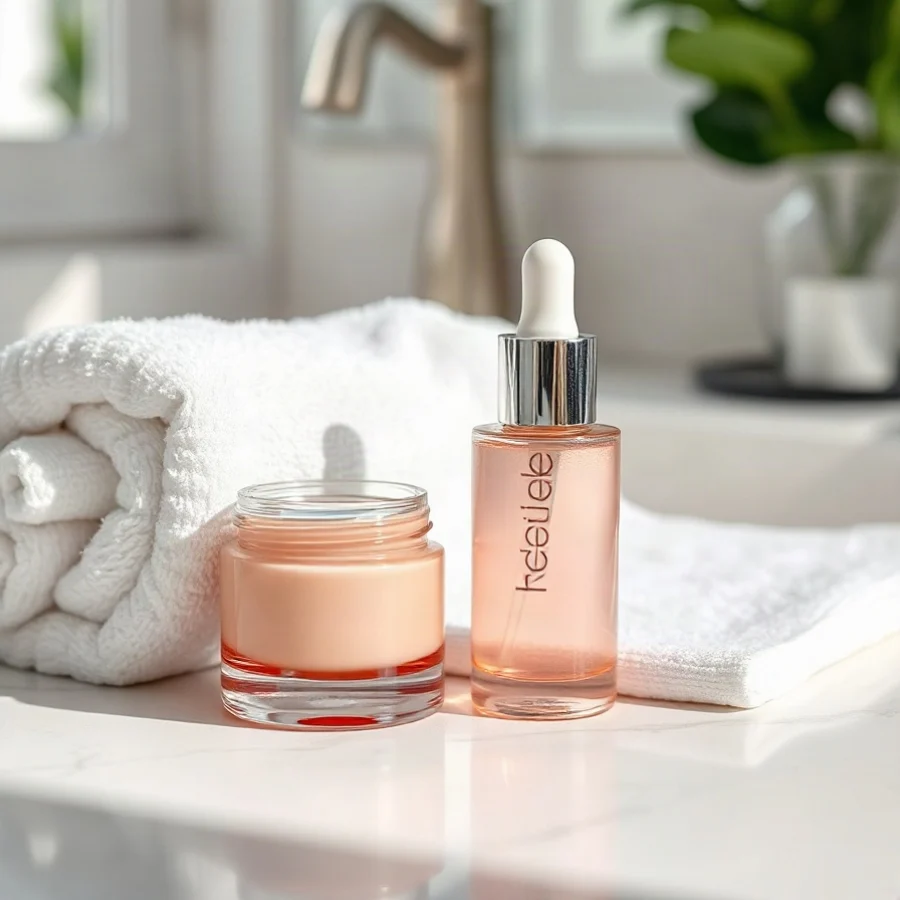
Eye cream vs. eye serum: the practical differences
| Feature | Eye serum | Eye cream |
|---|---|---|
| Typical texture | Fluid, gel-like, or lightweight lotion | Creamy, emollient, or richer |
| Best-known role | Light hydration and targeted cosmetic care | Moisturization and surface comfort |
| Often suits | People who prefer light layers | People with dry or tight-feeling skin |
| Makeup use | May feel easier to layer under makeup | May work better with a small amount and enough settling time |
| Main limitation | May not feel moisturizing enough on very dry skin | May feel heavy or contribute to pilling for some users |
This table describes common tendencies, not fixed rules. Product formulas differ widely, and some creams are lightweight while some serums are rich. Always check the current packaging and manufacturer ingredient list when a specific formula matters, because products can be reformulated.
Which one is better for dark circles?
There is no single answer because “dark circles” can describe several different visible patterns. Darkness may look brown, blue, purple, gray, or shadowed, and the most noticeable contributor is not the same for everyone. A serum or cream may improve hydration and make the area look smoother, but neither format can be expected to address every type of under-eye darkness.
For a dry-looking or dull under-eye area, either a hydrating serum or a moisturizing cream may help the skin look temporarily fresher. For puffiness that is most noticeable after waking, a lightweight product may feel more comfortable, but skincare results can be limited and variable. For concerns related to natural hollowness or facial structure, topical products may have little effect on the underlying shadow.
Ingredient choice is more relevant than the label “cream” or “serum.” Humectants can help attract water to the skin’s surface, while emollients and occlusive ingredients can help reduce moisture loss. Caffeine is commonly used in products marketed for the look of puffiness, but it should not be treated as a guaranteed solution. Antioxidants and brightening ingredients may support a more even-looking appearance over time, but results depend on the formula, consistent use, and the cause of visible discoloration.
For a broader overview of possible contributors and cosmetic approaches, see our guide to dark circles.
Which one is better for fine lines?
If fine lines look more visible when the skin is dry, an eye cream may provide a temporary smoothing effect through moisturization. An eye serum can do the same if it contains suitable hydrating ingredients and leaves the area comfortable. The thicker texture of a cream does not automatically make it more effective for lines.
Some eye products contain retinoid-related ingredients, peptides, or other ingredients marketed for the appearance of fine lines. These ingredients can be more demanding than a basic moisturizer, especially around the eyes. Follow the product label carefully, use only the recommended amount, and avoid applying products too close to the eyes unless the directions specifically allow it. If burning, persistent redness, swelling, or significant irritation develops, stop using the product. People with sensitive skin or existing eye-area concerns may want to seek professional advice before introducing a potentially irritating active.
To compare product categories and ingredient considerations, browse our information on fine lines and wrinkles.
Can you use an eye serum and eye cream together?
Yes, some people use both, but layering is optional. If you combine them, apply the lighter product first and the cream afterward. Use a small amount and allow each layer to settle. Applying too much can increase pilling, heaviness, or the chance of product migrating into the eyes.
Using two products is most reasonable when each serves a clear purpose—for example, a lightweight hydrating serum followed by a cream for dryness. It may be unnecessary if both products contain similar ingredients or if one product already provides the comfort and cosmetic benefits you want. A simple routine that you can use consistently is often more practical than a complicated routine that feels uncomfortable.
How to choose between an eye cream and an eye serum
Start with your skin’s texture needs
Choose a cream if the area feels dry, tight, or rough and you prefer a more cushioned finish. Consider a serum if you prefer a light layer, have combination or oily skin, or often apply concealer soon afterward. If your skin changes with the weather, you might use a serum in warmer months and a cream when the air is dry, provided both formulas agree with your skin.
Look beyond marketing language
Read the ingredient list and directions rather than assuming that “serum” means stronger or that “cream” means more nourishing. Look for ingredients that match your cosmetic goal, and check whether the product is intended for use around the eyes. Our eye cream ingredient guide can help you understand common ingredient categories without treating any one ingredient as a guaranteed solution.
Consider sensitivity and eye contact
The skin around the eyes can be sensitive, and the eyes themselves are easily irritated. Fragrance, essential oils, exfoliating acids, retinoid-related ingredients, and some botanical extracts may not be comfortable for everyone. This does not mean every product containing one of these ingredients will cause a problem, but it does make cautious use important. Follow the label, keep the product out of the eye, and consider a small-area patch test when appropriate. Stop using it if irritation occurs.
Think about your routine, not just the product
Apply eye products to clean skin using a gentle tapping motion rather than pulling or rubbing. The amount recommended by the manufacturer should guide use; more product does not necessarily produce better results. During the day, broad-spectrum sunscreen used as directed on suitable surrounding areas can help protect exposed skin, although sunscreen should not be placed in the eyes. Sunglasses and shade can also reduce squinting and sun exposure.
When should you ask a health professional?
Cosmetic skincare is appropriate for appearance-focused concerns, but new or persistent changes around the eyes may need professional attention. Seek medical advice for sudden swelling, significant pain, marked redness, vision changes, discharge, a rash that does not improve, or a change affecting only one side that concerns you. A qualified professional can help distinguish a cosmetic concern from an eye or skin condition.
For routine planning, our under-eye routine builder can help you organize products by texture and concern. The best choice between an eye cream and an eye serum is ultimately the one that fits your skin, your tolerance, and your routine well enough to use consistently—with realistic expectations about what topical skincare can and cannot change.

Comments
0No comments yet. Be the first to share a helpful note or question.
Leave a Comment
Your email address will not be published. Comments are reviewed before appearing on the site.