
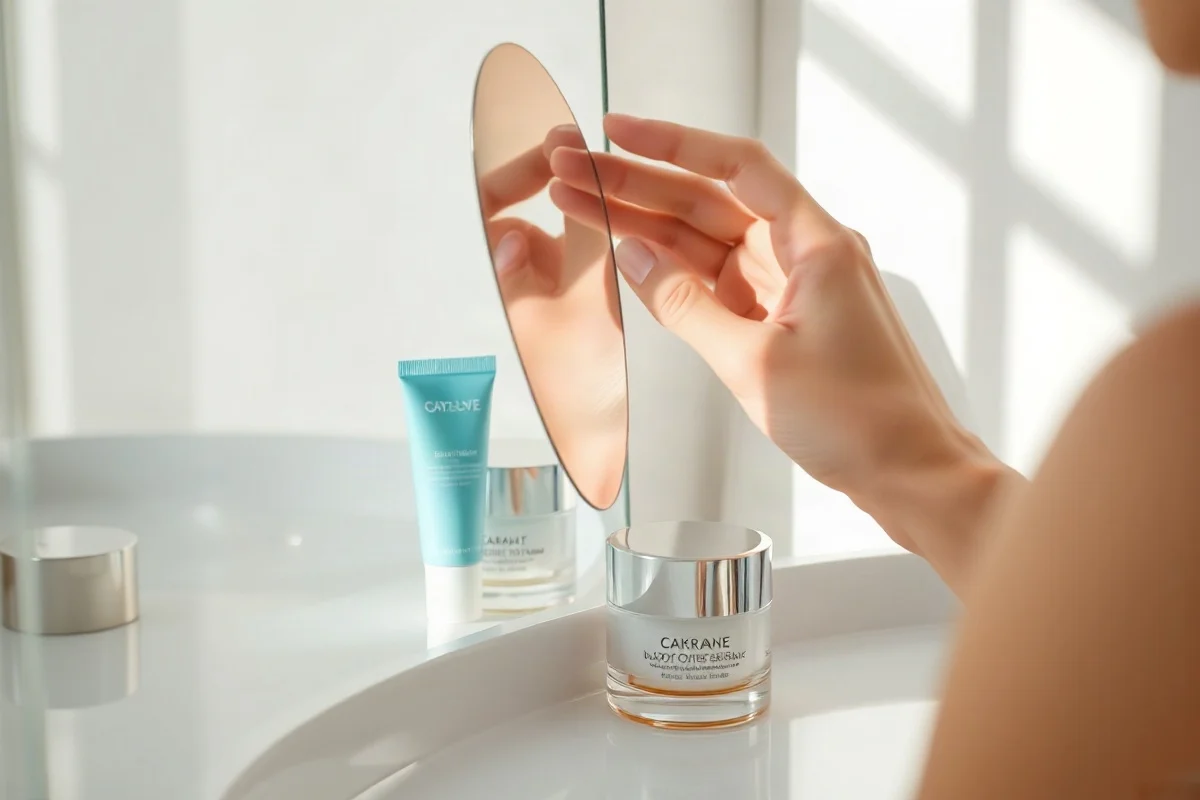
For most people, a gentle face moisturizer can be used around the eyes if the product does not sting, migrate into the eyes, or contain irritating active ingredients. Eye cream is not automatically more effective, but it may offer a texture, ingredient combination, or packaging style designed for the delicate under-eye area. The better choice depends on your skin’s needs, the formula, and how comfortably you can use it consistently.
Neither product can guarantee that dark circles, puffiness, fine lines, or wrinkles will disappear. Under-eye concerns can have multiple causes, including visible blood vessels, natural hollowness, pigmentation, shadows, dryness, allergies, genetics, and normal changes with age. Skincare may improve the area’s hydrated, smoother, or brighter-looking appearance, but it cannot diagnose or treat an underlying medical condition.
What is the difference between eye cream and face moisturizer?
The main difference is usually positioning and formulation, not a universal rule that one product is superior. Face moisturizers are made for larger areas of skin and often focus on hydration and barrier support. Eye creams are typically developed and marketed for the thinner, more mobile skin around the eyes. Some are lighter and less likely to feel heavy, while others are richer to address dryness.
There is no official requirement that every eye cream be safer, stronger, or more effective than every face moisturizer. Product formulas vary widely. An eye cream may contain familiar moisturizing ingredients such as humectants, emollients, and occlusives, while a face moisturizer may contain the same types of ingredients. The current packaging and manufacturer ingredient list are the best sources for product-specific information because formulas can change.
When a face moisturizer may be enough
A basic, fragrance-free face moisturizer may be a practical option when your primary concern is dryness or tightness. If it feels comfortable and does not cause watering, burning, redness, or bumps, there may be no need to purchase a separate eye product. Using one moisturizer can also make a routine simpler, which may improve consistency.
Look for a comfortable, uncomplicated formula
For use near the eyes, consider a moisturizer with a straightforward formula and a texture that stays where you apply it. Ingredients commonly used to support hydration include glycerin, hyaluronic acid, squalane, ceramides, and fatty alcohols, although the full formula matters more than any single ingredient. A richer cream may help reduce the look of temporary dryness, while a lighter lotion or gel may feel more comfortable if you are prone to milia-like bumps or dislike occlusive textures.
These ingredient examples are not guarantees of a particular result. Skin can react to nearly any product, and an ingredient that feels comfortable for one person may not suit another. Avoid applying moisturizer directly onto the lash line or into the eye. Instead, use a small amount on the orbital area, following the product’s directions.
When an eye cream may be useful
An eye cream may be worth considering when a face moisturizer feels too heavy, causes discomfort, or does not provide the texture you want around the eyes. It can also be convenient if you are looking for a product specifically labeled for concerns such as dryness, puffiness, or the appearance of fine lines.
The label alone does not prove that an eye cream will outperform a face moisturizer. A separate product can be useful because of its texture, packaging, or targeted ingredient blend, but expectations should remain realistic. For a broader overview of how common ingredients are used, see this eye cream ingredient guide.
Eye products may be easier to layer
Some eye creams are designed to sit comfortably under sunscreen or makeup. That can matter if your regular face moisturizer pills, leaves a greasy film, or makes concealer settle into lines. However, no product can prevent makeup-related creasing in every situation. Application amount, skin texture, formula compatibility, and the makeup itself all play a role.
Choosing based on your under-eye concern
Dryness and a crepey appearance
Dryness can make fine lines look more noticeable because dehydrated skin may appear less smooth. A moisturizer or eye cream that supports the skin barrier can temporarily make the surface look softer and more comfortable. This is a cosmetic improvement in appearance, not a permanent change to the skin’s structure.
Apply a small amount to slightly damp skin if the product directions allow it, and avoid rubbing. Pulling or tugging the skin is unnecessary and may increase discomfort. If you need a richer layer at night, choose a product that does not sting and keep it away from the eye itself.
Dark circles
Dark circles are not one single concern. Brown or gray-looking discoloration may differ from blue or purple tones, and shadows from hollowness can look like pigmentation even when the skin is not darker. A moisturizer may improve the way dry, dull skin reflects light, but it is unlikely to address every reason the area looks dark.
Some eye products include ingredients marketed for brightening or tone-evening, but these should be approached carefully. Follow the label, introduce one new active at a time, and do not assume that stronger or more frequent use will produce a better cosmetic result. If discoloration is new, changes noticeably, or concerns you, a qualified medical professional can help determine whether evaluation is appropriate. For general skincare information, browse the site’s dark circles coverage.
Puffiness
Moisturizers mainly address hydration and surface comfort, so they are not a complete solution for every type of puffiness. Temporary morning swelling can be influenced by sleep, fluid retention, irritation, allergies, or other factors. Some products use a cooling texture or include caffeine, but the visible effect, if any, may be temporary and will vary by person.
Use light pressure when applying any product near the eyes. Do not massage aggressively or apply a formula that makes the area water or itch. Persistent, one-sided, painful, or sudden swelling is not simply a cosmetic product-selection issue and should be discussed with a medical professional.
Fine lines and wrinkles
Hydration can temporarily make fine lines look less pronounced by giving the skin a smoother surface. Products containing retinoids or other active ingredients may be selected by people seeking a more targeted approach, but these ingredients can be irritating near the eyes. They may not be suitable for everyone, and product directions matter.
If you choose an active eye product, start cautiously according to its label rather than combining several new products at once. Avoid use if the product causes burning, significant redness, swelling, or persistent discomfort, and seek professional guidance if symptoms do not settle. Visit the fine lines and wrinkles section for more routine considerations.
Ingredients and product features to consider
Instead of choosing solely by the word “eye” on the package, compare the formula with your tolerance and goals. Humectants can help attract water to the outer layers of skin. Emollients can improve the feel of roughness, while occlusives help reduce water loss. These categories are useful for dry-looking skin but do not promise to remove dark circles or wrinkles.
Potentially irritating ingredients deserve extra caution around the eyes. Fragrance, essential oils, exfoliating acids, and retinoid-type ingredients may be uncomfortable for some people, particularly if the skin barrier is already compromised. This does not mean every person must avoid them, but it does mean you should follow the label, avoid the eye itself, and introduce products gradually.
Packaging also matters. A pump or tube can limit repeated contact with the product, while a jar requires dipping into the formula. Packaging does not determine effectiveness, but it may affect hygiene and how easily you can dispense a small amount. Always check the current ingredient list and directions from the manufacturer before buying or using a product.
How to apply either product around the eyes
- Cleanse gently and pat the area dry without rubbing.
- Use a small amount; more product is not automatically more effective.
- Dot it along the orbital bone rather than placing it directly on the eyelid margin or lash line.
- Tap lightly with a clean finger and allow the product to settle.
- During the daytime, use sunscreen as directed on areas where it is appropriate, while taking care to avoid direct eye contact.
Patch testing can be useful when trying a new product, especially if you have sensitive skin or a history of reactions. A patch test cannot guarantee that a product will not irritate the eyes, so stop using it if you develop burning, itching, redness, swelling, or watering. If symptoms are severe or continue after stopping, seek medical advice.
Which option is better for your routine?
Choose a face moisturizer if it is gentle, comfortable, and adequately hydrating for the area. Choose an eye cream if you prefer its texture, need a separate product for a particular cosmetic concern, or find that your facial moisturizer does not work well around the eyes. Neither choice is automatically the correct one for everyone.
A simple routine is often the most practical starting point: gentle cleansing, a comfortable moisturizer, daytime sun protection where suitable, and careful introduction of any active product. If you are comparing several options, the under-eye routine builder can help organize choices around skin type and concerns.
The most useful product is generally the one you can apply safely and consistently without irritation. Keep expectations focused on possible improvements in hydration, comfort, and the appearance of the skin’s surface. If the under-eye area changes suddenly, is painful, persistently swollen, or comes with other symptoms, skincare is not a substitute for professional medical evaluation.

Comments
0No comments yet. Be the first to share a helpful note or question.
Leave a Comment
Your email address will not be published. Comments are reviewed before appearing on the site.