
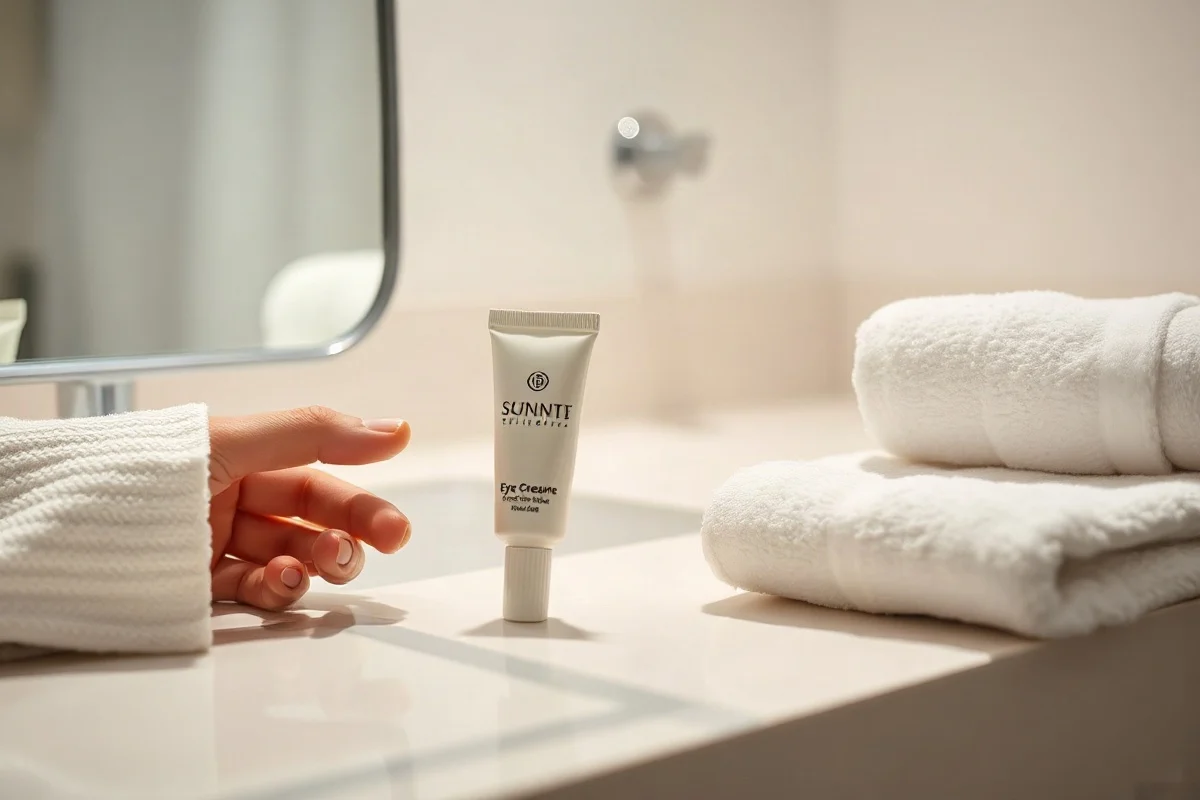
For sensitive eyes, the most important qualities in an eye cream are a gentle formula, a short ingredient list, comfortable application, and realistic expectations. Look for products made without added fragrance when possible, introduce one new product at a time, and apply only a small amount around—not directly into—the eyes. Ingredients such as glycerin, ceramides, hyaluronic acid, and soothing emollients may help support dry-looking skin, while stronger actives can require more caution.
Sensitivity around the eyes can show up as stinging, watering, redness, dryness, tightness, or flaking. Those reactions do not necessarily mean an eye cream is unsafe for everyone, but they are useful signals that the product may not suit your skin or that too much has been applied. An eye cream is a cosmetic product intended to improve the appearance and feel of the skin. It is not a diagnosis or treatment for an eye condition, persistent inflammation, infection, or an allergic reaction.
Start with the formula, not the marketing
Eye creams are often promoted around specific concerns such as dark circles, puffiness, or fine lines. For sensitive skin, however, the formula’s overall design may matter more than a single highlighted ingredient. A product with a long list of potentially irritating ingredients may be a poor choice if your under-eye area reacts easily, even when it contains an ingredient associated with your main concern.
When comparing products, consider choosing a formula that is:

- Fragrance-free or made without added fragrance, especially if scented products tend to cause discomfort.
- Lightly formulated enough to spread without rubbing or tugging.
- Free of ingredients you already know your skin does not tolerate.
- Packaged in a way that helps limit repeated contact with the product.
- Clearly labeled with current directions and a complete ingredient list.
“Fragrance-free” does not guarantee that a product will work for every sensitive user. Botanical extracts, essential oils, preservatives, and active ingredients can still be uncomfortable for some people. Formulas also change, so check the current packaging or the manufacturer’s ingredient list before buying or using a product. Our eye cream ingredient guide can help you understand common ingredients without reducing the decision to one “best” ingredient.
Ingredients that may suit a sensitive under-eye area
Humectants for a dry, tight feeling
Humectants attract and hold water near the skin’s surface. Glycerin and hyaluronic acid are common examples. In an eye cream, they may help the under-eye area feel more comfortable and look temporarily smoother when dryness emphasizes fine lines. They do not remove dark circles, and results can depend on the rest of the formula, the surrounding environment, and your skin’s condition.
If a humectant-rich product feels tight or uncomfortable, the issue may be the overall formula rather than the ingredient alone. Applying too much product or using it on skin that needs additional moisture can also affect how it feels. A simple moisturizer layered carefully over or around the area may be more useful than adding several specialized products.
Barrier-supporting ingredients
Ceramides, fatty acids, cholesterol, and gentle emollients are often used in products designed to support the skin barrier. The under-eye area is thin and can become uncomfortable after rubbing, cleansing too aggressively, or using multiple active products. A barrier-focused eye cream may be a sensible starting point when dryness and sensitivity are more noticeable than discoloration.

These ingredients can support the appearance and feel of dry-looking skin, but they are not a treatment for an underlying skin disorder. If the area remains cracked, swollen, painful, or persistently itchy, consider seeking advice from a qualified health professional rather than repeatedly switching cosmetic products.
Soothing ingredients
Some formulas include ingredients such as panthenol, allantoin, oat-derived ingredients, or aloe. These may help a product feel soothing for some users, but sensitivity is individual. A plant-derived ingredient is not automatically gentler, and a product described as “natural” is not automatically safer for the eye area. Review the complete label and avoid ingredients that have caused you problems in the past.
Be cautious with stronger eye cream actives
Active ingredients can be useful when selected and introduced carefully, but sensitive eyes may not tolerate them well. Retinoids, exfoliating acids, vitamin C derivatives, and some brightening ingredients can cause dryness, stinging, or peeling for certain users. Even products formulated specifically for the eye area may need a gradual introduction.
If you are considering a stronger active, follow the product label rather than adapting directions from another product. Use a small amount, avoid applying too close to the lash line, and introduce only one new active at a time. Do not combine several potentially irritating products around the eyes until you know how your skin responds. If burning, marked redness, swelling, or persistent irritation develops, stop using the product. Seek medical guidance for significant or ongoing symptoms.
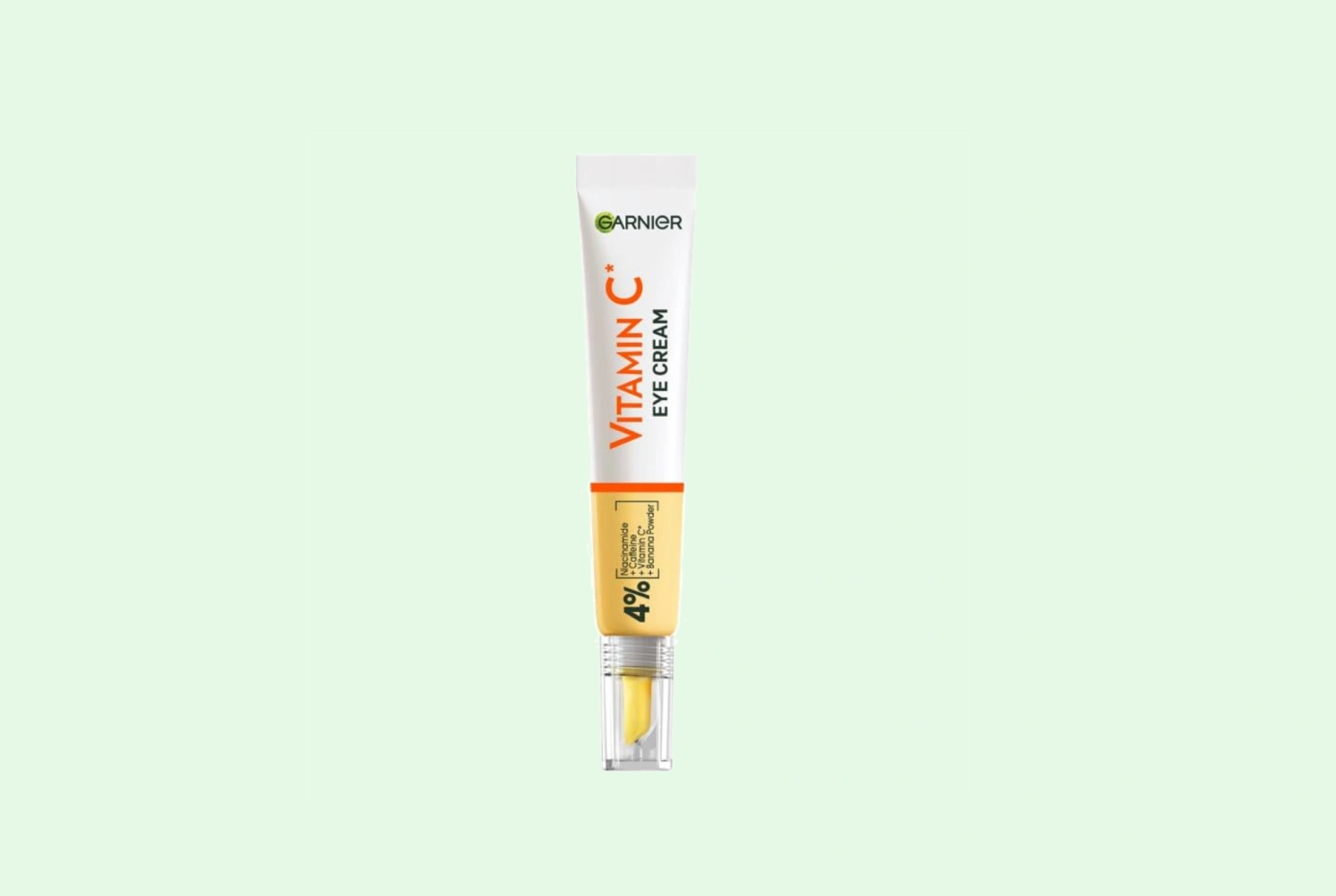
Retinol and vitamin C are often discussed in relation to fine lines and uneven-looking tone, but neither is a guaranteed solution for dark circles. If you want to explore these categories, review the current product directions and ingredient list carefully. Formulas vary between products and can change over time. You can also compare general considerations in our guides to retinol eye creams and vitamin C eye creams.
Understand what sensitive eyes may actually need
Not every under-eye concern calls for a treatment-style product. If your main issue is dryness, a basic moisturizing formula may be more appropriate than a product packed with brightening or firming actives. If the area looks puffy in the morning, gentle application, adequate sleep, and avoiding rubbing may matter as much as the eye cream itself. Cosmetic products may temporarily improve the look of dryness or puffiness, but they cannot guarantee a particular result.
Dark circles also have different visible causes. Shadows from facial structure, visible blood vessels, pigment, thin-looking skin, and recent fatigue can all contribute to how the area appears. An eye cream may make dry skin look smoother or more hydrated, but it may have limited effect when the primary cause is structural or unrelated to surface dryness. Our guide to dark circles provides broader context for setting realistic expectations.
How to introduce an eye cream carefully
1. Patch test when appropriate
Before applying a new product near the eyes, test a small amount on another area where your skin is less delicate, following the product’s instructions. A patch test cannot predict every reaction, and it does not replace professional medical advice, but it can be a cautious first step. Avoid testing on irritated or broken skin.
2. Use a small amount
More product does not necessarily mean better results. A small amount shared between both under-eye areas is often enough to spread a thin layer. Apply it with a clean fingertip using gentle tapping or smoothing motions. Do not tug at the skin, and keep the product out of the eye itself.
3. Add one product at a time
Introducing multiple new products together makes it difficult to identify the source of irritation. Start with one formula and give yourself time to observe how your skin feels. If your skin is already reactive, simplify the rest of your routine while evaluating the new product.
4. Stop when your skin objects
Mild temporary awareness is not something you need to push through. Stop using a product if it causes stinging, burning, redness, swelling, or worsening dryness. Rinse carefully if the product gets into your eyes. For severe, persistent, or unusual symptoms, contact a qualified health professional.
Packaging and application details matter
Choose packaging that allows controlled dispensing and minimizes repeated dipping into a jar. This is not a guarantee of better performance, but it can make clean application easier. Keep the container closed, avoid sharing it, and follow any storage instructions on the label.
Apply eye cream after cleansing, when the skin is dry or slightly damp according to the product directions. If you use other skincare products, avoid layering several potentially irritating formulas around the eye at the same time. Sunscreen is also important for exposed skin during the day, although sunscreen should be used according to its directions and kept out of the eyes.
When an eye cream may not be the right answer
Cosmetic skincare cannot explain every change around the eyes. Contact a qualified health professional if you have sudden swelling, significant pain, vision changes, discharge, persistent itching, or symptoms that do not improve after stopping a product. Recurrent reactions may require more careful evaluation than product shopping alone can provide.
For everyday sensitivity, the most practical approach is usually a short routine: gentle cleansing, a simple moisturizer or eye cream that your skin tolerates, and daytime sun protection. Choose ingredients for the concern you can realistically influence, introduce new products slowly, and judge success by comfort and appearance rather than promises of permanent correction. A useful under-eye routine builder can help organize those choices without encouraging an overloaded routine.

Comments
0No comments yet. Be the first to share a helpful note or question.
Leave a Comment
Your email address will not be published. Comments are reviewed before appearing on the site.