
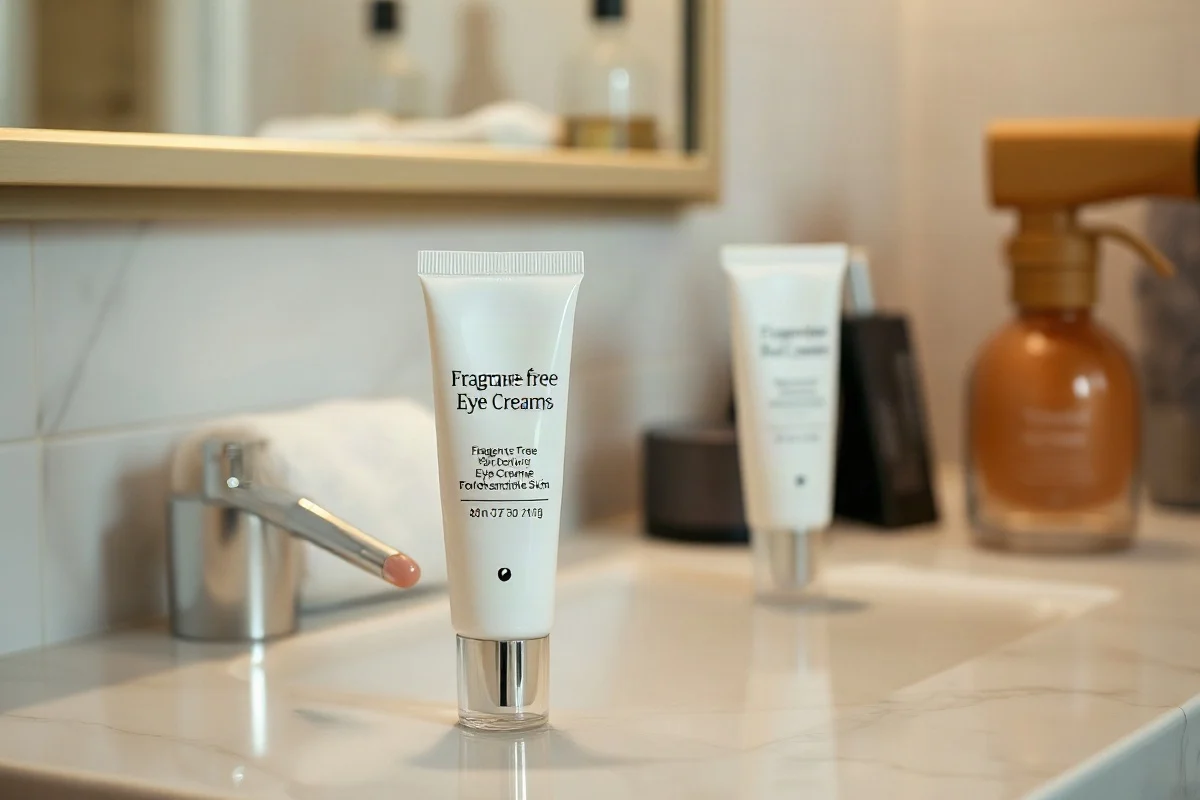
The best fragrance-free drugstore eye cream for sensitive skin is one with a short, clearly labeled formula that focuses on moisturization and barrier support rather than a long list of strong actives. Look for products labeled fragrance-free, check the current ingredient list, and choose a texture that does not sting or leave the under-eye area tight. Ingredients such as glycerin, hyaluronic acid, ceramides, squalane, and soothing emollients may help improve the appearance of dryness and fine lines, but no eye cream can reliably remove every type of dark circle or puffiness.
Fragrance-free does not automatically mean irritation-free. The eye area is thin and easily exposed to migrating product, rubbing, makeup removal, and environmental stress. A careful selection process matters more than a dramatic claim on the front of the package. For more background on choosing products for reactive skin, see our guide to sensitive skin and eye care.
Why choose fragrance-free eye cream?
Fragrance is added to some skin-care products to create a particular scent or mask the smell of other ingredients. Some fragrance components may be irritating or sensitizing for certain people, especially when used near the eyes. Choosing a fragrance-free product can reduce one potential source of discomfort, although it cannot guarantee that a formula will suit every sensitive-skin type.
Pay attention to the exact wording. “Fragrance-free” generally means the product is formulated without added fragrance, while “unscented” may mean that fragrance has been used to mask the natural scent of the formula. Packaging language can vary, so review the ingredient list when possible. Formulas also change over time. Before buying or applying a product, verify the current packaging and the manufacturer’s ingredient information.
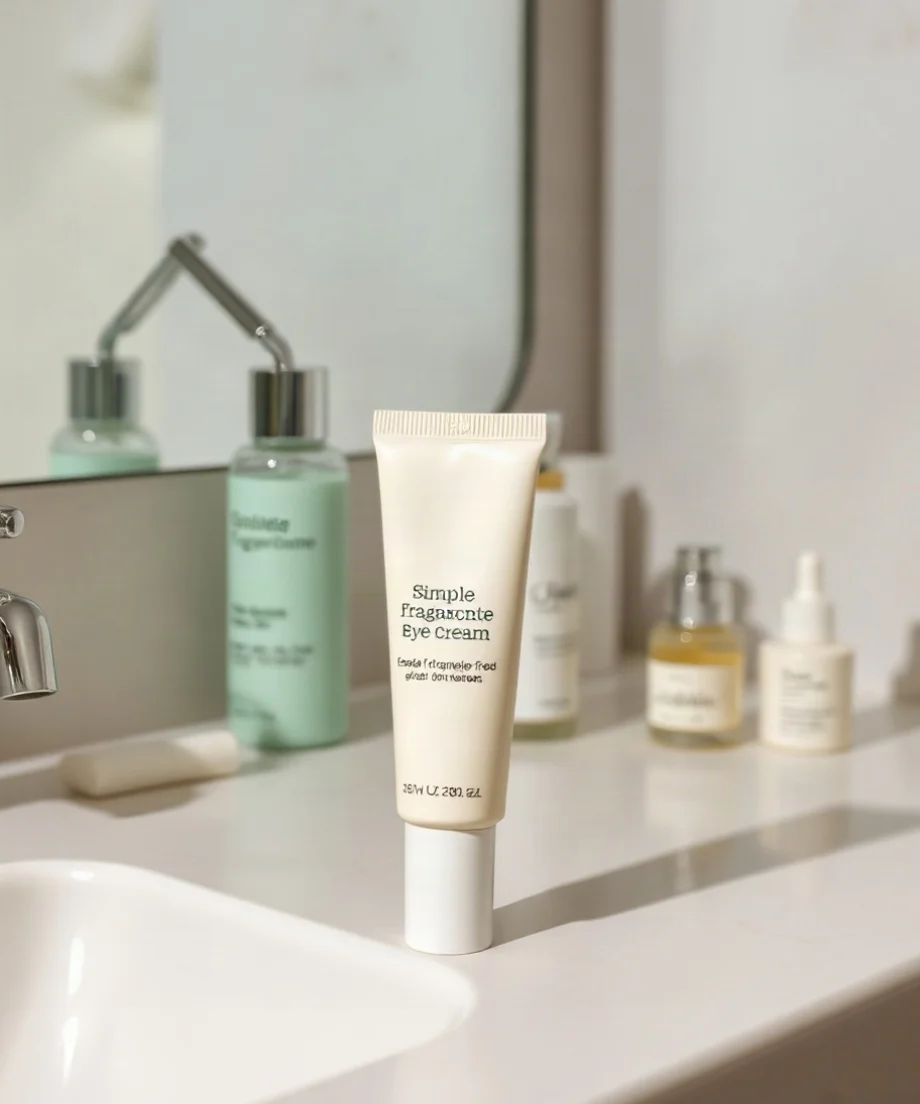
What to look for in a drugstore eye cream
Barrier-supporting moisturizers
For sensitive skin, a simple moisturizing formula is often a sensible starting point. Humectants such as glycerin and hyaluronic acid help attract water to the outer layers of skin. Emollients, including ingredients such as squalane or certain plant-derived oils, can help make skin feel softer. Ceramides and other lipid-like ingredients may support the skin barrier as part of a broader moisturizing routine.
These ingredients are mainly useful for the appearance of dryness, flaking, tightness, and dehydration-related fine lines. They are not treatments for every cause of under-eye discoloration. If your main concern is a hollow-looking shadow or naturally deeper pigmentation, a moisturizer may make the area look smoother without changing the underlying cause.
Soothing and protective ingredients
Some fragrance-free eye creams include ingredients selected for a soothing or conditioning role, such as panthenol, allantoin, colloidal oatmeal, or certain forms of aloe. These ingredients may help the skin feel more comfortable, but individual responses vary. “Soothing” is not a promise that irritation cannot occur.
A formula with a soft, low-friction texture can also be helpful. The product should spread with minimal tugging, since pulling at the skin may increase discomfort and can make an application routine less pleasant. A richer cream may suit dry skin, while a lighter lotion or gel-cream may feel better if you are prone to milia-like bumps or dislike a heavy finish. Neither texture is universally best.
Fewer potential irritants
People with sensitive skin may prefer to avoid added fragrance, essential oils, strong exfoliating acids, and highly active formulas around the eyes. This does not mean every active ingredient is unsuitable, but it does mean that introducing several new ingredients at once makes it harder to identify the source of a reaction.
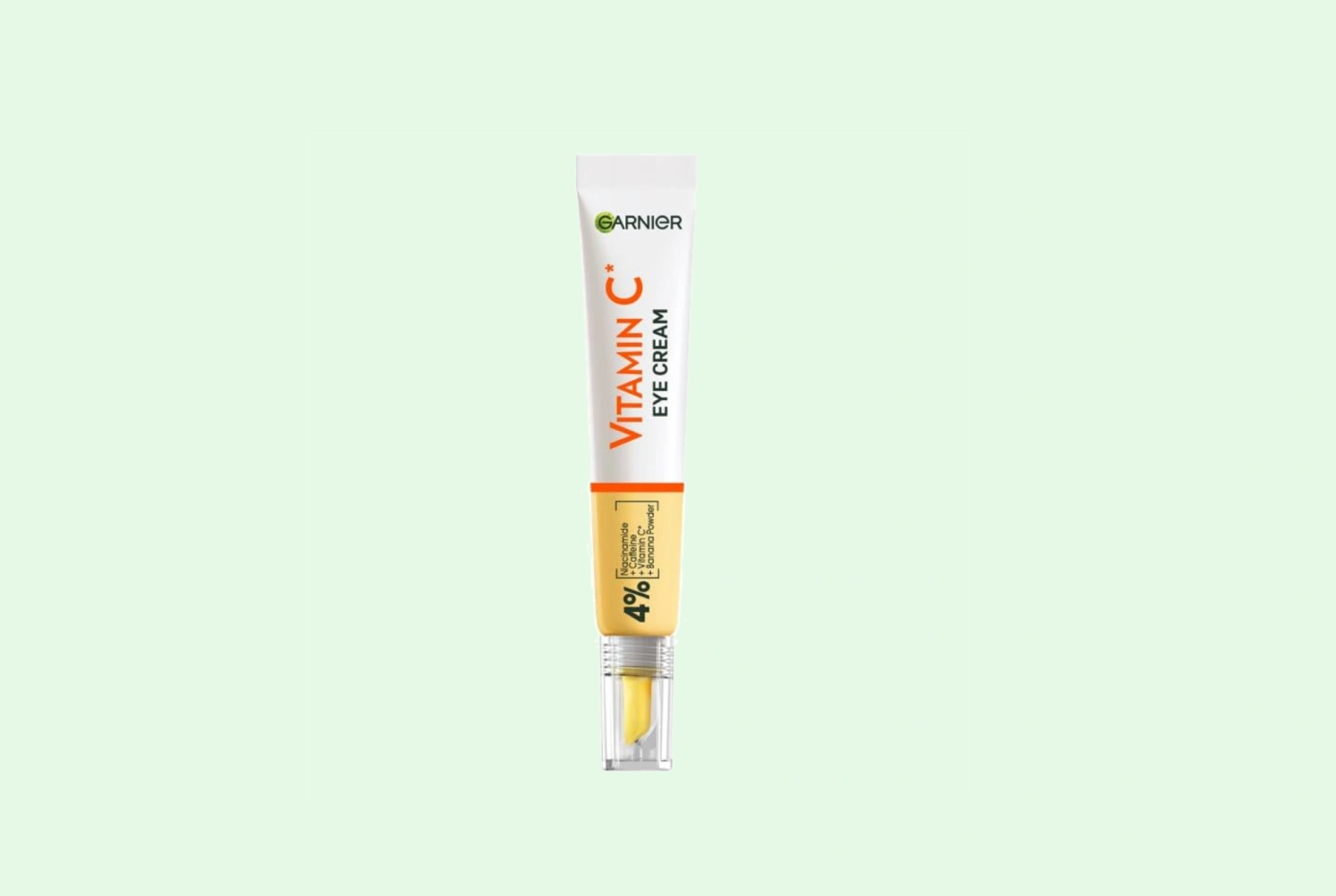
Some drugstore eye creams contain retinoids, vitamin C derivatives, caffeine, or exfoliating ingredients. These may be appropriate for particular cosmetic goals, but they can require a more cautious approach. Follow the product label, introduce one new product at a time, and stop using it if you develop burning, persistent redness, swelling, itching, or worsening discomfort. An ingredient guide can help you compare common options before choosing a formula: review common eye cream ingredients.
How to match the formula to your concern
For dryness and dehydration
Choose a fragrance-free cream with humectants, emollients, and barrier-supporting ingredients. Apply a small amount to clean, slightly damp skin if the label allows, and avoid layering too many products underneath. Dryness-related fine lines may appear less noticeable when the skin is well moisturized. This is a temporary cosmetic improvement, not permanent removal of lines.
For puffiness
Eye cream may improve the feel and surface appearance of the skin, but puffiness can have many contributors, including sleep, allergies, fluid retention, genetics, and the natural structure of the under-eye area. A cooling, lightweight product may feel refreshing, and some formulas include caffeine. However, do not assume that a caffeine product will produce the same result for everyone. Avoid rubbing or massaging forcefully, especially when the area is irritated.
For practical distinctions between temporary swelling and other under-eye concerns, explore our coverage of puffiness and eye bags.
For dark circles
“Dark circles” is a broad description rather than one single skin concern. The appearance may come from visible blood vessels, brown or gray-brown pigmentation, shadows from facial structure, thin-looking skin, or a combination of factors. A fragrance-free moisturizer can reduce the contrast created by dryness and improve how concealer sits, but it may not noticeably change structural shadows or inherited pigmentation.
Daily broad-spectrum sunscreen used as directed on suitable surrounding areas can be an important part of protecting the skin from additional visible discoloration. Take care to avoid getting sunscreen in the eyes, and consider sunglasses and a hat for added sun protection. If discoloration is new, one-sided, rapidly changing, or associated with other symptoms, consult a qualified health professional rather than relying on cosmetic products.
How to shop for a fragrance-free drugstore eye cream
- Read the current label. Check for fragrance-related terms and review the complete ingredient list. Product details can change, so do not rely only on an old online listing or a package image.
- Choose a manageable formula. A shorter formula is not automatically better, but fewer unnecessary extras may make it easier to identify what your skin tolerates.
- Consider packaging. A tube or pump can limit repeated contact with the product. This is a practical preference, not a guarantee of better performance or safety.
- Match the texture to your skin. Dry skin may prefer a creamier product, while combination or easily congested skin may prefer a lighter layer.
- Skip dramatic promises. Claims that a product will erase dark circles, permanently remove wrinkles, or eliminate bags should be treated cautiously. Cosmetic results are usually limited and individual.
- Buy from a reliable source. Drugstore pricing does not determine whether a formula will suit you, and low cost does not mean low quality. Confirm the package is sealed and current when possible.
How to introduce a new eye cream safely
Patch testing can be useful, but the method should be conservative around the eyes. Apply a small amount to a less visible area, such as the inner forearm or along the jaw, and observe your skin according to the product’s directions. A patch test cannot predict every reaction near the eyes, so begin with a very small amount and keep the product away from the lash line and inside of the eye.
Use the eye cream on clean skin after cleansing, unless the label recommends another order. A rice-grain-sized amount for both eyes is often enough for a thin layer, but follow the product directions rather than treating this as a universal measurement. Tap gently with a clean finger instead of dragging the skin. If the product migrates into the eyes and causes discomfort, rinse with clean water and discontinue use if symptoms persist.
Introduce only one new eye-area product at a time. Avoid testing a new eye cream on the same day as a retinoid, exfoliating acid, or other potentially irritating active. If redness, itching, burning, swelling, rash, or persistent watering develops, stop using the product. Seek medical advice for severe or continuing symptoms, because irritation and allergy require more than a cosmetic adjustment.
What results are realistic?
A well-tolerated fragrance-free eye cream may make the under-eye area feel more comfortable and look temporarily smoother, softer, or less dry. Makeup may apply more evenly, and dehydration-related fine lines may appear less prominent when the skin is moisturized. These are reasonable cosmetic expectations.
Results are less predictable for pronounced puffiness, deep hollows, prominent veins, or long-standing pigmentation. Eye cream cannot replace sleep, allergy care, sun protection, or professional evaluation when those factors are relevant. It also cannot change facial anatomy. If your main goal is to improve the appearance of dark circles, compare moisturizing care with other practical steps in our dark circles resource.
The most useful fragrance-free drugstore eye cream is usually the one you can apply consistently without stinging, rubbing, or creating new dryness. Start with a simple formula, verify the current ingredient list, introduce it gradually, and judge it by comfort and modest cosmetic improvement rather than by an absolute promise.

Comments
0No comments yet. Be the first to share a helpful note or question.
Leave a Comment
Your email address will not be published. Comments are reviewed before appearing on the site.