
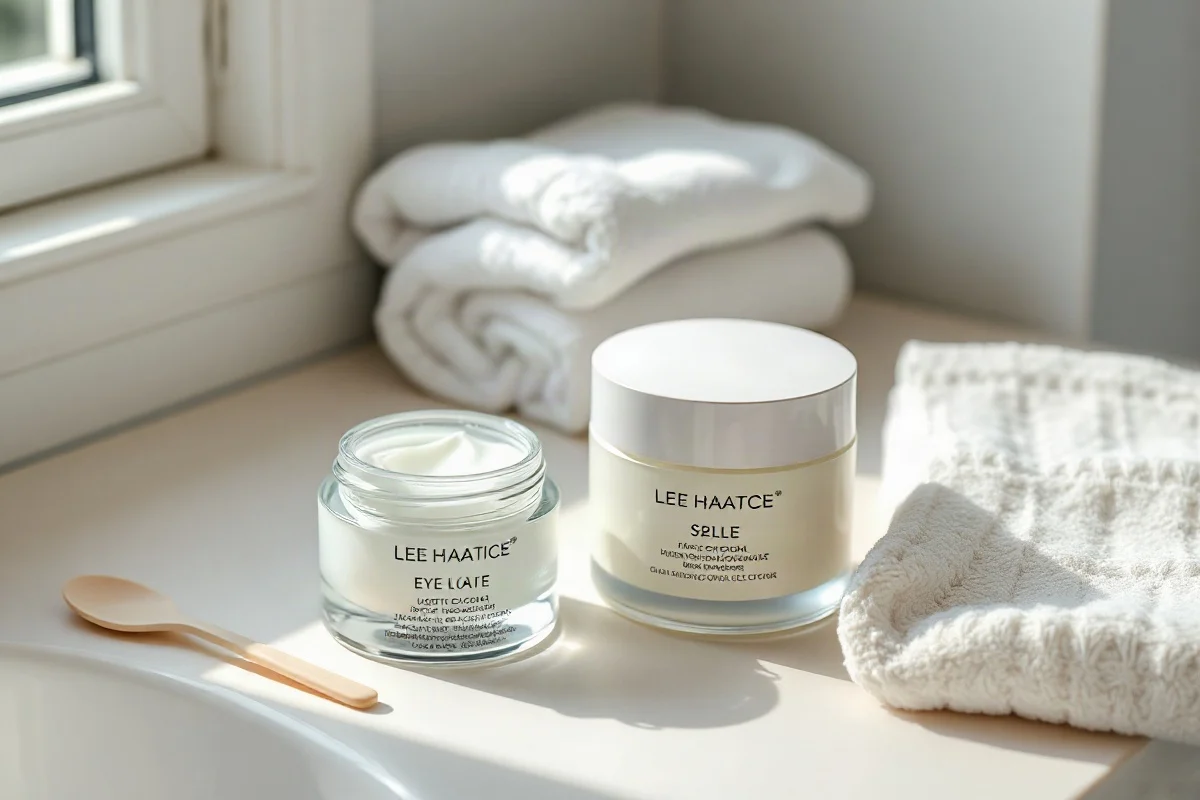
For most people, a gel eye cream is the better starting point for oily, combination, or easily congested skin, warm climates, and daytime use under makeup. A rich cream may be a better fit for dry, tight, or flaky under-eyes, cold weather, and nighttime routines when you want a more cushioning layer. Neither texture is automatically more effective for dark circles, puffiness, or fine lines. The right choice depends on how your under-eye skin feels, what you apply afterward, and whether you can use the product consistently without irritation.
Texture affects comfort, layering, and the way the skin looks temporarily hydrated. It does not determine whether an eye cream can change the underlying reason for dark circles. Under-eye darkness can be influenced by visible blood vessels, natural pigmentation, shadows from facial structure, or the appearance of thin skin. Puffiness can also have several possible contributors. An eye cream may improve the look of dryness or temporary dehydration, but it cannot diagnose or treat a medical condition.
What makes a gel eye cream different?
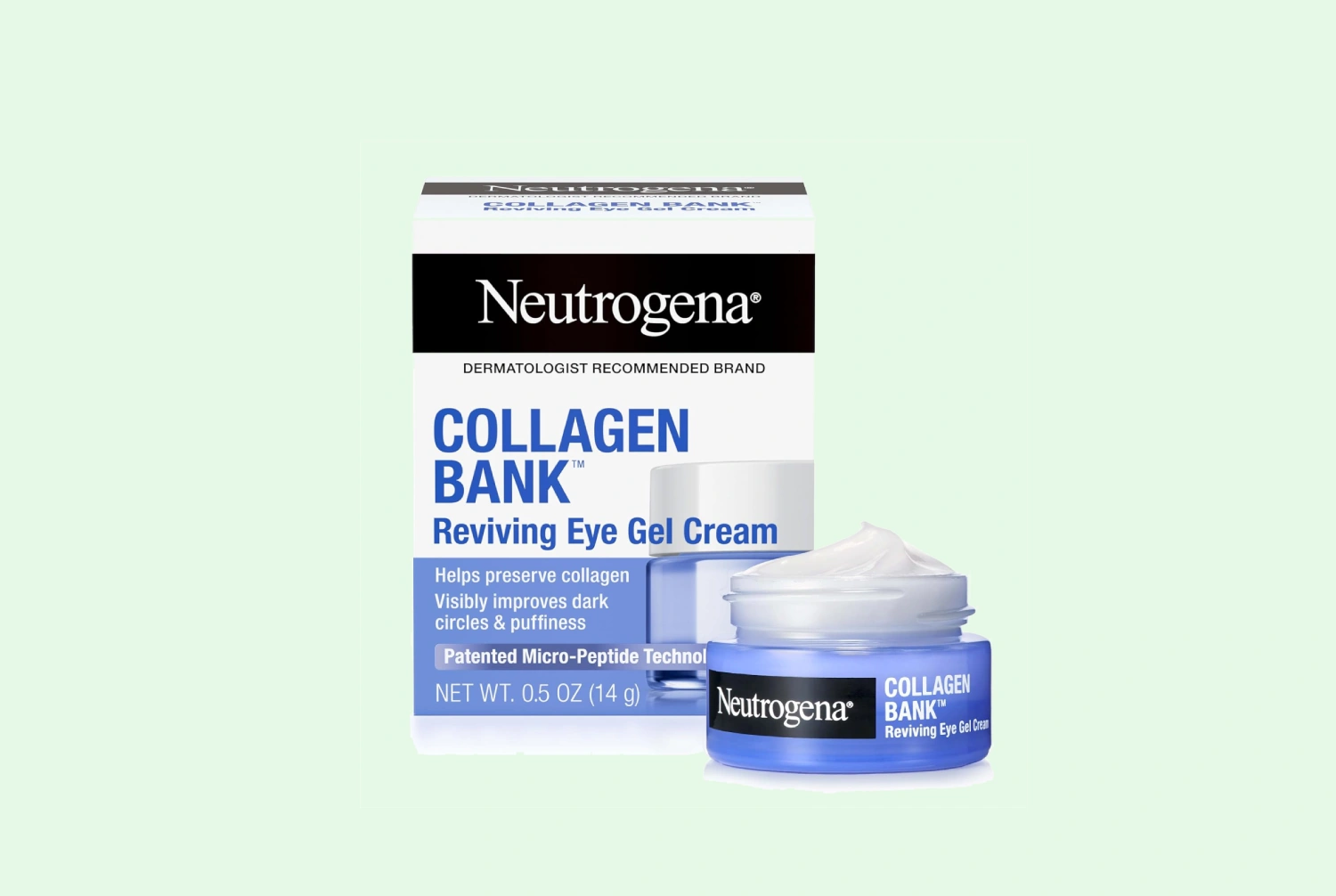
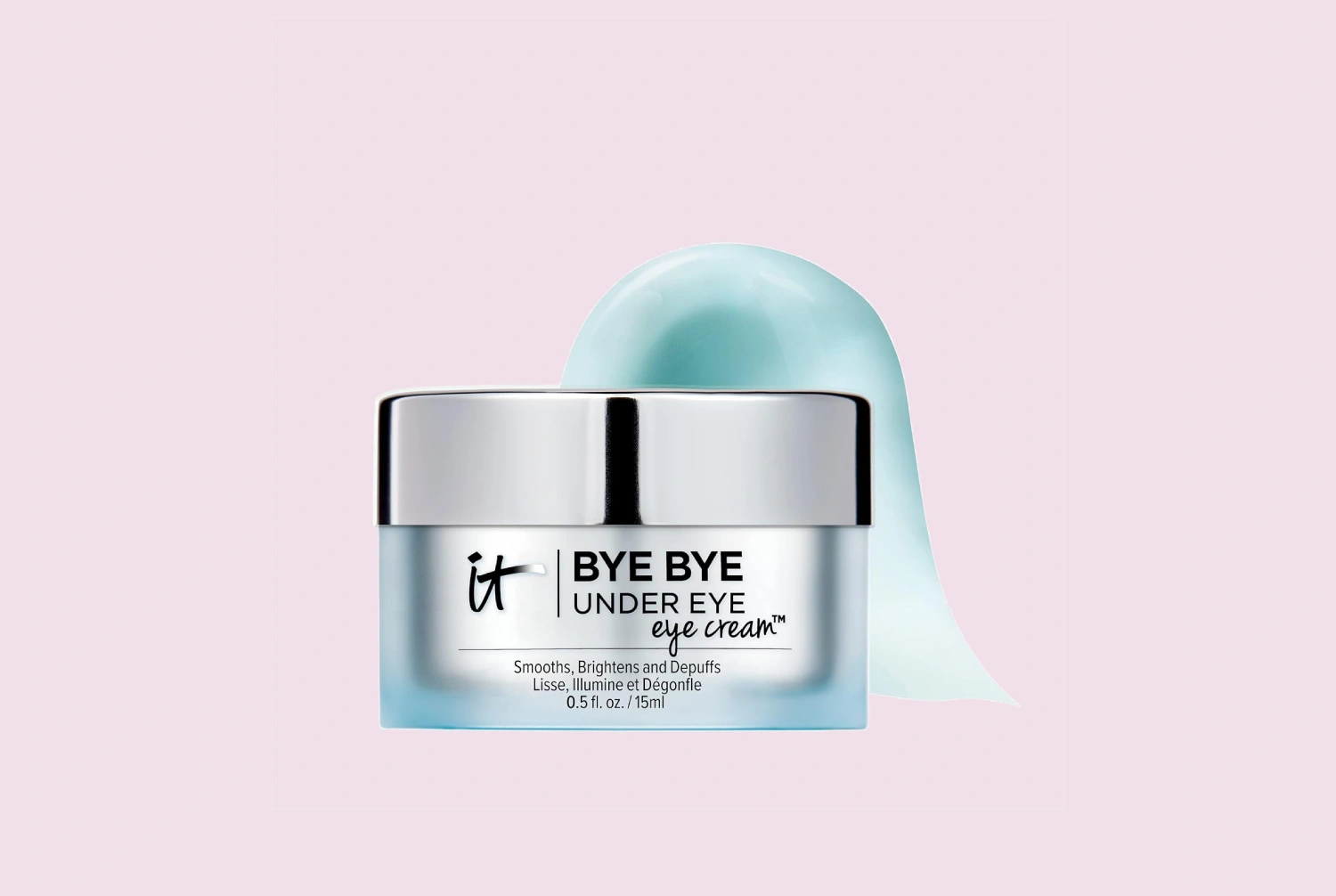
Gel eye creams usually have a light, water-based feel. They may spread easily, absorb relatively quickly, and leave less of a noticeable layer on the skin than a dense cream. Some gel textures feel cooling when applied, although that sensation is not the same as reducing inflammation or treating puffiness.
Because gel formulas often feel less occlusive, they can be appealing if you dislike heaviness around the eyes. They may also be easier to layer with sunscreen, concealer, or other skincare. However, “gel” describes a texture rather than a complete ingredient profile. Two products with a gel consistency can have very different formulas, and the ingredient list should guide your decision when a specific ingredient matters.
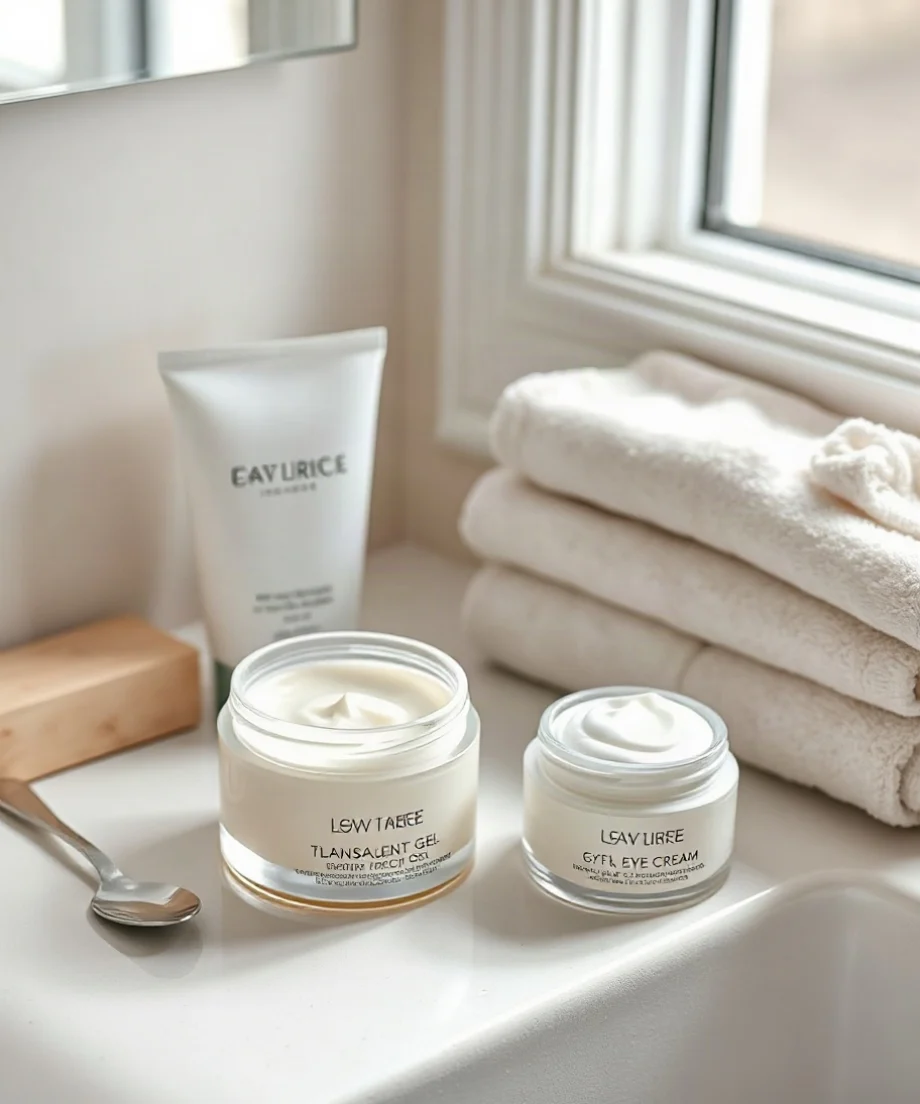
Gel textures may suit you if:
- Your under-eye area feels comfortable with lightweight moisturizers.
- You tend to notice excess shine or a heavy feeling from richer products.
- You apply eye care in the morning and want makeup to sit smoothly afterward.
- You live in a warm or humid environment.
- You want hydration without a strongly occlusive finish.
A gel can still be useful for dry skin, especially if it contains moisturizing ingredients and you apply it to slightly damp skin. But if the area continues to feel tight or flaky, the texture may not provide enough lasting comfort by itself.
What makes a rich eye cream different?
Rich eye creams generally contain a more substantial blend of emollient or occlusive ingredients. They can leave a soft, cushioned layer that helps reduce the feeling of dryness and may make fine lines look less noticeable when the skin is better hydrated. This is a cosmetic improvement in appearance, not a permanent change to the lines themselves.
A richer texture can be especially comfortable at night or during dry winter weather. It may also help protect the feel of the skin when indoor heating, wind, or frequent cleansing leaves the under-eye area uncomfortable. The tradeoff is that a dense cream may feel too heavy for some people, pill beneath makeup, or migrate if too much is applied.
Rich textures may suit you if:
- Your under-eyes feel dry, tight, rough, or flaky.
- You are looking for a more protective nighttime layer.
- Your skin becomes less comfortable in cold, windy, or dry conditions.
- You prefer a dewy, moisturized finish.
- Light gels disappear too quickly and leave your skin feeling unconditioned.
Rich does not necessarily mean better, more nourishing, or more powerful. It simply describes how the product feels and behaves on the skin. A richer formula can also be unsuitable if it causes stinging, watery eyes, clogged-feeling skin, or persistent bumps.
How the choice affects common under-eye concerns
Dark circles
Neither a gel nor a rich cream is a universal answer for dark circles. If darkness looks more noticeable when the skin is dry, either texture may make the area look smoother and more hydrated. A gel may be preferable when a lightweight formula layers well with brightening products or sunscreen. A rich cream may be more comfortable if dryness emphasizes shadows or makes the skin look crepey.
Ingredient selection may matter more than texture when you are researching a particular concern. Look for product information that clearly explains the intended cosmetic use, and review the current label rather than relying on an old product description. Our eye cream ingredient guide can help you compare common ingredient categories without assuming that one ingredient works the same way for everyone.
Puffiness
A lightweight gel may feel preferable in the morning because it is less likely to add a heavy layer before makeup. Some formulas include caffeine or other cosmetic ingredients marketed for a more refreshed-looking eye area, but results can vary and should not be treated as guaranteed. A product cannot establish why puffiness is occurring or replace medical advice for persistent or unusual swelling.
If you are comparing products for this concern, focus on comfort, application, and whether the formula causes watering or rubbing. You can read more general guidance in our coverage of puffiness and eye bags.
Fine lines and dryness
Rich creams often have an advantage when fine lines look more visible because of surface dryness. By adding moisture and reducing the rough look of the skin, they may create a temporarily smoother appearance. Gel creams can also hydrate, but some people need to layer them with a moisturizer or use a more protective product at night.
If you choose an eye cream containing a potentially irritating active such as retinol, exfoliating acids, or a strong fragrance blend, texture should not be your only consideration. Follow the product label, introduce the product gradually when directed, and avoid applying it too close to the eyes unless the packaging specifically indicates that use. Stop if you develop persistent stinging, redness, swelling, rash, or worsening discomfort.
Gel versus rich cream for morning and night
For daytime, gel textures often make practical sense because they tend to layer easily beneath sunscreen and makeup. Apply a small amount to clean skin, keeping the product on the orbital area rather than placing it directly into the eye. Give it a moment to settle before applying other products if pilling is a concern.
At night, a rich cream may be useful when your under-eyes need more comfort and protection from dryness. That does not mean you need a separate morning and evening product. One well-tolerated formula can be enough if it meets your needs in both settings. If a rich cream interferes with makeup, reserve it for the evening; if a gel leaves you tight overnight, consider a more emollient option.
The best application amount is the smallest amount that spreads comfortably over the area without leaving excess product. Using more does not guarantee better results and may increase the chance of migration into the eyes. Pat gently rather than rubbing, especially if your skin is sensitive or you are prone to watering.
What to check beyond texture
Texture is a useful shortcut, but it is not enough to predict whether an eye cream will suit you. Before buying, consider the following:
Ingredient purpose
Humectants can help attract water to the skin, emollients can improve softness, and occlusive ingredients can help reduce moisture loss. A product may contain one category or a combination of all three. If you are interested in specific ingredients, compare the current ingredient list with the product’s stated use. Formulas can change, so verify the packaging or the manufacturer’s current ingredient information before making a decision.
Fragrance and potential irritants
The skin around the eyes can be sensitive, and fragrance or active ingredients may not be comfortable for everyone. “Natural” does not automatically mean non-irritating, and fragrance-free does not guarantee that a product will suit every person. Patch testing can be a sensible precaution, although it cannot predict every reaction around the eyes. Follow the label and stop using the product if irritation develops.
Finish and compatibility
Think about whether you prefer a matte, fresh, or dewy finish and whether you use concealer. A product that feels pleasant but pills under makeup may be better as a nighttime treatment in your routine. Conversely, a very light gel may be convenient during the day but insufficient when your skin is dry overnight.
How to choose if you are still unsure
Start by describing your skin rather than choosing based on marketing language. If the area feels tight after cleansing, looks flaky, or becomes uncomfortable in dry weather, try a richer texture. If it feels normal to oily, you dislike residue, or you need a product that layers under makeup, a gel may be more practical.
When your needs change by season, you can adjust the texture without changing every other part of your routine. A gel may work well in summer, while a richer cream may feel more comfortable in winter. You can also use a lighter product in the morning and a more protective one at night, provided both are tolerated.
For help organizing products around your skin type and goals, the under-eye routine builder offers a starting point. If your main concern is dryness, you may also want to compare guidance for dry skin.
The practical answer
Choose a gel eye cream when lightweight hydration, quick layering, and a less noticeable finish matter most. Choose a rich cream when dryness, tightness, or overnight comfort is the priority. If you have combination needs, use the texture that fits each part of your routine rather than assuming one product must do everything.
Whichever texture you choose, keep expectations realistic. A comfortable eye cream can support the appearance and feel of hydrated skin, but it cannot guarantee the removal of dark circles, puffiness, or fine lines. Consistent, gentle use—and checking the current label when product details matter—will tell you more than the word “gel” or “rich” on the front of the package.

Comments
0No comments yet. Be the first to share a helpful note or question.
Leave a Comment
Your email address will not be published. Comments are reviewed before appearing on the site.