
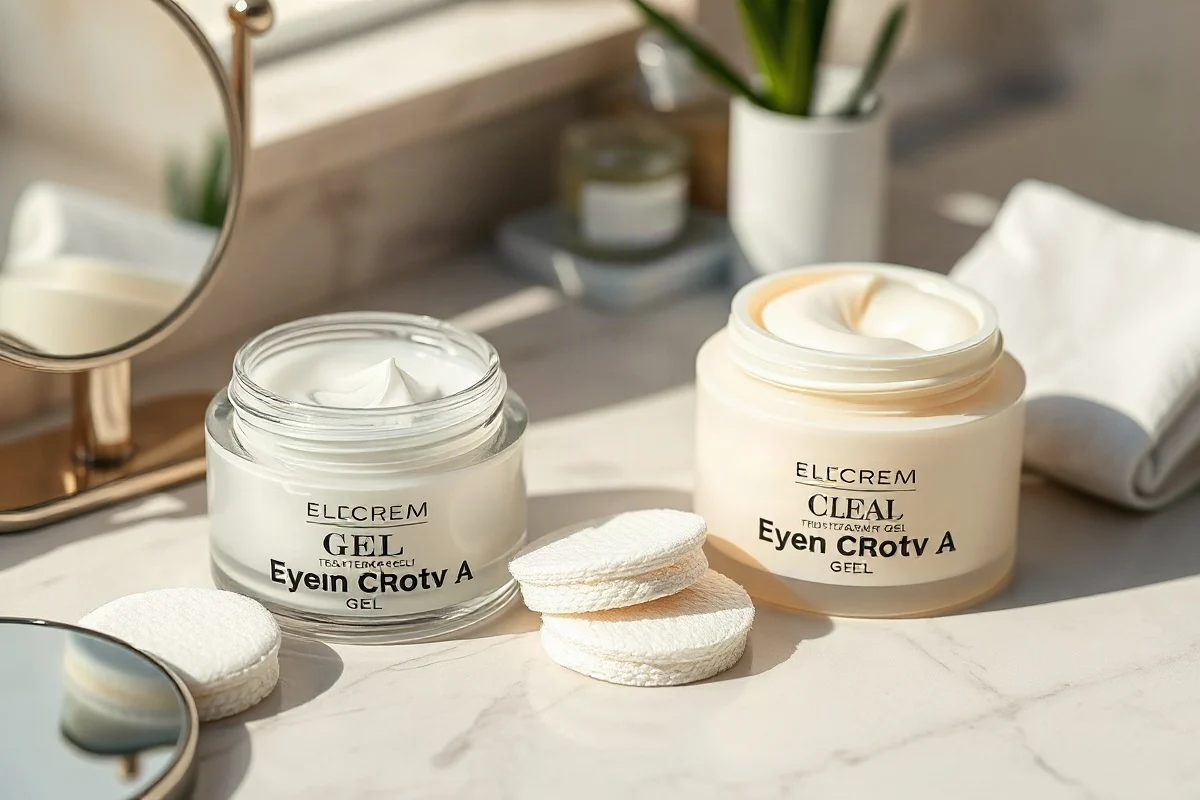
For most people, gel eye treatments feel lighter, cooler, and easier to wear during the day, while cream eye treatments feel richer and more protective, especially on dry skin. Neither texture is automatically better for dark circles, puffiness, or fine lines. The more comfortable choice depends on your skin type, climate, makeup habits, preferred ingredients, and whether you want a quick-drying layer or a more moisturizing finish.
Texture can influence whether you use an eye product consistently, but it does not determine what is causing a change in the under-eye area. Dark circles may look different because of visible blood vessels, natural pigmentation, shadows from facial structure, or thinner-looking skin. Puffiness can also have many possible contributors. An eye treatment can support the appearance and feel of the skin, but it should not be treated as a diagnosis or a medical treatment.
How gel and cream eye treatments differ
The words “gel” and “cream” describe a product’s sensory profile and vehicle more than its complete performance. Two products with the same label can feel very different depending on their ingredients, packaging, and formula design. Always check the current product label and manufacturer ingredient list because formulas can change.
Gel textures
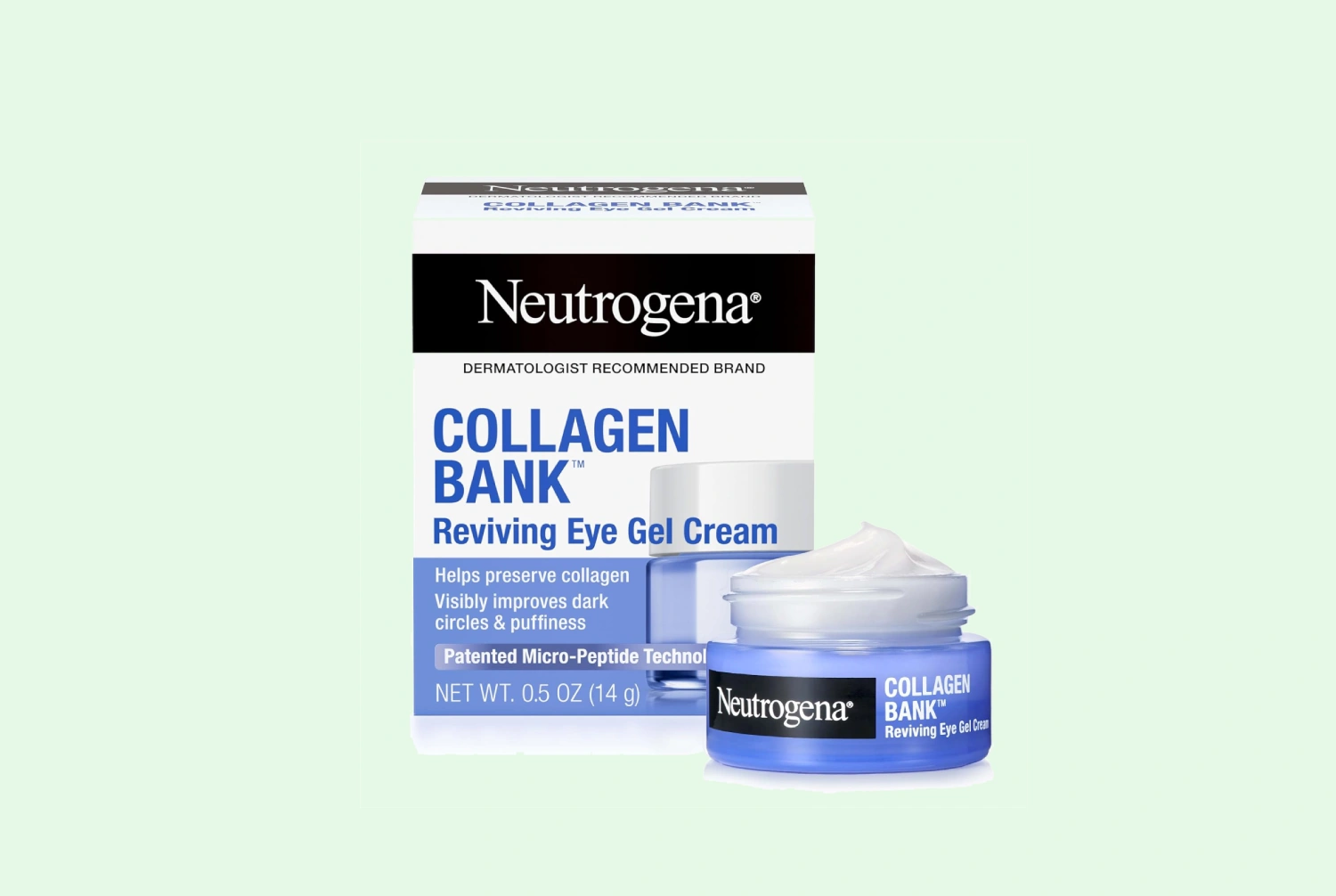
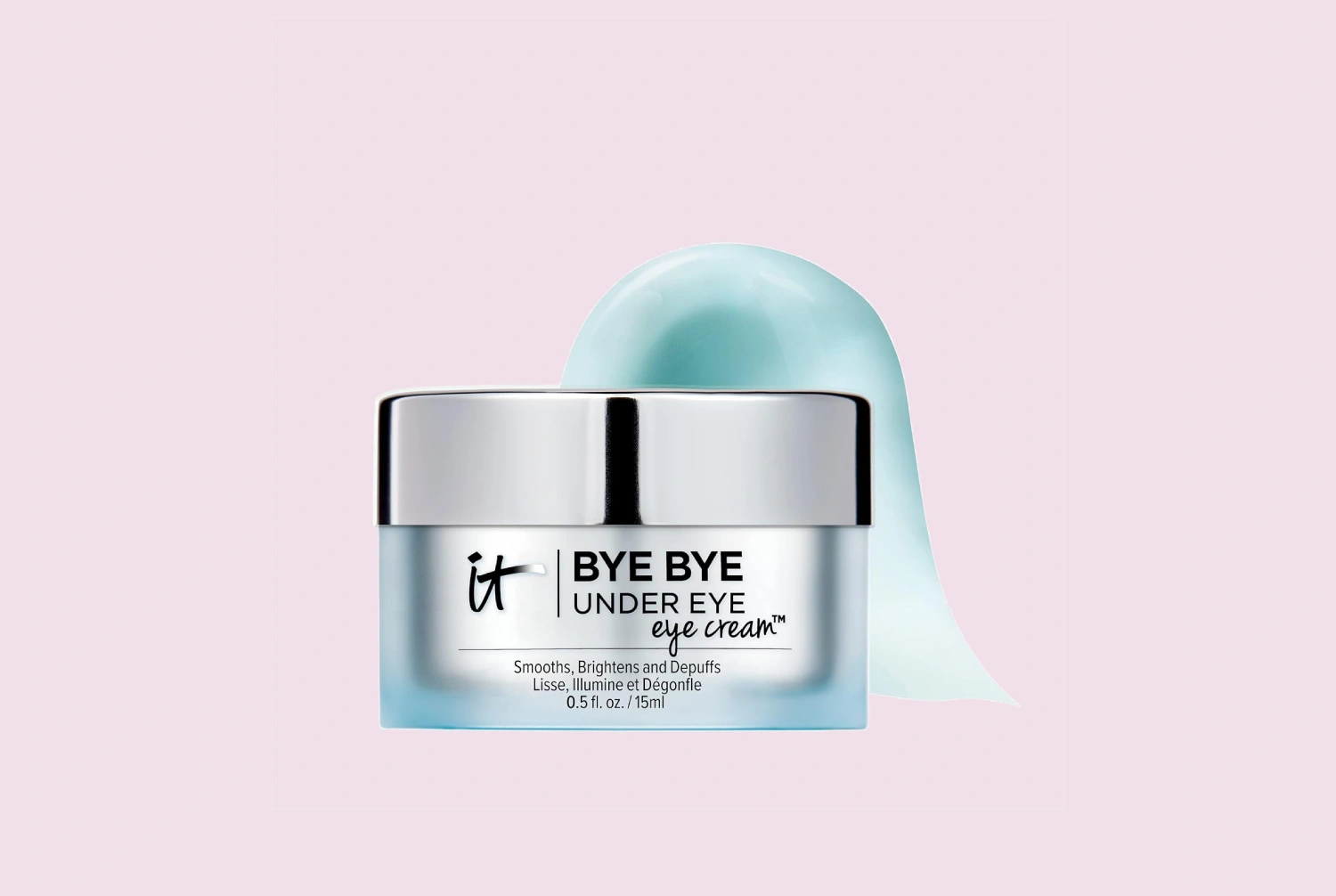
Gel eye treatments are often water-based or gel-like emulsions with a lightweight, fresh finish. They may spread easily, absorb quickly, and leave less of a noticeable film on the skin. Some feel cooling when applied, particularly when stored in a cool place, although that sensation is temporary and does not necessarily indicate a special effect on dark circles or puffiness.
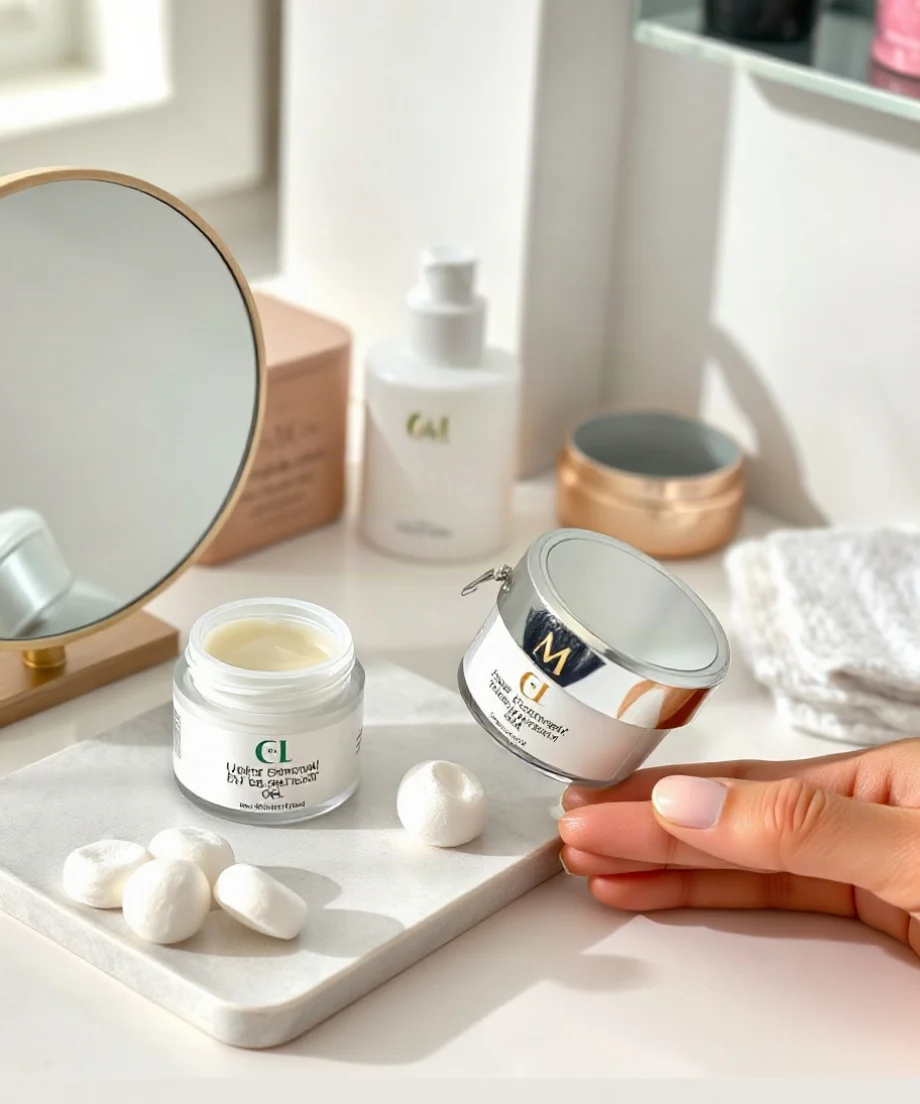
A gel may work well if you:
- Prefer a barely-there layer under sunscreen or makeup.
- Dislike rich or occlusive textures near the eyes.
- Live in a humid or warm climate.
- Have combination or oilier skin around the eye area.
- Want a product that fits easily into a morning routine.
The tradeoff is that some gels may not provide enough lasting comfort for very dry or easily dehydrated skin. A light finish can feel pleasant at first but may not be sufficient if your under-eye area becomes tight or flaky during the day.
Cream textures
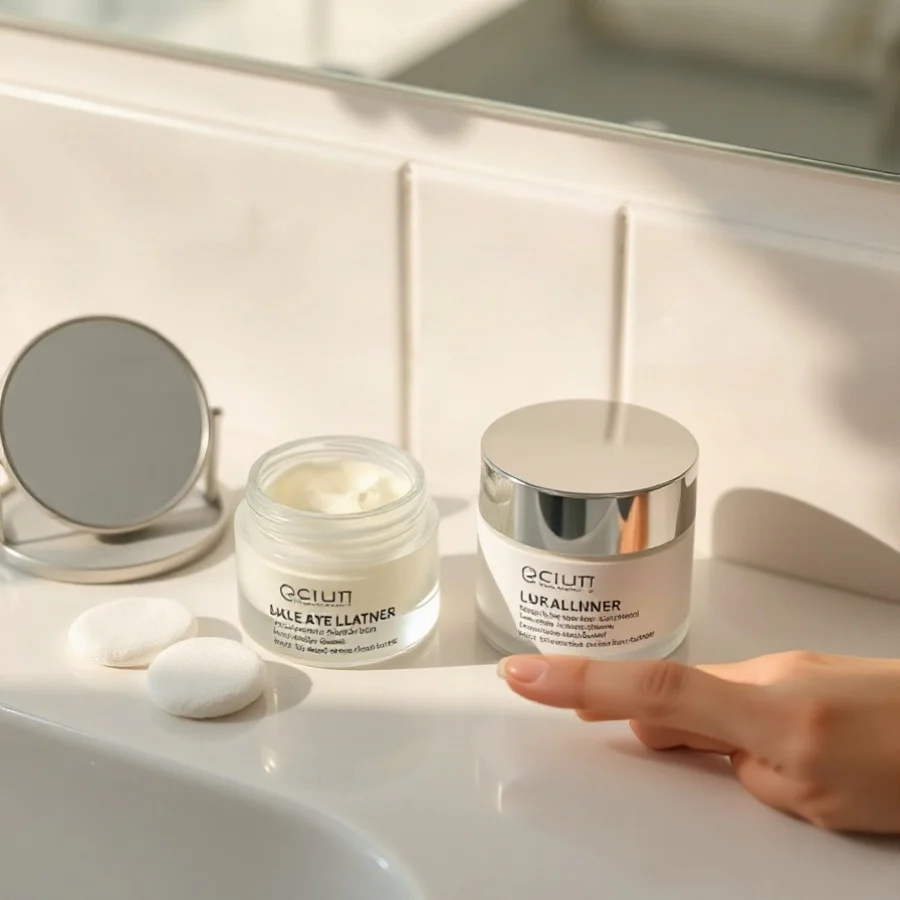
Cream eye treatments are usually designed to provide more emollience, cushioning, or moisture. They may contain a richer blend of oils, esters, fatty alcohols, occlusive ingredients, or other skin-conditioning components, but the exact formula varies widely. A cream can leave a soft protective layer that helps reduce the feeling of dryness and makes the skin look smoother temporarily.
A cream may be a better sensory match if you:
- Have dry, mature, or easily tight-feeling skin.
- Prefer a soft, moisturized finish.
- Use an eye product at night.
- Notice concealer emphasizing flakes or rough texture.
- Want more cushioning during cold or dry weather.
A richer product can feel heavy, pill beneath makeup, or migrate if too much is applied. This is especially relevant around the eyes, where rubbing and repeated wiping may be uncomfortable. A cream is not automatically more effective than a gel; it simply may provide a different moisturizing experience.
Which texture feels better for different skin types?
Dry or dehydrated-looking under-eyes
Dry skin often prefers a cream because the richer texture can reduce the feeling of tightness and provide a smoother surface for makeup. Look for a formula that feels comfortable rather than one that leaves a thick, sticky layer. Ingredients commonly used for moisturization may include humectants, emollients, and occlusive agents, but ingredient names alone cannot predict how the complete product will feel.
A gel can still work for dry skin if it contains moisturizing ingredients and is followed by a compatible cream or moisturizer. Applying a small amount to slightly damp skin may improve the immediate feel, but avoid getting any product into the eye itself. If dryness is persistent, painful, scaly, or accompanied by other symptoms, an eye treatment may not be the right solution.
Combination or oily skin
A gel often feels more comfortable on combination or oilier skin because it tends to leave less surface residue. It may also sit more neatly beneath concealer. However, the eye area can be drier than the rest of the face, so a very light formula may not provide enough comfort. Consider whether the skin actually feels oily or whether it is simply reacting to a product that is too rich.
Sensitive skin
Sensitivity is not determined by texture alone. A lightweight gel can contain ingredients that sting, while a cream can be gentle—or the reverse. Fragrance, essential oils, preservatives, exfoliating acids, retinoids, and some forms of vitamin C may be uncomfortable for certain users, particularly near the eyes.
For a new product, follow the label directions and consider testing a small amount on another area of skin before applying it near the eye. Introduce one new product at a time, avoid applying it directly to the lash line unless the instructions say otherwise, and stop using it if burning, swelling, persistent redness, or significant irritation develops. Readers with a history of eye-area reactions may find our guidance on eye products for sensitive skin useful.
Gel vs. cream for common under-eye concerns
Dark circles
Neither a gel nor a cream can address every type of dark circle. A formula may temporarily improve the look of dullness by moisturizing the skin or creating a smoother, more reflective surface. Some products also include ingredients commonly selected for brightening or antioxidant-focused routines. These cosmetic benefits should not be confused with eliminating pigmentation, changing facial anatomy, or treating an underlying medical issue.
For a clearer starting point, identify whether the concern appears brown, blue or purple, shadowed, or more noticeable when the skin is dry. These observations are not a diagnosis, but they can help you choose realistic skincare goals. Our dark circles guide covers the different ways under-eye darkness can appear.
Puffiness
A cool gel may feel refreshing when the under-eye area looks temporarily puffy, and a lightweight texture is less likely to feel heavy during the day. Some formulas include caffeine or other ingredients selected for the appearance of tired-looking eyes. Any visible change may be temporary and cosmetic rather than a treatment for the cause of swelling.
If puffiness is sudden, one-sided, painful, persistent, or associated with vision changes or other symptoms, consider seeking medical advice rather than relying on an eye product. For ordinary cosmetic concerns, compare textures and application habits in our guide to puffiness and eye bags.
Fine lines and dryness
Creams often feel more comfortable when fine lines look more noticeable because of dryness. Hydration can temporarily make the skin look smoother, but this is different from permanently removing wrinkles. Some eye treatments contain retinoid ingredients or other potentially irritating actives. These products require extra care around the eyes, including gradual use when directed, careful avoidance of the eye itself, and attention to irritation.
A gel may be preferable if you dislike the way richer products collect in lines or interfere with concealer. The best choice is usually the one that provides enough moisture without forcing you to rub, layer excessively, or abandon the routine.
How the texture works with makeup
For morning use, gel treatments generally have an advantage when you want a quick, low-residue layer. Apply a small amount, allow it to settle according to the product directions, and then use sunscreen and makeup as appropriate. Too much product of either texture can cause pilling, so increasing the amount does not necessarily improve the result.
Creams can work well under makeup when applied sparingly and given enough time to settle. If concealer separates or looks overly slippery, try using less cream, waiting longer, or reserving the richer product for nighttime. A formula that feels ideal in the evening may not be the best choice for a fast morning routine.
How to choose between a gel and a cream
Start with the finish you can use consistently. Choose a gel if you want a light, fresh feel and minimal interaction with makeup. Choose a cream if your priority is softness, comfort, and a more moisturized finish. If you are between the two, a lotion-like or lightweight emulsion may provide a middle ground.
Next, review the ingredient list and product directions. Consider whether the product contains ingredients that suit your goal and whether you are prepared to use them as directed. Product categories are not guarantees: a gel may be highly moisturizing, and a cream may be surprisingly light. Packaging language can also be broad, so the current ingredient list is more useful than the texture name alone.
Finally, think about your environment and routine. Cold weather, indoor heating, air conditioning, humidity, sunscreen, and concealer can all change what feels comfortable. You may reasonably prefer a gel in the morning and a cream at night, or switch textures seasonally. A simple routine that you tolerate is often more practical than a complicated routine with an unpleasant finish. The under-eye routine builder can help organize those choices.
Application tips for either texture
- Use the amount recommended on the label rather than applying a thick layer.
- Tap the product gently around the orbital area instead of rubbing back and forth.
- Keep the product out of the eye unless its instructions specifically allow otherwise.
- Introduce potentially irritating actives slowly and do not combine multiple new actives at once.
- Stop using the product if it causes significant or ongoing irritation.
- Check the current packaging or manufacturer website for updated directions and ingredients.
The most comfortable eye treatment is the one that matches your skin’s moisture needs, your preferred finish, and the time you can realistically give your routine. Gel and cream textures can both support a more comfortable-looking under-eye area, but neither should be expected to diagnose, cure, or permanently remove dark circles, puffiness, or fine lines.

Comments
0No comments yet. Be the first to share a helpful note or question.
Leave a Comment
Your email address will not be published. Comments are reviewed before appearing on the site.