
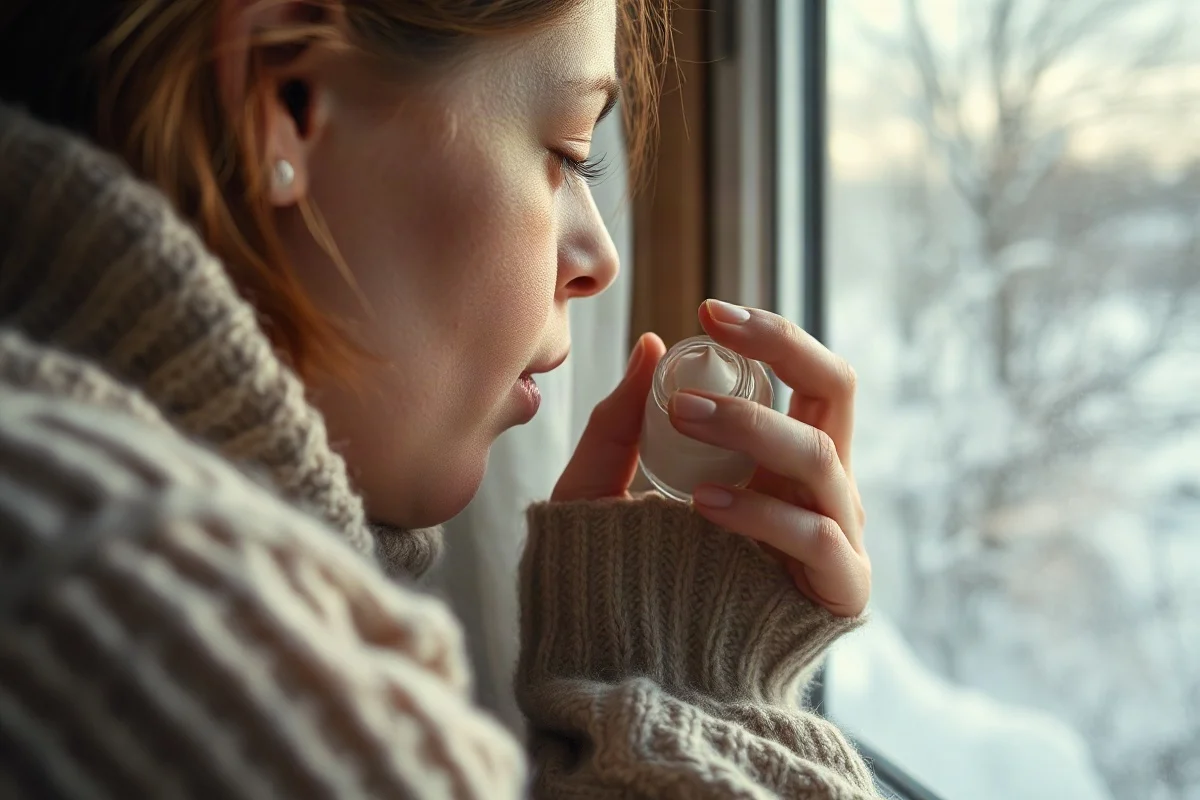
Cold weather can make dry skin around the eyes feel tighter, rougher, flakier, and more sensitive. Low humidity outdoors and heated indoor air both pull moisture from the skin, while wind and frequent rubbing can increase discomfort. A simple response is to use a gentle cleanser, apply a fragrance-free moisturizer or eye-area product to slightly damp skin, protect the area from wind and cold, and avoid adding irritating actives when the skin is already reactive.
The skin around the eyes is especially easy to overwhelm because it is thin and exposed to repeated movement from blinking and facial expressions. Winter does not necessarily create a new skin type, but it can make normal or combination skin behave as if it is much drier. The goal of seasonal care is not to promise a permanent change in dark circles, puffiness, or fine lines. It is to support a more comfortable skin barrier and improve the way dryness appears on the surface.
Why winter can make the eye area feel drier
Cold air generally holds less moisture than warmer air. When outdoor conditions are cold and dry, the skin may lose water more readily to the surrounding environment. Indoor heating can lower humidity further, especially in rooms that stay warm for long periods. This combination can leave the skin feeling tight soon after cleansing or throughout the day.
Wind adds another challenge. It can increase evaporation from the skin and make the area feel stinging or raw, particularly if the protective outer layer is already compromised. Snow glare, cold temperatures, and watery eyes may also encourage people to touch or wipe the area more often. Repeated rubbing can make flaking and redness look more noticeable and may temporarily intensify the appearance of puffiness.
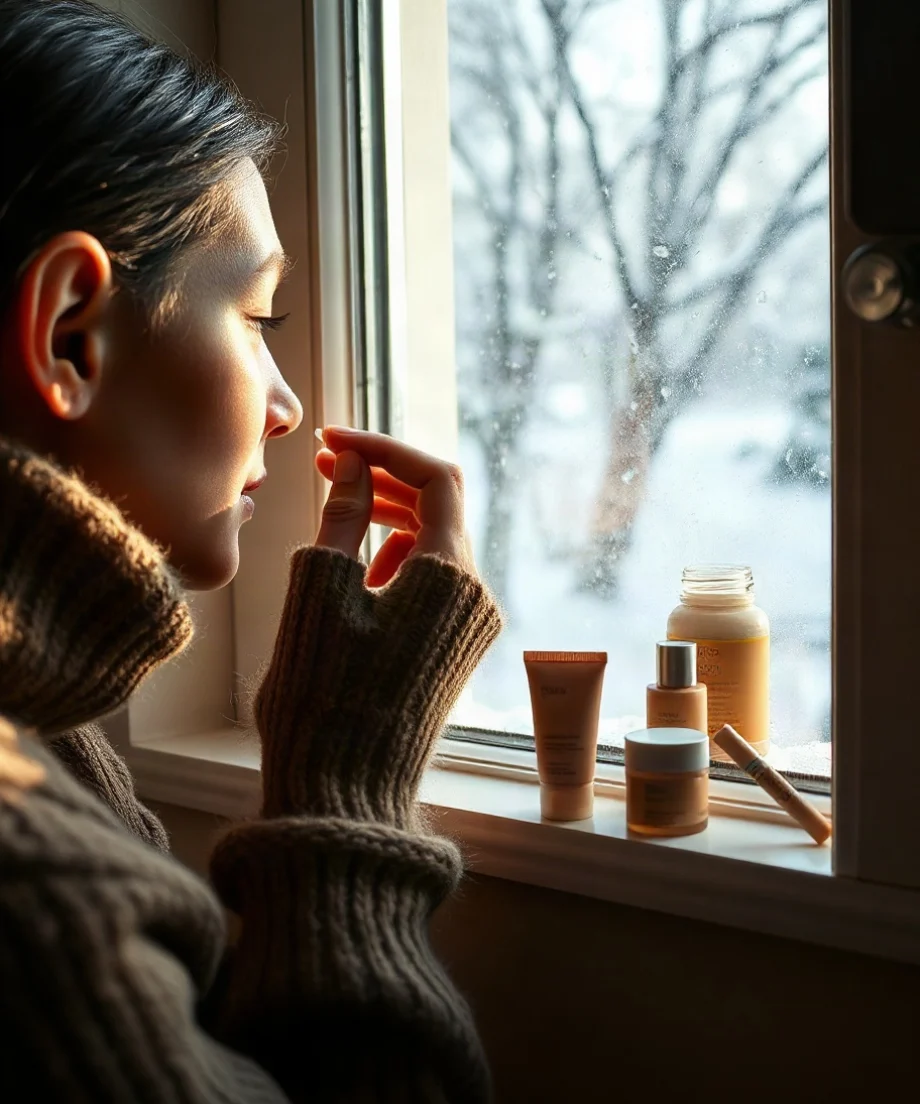
Winter habits can contribute as well. Long, hot showers, strong foaming cleansers, makeup removal with friction, and frequent use of exfoliating products can all leave the eye area less comfortable. None of these factors automatically indicate a medical condition, but persistent or severe symptoms deserve professional attention rather than more cosmetic products.
What dry skin around the eyes may look and feel like
Seasonal dryness can appear as fine flakes, rough texture, tightness, dullness, or makeup that settles into small lines more visibly. The area may feel uncomfortable when you smile or blink, and concealer may separate instead of looking smooth. These changes can make existing fine lines or dark circles seem more prominent without necessarily changing their underlying cause.
Dryness is different from every other source of under-eye concern. Dark circles can have several contributing factors, including visible blood vessels, shadows created by facial structure, pigment, and temporary changes in appearance. Puffiness may be related to sleep, fluid shifts, irritation, allergies, or other factors. A moisturizer can make dry texture look smoother, but it should not be presented as a guaranteed way to erase any of these concerns.
If the skin is intensely itchy, swollen, painful, blistered, persistently red, crusted, or affecting vision, stop experimenting with cosmetic products and consider speaking with a qualified healthcare professional. A skincare article cannot diagnose the cause of those symptoms.
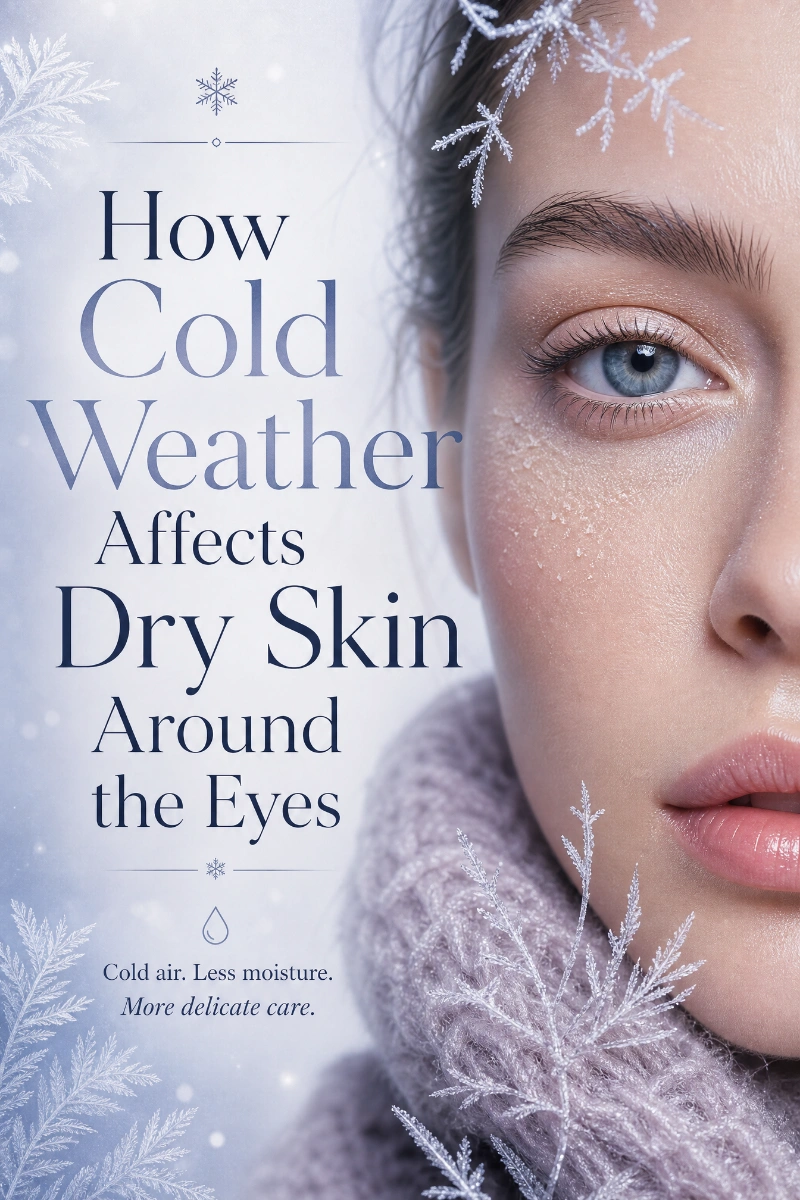
How to adjust your winter eye-area routine
Cleanse gently
Use lukewarm water rather than very hot water, and avoid scrubbing the eye area. If you wear makeup or sunscreen, choose a remover that allows the product to dissolve with minimal rubbing. Pressing a damp cotton pad against the skin briefly before wiping can reduce the need for repeated passes.
A cleanser does not need to leave the skin feeling squeaky or tight to be effective. If your usual cleanser suddenly feels harsh during winter, use less product, shorten the cleansing time, or consider a gentler option that is labeled for the face and suitable for the area around the eyes. Keep cleansers out of the eyes themselves unless the packaging specifically says otherwise.
Moisturize while the skin is slightly damp
After cleansing, gently pat rather than rub, leaving the skin slightly damp if that feels comfortable. Apply a small amount of moisturizer or an eye-area product by tapping it along the orbital area, following the product directions. Avoid placing skincare directly into the eye or too close to the lash line if the product tends to migrate.
For winter dryness, useful formula features may include humectants, emollients, and occlusive ingredients. Humectants such as glycerin can help attract water to the outer layers of skin. Emollients help soften rough-feeling areas, while occlusive ingredients can reduce water loss by forming a protective layer. The exact ingredients and texture that work best will vary, and a richer cream is not automatically better for every person.
For more background on common skincare ingredients, see our eye cream ingredient guide. Product formulas can change, so check the current packaging or the manufacturer’s ingredient list when a specific formula matters to you.
Use a protective layer when needed
On particularly cold or windy days, a slightly richer, fragrance-free moisturizer may help reduce the uncomfortable feeling of exposure. Apply it before going outside and give it time to settle before makeup. If you use a balm or ointment, keep it on the surrounding skin rather than in the eye, and follow the label’s directions.
Physical protection also matters. Sunglasses can help shield the area from wind and bright winter glare, while a hat or hood may reduce direct exposure. Sunglasses are not a replacement for sunscreen, but they can make it easier to avoid squinting and rubbing in harsh conditions.
Ingredients that may support a dry eye area
Several ingredient categories are commonly used in moisturizers and eye creams designed for dry-feeling skin:
- Glycerin and other humectants: These can help the outer skin hold onto water and may improve the feeling of tightness when included in a well-tolerated formula.
- Ceramides and skin-identical lipids: These are often included in barrier-supporting products. Their usefulness depends on the complete formula and how your skin responds.
- Shea butter and plant-derived emollients: These can add richness and help soften rough texture, though some people may prefer lighter textures.
- Squalane: This lightweight emollient can give a smoother feel without the same heaviness as some thicker creams.
- Panthenol: Often used in moisturizing formulas, it may help make a product feel more comfortable on dry skin.
Ingredient names alone cannot guarantee that a product will suit you. Fragrance, essential oils, preservatives, and other components may be tolerated by some people but irritating to others. If your eye area is sensitive, choose a product made for that region, follow the label, and patch test when appropriate. Stop using a product if it causes burning, worsening redness, swelling, or other irritation.
What to pause when the skin is irritated
When the area is flaky or stinging, it is usually sensible to simplify your routine instead of adding several new products. Consider pausing scrubs, exfoliating acids, strong fragrance, and potentially irritating brightening or anti-aging actives until the skin feels comfortable again. Products containing retinoids or other active ingredients can be useful in some routines, but they may be harder to tolerate during a period of dryness. Follow the product label and do not apply an active closer to the eyes than directed.
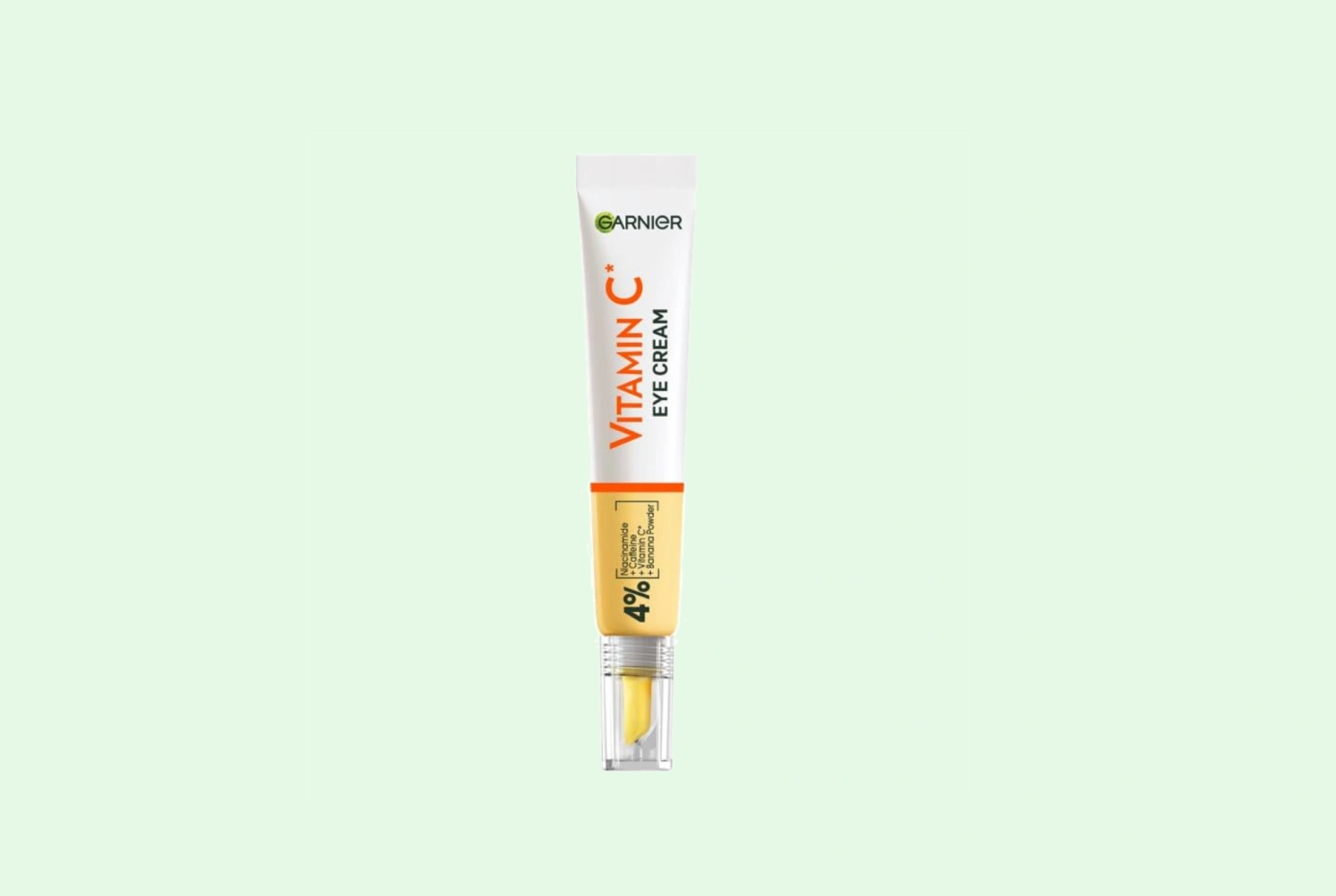
Vitamin C products can also vary widely in strength, acidity, and supporting ingredients. A formula that feels comfortable in summer may not feel as comfortable in cold, dry weather. If you use an active around the eye area, introduce it gradually, avoid combining multiple potentially irritating products at once, and stop if irritation develops. You can review general options through our sensitive skin eye-care guide.
How to choose a winter eye cream
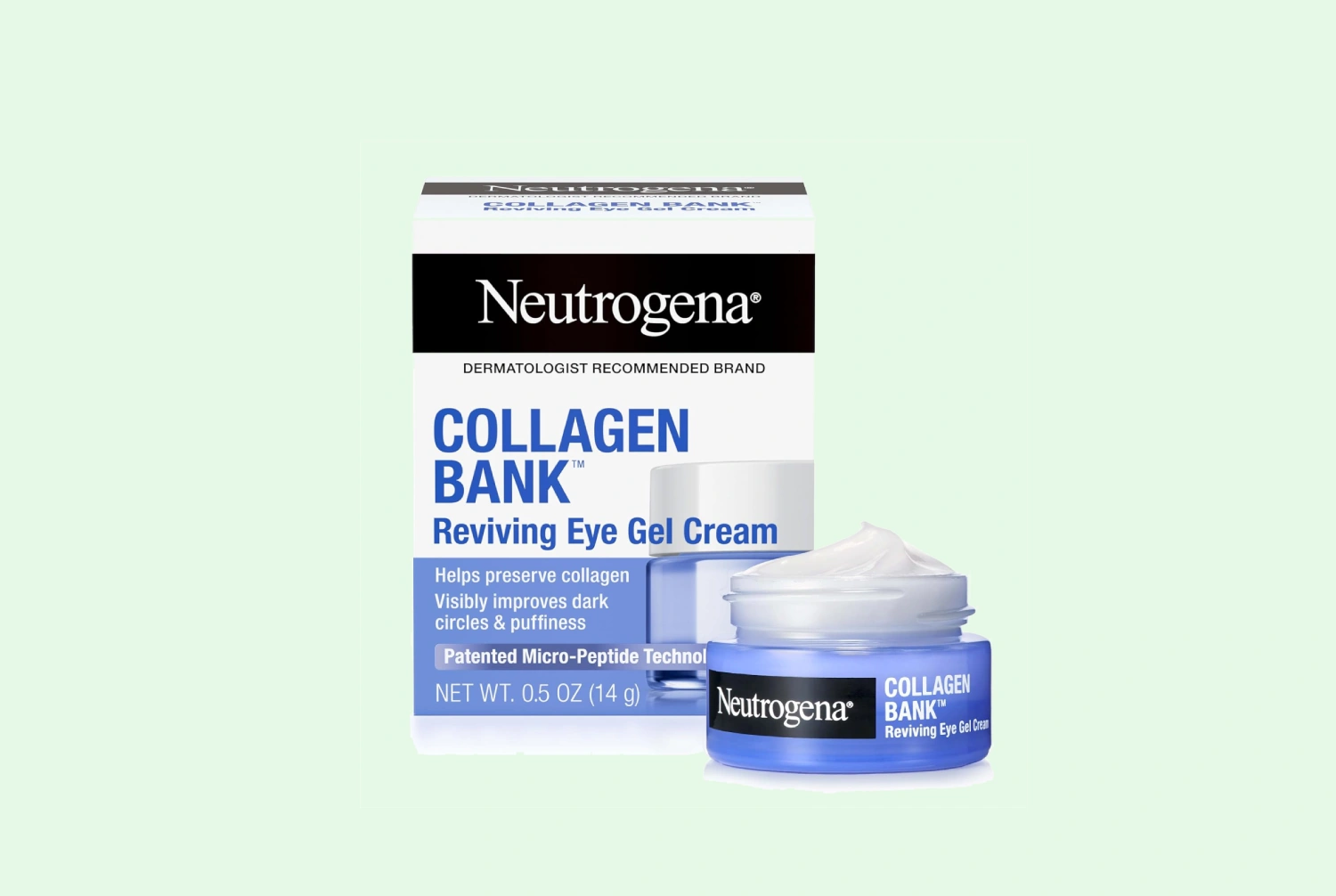
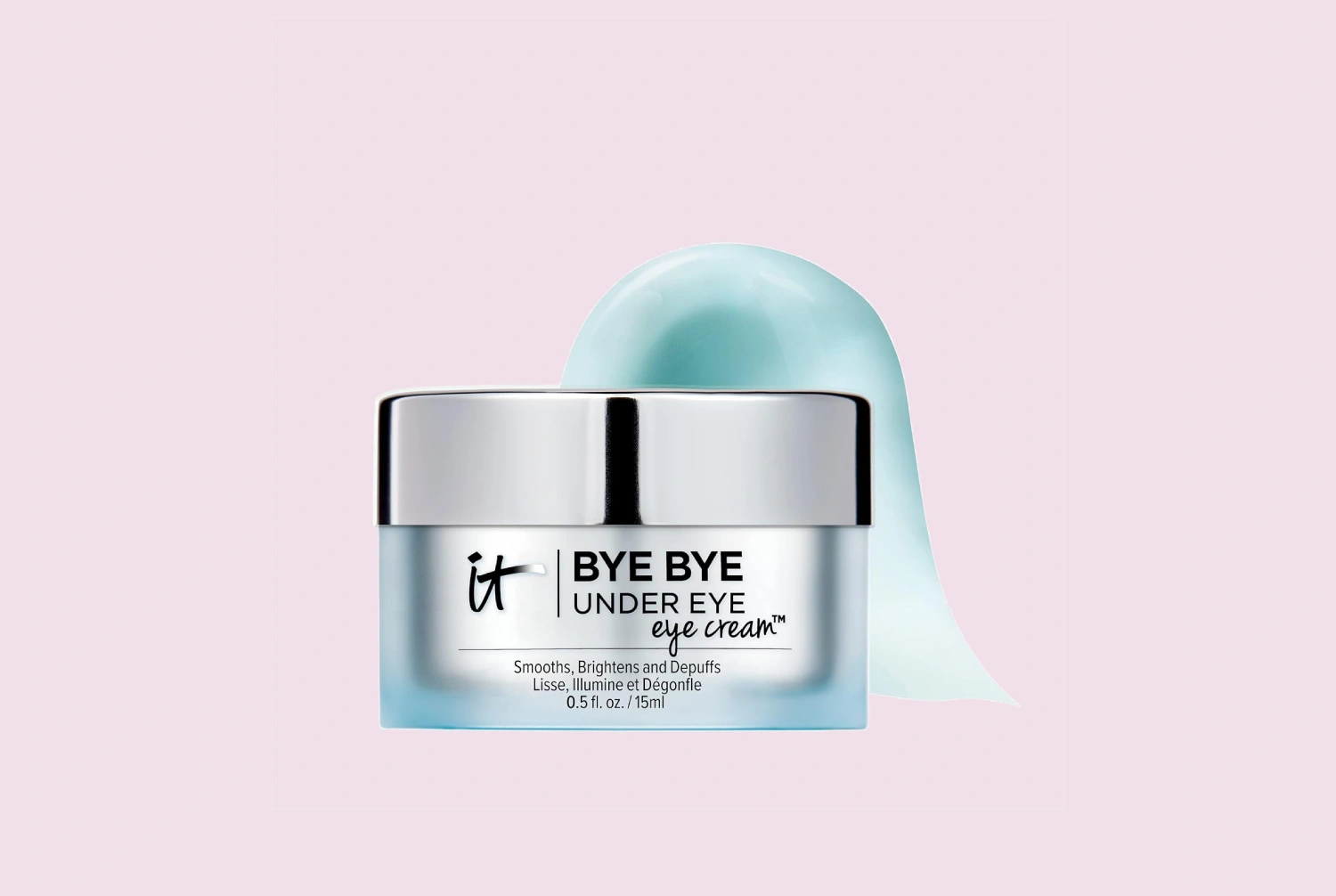
Look for a texture that provides enough comfort without causing milia-like bumps, heaviness, or eye watering for you. A cream may be more comfortable than a gel when the air is very dry, but personal preference and tolerance matter more than texture labels. Products marked fragrance-free may be worth considering if fragrance tends to bother your skin, although fragrance-free does not mean irritation is impossible.
Read the intended-use instructions. Some products are designed for the orbital area but not the eyelids, while others may be labeled for broader use. Check the current ingredient list because formulas can change after publication, and do not rely on an old review, product photo, or retailer description when a particular ingredient is important to you.
It may also help to keep your routine small: one gentle cleanser, one moisturizer, and daytime sun protection suitable for your skin. If you are comparing products, focus on texture, packaging, ingredient tolerance, and whether the product fits your routine rather than expecting a label to predict a guaranteed cosmetic result. Our under-eye routine builder can help organize those choices.
Application tips for less friction
- Use a small amount and add more only if needed.
- Tap product onto the orbital area with a clean finger instead of dragging the skin.
- Leave a small gap from the lash line if the product tends to migrate or make your eyes water.
- Wait for moisturizer to settle before applying concealer.
- Remove makeup slowly, using a product that breaks it down without repeated rubbing.
- Wash your hands before applying products near the eyes.
These steps cannot prevent every winter change, but reducing friction can help the area feel less stressed. If makeup is the main source of dryness, try using less product or a more flexible formula rather than repeatedly layering powder over flaky skin.
When seasonal dryness does not improve
If the skin remains uncomfortable after you simplify your routine and reduce exposure to cold, wind, and hot water, a healthcare professional may be able to evaluate the cause. Ongoing redness, swelling, scaling, itching, discharge, or pain should not be treated as a routine cosmetic issue. The same applies if symptoms are limited to one eye, appear suddenly, or interfere with daily activities.
For ordinary winter dryness, consistent basic care is often more useful than a long list of new products. Protect the area from the elements, moisturize regularly, avoid rubbing, and introduce potentially irritating ingredients cautiously. This approach may make dry texture look less noticeable and help the eye area feel more comfortable, while keeping expectations realistic about what skincare can and cannot change.

Comments
0No comments yet. Be the first to share a helpful note or question.
Leave a Comment
Your email address will not be published. Comments are reviewed before appearing on the site.