
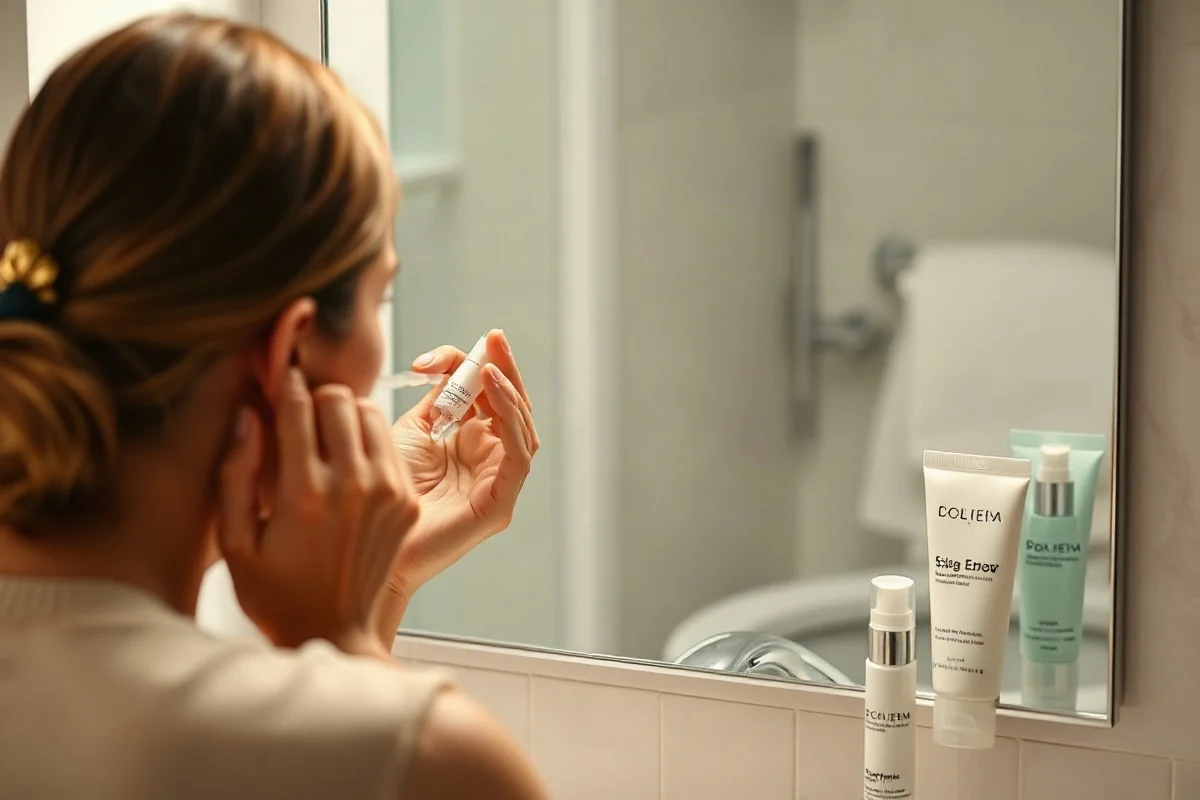
Hyaluronic acid can help the under-eye area look smoother by attracting and holding water near the skin’s surface. That added hydration may temporarily soften the appearance of dryness, fine lines, and a crepey texture. It does not remove dark circles, erase wrinkles, or treat puffiness, but it can make the skin look more comfortable and supple when dryness is contributing to an uneven appearance.
The under-eye area is especially prone to looking dry because the skin is delicate and has fewer oil-producing structures than many other areas of the face. Repeated cleansing, dry air, sun exposure, rubbing, and irritating products can all make dehydration more noticeable. A well-formulated product containing hyaluronic acid may be one useful step in a simple eye-area routine.
What hyaluronic acid does for under-eye skin
Hyaluronic acid is a humectant, which means it helps attract water. In skincare, it is used to support a hydrated-looking surface rather than to exfoliate, brighten, or stimulate the skin in the same way as some other active ingredients. You may also see it listed on an ingredient label as sodium hyaluronate or another form of hyaluronic acid.
When the outer layer of the skin has enough water, it can appear softer and more flexible. Fine lines caused or emphasized by dryness may look less pronounced, and makeup may sit more evenly. This is a cosmetic change in appearance, not a permanent correction of the underlying structure of a wrinkle.
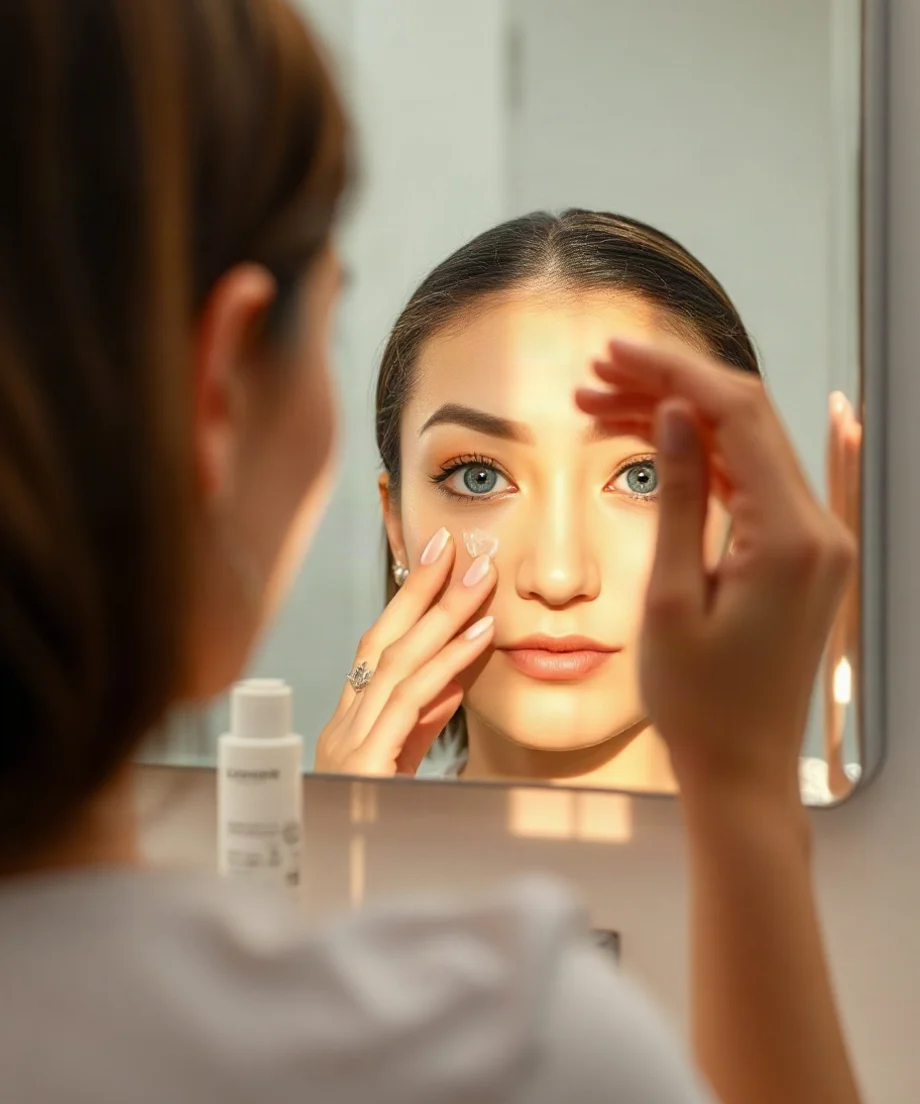
Hyaluronic acid is naturally associated with skin and other tissues, but the presence of a skincare ingredient does not mean a topical product can reproduce every function it has in the body. Its practical role in an eye cream or serum is generally hydration support. If you want to compare it with other ingredients commonly used around the eyes, our eye cream ingredient guide offers a broader starting point.
Why hydration can make fine lines look softer
Dehydrated skin often has a rougher, tighter, or more crinkled appearance. Around the eyes, where natural facial movement is frequent, this texture can make small lines stand out more. Applying a hydrating product can temporarily improve the look of the surface by reducing the visual emphasis of dryness.
This effect is best understood as a change in skin appearance. Hyaluronic acid does not permanently fill lines, rebuild lost collagen, or stop the normal development of expression lines. It may help the area look smoother while the skin remains hydrated, but the result can vary with the product, the rest of the routine, the environment, and the condition of the skin.
Hydration can also improve how concealer looks. When the under-eye area is very dry, makeup may collect in fine lines or highlight flaky patches. Using a small amount of an appropriate moisturizer or eye product before makeup may help create a more even-looking base. Allow the product to settle, and avoid applying so much that makeup slips or pills.
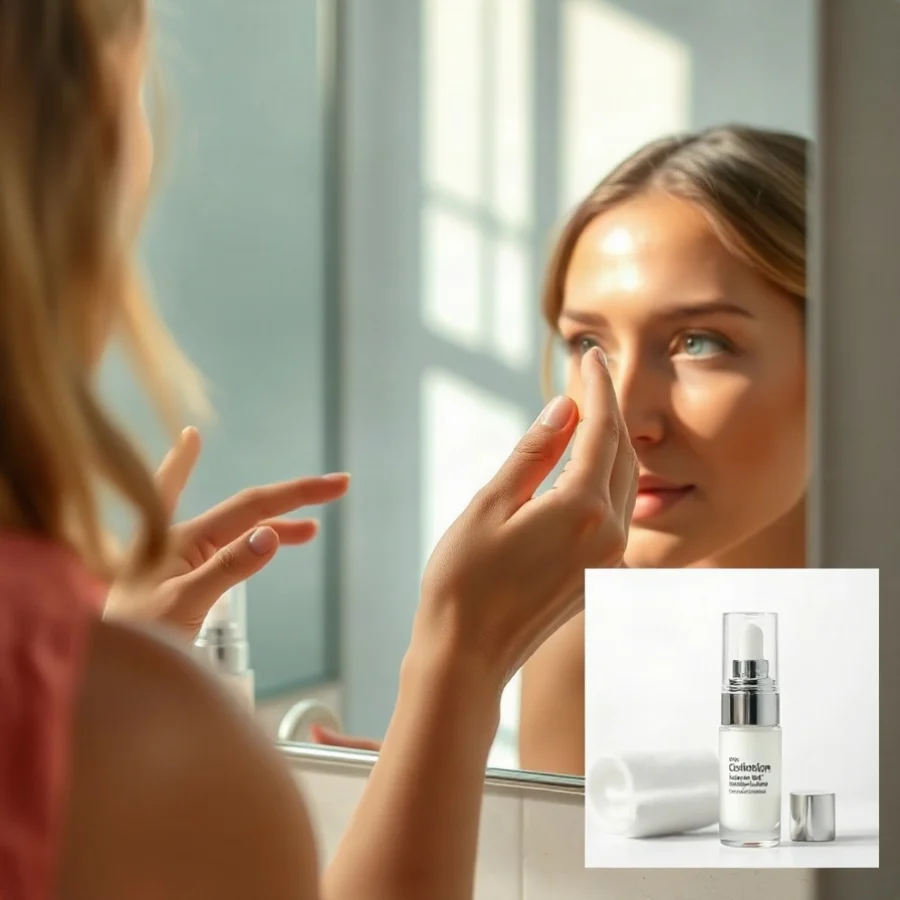
Can hyaluronic acid help dark circles?
Hyaluronic acid is not a dedicated dark-circle treatment. Dark circles can have several visible contributors, including shadows from the shape of the under-eye area, visible blood vessels, brown or gray-brown pigmentation, thin-looking skin, irritation, and temporary dehydration. One ingredient is unlikely to address all of these factors.
If dryness is making the area look dull or crepey, hydration may make the skin appear fresher and more even. That can make dark circles seem less noticeable in some situations, but it does not mean hyaluronic acid has removed the discoloration. Changes in lighting, sleep, facial expression, and makeup can also alter how dark circles appear from day to day.
For a more detailed explanation of the different ways under-eye darkness may appear, visit our guide to dark circles. If the color or appearance changes suddenly, is limited to one side, or comes with pain, swelling, a rash, or vision changes, consider seeking medical advice rather than relying on cosmetic skincare.
Can it reduce puffiness?
Hyaluronic acid is not a de-puffing ingredient in the same sense as a product designed specifically for the temporary appearance of morning swelling. Because it hydrates, it may improve the look of dry skin surrounding a puffy area, but it should not be expected to remove under-eye bags or change the anatomy that creates a persistent bulge.
Under-eye puffiness can be influenced by fluid retention, sleep, allergies, irritation, facial structure, and other factors. A cool compress, avoiding rubbing, and using a gentle routine may be more relevant for temporary puffiness, depending on the cause. Cosmetic products should not be used to diagnose or treat unexplained swelling. Our coverage of puffiness and eye bags discusses appearance-focused options and limitations.
How to use hyaluronic acid around the eyes
Apply a small amount
The under-eye area does not need a large quantity. Use the amount directed on the product label and apply it gently along the orbital area, avoiding direct contact with the eyes and the inner eyelid unless the product specifically says it is intended for that location. Patting lightly is usually more appropriate than rubbing, especially when the skin feels sensitive.
Follow with a moisturizer when needed
Hyaluronic acid works as a water-attracting ingredient, but a hydrating routine usually includes more than one type of ingredient. A moisturizer can help support the skin barrier and reduce the feeling of dryness. If the air is very dry or the product leaves the area feeling tight, layering a simple moisturizer over it may be useful.
However, more layers are not always better. Multiple products can increase the chance of pilling, stinging, or getting too close to the eyes. Start with a simple routine and add only what the skin appears to tolerate.
Use it on slightly damp skin if the label allows
Many people apply humectant products to slightly damp skin, then follow with a moisturizer. This can be a practical approach, but the product’s directions should take priority. Damp skin does not guarantee a better result, and applying too much product can leave a sticky finish or cause makeup to move.
Be consistent without overapplying
Hyaluronic acid generally fits easily into a morning or evening routine, depending on the product directions. A consistent, comfortable routine is more useful than repeatedly adding products when the skin still looks dry. If the under-eye area becomes irritated, stop using the product and simplify the routine until the skin feels settled.
What to look for when choosing an eye product
Ingredient lists can help you identify whether a product contains hyaluronic acid, but the ingredient alone does not tell you how the finished product will feel or perform. Look for packaging that clearly identifies the product as intended for the eye area, and consider the rest of the formula as well.
- A comfortable texture: A lightweight gel, cream, or balm may work differently depending on your skin type and makeup routine.
- Barrier-supporting ingredients: Ingredients such as glycerin, ceramides, or emollients may complement a humectant-focused formula, although the exact formula matters.
- Minimal fragrance if you are sensitive: Fragrance is not automatically a problem for everyone, but fragrance-free options may be worth considering if the eye area often stings or reacts.
- Clear directions: Follow the label’s instructions for where and how often to apply the product.
- Current ingredient information: Formulas can change, so verify the current packaging or the manufacturer’s ingredient list when a specific ingredient or product detail matters.
Do not assume that a product is suitable for the eye area simply because it contains hyaluronic acid. A face serum may include other ingredients that are more likely to sting near the eyes, and a product labeled for the eye area may still not suit every person.
Hyaluronic acid and potentially irritating actives
Hyaluronic acid itself is commonly used in hydrating routines, but the full product formula determines how your skin responds. Some eye products combine hydration ingredients with retinoids, exfoliating acids, vitamin C derivatives, fragrance, or other active ingredients. These additions may be useful for particular cosmetic goals, but they can also increase the chance of irritation.
Follow the product label, introduce one new active product at a time, and consider a patch test when appropriate. Keep products out of the eyes. If you notice burning, persistent redness, worsening dryness, swelling, or a rash, stop using the product. Seek medical care for severe or ongoing symptoms, especially if the eyes themselves are affected.
For people with a reactive skin barrier, a basic fragrance-free moisturizer may be a better first step than a routine with several active ingredients. You can also use our sensitive-skin eye care guide to review gentler routine considerations.
What results are realistic?
With regular use, a hyaluronic-acid product may help the under-eye area look more hydrated, softer, and temporarily smoother. The most noticeable change may be reduced emphasis on dryness rather than a dramatic change in color, puffiness, or established lines.
Results can be subtle. They may also fade when you stop using the product or when the skin becomes dry again. Environmental conditions, cleansing habits, sunscreen use, sleep, allergies, and other routine choices can influence the appearance of the under-eye area. No topical product can guarantee the same result for every person.
Hyaluronic acid is therefore best viewed as a supportive hydration ingredient, not an all-purpose solution for every under-eye concern. Pairing it with gentle cleansing, regular sun protection around—but not in—the eyes, and a moisturizer suited to your skin can create a more balanced routine. If you are unsure which steps fit your needs, our under-eye routine builder can help organize the basics without requiring a complicated lineup.




Comments
0No comments yet. Be the first to share a helpful note or question.
Leave a Comment
Your email address will not be published. Comments are reviewed before appearing on the site.