
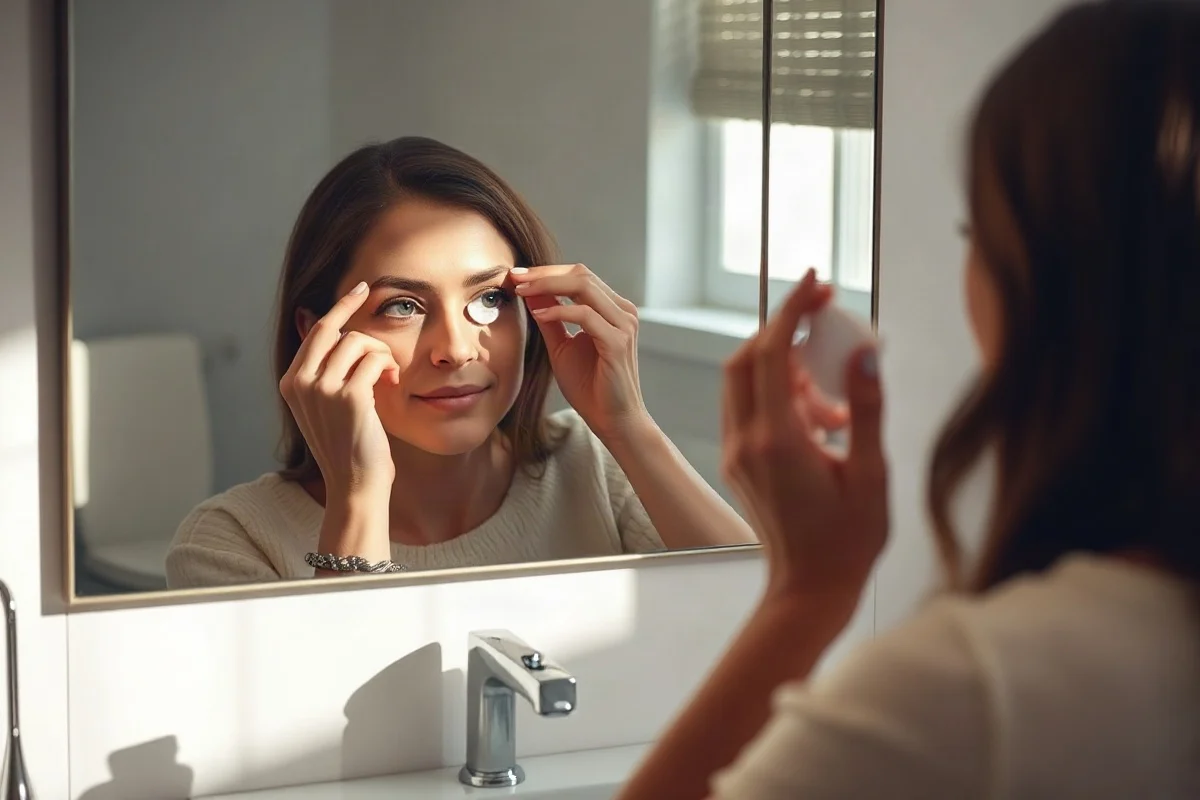
Most people should test an eye cream for at least two to four weeks before judging basic hydration and comfort, while concerns such as fine lines, uneven tone, and the appearance of dark circles may require eight to twelve weeks of consistent use. That timeline is not a guarantee, and it does not apply to every formula or skin concern. If an eye cream causes burning, swelling, a rash, persistent redness, or worsening irritation, stop using it rather than waiting for the trial period to end.
Evaluating an eye cream takes more than looking in the mirror the morning after the first application. The under-eye area can look different from day to day because of sleep, allergies, dehydration, rubbing, sun exposure, makeup, and even lighting. A useful test separates short-term cosmetic effects from changes that may need several weeks of regular use.
What you can reasonably judge in the first few days
The first several uses are mainly about tolerance, texture, and immediate cosmetic performance. They are not usually enough time to decide whether an eye cream has meaningfully changed the appearance of dark circles or fine lines.
Comfort and irritation
Pay attention to how the product feels during application and over the next several hours. A suitable formula should not cause ongoing stinging, intense itching, unusual warmth, or increasing redness. Mild sensitivity can sometimes be difficult to interpret, especially if the product contains potentially irritating actives, fragrance, or a high number of botanical ingredients. The skin around the eyes is delicate, and a product that feels acceptable on the cheeks may not feel comfortable near the eyes.

Follow the product label, keep the formula out of the eye itself, and consider a small patch test before applying it more broadly. If irritation develops, discontinue use. Seek medical advice for significant or persistent symptoms, particularly swelling, pain, vision changes, or a reaction that does not improve after stopping the product.
Moisture and surface smoothness
Humectants, emollients, and occlusive ingredients can make the under-eye area feel softer or look temporarily smoother soon after application. This effect may be noticeable within hours or days. Hydration can also make fine lines appear less prominent because dry surface texture catches light differently. These are cosmetic appearance changes, not proof that the product has permanently altered the skin.
Notice whether the eye cream works comfortably under your usual sunscreen or makeup. Pilling, excessive shine, heaviness, or migration into the eyes may matter more to your routine than a theoretical ingredient list. A product that is difficult to use consistently may not be a practical choice, even if its ingredient profile looks appealing.
A realistic testing timeline
There is no universal deadline for every eye cream. The time needed depends on the concern, the active ingredients, how often the product is used, and whether other products in the routine are changing at the same time. The following timeline offers a practical framework rather than a promise of results.
Days 1 through 7: assess tolerance and routine fit
During the first week, focus on whether the formula feels comfortable and whether it works with the rest of your routine. Use only the amount directed on the packaging and avoid applying it too close to the lash line if the product tends to migrate.
At this stage, you may notice temporary moisturization, a smoother surface, or a short-lived refreshed appearance. You may also notice problems such as dryness, pilling, clogged-feeling texture, watery eyes, or irritation. These observations are useful, but they do not establish whether the product will improve the look of persistent dark circles or fine lines over time.
Weeks 2 through 4: look for consistency
After two to four weeks of consistent use, you can make a more informed assessment of hydration, comfort, and day-to-day usability. If the eye cream is intended mainly to moisturize, this may be enough time to decide whether it improves the look of dryness and surface texture for you.
Try to compare the under-eye area under similar conditions. Similar lighting, similar time of day, and similar skin preparation can make changes easier to interpret. Avoid judging based on one unusually well-rested morning or one night of poor sleep. You can keep brief notes about dryness, makeup wear, irritation, and visible puffiness without turning the process into a complicated experiment.
Weeks 8 through 12: assess slower cosmetic changes
Concerns involving the appearance of fine lines, uneven tone, or dullness often require a longer observation period. Eight to twelve weeks may provide a more reasonable point for deciding whether a formula is contributing to a visible cosmetic difference, provided it has been used consistently and tolerated well.
Some active ingredients may require gradual introduction. Retinoids, exfoliating acids, and certain brightening ingredients can be more irritating around the eyes than on other areas of the face. Use the schedule on the label, do not increase frequency simply because you want faster results, and consider a basic moisturizer on days when the skin feels dry. If irritation persists or intensifies, stop using the product and reassess rather than pushing through it.
Why dark circles can be difficult to judge
Dark circles are not one uniform cosmetic concern. Their appearance can be influenced by visible blood vessels, shadows from the eye area’s natural shape, differences in pigmentation, thin-looking skin, dryness, fatigue, allergies, and other factors. An eye cream may support hydration or temporarily improve the look of dullness without changing every factor that contributes to the appearance.
Under-eye shadows can also look more noticeable when the face is puffy or when overhead lighting creates a hollow effect. Before deciding that a product has failed, consider whether the concern is mostly color, shadow, puffiness, texture, or a combination. Our guide to dark circles can help organize those differences without treating them as a medical diagnosis.
A change in the appearance of the under-eye area can sometimes be related to allergies, eczema, irritation, or another health concern. Skincare products are not a substitute for diagnosis or treatment. If discoloration, swelling, itching, or a noticeable change is persistent or concerning, ask a qualified health professional for guidance.
How to test an eye cream fairly
Change one major product at a time
Introducing several new products makes it difficult to identify what caused an improvement or a reaction. If possible, keep the rest of your routine stable while evaluating the eye cream. This is especially helpful when adding a potentially irritating active.
Use it consistently, but not excessively
Follow the label’s directions for amount and frequency. Applying more product will not necessarily speed up a cosmetic change and may increase the chance of migration or irritation. Consistency matters more than a heavy application.
Keep the application area controlled
Apply the product to clean, dry skin unless the label says otherwise. Avoid getting it directly into the eyes. Wash your hands before application and keep the container closed as directed. If you use other products around the same area, leave enough time between layers if that helps prevent pilling.
Take comparable photos if you want a visual record
Photographs can be useful, but only when the conditions are reasonably consistent. Try using the same room, camera distance, facial expression, and lighting. Do not use filters or compare a bright, front-facing photo with a shadowed image from a different day. Even then, photographs show appearance rather than proving a product caused a specific change.
When an eye cream may not be the right match
Stop a product if it causes significant burning, swelling, hives, a rash, persistent redness, or other concerning symptoms. For milder but repeated dryness or stinging, pausing the product may help you determine whether it is contributing to the problem. Do not continue using an irritating formula solely because you have not completed an eight- or twelve-week trial.
A product may also be a poor match if it repeatedly pills under makeup, feels too heavy, causes watery eyes, or does not suit your preferred routine. These practical issues are valid reasons to choose a different formula. Skin type can help guide that decision: a richer texture may feel comfortable on dry skin, while a lighter lotion or gel may be preferable for people who dislike an occlusive finish. You can compare general considerations in our guides to eye creams for sensitive skin and eye creams for dry skin.
How ingredients affect the waiting period
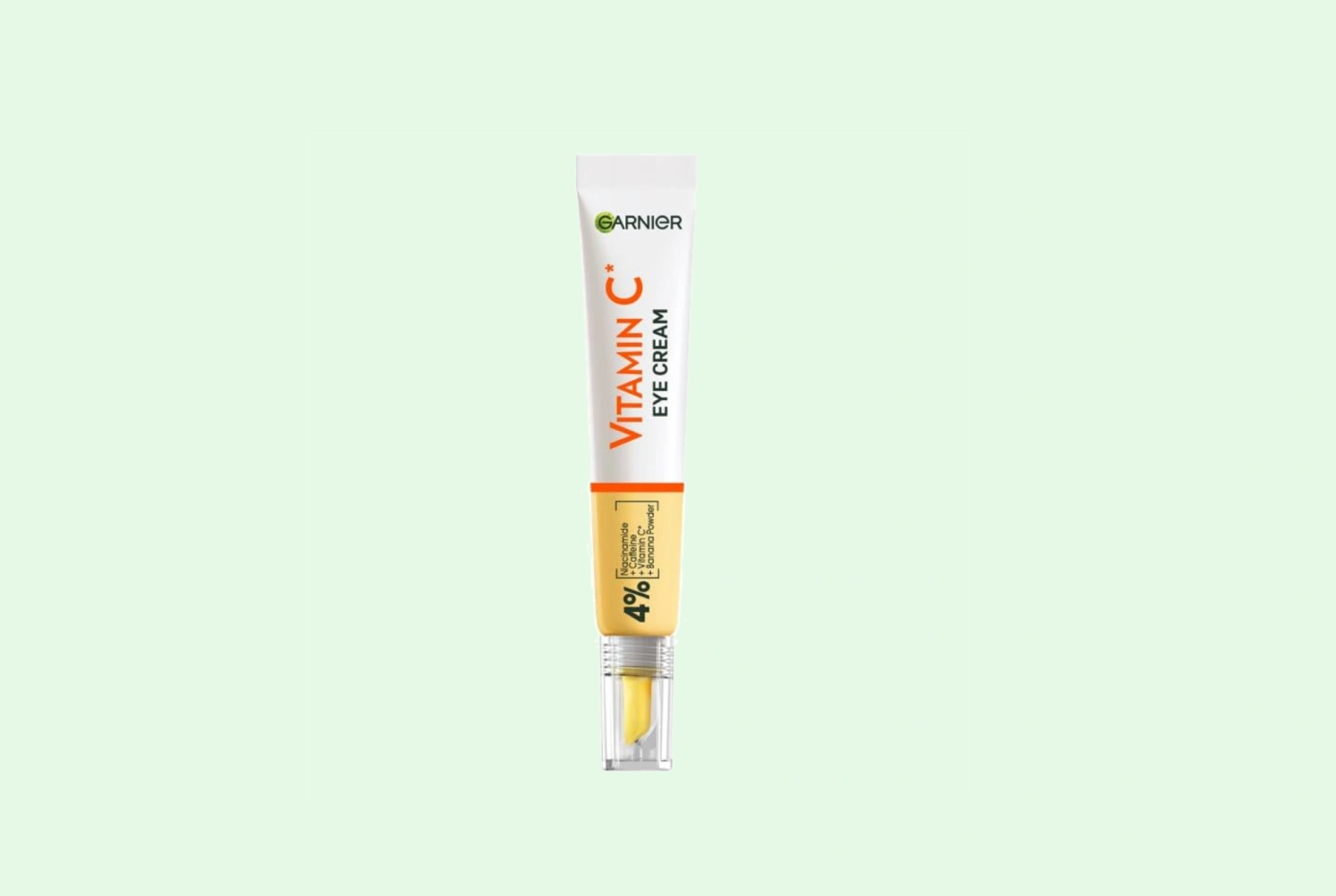
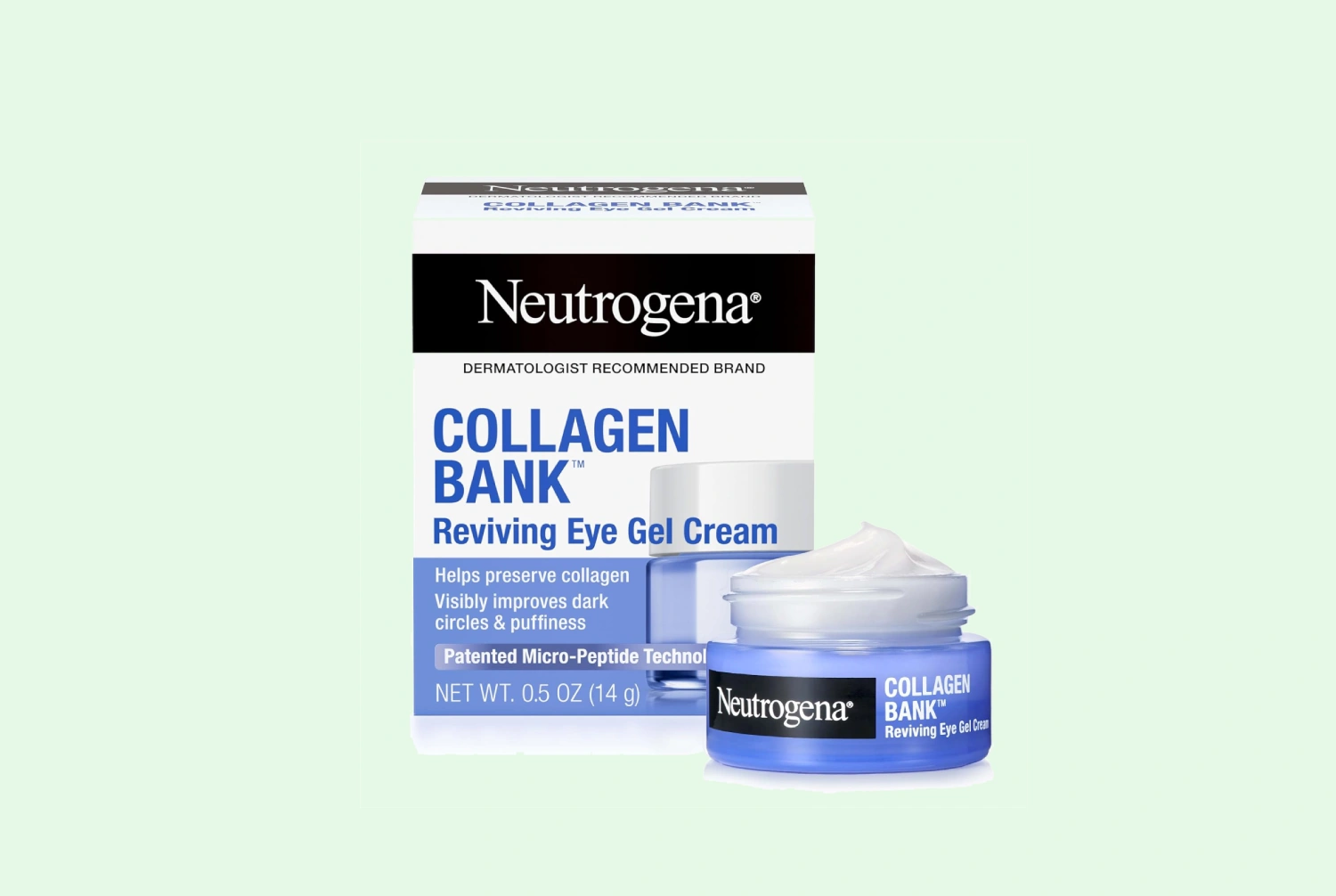
Moisturizing ingredients can produce the quickest visible difference because they change how the skin surface holds water and reflects light. Caffeine-containing formulas may create a temporary refreshed appearance for some users, but the result should not be treated as a permanent change to puffiness or under-eye structure.
Brightening ingredients may take longer to evaluate, and the appropriate timeline depends on the specific ingredient and formula. Retinoid-based products typically call for extra caution near the eyes because dryness and irritation are possible. The current packaging should be your primary source for directions, warnings, and frequency.
Formulas can change over time. Before relying on an older review or product description, check the current packaging and the manufacturer’s ingredient list for the product you are considering. Our eye cream ingredient guide provides general background, but it cannot replace the current label.
How to decide after the trial
At the end of your testing period, ask four practical questions:
- Did the product remain comfortable with the recommended use?
- Did it improve hydration, texture, or another specific cosmetic concern?
- Can you use it consistently with sunscreen, makeup, and the rest of your routine?
- Does the visible change justify keeping it, even if it is modest?
A useful result may be subtle. The product might reduce the look of dryness, help concealer apply more evenly, or make the under-eye area appear temporarily smoother. Those outcomes can be worthwhile, even if the eye cream does not dramatically change dark circles. On the other hand, if there is no noticeable benefit after a reasonable, well-tolerated trial, or if the product creates ongoing irritation, it is reasonable to move on.
The best testing period is long enough to observe a consistent cosmetic pattern but not so long that you ignore an adverse reaction. Start by judging comfort and routine fit, allow several weeks for hydration and texture, and give slower concerns more time when the formula is tolerated. Keep expectations realistic, verify current product information, and remember that an eye cream can support the appearance of the under-eye area without diagnosing or treating the reasons it looks different.

Comments
0No comments yet. Be the first to share a helpful note or question.
Leave a Comment
Your email address will not be published. Comments are reviewed before appearing on the site.