
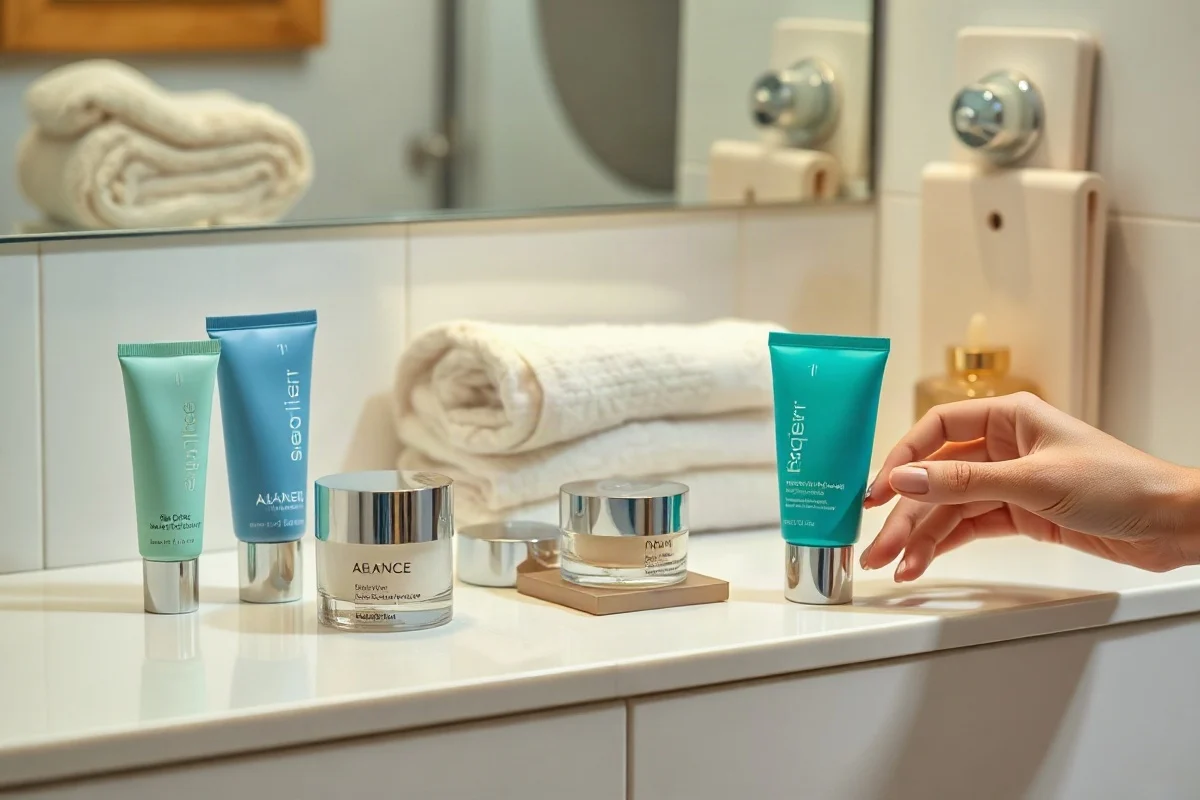
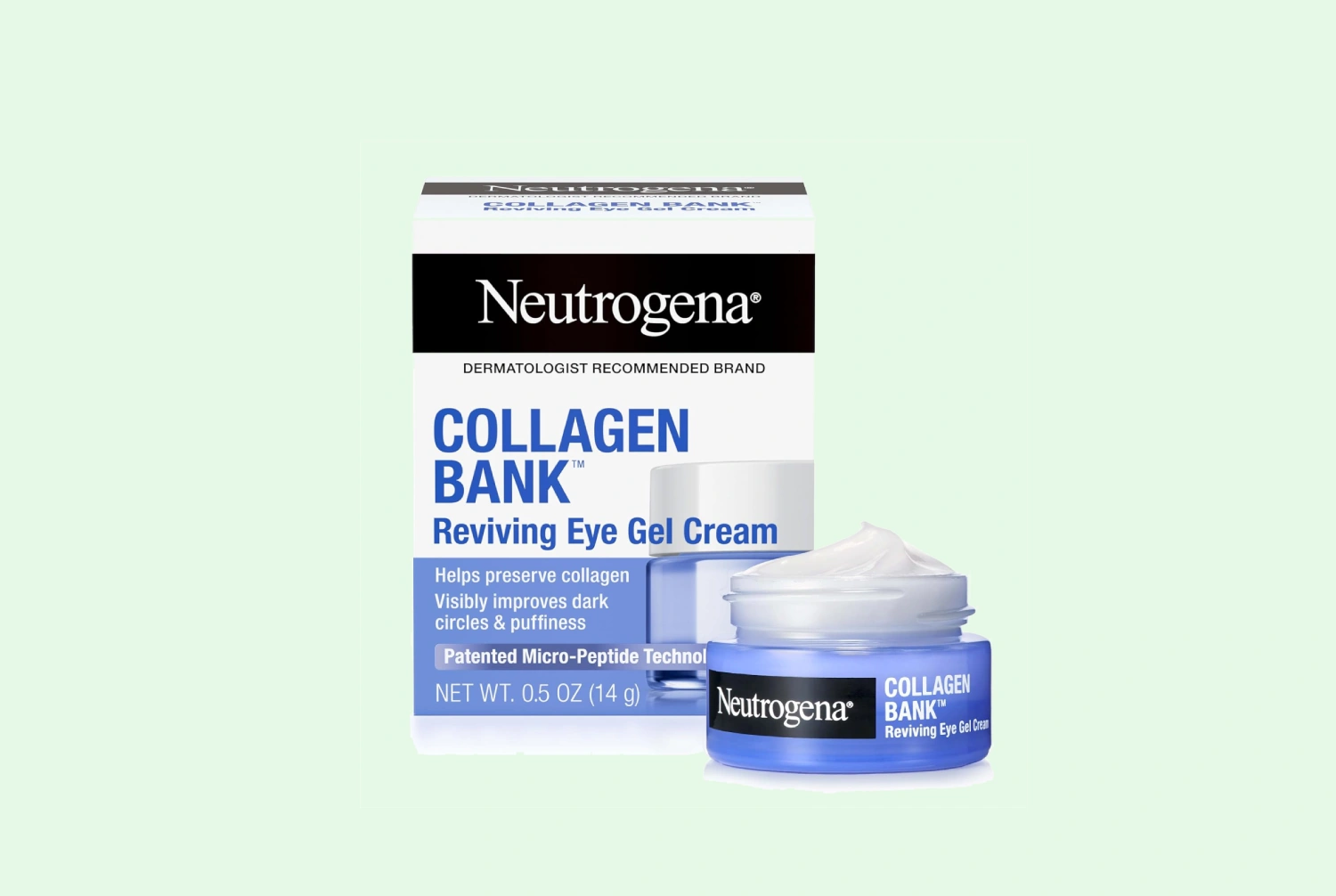
You usually do not need to spend a lot on an eye cream. For many people, a well-formulated drugstore product can provide enough moisturization and cosmetic support for the under-eye area. A higher price may make sense for a texture, packaging style, or ingredient combination you prefer, but cost alone does not guarantee better results. The best budget is one that allows you to use a suitable product consistently without irritating your skin or paying for claims that do not match your needs.
Eye creams are not automatically more effective because they cost more than a regular facial moisturizer. The eye area is delicate, and some people prefer a lighter texture or a formula designed to minimize stinging near the eyes. However, the most useful choice depends on your concern—such as dryness, the appearance of puffiness, fine lines, or certain types of dark circles—along with your skin's tolerance and the product's current ingredient list.
What are you really paying for?
The price of an eye cream can reflect several factors besides the ingredients that affect the skin's appearance. Packaging, branding, retailer costs, fragrance, texture development, added botanical ingredients, and airless or specialized containers may all influence the final cost. Some of these features may improve your experience, but they do not necessarily make the product a better match for your under-eye area.
Instead of treating price as a measure of performance, consider whether the formula offers the qualities you actually need:
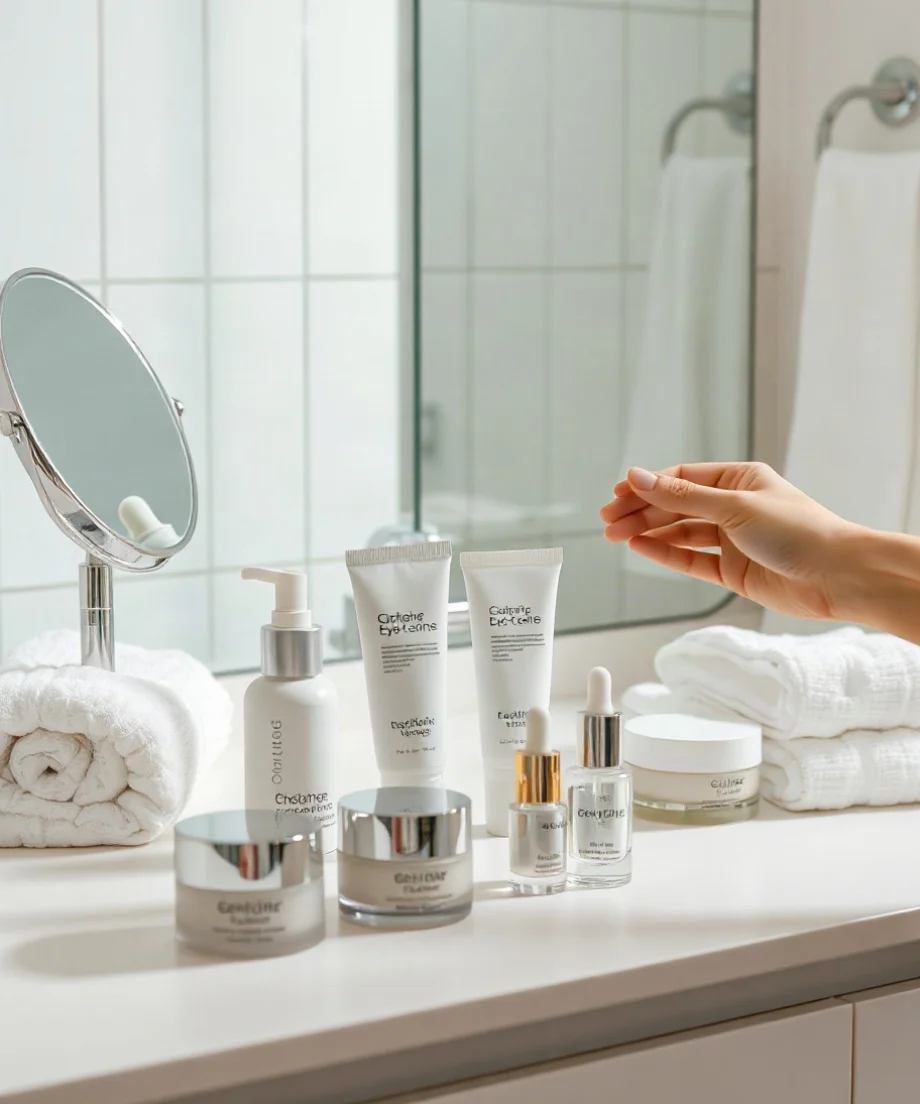
- A comfortable texture that does not feel overly heavy or migrate into the eyes
- Moisturizing ingredients that suit your skin type
- A well-tolerated active ingredient, if you want to address the appearance of a particular concern
- Packaging that helps you dispense a small amount hygienically
- Clear directions and reasonable expectations
Ingredient lists and formulas can change, so check the current package and manufacturer information before buying. A product description from an older review or retailer page may not reflect what is currently being sold.
When a drugstore eye cream may be enough
A drugstore eye cream may be a sensible starting point if your main goal is to reduce the look of dryness, improve surface softness, or add lightweight moisture beneath makeup. These cosmetic benefits do not require a luxury price tag. A simple formula can be useful if it feels comfortable and helps prevent the area from looking rough or dehydrated.
If your under-eyes are dry, look for moisturizing and skin-conditioning ingredients such as humectants, emollients, and occlusives. Common examples include glycerin, hyaluronic acid, squalane, ceramides, and various plant or mineral-derived emollients. The specific ingredient combination matters more than whether the product is sold at a drugstore or in a department store.
For a broader explanation of what common ingredients do, you can use the site's eye cream ingredient guide. It can help you compare formulas without assuming that a longer ingredient list is automatically better.
When spending more might be reasonable
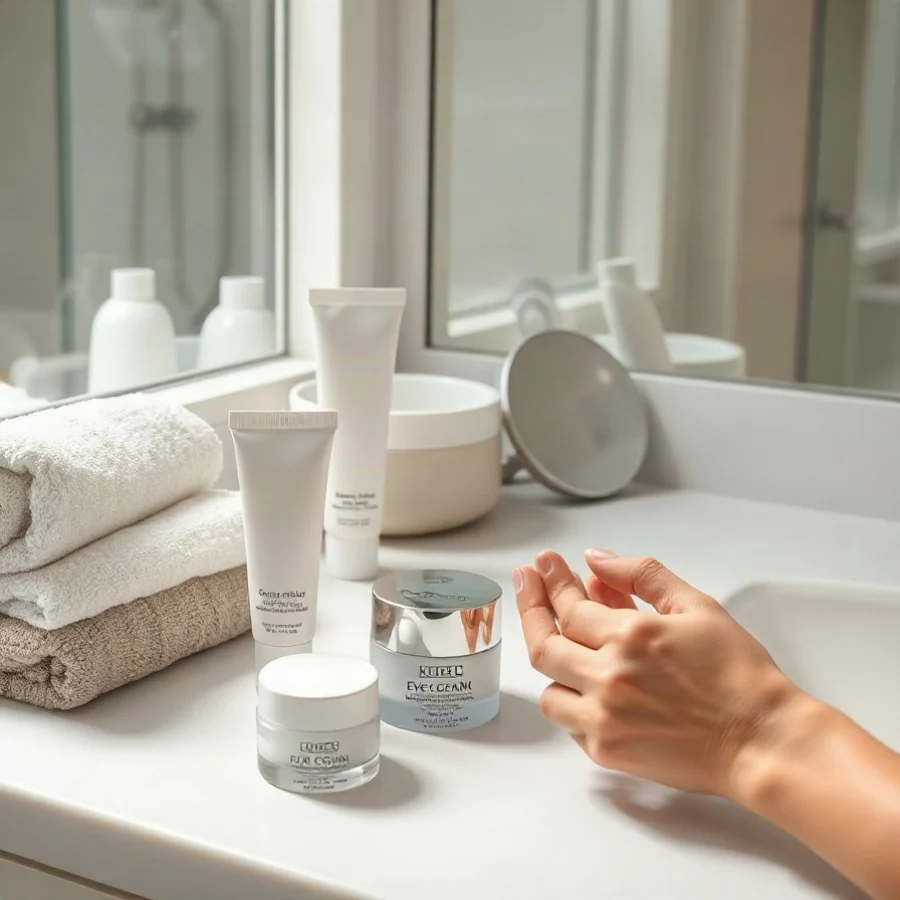
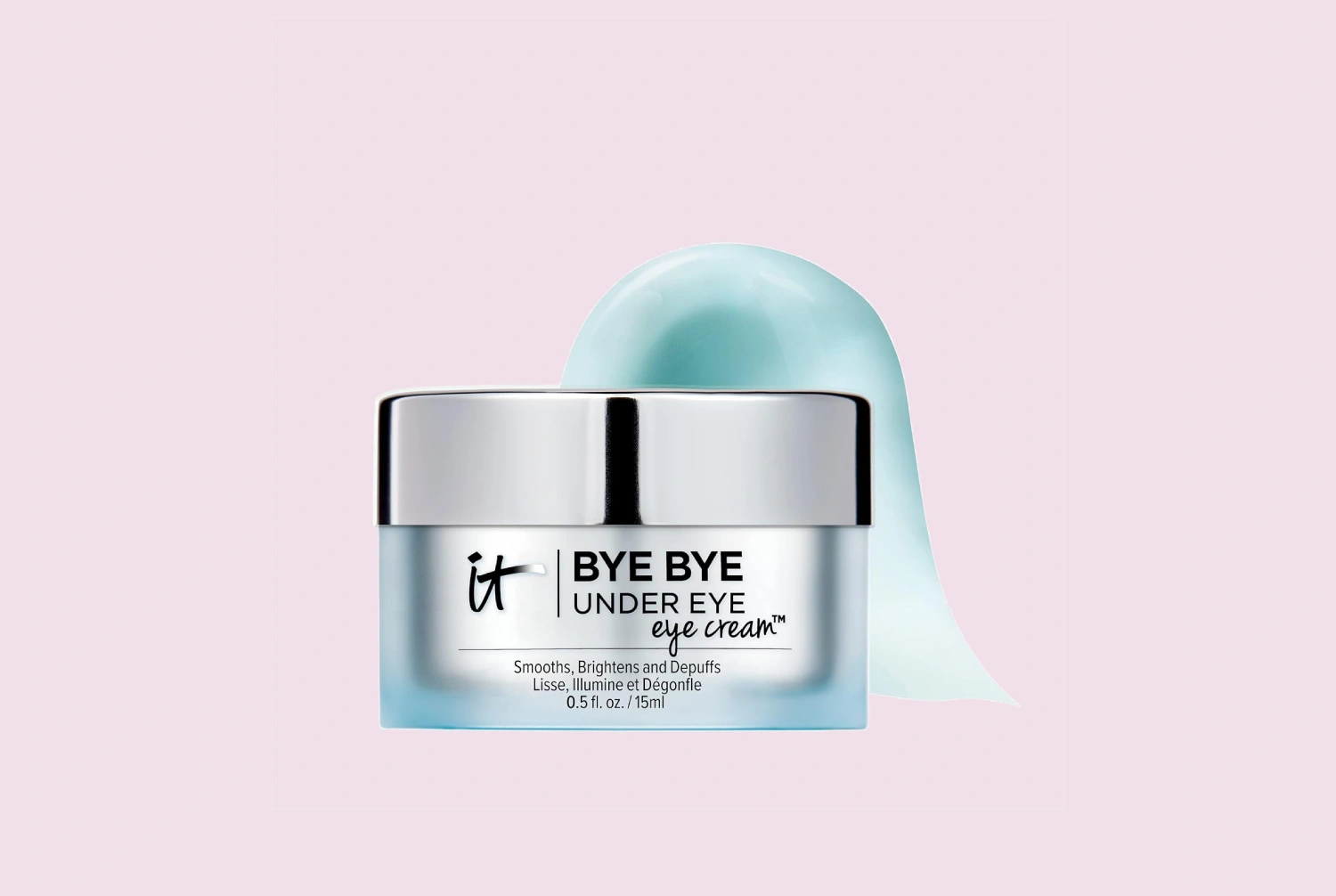
A more expensive product may be worth considering when it offers a feature that matters to you and that you are likely to use consistently. For example, you might prefer a particular texture, a fragrance-free option, a package that dispenses small amounts, or a formula that combines moisturizers with an active you have already chosen to use carefully.
Paying more can also make sense when you have tried less expensive products and found that their texture, finish, or level of moisturization does not work for you. Personal comfort is relevant because a product that sits well under concealer or feels pleasant at night may be easier to use regularly. Still, a higher price is not evidence that the product will erase dark circles, remove bags, or permanently change fine lines.
Premium packaging can be attractive, but it should not be confused with a stronger cosmetic effect. If most of the additional cost goes toward presentation and the product does not offer a clear advantage for your skin, a less expensive alternative may be the more practical purchase.
Match your budget to your main concern
For dryness and tightness
Start with a gentle, moisturizing formula rather than immediately choosing a strong active. Dryness can make the under-eye area look more lined or textured, so improving comfort and surface hydration may change its appearance. A basic product that you can apply without stinging may be more useful than an expensive formula that causes discomfort.
For the appearance of puffiness
Eye creams may temporarily make puffy-looking under-eyes appear more refreshed, particularly when the formula has a cooling or lightweight feel. Some products contain caffeine, but the visible effect and suitability can vary. Puffiness can also have many possible causes, and a cosmetic product cannot be assumed to address an underlying medical issue.
If puffiness is your primary concern, review the practical guidance in the site's puffiness and eye bags section. Seek medical advice for sudden, persistent, painful, or one-sided swelling, or for swelling accompanied by vision changes or other concerning symptoms.
For fine lines
Moisturization can make fine lines look less noticeable temporarily by improving the skin's surface appearance. Some shoppers also consider retinol or retinoid-related products. These ingredients can be irritating, especially around the eyes, so follow the product label carefully, introduce the product cautiously, and avoid applying it too close to the eye itself.
Use a patch test when appropriate for the product and your skin, and stop using it if you develop burning, significant redness, swelling, or persistent irritation. If you are pregnant, nursing, managing a skin condition, or unsure whether a retinoid is appropriate, ask a qualified health professional rather than relying on a product budget guide.
For dark circles
Dark circles are not one single cosmetic concern. Their appearance may be influenced by visible blood vessels, shadows from facial structure, pigmentation, thin-looking skin, dryness, or temporary fatigue. An eye cream may moisturize the area or make it look more even, but it cannot be expected to correct every cause.
Ingredients such as caffeine, vitamin C derivatives, niacinamide, or gentle brightening agents may appear in products marketed for the look of dark circles. Their suitability depends on the full formula, the concentration—which may not always be disclosed—and your skin's tolerance. Avoid choosing solely because a package promises dramatic transformation. For more context, see the site's guide to dark circles and under-eye appearance.
How to compare cost without being misled
Compare the amount of product in the container, not just the sticker price. A small package may cost less upfront but provide fewer applications. Also consider how much you need per use. The under-eye area is small, so applying a thin layer is generally more appropriate than using a large amount. Follow the product's directions rather than assuming more will work faster.
Look at the full ingredient list and the return policy when available. If you have sensitive skin, fragrance or certain active ingredients may be more important to evaluate than the product's price. A lower-cost product is not a bargain if it causes irritation and has to be discarded. Conversely, an expensive product is not necessarily a good investment if you are paying for a complicated formula that does not suit your routine.
Do not compare products based only on a single highlighted ingredient. A product described as containing caffeine, vitamin C, or retinol can still differ substantially from another product with the same marketing term. Check the current packaging and manufacturer information for the complete ingredient list and usage instructions.
A practical budget strategy
If you are unsure how much to spend, begin with a basic product that addresses your most noticeable concern and has a texture you are likely to tolerate. Use it consistently according to the label for enough time to decide whether it improves comfort or the cosmetic appearance of the area. Avoid buying several new eye creams at once, because that makes it harder to identify which product caused a reaction or provided a benefit.
Once you know what works for your skin, you can decide whether an upgrade is worthwhile. You might spend more for a preferred finish, easier packaging, or a carefully selected active. You do not need to move to a premium product simply because a drugstore formula feels ordinary. A modest, comfortable routine is often easier to maintain than an expensive collection of products.
For help organizing products around your skin type and concerns, try the site's under-eye routine builder. Keep the rest of your routine in mind as well: cleanser, moisturizer, sunscreen, makeup, and other active products may affect how your eye cream feels.
Application habits matter more than a luxury label
Apply a small amount with clean hands, using gentle tapping rather than rubbing or pulling the skin. Keep the product away from the eye surface unless the label specifically says it is intended for that area. If you use multiple products, allow each layer to settle according to the directions and avoid combining several potentially irritating actives around the eyes without a clear reason.
Daytime sun protection can also help protect the overall appearance of the skin around the eyes. Use a sunscreen that you can apply safely and comfortably as directed, while taking care not to get it in the eyes. Sunglasses and shade can provide additional practical protection from sun exposure.
When to stop shopping and seek medical advice
An eye cream is a cosmetic product, not a tool for diagnosing or treating a medical condition. Stop using a product if it causes significant irritation, swelling, rash, pain, or vision-related symptoms. Persistent discoloration, sudden changes, pronounced swelling, or symptoms affecting only one side deserve attention from a qualified health professional rather than repeated product purchases.
The most sensible amount to spend is enough for a formula that fits your concern, skin tolerance, and routine—not enough to support the biggest marketing promise. A drugstore eye cream can be a reasonable choice, while a premium option may be worthwhile for specific preferences. Compare the current label, focus on tolerability and realistic cosmetic benefits, and choose the product you can use consistently.

Comments
0No comments yet. Be the first to share a helpful note or question.
Leave a Comment
Your email address will not be published. Comments are reviewed before appearing on the site.