
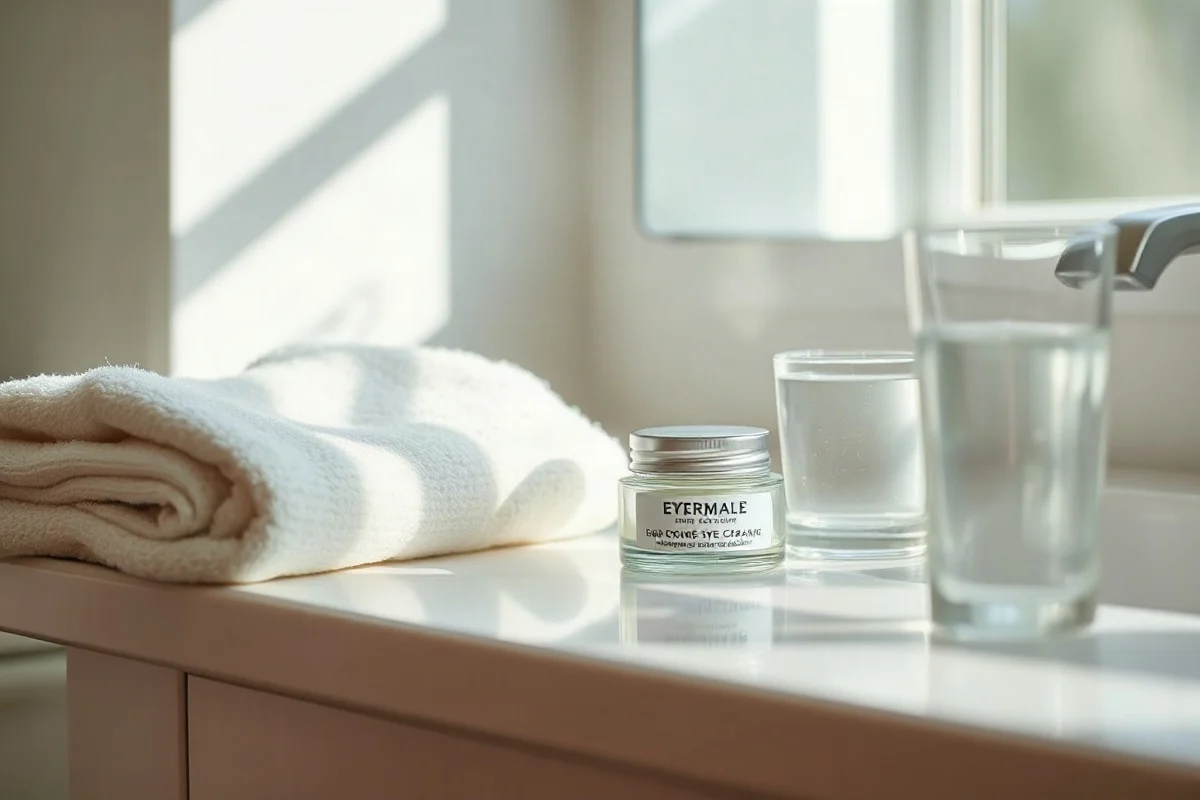
Choose an eye cream for dry, sensitive skin by prioritizing a short, fragrance-conscious formula with moisturizing and barrier-supporting ingredients, then introduce it slowly. Look for ingredients such as glycerin, hyaluronic acid, ceramides, squalane, and soothing emollients, while taking extra care with fragrance, essential oils, strong exfoliating acids, and retinoids. A suitable product may make the under-eye area look smoother and more comfortable, but it cannot guarantee that every type of dark circle, puffiness, or fine line will disappear.
The skin around the eyes is often more prone to visible dryness because it is thin, frequently exposed to movement and environmental stress, and easily affected by rubbing or overly active products. When the area feels tight, flaky, stings, or looks crepey, a gentle moisturizing routine is usually a more sensible starting point than adding several brightening or anti-aging actives at once.
Start with your main skin concern
“Dry, sensitive skin” describes how the under-eye area behaves, but it does not explain every reason for its appearance. Before choosing a product, consider what you want it to do cosmetically.
- For dryness or tightness: Choose a cream or balm with humectants, emollients, and occlusive ingredients. These can help the skin hold onto water and feel less rough.
- For a dull or shadowed appearance: Focus first on hydration and comfort. Dryness can make texture and shadows look more noticeable, even when it is not the only factor involved.
- For fine lines: A moisturizer can temporarily soften the look of dehydration lines by improving the surface feel of the skin. More active ingredients may be options later, but sensitive skin requires a gradual approach.
- For puffiness: A lightweight, soothing formula may be more comfortable than a rich balm, especially in the morning. Puffiness can have many possible contributors, and an eye cream is not a guaranteed solution.
Dark circles can also reflect natural facial structure, visible blood vessels, pigmentation, shadows, lack of sleep, allergies, or other factors. Cosmetic skin care can support hydration and improve the appearance of the surface, but it does not diagnose or treat the underlying cause. For broader information, visit our guide to dark circles.
Ingredients that can support dry, sensitive under-eyes
Humectants for hydration
Humectants attract and help hold water in the outer layers of the skin. Glycerin is a widely used example, and hyaluronic acid is another ingredient commonly found in moisturizers. These ingredients can make the skin feel more hydrated and help give a temporarily smoother appearance.
Humectants are not automatically irritation-free for everyone, and the overall formula matters more than any single ingredient. If a product feels tight, sticky, or uncomfortable, it may not be a good match even if it contains a familiar hydrating ingredient.
Emollients for softness
Emollients help improve the feel of rough or dry skin by filling in spaces between surface skin cells. Ingredients may include squalane, fatty alcohols, plant oils, esters, and other conditioning substances. The right emollient blend can leave the eye area feeling softer without requiring a heavily fragranced formula.
Plant-based does not always mean non-irritating. Some botanical oils and extracts may be uncomfortable for sensitive skin, particularly when they are scented or contain naturally aromatic compounds. Read the complete ingredient list rather than relying only on front-label terms such as “natural” or “clean.”
Occlusives and barrier-supporting ingredients
Occlusives help reduce water loss from the skin’s surface. Petrolatum, dimethicone, and certain waxes or oils are examples that may appear in moisturizing products. A richer formula can be useful at night if the under-eye area is very dry, although it may feel too heavy or migrate toward the eyes for some people.
Ceramides and related lipids are also common in barrier-focused moisturizers. They can be useful ingredients to consider when the skin feels persistently dry or easily irritated. However, ingredient lists and formulas can change, so check the current package or the manufacturer’s ingredient list before purchasing or using a product.
For a broader explanation of common eye-care ingredients, see our eye cream ingredient guide.
Ingredients and features to approach carefully
Sensitive skin does not react identically to every ingredient, so there is no universal list of ingredients that everyone must avoid. Still, certain formula features deserve extra caution when the eye area is dry, reactive, or already irritated.
- Fragrance: Added fragrance may make a product smell pleasant, but it is not necessary for moisturizing performance and can be a concern for some sensitive users.
- Essential oils: Aromatic oils can be irritating near the eyes, especially when the skin barrier is compromised.
- Strong exfoliating acids: Acids such as alpha hydroxy acids may increase discomfort if used too close to the eyes or introduced too frequently.
- Retinoids: Retinol and related ingredients may be used in some eye products, but they can cause dryness or irritation. Follow the product label, introduce them gradually, and avoid using them on already irritated skin.
- High levels of active ingredients: More active ingredients do not necessarily make a product more appropriate for sensitive skin. A simple moisturizer may be a better first step.
Terms such as “hypoallergenic,” “dermatologist tested,” or “for sensitive skin” should not replace checking the ingredient list. These labels may be helpful clues, but individual tolerance still varies. If a product causes burning, swelling, rash, or persistent redness, stop using it. Seek medical advice for significant, recurring, or worsening symptoms rather than trying to manage them only with cosmetic products.
Choose the right texture for your routine
Texture affects comfort, layering, and the likelihood that a product will migrate into the eyes.
Creams and balms
Richer creams and balms may suit very dry skin, particularly in an evening routine. They can help reduce the feeling of tightness and create a more cushioned surface under makeup. Apply a small amount first, because too much product can feel heavy, cause makeup to slide, or move into the eyes as the skin warms.
Lotions and lightweight emulsions
Light lotions may work better during the day or for people who dislike a greasy finish. They can also layer more easily with sunscreen and concealer. Lightweight does not necessarily mean less moisturizing; the ingredient blend and the amount applied both matter.
Gels
Gel textures often feel fresh and weightless, which can be appealing in the morning. Some gels focus mainly on hydration and may not feel rich enough for severely dry skin. If the skin remains tight after application, a creamier product may provide better comfort.
How to test an eye cream safely
Introduce one new eye product at a time. This makes it easier to identify which product may be responsible if irritation develops. Apply a small amount to an area away from the lash line first, following the product’s directions. If the product is tolerated, use a very small amount around the orbital area rather than placing it directly into the eye or along the inner lash line.
Patch testing can reduce the chance of applying a new product broadly before you know how your skin responds, although it cannot predict every reaction. Follow the product label and use clean hands. Do not test a new formula on skin that is already cracked, raw, inflamed, or actively irritated.
Stop using the product if you notice burning, itching, swelling, a rash, or worsening discomfort. If symptoms are severe, affect the eye itself, or do not settle after stopping use, contact a qualified health professional. Cosmetic eye creams are intended for external use and are not treatments for eye disease or skin conditions.
Apply less and keep the routine simple
A small amount is generally enough for both under-eye areas. Using too much can increase the chance of migration, pilling, or irritation. Gently tap the product onto the orbital area with a fingertip instead of rubbing back and forth. Avoid pulling the skin or applying pressure directly on the eyelids unless the product specifically says it is suitable for that area.
For a basic routine, cleanse with a gentle product if needed, apply the eye cream to comfortable skin, and use sunscreen during the day on the surrounding face as directed. Sunscreen should be kept out of the eyes, and sunglasses can provide additional protection from bright light and squinting. If you use makeup, allow skin care to settle before applying concealer.
Our under-eye routine builder can help organize product choices according to concerns such as dryness, dark circles, puffiness, and fine lines.
What results are realistic?
A well-chosen moisturizer may make dry under-eyes feel more comfortable and look temporarily smoother, especially when dehydration emphasizes texture. It may also help concealer apply more evenly. These are cosmetic appearance benefits, not proof that an eye cream has removed the cause of dark circles or changed the structure of the skin.
Results can vary with the cause of the concern, the rest of your routine, environmental conditions, and how consistently you use the product. Some changes, such as improved softness, may be noticeable relatively quickly, while other appearance changes are less predictable. If a product promises to permanently erase dark circles, wrinkles, or puffiness, treat that claim with skepticism.
A practical shopping checklist
- Look for a moisturizing formula with humectants, emollients, or barrier-supporting ingredients.
- Consider fragrance-free options if your skin is easily irritated.
- Choose a texture that works with your routine instead of automatically selecting the richest formula.
- Read the full, current ingredient list before buying.
- Be cautious with retinoids, exfoliating acids, essential oils, and other potentially irritating actives.
- Introduce one new product at a time and patch test when appropriate.
- Stop using the product if irritation develops.
- Remember that formulas can change, so verify current packaging or manufacturer information for product-specific details.
The best eye cream for dry, sensitive skin is usually the one that feels comfortable, supports hydration, and fits easily into a simple routine. Start with barrier-friendly moisture before adding stronger actives, apply gently, and judge the product by realistic improvements in comfort and surface appearance rather than dramatic promises about dark circles.

Comments
0No comments yet. Be the first to share a helpful note or question.
Leave a Comment
Your email address will not be published. Comments are reviewed before appearing on the site.