

Store vitamin C eye cream in a cool, dark, dry place with the cap tightly closed, and follow the product label if it gives more specific instructions. Keep it away from direct sunlight, heat, humidity, and repeated exposure to air. A bathroom cabinet may be convenient, but a steamy bathroom is not always the best location. Proper storage cannot stop every formula from changing over time, but it can reduce avoidable exposure to conditions that may affect freshness.
Vitamin C is a broad term for several forms of an antioxidant used in skincare. Some formulas may be more sensitive to light, oxygen, heat, or moisture than others. Because eye creams are applied near a delicate area, storage is especially relevant: a noticeable change in color, smell, texture, or comfort may be a reason to stop using the product rather than trying to preserve it indefinitely.
Why vitamin C eye cream needs careful storage
Vitamin C ingredients can be vulnerable to environmental exposure. Light and heat may contribute to changes in a formula, while oxygen can enter each time a container is opened. Moisture and contamination can also become concerns when a jar is handled with wet fingers or left open near a sink.
The exact stability of an eye cream depends on its vitamin C form, packaging, supporting ingredients, and manufacturing process. One product may use a direct form of vitamin C, while another may use a derivative designed for a different formulation approach. It is not possible to judge every product by the same rule, and a product’s color alone does not reveal the full condition of its formula.

Always check the current packaging and manufacturer information for storage directions. Formulas and packaging can change, so older product descriptions or general advice may not match the container in your hands. Our eye cream ingredient guide can also help you understand how vitamin C fits into a broader skincare routine.
The best place to keep vitamin C eye cream
Choose a cool, stable location
A drawer, bedroom cabinet, or other cool area away from windows is usually a practical choice. The goal is not to create a perfect laboratory environment. Instead, avoid locations that experience repeated temperature swings, such as a shelf next to a radiator, a sunny windowsill, or a car’s glove compartment during hot weather.
Room temperature may be appropriate when the label does not call for refrigeration. If the manufacturer specifically recommends refrigeration, follow that direction. If the label says to store the product at room temperature, placing it in a very cold area may not be necessary and could affect the texture or make application less comfortable.
Limit light exposure
Keep the container in its original box if the packaging provides additional protection, or place it in a closed drawer. Dark, opaque, or otherwise protective packaging may help reduce light exposure, but it does not make the formula immune to aging. Leaving an opened tube or jar on a bright counter for convenience can expose it to more light than intended.

Avoid humid, steamy spaces
Bathrooms vary widely. A well-ventilated bathroom cabinet may be suitable, but a shelf beside a shower can expose the product to heat and humidity every day. Moisture may also make it easier for water or residue to enter a jar when the lid is opened.
If your bathroom becomes warm and steamy, consider storing vitamin C eye cream in a dry bedroom drawer instead. Keep it accessible enough that you will use it consistently, but not in a spot where it is exposed to splashes or lingering steam.
How packaging affects storage
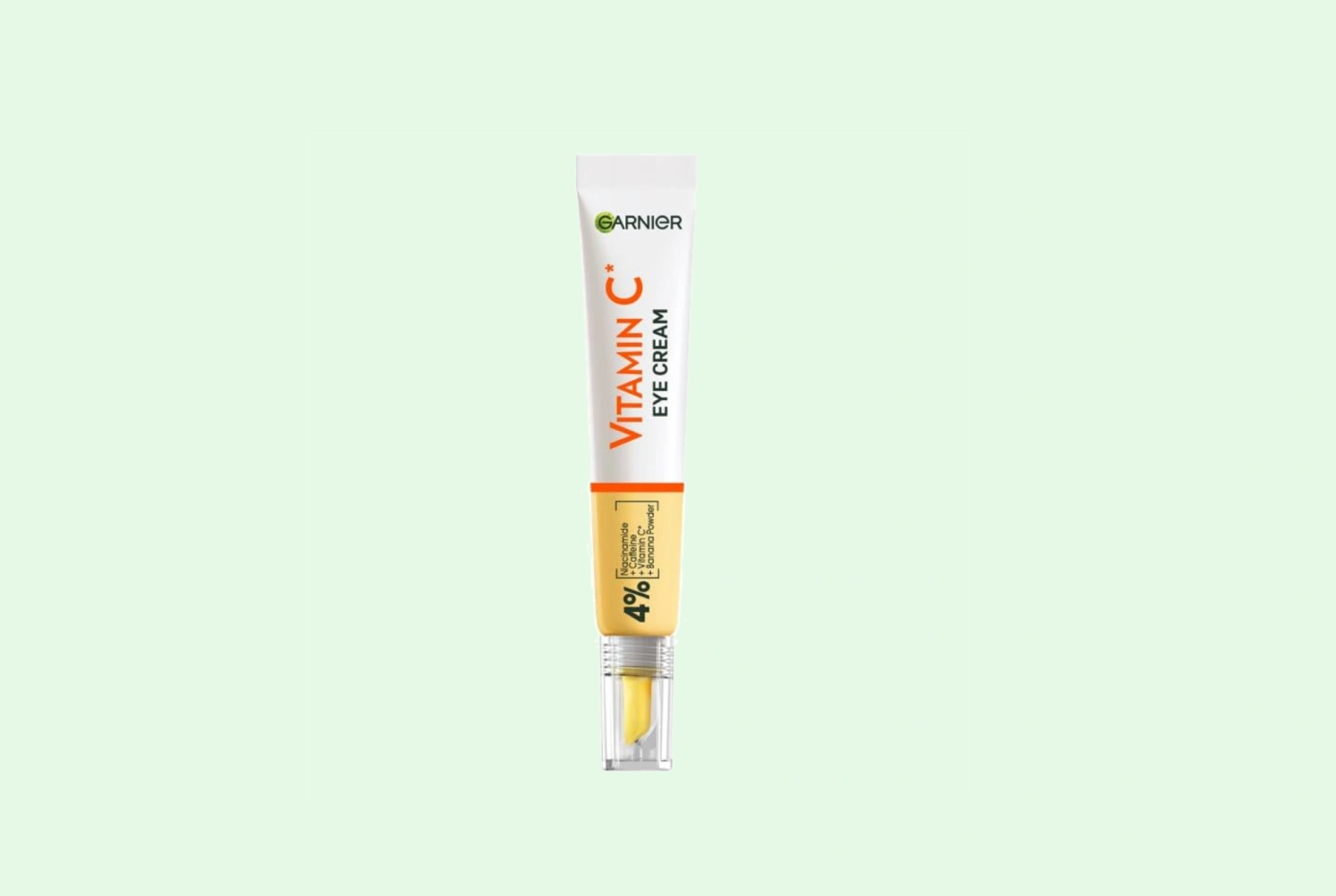
Packaging influences how much air, light, and moisture reaches a formula. An airless pump or narrow dispensing system may limit repeated contact with the surrounding air. A tube can also help reduce direct handling compared with an open jar. However, packaging alone does not guarantee that a product will remain fresh until the end of its stated period.
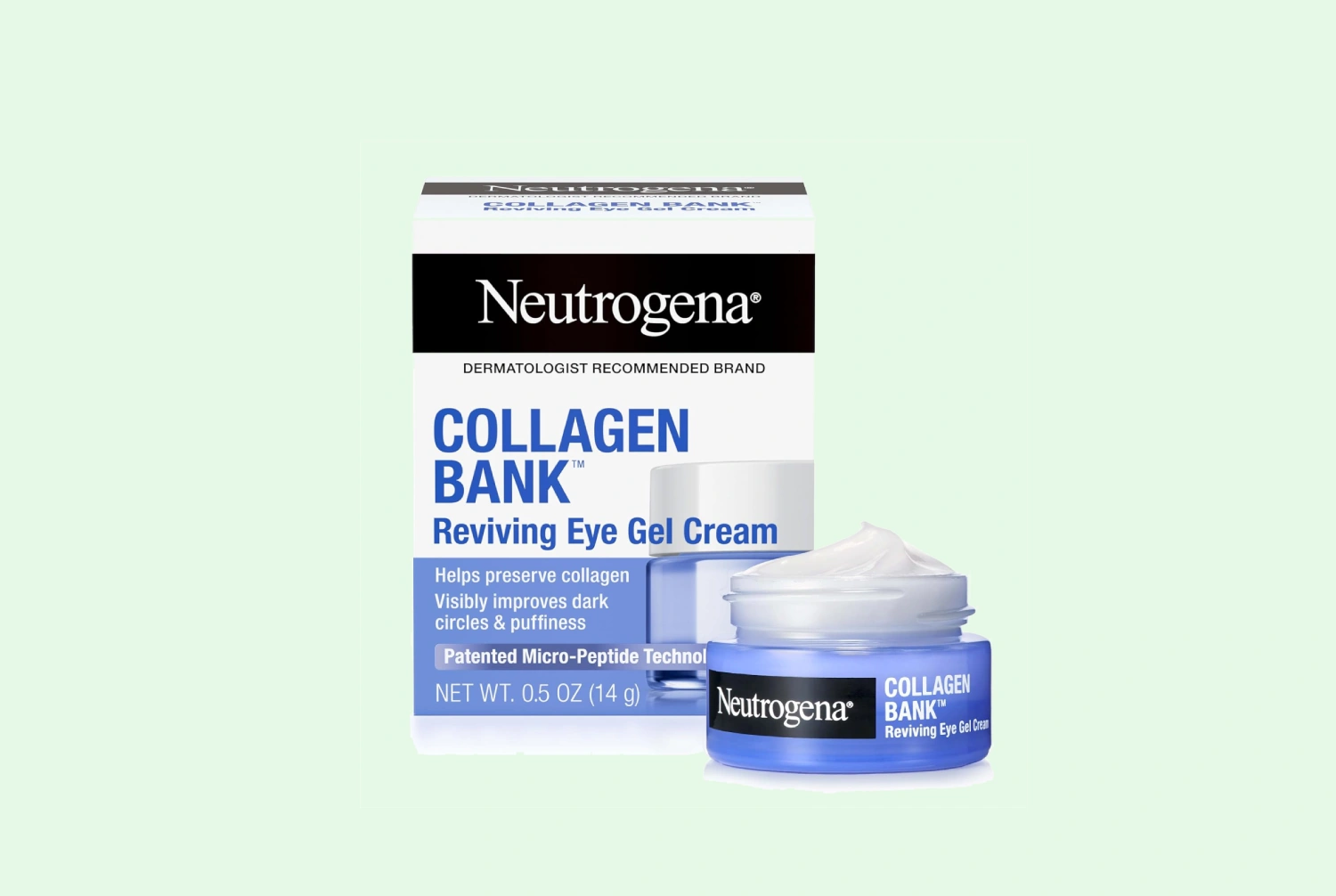
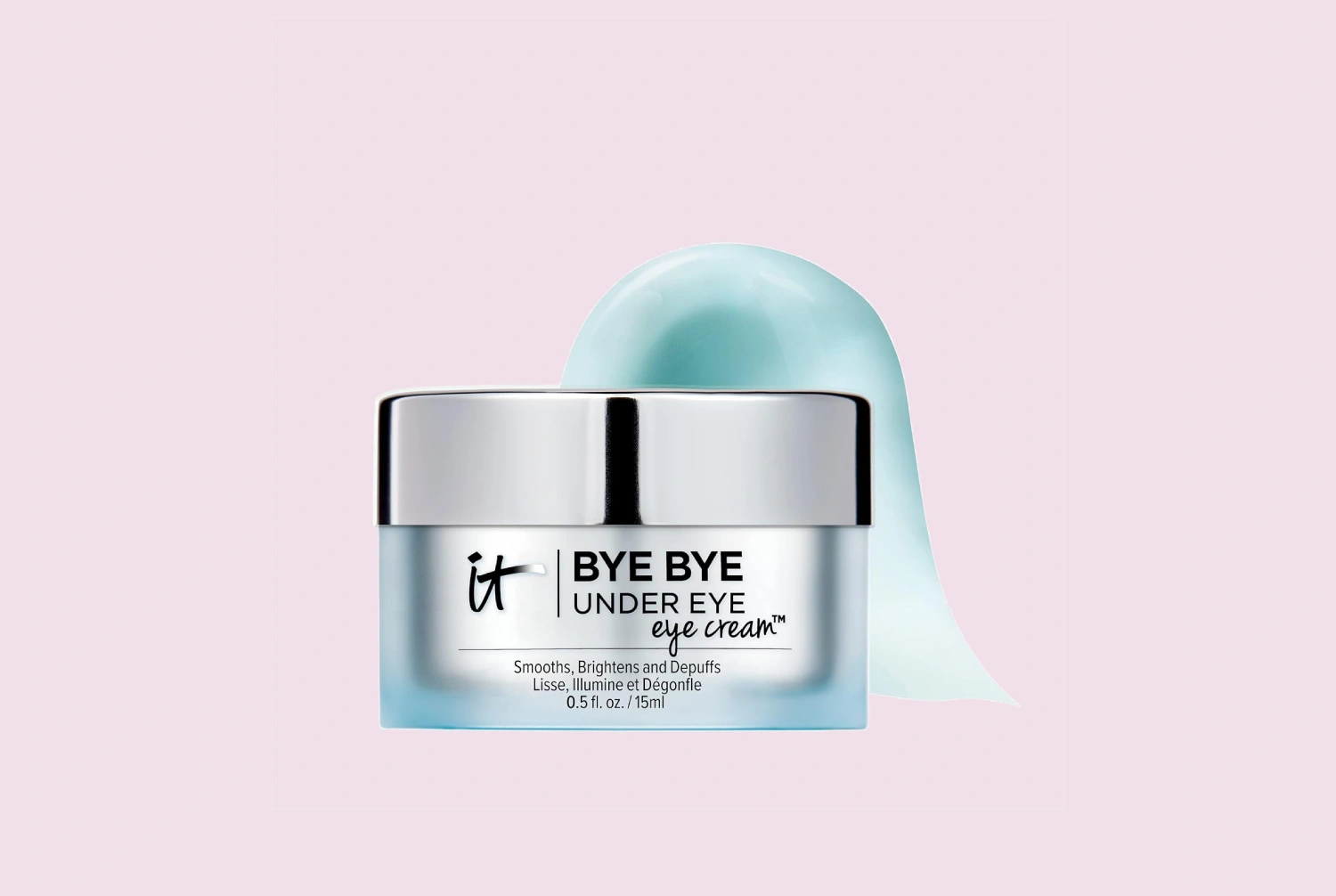
Jars require extra care because fingers or applicators come into contact with the product. Wash and dry your hands before use, avoid touching the cream with wet fingers, and close the lid immediately after dispensing. Do not leave the jar open while completing the rest of your routine.
With a tube or pump, avoid touching the dispenser tip directly to your skin if the label advises against it. If the opening contacts the under-eye area, gently wipe away residue with a clean tissue before replacing the cap. Do not share eye cream, since sharing increases the chance of transferring bacteria or other contaminants.
Should you refrigerate vitamin C eye cream?
Refrigeration is not automatically better. Some people prefer the cooling sensation of a chilled eye product, particularly in a morning routine, but coolness is a sensory effect and does not guarantee better cosmetic results. Refrigeration may be appropriate if the manufacturer recommends it, but otherwise the label’s storage directions should take priority.
If you do refrigerate a product that is suitable for that storage method, keep it sealed and avoid repeatedly moving it between a cold refrigerator and a warm, humid bathroom. Temperature changes can lead to condensation on or around the container. Store it away from foods with strong odors and place it where the container will not be crushed or contaminated.
Do not freeze vitamin C eye cream unless the manufacturer explicitly gives that instruction. Freezing and thawing may change the texture or physical structure of an emulsion. A product can still look acceptable after a temperature event but feel different or apply unevenly.
Signs that vitamin C eye cream may have changed
Watch for changes in appearance, smell, texture, and skin feel. Possible warning signs include:
- A significant or unexpected color change compared with how the product looked when opened
- A new unpleasant, sharp, or unusual odor
- Separation that does not improve when the label says the product should be mixed or shaken
- Clumping, grittiness, excessive thinning, or a texture that differs substantially from the original formula
- New stinging, burning, redness, itching, or discomfort during application
Color changes deserve context. Some vitamin C products naturally have a pale yellow or slightly tinted appearance, and a mild shift may not tell you exactly how the formula is performing. On the other hand, a dramatic change accompanied by an unusual smell or texture is a reason to stop and review the manufacturer’s guidance. When in doubt, do not apply a questionable product near the eyes.
Expiration information and the period-after-opening symbol can help you decide when to replace a product. These markings are not interchangeable: one may refer to an unopened product, while the open-jar symbol indicates a suggested use period after opening. Follow the label, keep track of when you opened the product if helpful, and do not try to extend its life by transferring it to another container.
Habits that help protect freshness
Close the container after every use
Leaving the cap off while you apply other products gives the formula more time in contact with air. Make closing the container the final step immediately after dispensing the eye cream.
Use clean, dry hands
Apply eye cream with clean hands and avoid placing the container on wet countertops. If you use a reusable spatula, clean it according to the product’s directions and let it dry fully before putting it back in the jar.
Do not dilute or mix it in the container
Adding water, facial mist, moisturizer, or another active can change the formula and increase contamination risk. If you want a lighter feel, apply a smaller amount or layer the eye cream with another product only as directed by the product label.
Keep the original packaging and instructions
The box or insert may include storage information that is not printed on the container. Keeping it until you understand the product’s directions can be useful, especially when a product has a special storage requirement.
How to use vitamin C eye cream carefully
Apply only the amount directed on the label and keep the product out of the eyes unless it is specifically made for that area and the instructions say otherwise. The under-eye area can be sensitive, and vitamin C products may feel irritating for some users depending on the formula and individual skin.
If you have sensitive skin or are introducing another potentially irritating active, consider patch testing as directed by the manufacturer and introducing one new product at a time. Avoid applying the product to broken or irritated skin. Stop using it if you develop persistent burning, swelling, rash, or other concerning symptoms, and seek medical advice when appropriate.
Vitamin C eye cream may support the look of brighter, more even-looking skin or provide other cosmetic benefits, depending on the formula and your skin. It cannot be expected to diagnose or treat the cause of dark circles, puffiness, or other under-eye concerns. Dark circles can have several contributing factors, and a skincare product may not address every one. For related routine ideas, explore our under-eye routine builder and information about dark circles.
What to check before buying
Storage starts with product selection. Look for packaging that is easy to close securely and practical for the way you use skincare. If you keep products in a warm bathroom, a protective container may be more convenient than an open jar, but you should still follow the label and store it away from steam.
Read the current ingredient list and directions rather than relying on a product’s name alone. Vitamin C derivatives and supporting ingredients can differ, and formulas may be updated. If you have known sensitivities, review the complete label and consider whether the product includes other ingredients that may irritate your skin.
Buy an amount you can reasonably use within the product’s recommended period after opening. A larger container is not necessarily a better value if it remains open for too long. Check the seal, packaging condition, and printed date when you receive the product, and contact the manufacturer if the item arrives damaged or appears unusual.
A simple storage routine
- Read the product’s current storage instructions before opening it.
- Choose a cool, dry, dark location away from windows, heaters, and shower steam.
- Wash and dry your hands before use.
- Dispense the recommended amount without touching the product unnecessarily.
- Close the cap or pump immediately.
- Check the appearance, smell, and texture periodically without applying a questionable product near the eyes.
- Replace the product according to the label’s expiration or after-opening guidance.
Good storage is mainly about consistency: protect the eye cream from unnecessary heat, light, moisture, and air; keep the container clean and closed; and follow the manufacturer’s current instructions. These steps may help preserve the product’s intended feel and usability, but no storage method can guarantee performance or extend a product beyond its recommended use period.

Comments
0No comments yet. Be the first to share a helpful note or question.
Leave a Comment
Your email address will not be published. Comments are reviewed before appearing on the site.