

You can use caffeine eye cream without overdoing it by applying a small amount to clean, dry skin, following the product label, and starting with a limited frequency if your eye area is sensitive. Caffeine may temporarily make under-eyes look less puffy or more refreshed, but it does not address every cause of dark circles, and using more product will not necessarily improve the appearance.
The skin around the eyes is thin and easy to irritate, so a careful routine matters more than a generous application. Treat caffeine eye cream as a cosmetic skincare step rather than a medical treatment. If you have persistent swelling, significant redness, pain, vision changes, or a sudden change around one eye, seek advice from a qualified healthcare professional instead of relying on an eye cream.
What caffeine eye cream can and cannot do
Caffeine is commonly included in eye products designed for the appearance of puffiness and tired-looking under-eyes. When applied topically, it may give the area a temporarily more awake appearance for some people. The visible effect can depend on the rest of the formula, the condition of your skin, the reason for the puffiness, and how your skin responds.
That distinction is important because “dark circles” can describe several different cosmetic concerns. Under-eye darkness may be related to visible blood vessels, natural hollowness and shadowing, uneven pigment, dryness, or the way light falls on the area. Caffeine is not a universal solution for all of these concerns. It should not be described as curing, erasing, or permanently removing dark circles.
For broader background on the ingredients commonly used in under-eye products, see the eye cream ingredient guide. It can help you compare caffeine with other ingredients without assuming that one active works the same way for every type of under-eye concern.
How much eye cream should you apply?
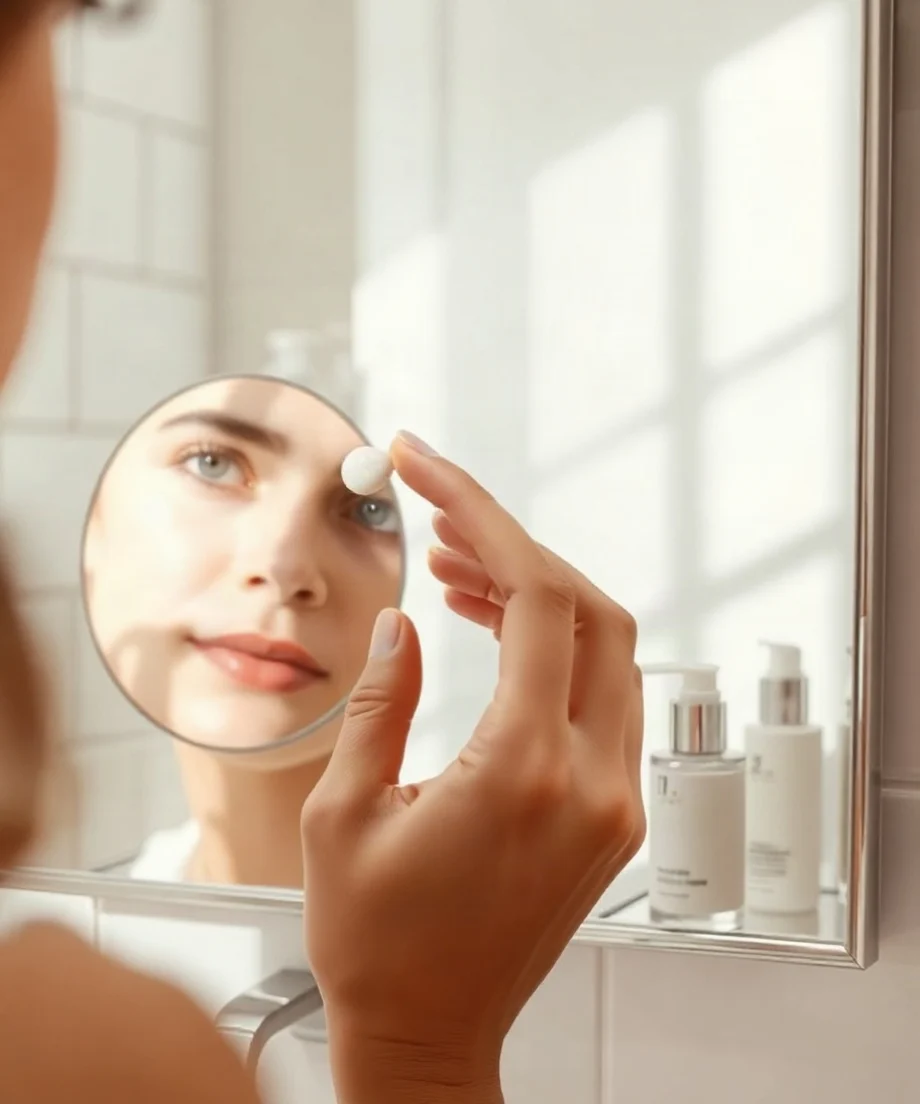
Use only enough to create a light, even layer over the under-eye area. Eye creams are usually concentrated skincare products, and the skin around the eyes does not need a thick coating to receive the product. A small amount for both eyes is generally a more practical starting point than repeatedly adding more.
Instead of measuring by an exact quantity that may not suit every package or texture, use the label’s directions as your primary guide. A lightweight gel may spread differently from a richer cream, and an applicator may dispense more or less product than your fingertip. The current packaging and manufacturer instructions should take priority, especially because formulas and directions can change.
A simple application method
- Cleanse your face gently and pat the skin dry. Avoid rubbing the eye area.
- Dispense a small amount of product onto a clean fingertip rather than applying the nozzle directly to your skin.
- Dot the product along the orbital area, staying away from the lash line and the inside of the eye unless the label specifically directs otherwise.
- Use your ring finger or another gentle fingertip to pat the product into the skin. Do not drag or aggressively massage the area.
- Allow the product to settle before layering moisturizer or makeup.
Keep the container clean and avoid sharing it. If the product gets into your eye, follow the label’s advice and rinse with clean water if needed. Persistent discomfort deserves medical attention.

How often should you use caffeine eye cream?
Many people can begin with the frequency listed on the product label. If you have sensitive skin, a history of irritation, or a routine that already includes several active ingredients, start more cautiously. Applying the product less often at first can make it easier to identify whether the eye cream agrees with your skin.
You do not need to use a caffeine eye cream more frequently simply because the area still looks tired. Skincare results are not always proportional to the amount applied. Increasing the frequency or layering several caffeine products may add unnecessary exposure without solving the underlying reason for puffiness or darkness.
A practical approach is to introduce one new eye product at a time. Use it consistently according to the label, observe how your skin responds, and avoid changing several parts of your routine at once. If irritation develops, stop using the product rather than trying to balance it with a larger amount of moisturizer or another active.
Morning or night: When is caffeine eye cream best?
Caffeine eye cream is often chosen for a morning routine because its intended cosmetic role is to make the under-eye area look more refreshed during the day. However, the best timing depends on the product directions, texture, and how it fits with your other skincare and makeup.
A morning routine might include gentle cleansing, caffeine eye cream, moisturizer if needed, and broad-spectrum sunscreen applied as directed to the surrounding areas that are appropriate for sunscreen use. Sunscreen is especially relevant when uneven tone is one of your concerns, although it does not replace an eye product and should not be applied so close to the eye that it causes stinging.
You may also use the product at night if the label permits it and your skin tolerates it. There is no need to apply it twice daily unless that schedule is appropriate for the specific formula. If the product pills under makeup, feels drying, or causes stinging in the morning, adjusting the amount or timing may be more useful than adding additional layers.
How to avoid irritation around the eyes
Caffeine itself is not the only factor to consider. An eye cream may also contain preservatives, fragrance, exfoliating ingredients, retinoids, botanical extracts, or other components that affect how your skin responds. Check the current ingredient list and directions before buying or using a product. Product formulas can change, so do not rely only on an old product description or a retailer listing.
Patch test thoughtfully
A patch test can help you identify obvious sensitivity, although it cannot guarantee that a product will never irritate the delicate eye area. Follow the manufacturer’s instructions when available. Avoid testing directly inside the eye or on broken, freshly shaved, or already irritated skin.
If you notice burning, persistent stinging, swelling, rash, or worsening redness, stop using the product. Give the area time to settle and avoid adding other potentially irritating actives. If symptoms are severe, do not improve, or affect the eye itself, contact a healthcare professional.
Be careful with active-heavy routines
If your routine already includes a retinoid, exfoliating acid, vitamin C, or another active near the eyes, introducing a new product can make it harder to identify the source of irritation. You may prefer to use separate products on different days or keep the eye area routine simpler. Follow the label for each product rather than assuming that all facial skincare products are suitable for the under-eyes.
Our guide to eye care for sensitive skin offers a useful framework for choosing fewer, gentler steps when the area reacts easily.
What to look for when choosing a caffeine eye cream
Start with the concern you want to address. If temporary-looking puffiness is your main concern, you may prefer a lightweight product that layers comfortably in the morning. If dryness makes fine lines look more noticeable, a more moisturizing texture may be a better fit. These choices are about cosmetic appearance and comfort, not treatment of a medical condition.
- Clear directions: Choose a product with accessible instructions for where and how often to apply it.
- A texture that suits your routine: A formula that sits well under makeup may be easier to use consistently.
- Ingredients you recognize and tolerate: Review the full current ingredient list, especially if you have known sensitivities.
- Packaging that limits contamination: A hygienic dispenser or tube may be easier to keep clean than an open container, though proper use still matters.
- Realistic claims: Be cautious of language promising permanent removal of dark circles, dramatic overnight changes, or guaranteed results.
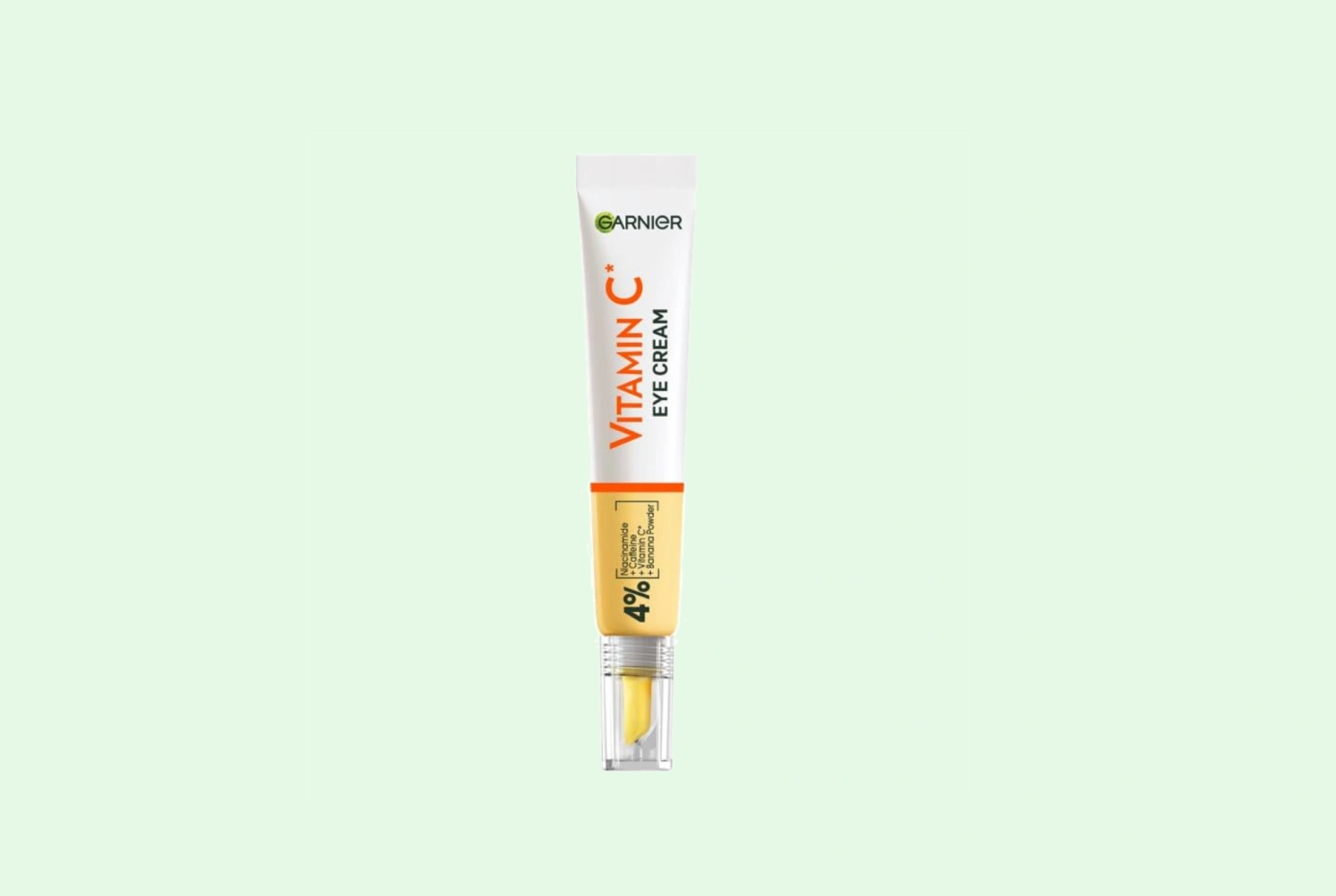
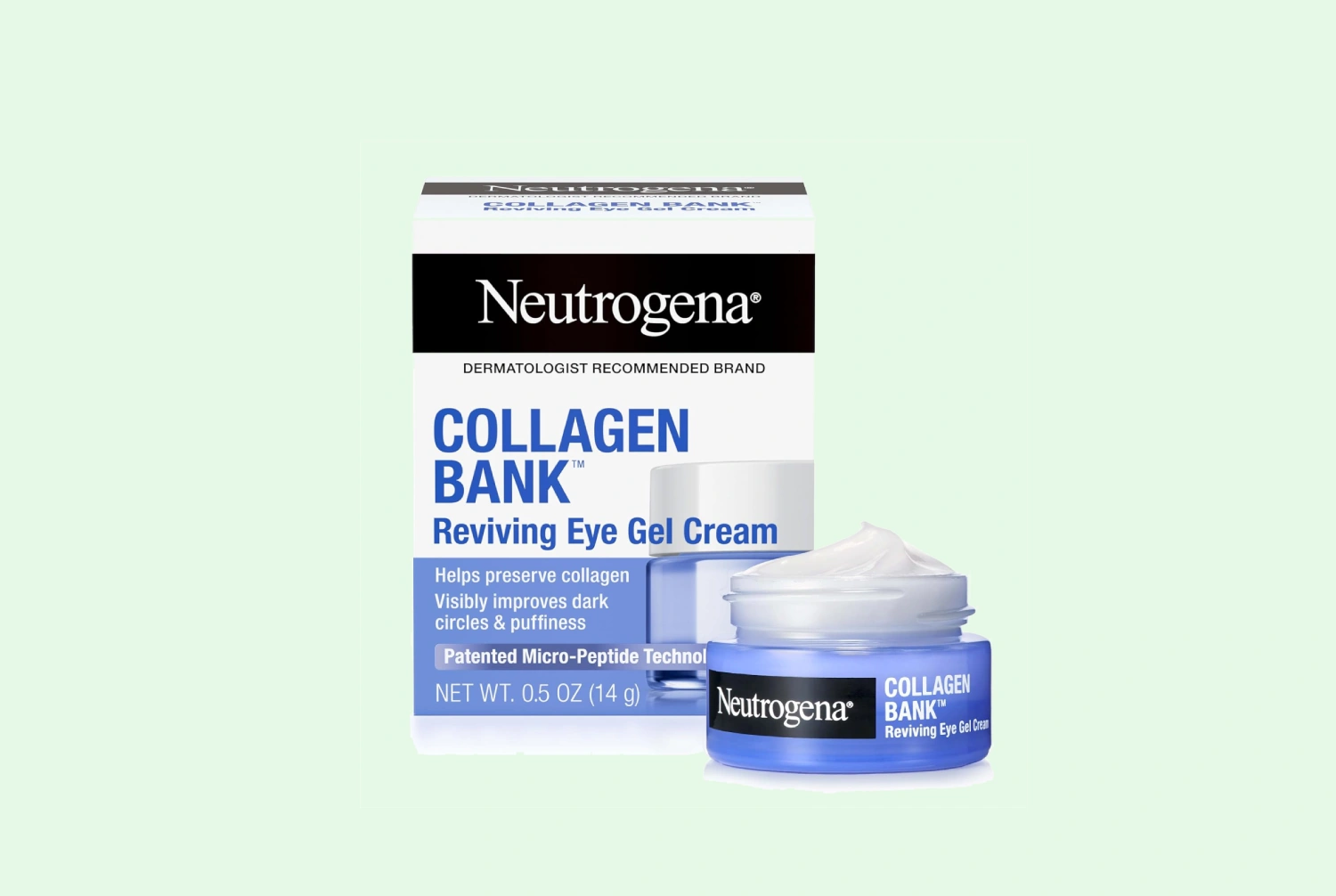
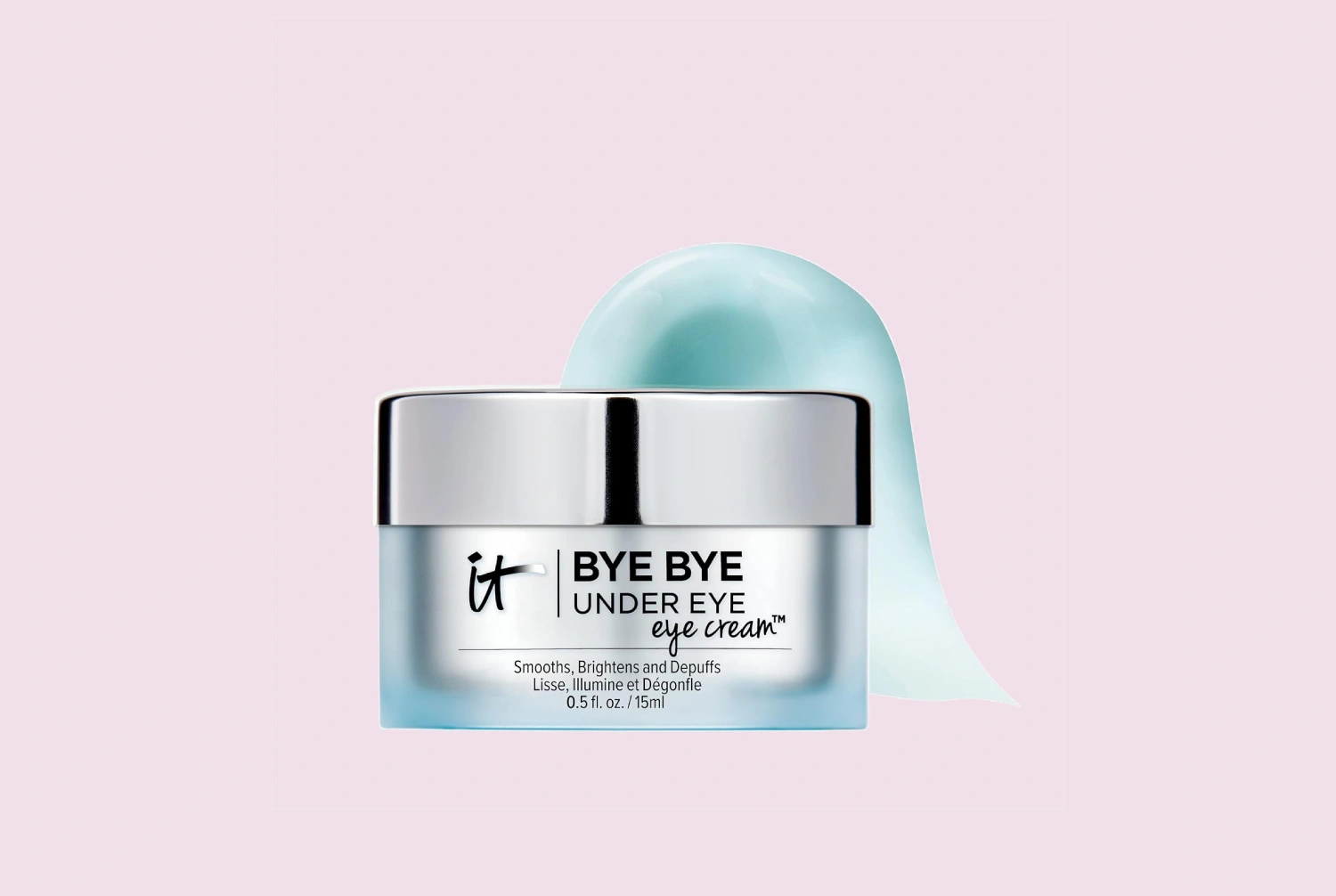
If you are comparing several products, focus on the complete formula, directions, packaging, and return policy rather than caffeine alone. You can browse our caffeine eye cream category for related product research, but verify the current packaging and manufacturer ingredient list before making a purchase.
Why more product may not mean better results
Applying a thick layer can increase the chance of migration into the eyes, pilling, heaviness, or irritation. It can also make makeup sit unevenly. The under-eye area is small, so spreading a thin layer gently is usually more sensible than building up product in the hope of creating a stronger effect.
Likewise, combining a caffeine eye cream with several other products marketed for puffiness may not produce a better result. Consider whether each step adds a distinct purpose. If your skin looks dry or feels tight, a basic moisturizer may be more helpful for comfort than another active product. If morning swelling is the main issue, sleep, allergies, fluid retention, and other non-cosmetic factors may also influence how the area looks.
When caffeine eye cream is not the right answer
A caffeine product may not make a noticeable difference if the appearance comes mainly from structural shadowing, inherited pigmentation, pronounced hollowness, or another factor that a topical cosmetic cannot significantly change. That does not mean the product is defective; it may simply not match the concern you are trying to address.
Persistent or one-sided swelling, itching, pain, discharge, vision changes, or sudden discoloration should not be managed as a cosmetic issue alone. A healthcare professional can help determine whether an underlying condition needs attention. An eye cream can support the appearance of healthy-looking skin, but it cannot diagnose or treat the cause of a medical symptom.
A low-risk routine to start with
For a straightforward introduction, use a gentle cleanser, apply a small amount of caffeine eye cream as directed, and finish with the rest of your routine without rubbing the area. Introduce no other new eye products at the same time. If your skin remains comfortable, continue at the label-recommended frequency. If it reacts, stop and reassess the formula and your other active ingredients.
For help organizing products around concerns such as puffiness, dryness, or fine lines, try the under-eye routine builder. The goal is not to use the most products possible. It is to choose a manageable routine, apply it gently, and keep expectations realistic about what a topical caffeine product can do.

Comments
0No comments yet. Be the first to share a helpful note or question.
Leave a Comment
Your email address will not be published. Comments are reviewed before appearing on the site.