
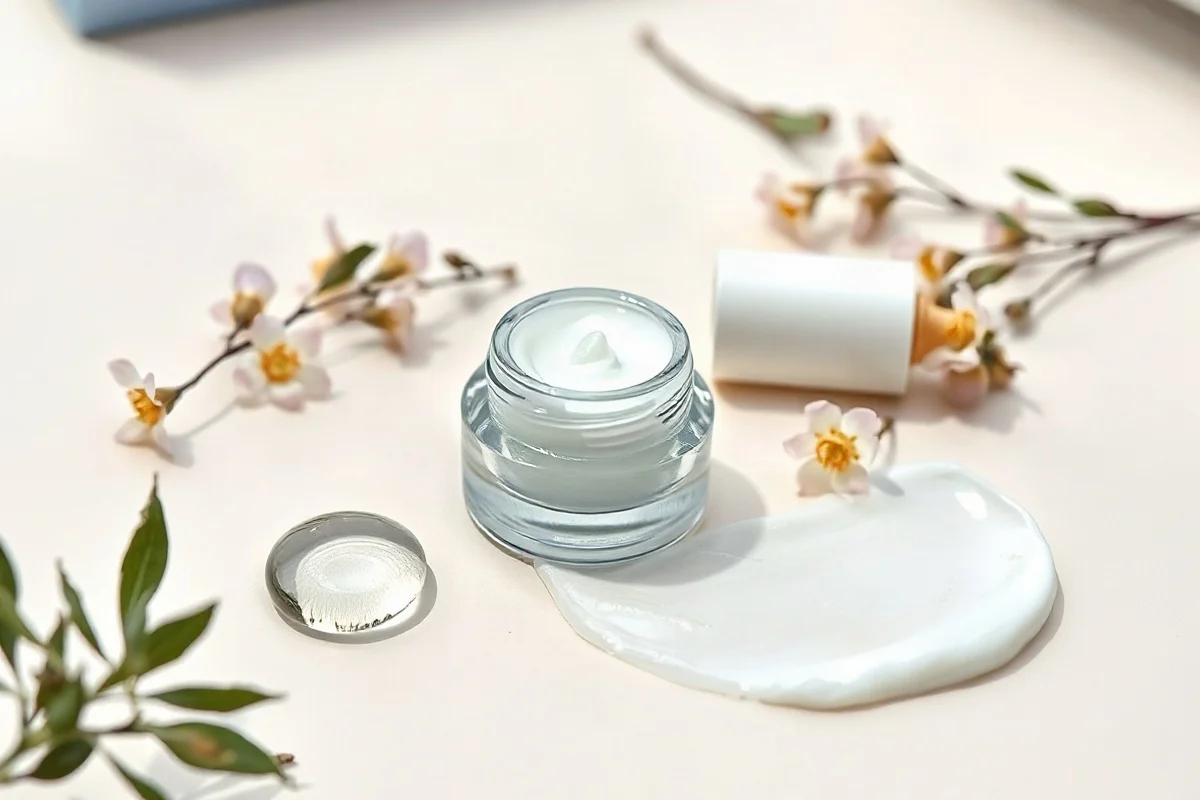
Humectants attract water, emollients soften and smooth the skin, and occlusives help slow water loss from the surface. In an eye cream, these three types of moisturizing ingredients can work together to make the under-eye area look more comfortable, supple, and temporarily smoother. They do not erase dark circles or treat an underlying medical condition, but choosing the right balance may help address dryness, tightness, and the appearance of fine lines caused or emphasized by dehydration.
The skin around the eyes is often more prone to visible dryness because it is thin, frequently exposed to facial movement, and regularly affected by cleansing, makeup removal, weather, and rubbing. Understanding how these ingredient groups differ can make product labels easier to read and help you choose a formula that fits your skin type and routine.
What are humectants?
Humectants are ingredients that attract and hold water. In a moisturizer, they can help increase the skin’s water content and create a fresher, less tight appearance. Some humectants draw water from the surrounding environment, while others help bind water within the outer layers of the skin. Their performance can depend on the full formula, the climate, and whether the product is supported by emollients and occlusives.
Common humectants in eye cream
- Glycerin
- Hyaluronic acid and sodium hyaluronate
- Panthenol
- Betaine
- Urea in appropriately formulated products
- Honey or other humectant botanical ingredients
Glycerin is widely used because it can help the skin feel softer and less dry. Hyaluronic acid is a name used for several forms of a water-binding ingredient; the exact form and supporting ingredients vary by formula. Panthenol may contribute to a conditioned, comfortable feel, while betaine can support the formula’s moisturizing properties.
Humectants are particularly useful when the under-eye area feels tight or looks crepey because of surface dryness. By helping the skin hold water, they may temporarily make fine lines look less noticeable. This is a cosmetic effect, not a permanent change to the structure of wrinkles.
What are emollients?
Emollients are ingredients that fill in spaces between skin cells and make the surface feel smoother and more flexible. They can reduce roughness and help create a soft, conditioned finish. In eye creams, emollients also contribute to the product’s texture, spreadability, and after-feel.
Common emollients in eye cream
- Plant oils and some seed oils
- Esters used to create a smooth, lightweight feel
- Fatty alcohols such as cetyl alcohol or cetearyl alcohol
- Shea butter
- Squalane
- Ceramides, which can support the skin barrier as part of a broader formula
Not every ingredient in this group feels the same. A lightweight ester may give an eye cream a silky finish, while shea butter or a richer oil may feel more nourishing. Fatty alcohols are not the same as drying alcohols such as denatured alcohol; in skin care, they are commonly used as texture and conditioning ingredients.
Emollients may be useful for dry or rough-feeling under-eyes, especially when concealer catches on flaky areas. However, a richer texture is not automatically better. If an eye cream feels heavy, pills under makeup, or causes uncomfortable congestion around the eyes, a lighter emollient profile may be a better fit.
What are occlusives?
Occlusives form a surface layer that helps reduce water loss from the skin. They do not primarily add water; instead, they help keep existing moisture from evaporating as quickly. This can be helpful when the under-eye area is dry, exposed to cold or windy weather, or feeling irritated from over-cleansing.
Common occlusives in eye cream
- Petrolatum
- Mineral oil
- Dimethicone
- Lanolin and lanolin-derived ingredients
- Waxes
- Some plant butters and oils
Occlusives can vary substantially in texture. Petrolatum is highly protective and may feel rich, while dimethicone often creates a smooth, silicone-like finish. Waxes can add structure and staying power to a balm. Whether an occlusive feels comfortable depends on the complete formula, the amount used, and your personal preference.
Because occlusives help limit water loss, they often work best when applied after or alongside water-binding ingredients. An eye cream does not need to contain every type of occlusive, and a product without a heavy occlusive can still be moisturizing.
How the three ingredient groups work together
A useful way to think about moisturization is a three-part system: humectants help attract or bind water, emollients smooth the skin’s surface, and occlusives help hold moisture in. Many well-rounded eye creams use several of these functions rather than relying on only one.
For example, a formula might combine glycerin as a humectant, a lightweight emollient to improve softness, and dimethicone to reduce water loss. Another product might use a richer blend of humectants, plant oils, and a butter. Both approaches can be reasonable, but one may feel more comfortable than the other depending on your skin and the rest of your routine.
Ingredients cannot be judged completely in isolation. The order of ingredients on the label, the product’s texture, the presence of fragrance, and your tolerance all matter. Cosmetic ingredient lists also do not always tell you exactly how a product will feel on your skin.
Which type is best for dry under-eyes?
Dry under-eyes may benefit from a combination of humectants, emollients, and a gentle occlusive. Look for a texture that reduces tightness without feeling uncomfortable. Glycerin, panthenol, hyaluronic acid, squalane, ceramides, dimethicone, and petrolatum are examples of ingredients that may appear in formulas designed to support moisturization. The best choice depends on the product’s complete ingredient list and your individual response.
If the area is visibly flaky, applying a very small amount of a richer moisturizer over an eye cream may help reduce the feeling of dryness. Keep the product on the orbital area rather than applying it directly into the eye. Follow the product’s directions, and remember that more product is not necessarily more effective; too much can migrate, feel heavy, or interfere with makeup.
For additional guidance, you can use this dry skin eye-care guide alongside the product label.
Which type is best for oily or combination skin?
People with oily or combination skin often prefer lightweight humectants and emollients with a gel-cream or fluid texture. Dimethicone can provide slip without the same rich feel as some oils or butters, although individual reactions vary. A product that feels comfortable during the day and sits well under sunscreen or concealer may be more practical than a very occlusive balm.
Oily facial skin does not necessarily mean the under-eye area is well moisturized. The skin around the eyes can still feel dry or look crepey, particularly after cleansing or using active products. Instead of avoiding all moisturizing ingredients, consider choosing a lighter formula and using a smaller amount.
How should you layer humectants, emollients, and occlusives?
In general, apply products from lighter to richer textures, unless the product directions say otherwise. After cleansing, a hydrating product with humectants can be followed by an eye cream that provides emollient or occlusive support. If your eye cream already combines all three functions, you may not need additional layers.
- Cleanse gently and avoid rubbing the under-eye area.
- Apply a small amount of eye cream to the orbital area, following the label directions.
- Use a richer moisturizer only if the area still feels dry and the additional product is comfortable.
- Apply sunscreen around the eyes if the product is labeled for that use and does not cause stinging.
Allowing each layer to settle can reduce pilling, especially when using concealer. If products roll into small flakes, try using less, simplifying the routine, or changing the order. Pilling does not necessarily mean a product is unsafe, but it can make application frustrating.
Do these ingredients help dark circles?
Moisturizing ingredients can improve the appearance of dark circles when dryness, rough texture, or shadowing from fine lines makes the area look more noticeable. Smoother, better-hydrated skin may reflect light differently and make the under-eye area appear more refreshed. This effect is cosmetic and may be temporary.
Dark circles can have many possible contributors, including visible blood vessels, natural pigmentation, facial structure, shadows from hollowness, lack of sleep, allergies, or irritation. Humectants, emollients, and occlusives do not address every possible contributor, and they should not be presented as a treatment for a medical condition. If discoloration is new, one-sided, rapidly changing, painful, swollen, or accompanied by other symptoms, consider seeking advice from a qualified health professional.
For a broader overview of possible appearance-related factors, see our guide to dark circles.
What about puffiness and fine lines?
A moisturizing eye cream may temporarily make dry fine lines look softer, but it cannot permanently remove wrinkles. Occlusive textures can also create a smoother surface that helps makeup apply more evenly. These are appearance benefits rather than a correction of the underlying skin structure.
Moisturizers are not a guaranteed solution for puffiness. A richer product may make the area feel comfortable, but it may not change the factors contributing to visible swelling. If you are mainly concerned about puffiness, compare moisturizing needs with the guidance in our puffiness and eye bags section.
How to choose an eye cream from the label
Start by identifying your main concern: tightness, flaking, makeup settling, sensitivity, or a preference for a lighter texture. Then look for a formula that offers an appropriate balance of moisturizing functions. You do not need to purchase multiple products simply to obtain one humectant, one emollient, and one occlusive.
- For tightness, consider humectants such as glycerin or panthenol.
- For roughness, look for emollient ingredients that leave a comfortable, smooth finish.
- For persistent dryness, consider whether the formula includes a gentle occlusive.
- For sensitive skin, choose a simple formula and be cautious with fragrance and potentially irritating active ingredients.
- For makeup wear, favor a texture that spreads easily and does not pill with your other products.
Ingredient lists and formulas can change. Before buying or using a product, verify the current packaging and manufacturer ingredient list, particularly if you are avoiding a specific ingredient or have a known sensitivity.
Safety and tolerance around the eyes
The eye area can react to products that are comfortable elsewhere on the face. Apply only as directed and avoid getting eye cream into the eyes. If a product contains potentially irritating actives in addition to moisturizing ingredients, introduce it cautiously and follow the label. A patch test may help you screen for a reaction, although it cannot guarantee that the product will not irritate the eye area.
Stop using a product if it causes persistent burning, redness, swelling, itching, or other concerning symptoms. Seek medical advice for significant or ongoing symptoms rather than trying to cover them with additional skin care.
The practical takeaway
Humectants, emollients, and occlusives solve different parts of the moisturization problem. Humectants help attract or bind water, emollients soften and smooth, and occlusives help reduce water loss. For many people, an eye cream that combines these functions in a comfortable texture is a sensible choice for dry-looking under-eyes and temporarily smoother-looking fine lines.
The right formula is the one you can tolerate and use consistently without stinging, excessive heaviness, or irritation. Focus on realistic cosmetic benefits, check the current ingredient list, and choose the texture that fits your skin and routine rather than expecting moisturizer alone to remove dark circles or other under-eye concerns.

Comments
0No comments yet. Be the first to share a helpful note or question.
Leave a Comment
Your email address will not be published. Comments are reviewed before appearing on the site.