
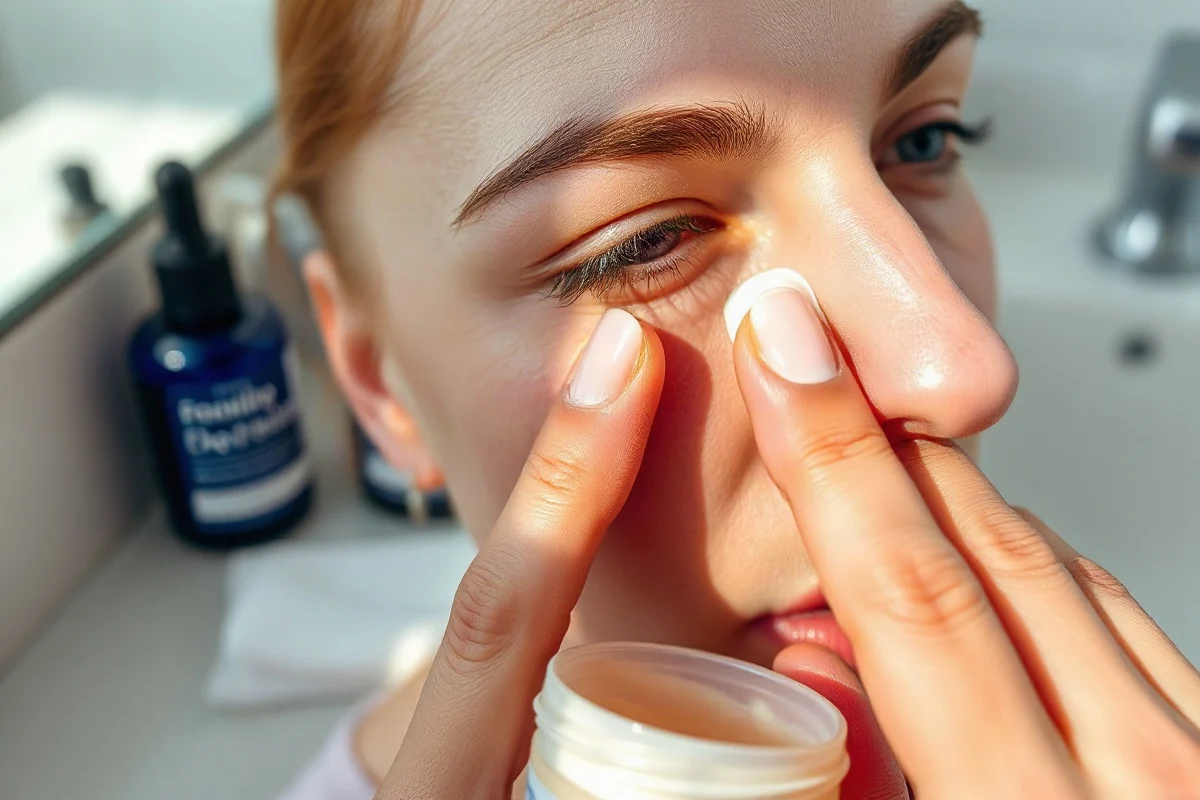
For dry skin around the eyes, humectants and emollients can complement each other rather than compete. Humectants help attract and hold water in the outer layers of skin, while emollients fill in spaces between skin cells to make the surface feel smoother and more comfortable. A routine that combines both may help improve the look of flakiness, tightness, and fine lines caused by dryness, but neither ingredient class treats a medical eye condition or guarantees that dark circles, puffiness, or wrinkles will disappear.
The eye area is thin, mobile, and frequently exposed to cleansing, rubbing, makeup removal, weather, and facial products that may migrate. That makes ingredient selection and application technique especially important. Understanding the difference between humectants and emollients can help you choose products based on how your skin feels instead of relying on broad claims.
What are humectants?
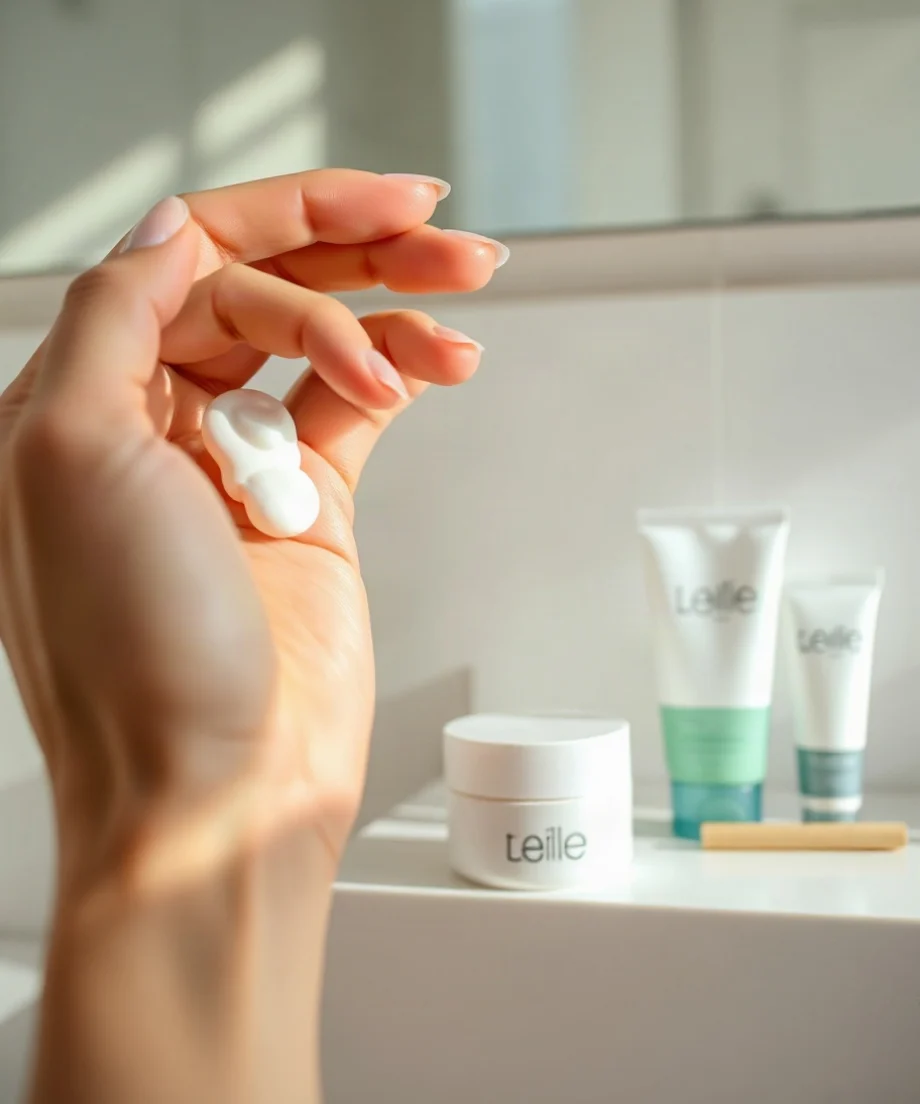
Humectants are water-attracting ingredients. They can draw water toward the outer layer of the skin from the surrounding environment or from deeper layers, depending on the formula and conditions. In skincare, they are commonly used to give dry skin a more hydrated, supple feel.
Common humectants include:
- Glycerin
- Hyaluronic acid and sodium hyaluronate
- Panthenol
- Urea in suitable cosmetic formulas
- Betaine
- Propanediol
- Aloe-based ingredients
Humectants may temporarily make dehydration lines look less noticeable by increasing the skin’s water content and flexibility. This is a cosmetic appearance benefit, not a permanent change to the structure of the skin. The result can also vary with the rest of the formula, the climate, and the condition of your skin barrier.
How humectants feel around the eyes
A humectant-rich serum or eye cream often feels lightweight and may leave the skin feeling fresh or cushiony. Some formulas can feel tacky, especially when layered heavily or allowed to dry without a moisturizing layer over them. A product that feels comfortable on the cheeks may still sting around the eyes if it contains fragrance, a high level of active ingredients, or other components that do not agree with your skin.
Humectants are not automatically enough for very dry skin. If water escapes easily from the skin’s surface, an emollient or another moisturizing component may be useful to improve comfort and reduce a rough-feeling finish.
What are emollients?
Emollients are skin-softening ingredients. They help smooth the spaces between surface skin cells, improving the feel and appearance of roughness. Many emollients also make a product feel creamy, silky, or spreadable.
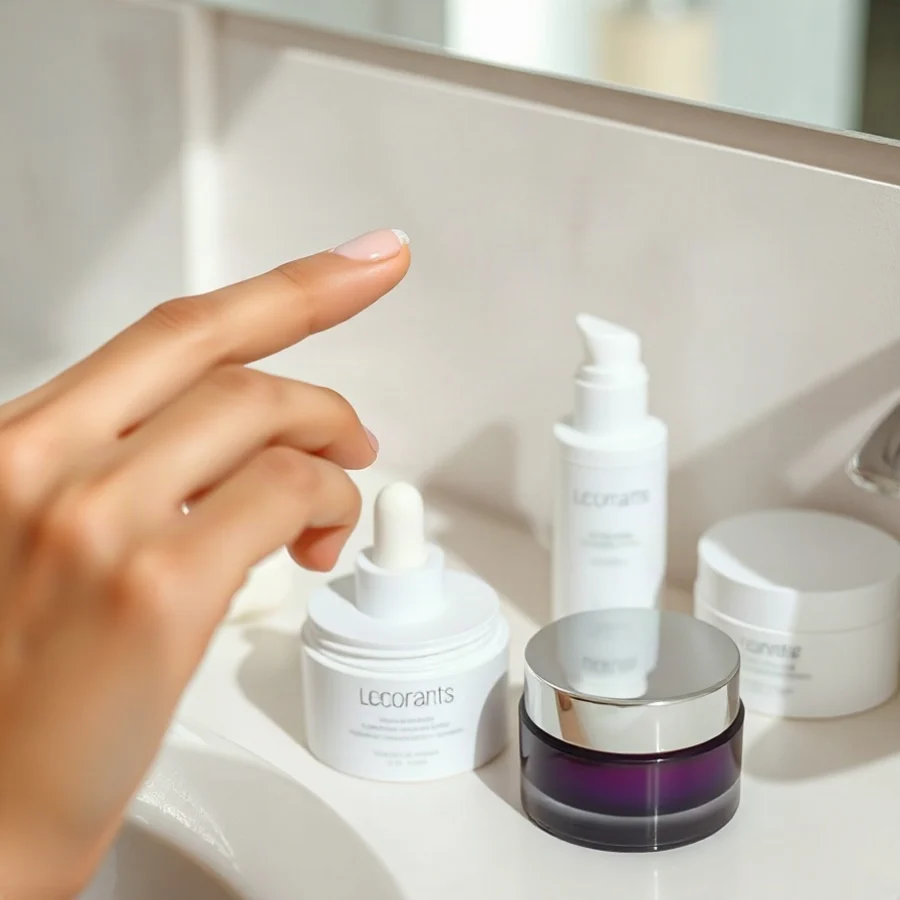
Examples include:
- Plant oils, such as jojoba, sunflower, or safflower oil
- Esters used to create a smooth cosmetic texture
- Fatty alcohols, such as cetyl alcohol or cetearyl alcohol
- Shea butter
- Squalane
- Ceramides, which support the skin barrier as part of a broader formula
Emollients can make flaky areas look less obvious and can reduce the rough, papery feeling that sometimes accompanies dryness. They do not physically remove wrinkles or repair every cause of under-eye discomfort. Their main role is to improve surface texture and support a more comfortable moisturizing routine.
Emollients versus occlusives
Emollients and occlusives are related but not identical. An occlusive forms a more protective layer over the skin, helping slow water loss. Petrolatum, mineral oil, and certain waxes are examples of occlusive ingredients. Some ingredients can provide both emollient and occlusive qualities, depending on the formula.
This distinction matters because a product can feel rich without being strongly occlusive, and a lightweight product can still include ingredients that help reduce water loss. Reading the complete ingredient list and considering the product’s texture may tell you more than a single marketing term.
Which is better for dry skin around the eyes?
Neither category is universally better. Humectants are useful when the skin feels dehydrated, tight, or dull. Emollients may be more helpful when the skin feels rough, flaky, or easily irritated by movement and cleansing. Many people with a dry eye area benefit from using both in the same routine.
A simple approach is to apply a hydrating product containing one or more humectants, followed by a cream with emollient ingredients. The second step can help leave the surface feeling smoother and may help reduce the uncomfortable tightness that returns quickly after cleansing.
For a broader overview of ingredient categories, use the eye cream ingredient guide. Product formulas vary, so check the current packaging or the manufacturer’s ingredient list before buying or using a specific product.
How to build a routine for a dry eye area
1. Start with gentle cleansing
Use a cleanser that removes makeup and sunscreen without requiring repeated rubbing. Avoid scrubbing the under-eye area with a washcloth, cotton pad, or cleansing tool. If makeup is difficult to remove, holding a suitable remover against the area for a short time may be more comfortable than dragging the skin.
Cleanse with lukewarm rather than very hot water, and pat dry without pulling at the skin. If your eye area feels tight immediately after cleansing, the cleanser or cleansing method may be contributing to the problem.
2. Apply humectants to slightly damp skin
A lightweight, fragrance-free hydrating product may be easier to spread when the skin is slightly damp. Use a small amount and keep it on the orbital area rather than placing product directly into the eyes or too close to the lash line. The amount and placement should follow the product label.
More product is not necessarily more effective. Applying several layers can increase pilling, stickiness, or the chance that a product migrates into the eyes.
3. Seal in comfort with an emollient moisturizer
Follow with an eye cream or facial moisturizer containing suitable emollients if the area still feels dry. A cream may be preferable to a very light gel when the skin is rough or flaky, although texture preference and tolerance differ from person to person.
Apply by gently pressing the product into the skin with a clean fingertip. Avoid tugging, and allow the product to settle before applying makeup. If concealer separates or creases more after adding skincare, try using less product or allowing more time between layers.
4. Protect the area during the day
Sun protection can help reduce ongoing environmental exposure that contributes to visible changes in the skin. Choose a sunscreen that is labeled for use around the eyes if you find that facial sunscreen stings or migrates. Sunglasses and a hat can also reduce squinting and direct sun exposure.
Sunscreen does not correct every type of dark circle. Under-eye darkness can have different visible contributors, including shadowing, pigmentation, thin-looking skin, and vascular tones. Dryness may make the area look duller or emphasize fine lines, but moisturizing alone may not change other contributors.
Ingredient combinations that may make sense
A practical formula for dry eye area skin may include a humectant, an emollient, and an ingredient that helps reduce water loss. For example, glycerin paired with squalane or a lightweight oil can provide hydration and a softer finish. A formula containing ceramides, fatty alcohols, or shea butter may feel more supportive when the skin is rough, although richer textures are not comfortable for everyone.
Some people prefer a simple moisturizer rather than layering multiple products. That can be a sensible choice, especially if the area is sensitive or prone to stinging. A short ingredient list does not guarantee that a product will suit you, but fewer layers can make it easier to identify what is causing a reaction.
Be cautious with formulas that combine hydration ingredients with potentially irritating actives such as retinoids, exfoliating acids, or strong fragrance. These ingredients may have a place in some cosmetic routines, but the eye area can be less tolerant. Follow the product label, introduce one new product at a time, and stop using it if burning, persistent redness, swelling, or worsening irritation develops. Seek medical advice for significant or ongoing symptoms.
Common mistakes when moisturizing the eye area
Using a humectant without enough moisture support
A watery serum may feel hydrating at first but fail to relieve persistent dryness if it is not followed by a suitable cream. This does not mean humectants are ineffective. It may simply mean that the overall routine needs more emollient or occlusive support.
Applying rich products too close to the eyes
A heavy balm can migrate as the skin warms, especially overnight. This may lead to watering, blurred vision, or irritation. Keep the product on the surrounding skin and use less if you notice migration. Do not use a cosmetic product inside the eye unless it is specifically labeled for that purpose.
Rubbing to remove flakes
Rubbing may temporarily remove loose flakes but can increase irritation and make the area look more inflamed. Gentle cleansing and consistent moisturization are usually more appropriate for cosmetic dryness. If scaling, itching, redness, or swelling continues, a healthcare professional can help determine whether something other than ordinary dryness may be involved.
Changing too many products at once
Introducing several new products makes it difficult to identify the source of stinging or redness. Add one product at a time and consider patch testing as directed, while remembering that the eye area may react differently from the patch-test location. Stop using any product that causes a concerning reaction.
How to choose between a gel, lotion, and cream
Gel textures often suit people who dislike heaviness or who experience occasional dryness rather than constant roughness. Lotions can offer a middle ground. Creams and balms may be more comfortable when the skin feels persistently tight or flaky, but they can be too rich for some users or more likely to migrate.
Choose based on your skin’s current needs, the season, and how the product behaves under sunscreen or makeup. A product labeled for sensitive skin may still contain an ingredient that does not suit you, so review the current label. Formulas can change over time, and online descriptions may not reflect the latest packaging.
If you are unsure where to begin, the under-eye routine builder can help organize basic routine choices. You can also browse guidance for sensitive skin around the eyes before adding stronger cosmetic actives.
What results are realistic?
With consistent use, a suitable moisturizer may make the eye area feel less tight and look smoother, less flaky, or more comfortable under makeup. Hydration can soften the appearance of some fine dehydration lines, but it does not erase established wrinkles or permanently remove dark circles.
Results may be limited if the main concern is genetic pigmentation, facial structure, pronounced shadowing, allergies, irritation, or another health-related issue. Persistent itching, pain, marked swelling, discharge, vision changes, or a rash should not be managed solely with cosmetic skincare. Consider consulting a qualified healthcare professional for those symptoms.
A simple takeaway for dry eye area skin
Humectants attract water; emollients smooth and soften the skin’s surface. For many dry under-eye areas, combining the two in a gentle, well-tolerated formula is more practical than choosing one category exclusively. Start with mild cleansing, apply a modest amount of hydrating product, follow with an emollient moisturizer if needed, and avoid rubbing.
Keep expectations cosmetic and realistic: better hydration may improve comfort and the look of surface dryness, but it will not address every cause of dark circles or other under-eye concerns. Check current ingredient lists, introduce new products carefully, and adjust the routine if the skin becomes irritated.

Comments
0No comments yet. Be the first to share a helpful note or question.
Leave a Comment
Your email address will not be published. Comments are reviewed before appearing on the site.