
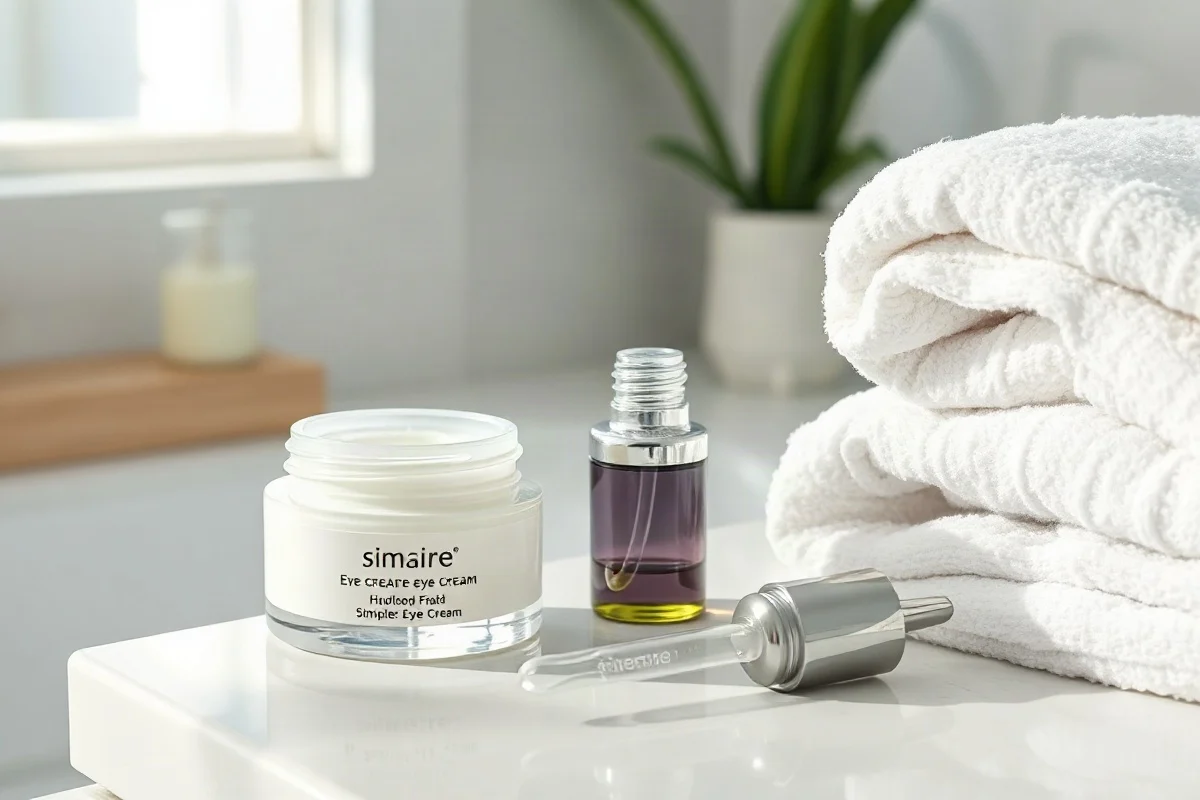
For an eye cream aimed at puffiness, look first for caffeine, humectants such as hyaluronic acid and glycerin, soothing ingredients such as niacinamide and panthenol, and a lightweight formula that does not irritate the delicate eye area. These ingredients may temporarily make under-eye swelling look less noticeable or help the skin appear smoother and more hydrated. They cannot diagnose or treat the medical causes of persistent swelling, and no topical product works equally well for every type of eye bag.
Puffiness can have several visible patterns. Some people notice temporary morning swelling after sleeping poorly, crying, eating a salty meal, or experiencing seasonal irritation. Others have fullness related to natural anatomy, skin laxity, shadows, or fat pads beneath the eyes. An eye cream may be most useful for surface dehydration and temporary fluid-related puffiness, while its effect may be limited when the main concern is structural. Understanding that distinction can make ingredient shopping more realistic.
Caffeine for a temporarily less puffy appearance
Caffeine is one of the most recognizable ingredients in products marketed for under-eye puffiness. In topical skincare, it is commonly included because it may help the skin look temporarily more toned and less swollen. This can make it a practical choice for a morning eye product, especially when puffiness varies from day to day.
Caffeine does not permanently remove eye bags, and a cosmetic cream should not be described as a treatment for swelling caused by an underlying health condition. Results can also depend on the rest of the formula, the amount applied, and the reason the area looks puffy in the first place. If you are comparing products, check that caffeine appears on the current ingredient list rather than relying only on the product name or front-label language.
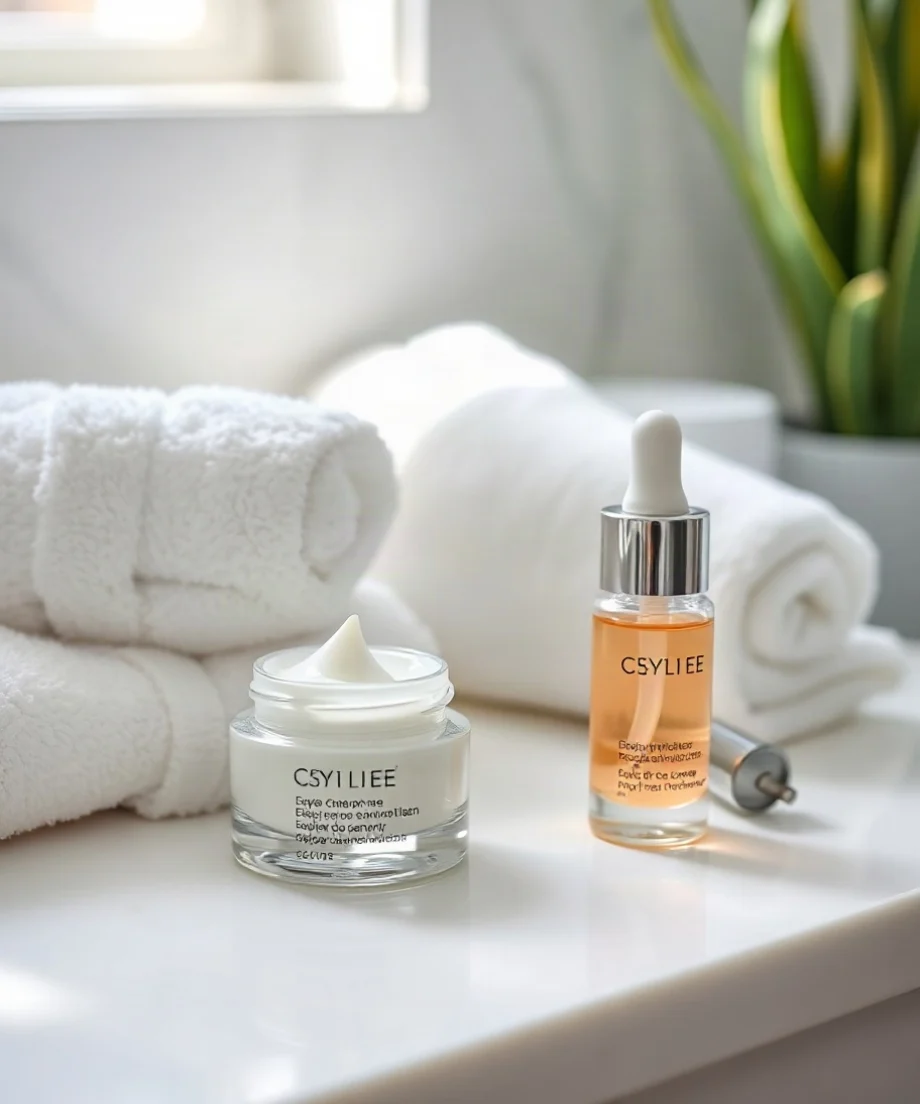
A cooling applicator or a product stored according to its label may add a short-term refreshing sensation, but coolness itself is not proof that a formula will produce a lasting visual change. Avoid pressing hard or dragging the skin while applying it.
Humectants to improve hydration and surface smoothness
Dehydrated skin can make the under-eye area look crepey, dull, or more shadowed. Humectants attract and hold water in the outer layers of skin, helping the surface appear softer and more comfortable. They may not reduce deeper puffiness, but they can improve the overall look of the area when dryness makes texture more noticeable.
Useful humectants to recognize
- Hyaluronic acid: A group of water-binding ingredients that can give the skin a temporarily plumper, smoother appearance.
- Glycerin: A widely used humectant that supports a hydrated feel and can be suitable in many types of eye creams.
- Propanediol: A moisturizing ingredient that may also help create a comfortable product texture.
- Panthenol: Often used as a conditioning ingredient, it can help the skin feel less dry and tight.
Humectants generally work best as part of a balanced formula. If your under-eye skin feels dry after cleansing, a cream with humectants followed by a compatible moisturizing layer may help reduce the look of fine surface lines. Apply only a small amount, because too much product can migrate into the eyes and cause watering or discomfort.
For more ingredient definitions, see the site's eye cream ingredient guide.
Niacinamide for barrier support and a more even look
Niacinamide, a form of vitamin B3, is used in skincare for several cosmetic purposes, including supporting the skin barrier and improving the appearance of uneven tone. In an eye cream, it may be useful when puffiness is accompanied by dryness, dullness, or a generally tired-looking appearance.
Niacinamide is not a de-puffing ingredient in the same direct sense as caffeine. Its value is more related to the condition and appearance of the skin around the eyes. A healthier-feeling moisture barrier may make the area look smoother and less rough over time, but it should not be expected to change natural under-eye anatomy.
Even ingredients often considered gentle can cause stinging or redness in some people, particularly around the eyes. Follow the product's directions, keep it away from the lash line unless the label says otherwise, and stop using it if irritation develops.
Soothing ingredients for easily irritated under-eyes
Irritation can make the eye area look red, watery, or more swollen. If your skin reacts easily, a simple formula with soothing and conditioning ingredients may be a better choice than a product packed with multiple strong actives. Look for ingredients such as panthenol, allantoin, colloidal oatmeal, or certain forms of centella asiatica when they are included in a formula you tolerate well.
These ingredients may support a more comfortable-looking skin surface, but they do not identify the reason for redness or swelling. Fragrance, essential oils, strong exfoliating acids, and other potential irritants can be problematic for some people near the eyes. Ingredient safety depends on the complete formula and your individual sensitivity, not just on whether one ingredient sounds soothing.
If you have sensitive skin, introduce one new eye product at a time. Test a small amount on an area away from the eyes first, follow the label, and discontinue use if you experience burning, persistent redness, rash, or worsening discomfort. The site's sensitive-skin eye cream guidance can help you compare gentler selection priorities.
Peptides and moisturizers for a smoother appearance
Peptides are short chains of amino acids used in many products designed for the appearance of fine lines and loss of firmness. A peptide-containing eye cream may help the skin look more conditioned and smooth, depending on the formula and consistent use. For puffiness, their role is usually indirect: improving surface texture can make shadows and creasing less prominent, even when the underlying fullness remains.
Moisturizing ingredients such as ceramides, squalane, shea butter, and fatty alcohols can also support a softer-looking under-eye area. They may be especially helpful when dryness makes the skin look thin or wrinkled. However, richer textures are not automatically better. A heavy or occlusive product may feel uncomfortable, cause makeup to shift, or be unsuitable if you are prone to tiny bumps around the eyes.
Choose texture based on your skin's needs. A gel-cream may feel comfortable for daytime use, while a richer cream may suit dry skin at night. Neither texture guarantees that puffiness will improve.
Ingredients to approach carefully around the eyes
Some products marketed for mature skin or uneven tone include retinoids, exfoliating acids, vitamin C derivatives, or other active ingredients. These can have a place in an under-eye routine, but the eye area is thin and easily irritated. They may be inappropriate for some users, especially when applied too close to the eye or combined with several other active products.
Retinol and related ingredients are more commonly selected for the appearance of fine lines and texture than for immediate puffiness. If you choose one, use only a product intended for the eye area, follow the label carefully, introduce it gradually, and consider professional advice if you are pregnant, nursing, taking medications, or managing a skin condition. Do not use irritation as evidence that a product is working.
Fragrance and essential oils can also be potential sources of discomfort. A fragrance-free product may be worth considering if your eyes water easily, although fragrance-free does not guarantee that a formula will suit everyone. Always review the current packaging and full ingredient list because formulas can change.
How to choose an eye cream for puffiness
- Identify the pattern. If puffiness is most noticeable in the morning and changes throughout the day, a lightweight product with caffeine and hydrating ingredients may be a reasonable cosmetic option. If fullness remains similar all day, expectations should be more modest.
- Keep the formula simple. A shorter ingredient list can make it easier to identify a potential irritant and may be preferable for sensitive skin.
- Match the texture to your skin. Dry skin may prefer a cream with humectants and barrier-supporting moisturizers. Oily or easily congested skin may prefer a lighter lotion or gel-cream.
- Check the current label. Marketing language can stay the same while formulas change. Verify the ingredient list on the packaging or the manufacturer's current product page before buying.
- Consider your full routine. Layering several active products near the eyes can increase the chance of irritation. Add one new product at a time.
Application habits that may improve comfort
Use a small amount on clean, dry skin and gently tap it along the orbital bone, unless the product label gives different instructions. Avoid applying cream directly into the eye, on the waterline, or too close to the lashes if the product tends to migrate. Rubbing can worsen discomfort and may make temporary redness more noticeable.
For morning puffiness, some people prefer applying a lightweight eye product after cleansing and before sunscreen. Sunscreen should be used as directed on the rest of the exposed face, while avoiding contact with the eyes. If makeup is part of your routine, allow the eye cream to settle before concealer to reduce pilling and creasing.
When an eye cream may not be the right answer
Skincare can address the appearance of the skin surface, but it cannot explain every type of under-eye swelling. Persistent, sudden, painful, one-sided, or severely worsening swelling warrants medical attention rather than repeated product changes. Swelling accompanied by vision changes, significant redness, discharge, breathing difficulty, or other concerning symptoms should be evaluated promptly.
An eye cream also cannot be expected to change inherited anatomy, prominent fat pads, or pronounced skin laxity. In those situations, a cosmetic product may add hydration or create a smoother finish, but the visible change may be limited. For practical routine planning, you can use the site's under-eye routine builder to organize ingredients around your skin type and primary concern.
The most useful starting point is usually a well-tolerated formula with caffeine for a potentially temporary less-puffy look, humectants for hydration, and soothing or barrier-supporting ingredients for comfort. Choose realistic claims, introduce products slowly, and judge the formula by how your skin responds rather than by dramatic promises on the label.

Comments
0No comments yet. Be the first to share a helpful note or question.
Leave a Comment
Your email address will not be published. Comments are reviewed before appearing on the site.