
The ingredients that deserve the most caution around the eyes are retinoids, exfoliating acids, strong vitamin C formulas, benzoyl peroxide, and fragranced or essential-oil-heavy products. These ingredients are not automatically off-limits, but layering several potentially irritating products can make the thin, delicate skin around the eyes feel dry, tight, stinging, or visibly red. A simpler routine—using one active at a time, following the label, and keeping products away from the lash line—can make it easier to identify what your skin tolerates.
This guidance is about cosmetic use and comfort, not diagnosing or treating an eye condition. Dark circles, puffiness, and fine lines can have many possible contributors, and skincare cannot address every cause. If you have persistent swelling, pain, significant redness, vision changes, discharge, or a reaction that does not improve after stopping a product, contact a qualified medical professional.
Why mixing eye-area ingredients requires extra care
The skin around the eyes is often more prone to dryness and irritation than skin on other parts of the face. Products can also migrate during blinking, sweating, or sleep. An ingredient that feels comfortable on the cheeks may sting near the eyes, especially when applied too close to the lash line or used on already-dry skin.
“Mixing” can mean applying products in the same routine, combining them in your hand, or using multiple strong products on overlapping nights. The risk is not always a chemical incompatibility. More often, the concern is cumulative irritation: several products may each be tolerable alone but uncomfortable when layered together.
Product formulas also change. Check the current packaging and the manufacturer’s ingredient list before relying on older product information, particularly when a formula’s active ingredients, directions, or warnings matter to your routine.
Retinoids and exfoliating acids
Retinoids, including retinol and related vitamin A ingredients, are commonly used in cosmetic routines focused on the appearance of fine lines, uneven texture, or discoloration. Alpha hydroxy acids, such as glycolic or lactic acid, and beta hydroxy acids, such as salicylic acid, are exfoliating ingredients that may also be found in facial products.
Using a retinoid and an exfoliating acid in the same eye-area routine can be especially drying or irritating. This does not mean every person will react, or that the ingredients can never appear in the same broader skincare routine. It does mean that applying both to the delicate under-eye area at once may be an unnecessarily aggressive starting point.
A more cautious approach
- Use only one potentially irritating active around the eyes at a time.
- Consider alternating nights instead of layering a retinoid and an acid.
- Start with the product’s label directions rather than increasing frequency quickly.
- Keep the product away from the eyelids, inner corners, and lash line unless the label specifically indicates otherwise.
- Use a bland, fragrance-free moisturizer if your routine needs more comfort and the product directions allow it.
For an overview of ingredient categories and their common cosmetic roles, see our eye cream ingredient guide. If you are new to retinoids, you can also review products and routine considerations in our retinol eye cream coverage.
Strong vitamin C formulas and other actives
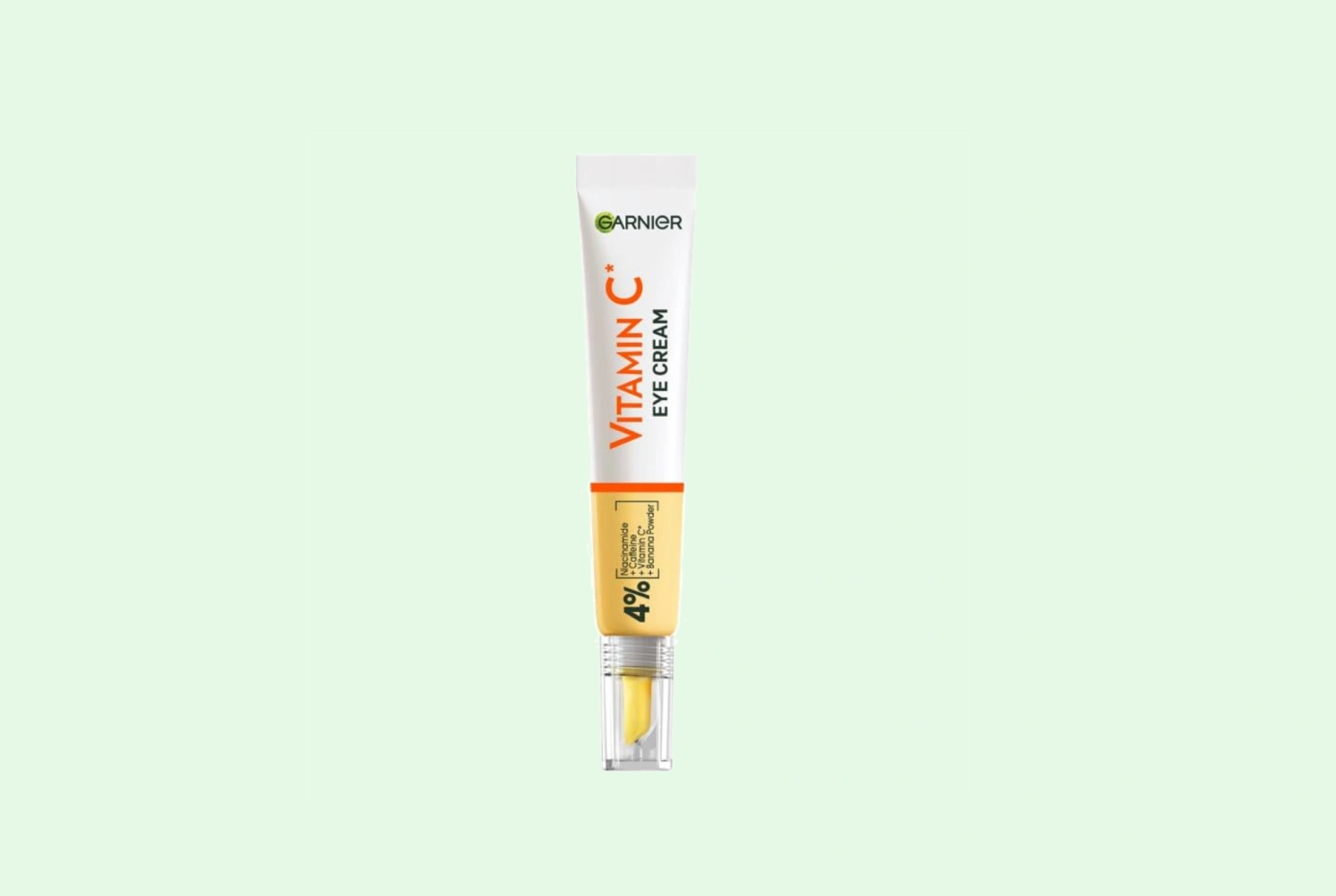
Vitamin C is used in skincare for the appearance of brightness and more even-looking tone. Different vitamin C derivatives and formulas can feel very different, and the label may indicate whether a product is intended for the eye area. Some formulations may be more noticeable on sensitive skin, particularly when combined with other active ingredients.
Rather than automatically avoiding vitamin C with every other ingredient, pay attention to the complete formula and your skin’s response. Combining a strong vitamin C product with a retinoid or exfoliating acid may increase the chance of dryness or stinging around the eyes. If you want to try more than one active, separate them by time of day or alternate days instead of introducing both together.
Moisturizing ingredients such as glycerin, squalane, and hyaluronic acid are generally used to support a comfortable skin feel, but “hydrating” does not guarantee that a complete formula will suit everyone. Preservatives, botanical extracts, fragrance, and the product’s overall acidity can also affect comfort. Always follow the specific product directions.
Benzoyl peroxide and acne treatments
Benzoyl peroxide is an acne-focused ingredient that can be drying and irritating, and it is usually not a sensible choice for applying close to the eyes unless a qualified clinician has specifically directed you to do so. Acne treatments can migrate into the eyes and cause intense discomfort. They may also dry the surrounding skin, making under-eye texture look temporarily more noticeable.
If you use benzoyl peroxide elsewhere on your face, apply it carefully and wash your hands before touching the eye area. Avoid bringing it onto the eyelids or directly beneath the lash line. The same caution applies to other facial acne treatments: the fact that a product is suitable for one area does not mean it belongs around the eyes.
Fragrance, essential oils, and cooling ingredients
Fragrance and essential oils are not active ingredients that everyone must avoid, but they can be problematic for people whose eye area is easily irritated. Cooling or tingling ingredients, including menthol-like materials, may create a sensation of freshness without necessarily improving the underlying cause of dark circles or puffiness. A tingling sensation is not proof that a product is working.
When choosing an eye product, look for directions that clearly identify the intended area of use. If your skin is sensitive, a simple fragrance-free formula may be easier to evaluate than a product containing many potentially reactive extras. Even a product marketed for sensitive skin can cause a reaction, so patch testing and gradual introduction remain reasonable precautions.
Ingredients that are usually easier to pair
Not every combination needs to be complicated. A basic eye-area routine may include a gentle cleanser or makeup remover, a moisturizer, and daytime sun protection used as directed. Humectants such as glycerin can help a product feel less drying, while emollients and occlusive ingredients can support a smoother-feeling surface. These ingredients may be easier to combine with an active than another exfoliating or retinoid product, but the full formula still matters.
Niacinamide is another ingredient often included in products designed for the appearance of uneven tone or a healthier-looking skin barrier. It is not automatically incompatible with retinoids, vitamin C, or moisturizing ingredients. However, more products still mean more opportunities for irritation, so adding several new formulas at once makes it difficult to identify the cause of a reaction.
Caffeine-containing eye products are commonly marketed for a more awake-looking appearance, particularly when puffiness is the concern. They should not be treated as a medical solution for swelling, and their effect may be limited or temporary. If you are comparing options, our coverage of caffeine eye cream can help you think through the ingredient’s intended cosmetic role.
How to introduce an active around the eyes
- Read the label first. Confirm that the product is intended for the eye area and note any warnings or usage limits.
- Change one variable at a time. Do not introduce a new retinoid, acid, cleanser, and eye cream during the same week.
- Use a small amount. More product does not necessarily produce a better cosmetic result and may increase migration into the eyes.
- Keep your application controlled. Avoid the waterline, inner corner, and immediate lash roots unless the product specifically gives different instructions.
- Use a patch test when appropriate. A patch test cannot predict every reaction, but it may provide useful information about basic tolerance.
- Wait before adding another active. Give yourself time to understand how your skin responds rather than building a complicated routine immediately.
If burning, itching, swelling, pronounced redness, peeling, or persistent discomfort develops, stop using the suspected product. Do not try to push through a reaction. Rinse the area carefully if product has entered the eye, and seek medical advice if symptoms are severe, continue, or affect vision.
How to simplify a routine for dark circles and puffiness
Start by identifying the main cosmetic concern. Under-eye darkness may look brown, gray, blue, or purple depending on factors such as visible pigmentation, shadows, and the appearance of underlying vessels. Puffiness can also vary with sleep, allergies, fluid retention, or other factors that skincare products may not resolve. These differences are one reason a single “best” active cannot be recommended for everyone.
A practical starting routine might be a gentle, non-irritating moisturizer in the evening and broad-spectrum sunscreen for exposed skin during the day, used according to the product directions. Add one targeted cosmetic ingredient only if you have a clear reason to try it. If dryness is already present, focus on comfort before adding exfoliants or retinoids.
Our under-eye routine builder can help organize choices by concern and skin type. Remember that cosmetic products may soften the look of dryness, improve the feel of the skin, or make an area appear more refreshed, but they cannot guarantee that dark circles, puffiness, or fine lines will disappear.
When “compatible” does not mean comfortable
Ingredient compatibility charts can be useful, but they are not a substitute for the product label or your own tolerance. Two ingredients may be chemically compatible yet still feel too strong together for the eye area. Conversely, a routine that looks complicated on paper may be comfortable because the products use gentle formulas and are applied to different areas.
For under-eye skincare, the most reliable strategy is usually restraint: avoid stacking several strong actives, introduce products gradually, protect the area from unnecessary friction, and reassess whenever irritation appears. Check current ingredient lists before purchasing, since formulas and directions can change. A careful routine may be less exciting than combining every popular active, but it is easier to maintain and evaluate.

Comments
0No comments yet. Be the first to share a helpful note or question.
Leave a Comment
Your email address will not be published. Comments are reviewed before appearing on the site.