
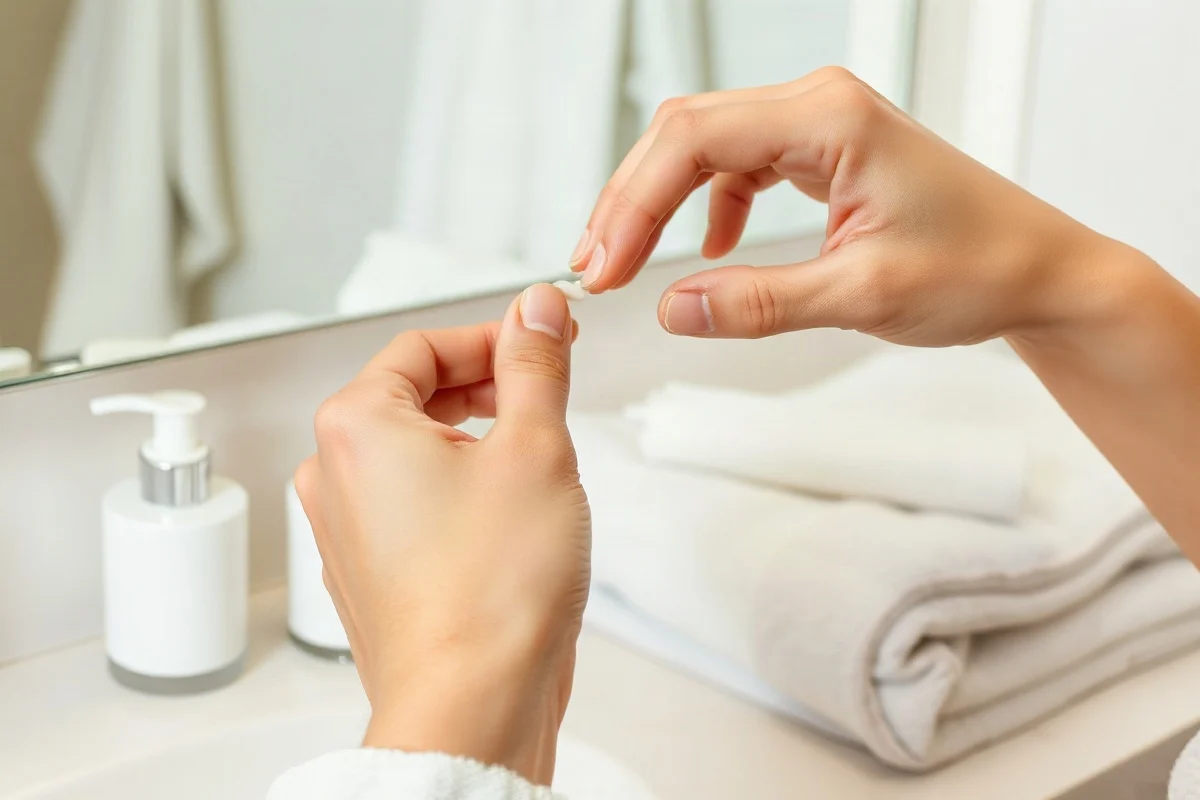
To introduce retinol around your eyes with less risk of irritation, start with a small amount on dry skin, use it infrequently, keep it away from the lash line, and increase use only if your skin remains comfortable. Apply a bland moisturizer before or after retinol if needed, avoid combining it with other potentially irritating actives at first, and stop if you develop persistent burning, swelling, or a rash.
Retinol can be useful in a routine focused on the appearance of fine lines, uneven texture, or dull-looking skin, but the under-eye area is especially easy to overdo. It is thinner and more delicate than many other areas of the face, and irritation can make dryness, creasing, redness, or shadowing look more noticeable. A slower introduction is usually more practical than trying to follow a face-care schedule immediately.
Why the under-eye area needs a slower approach
The skin beneath the eyes has less room for error. Products can migrate during blinking, sweating, or sleep, even when they are applied carefully. The area may also become uncomfortable more quickly when exposed to multiple exfoliating or renewing ingredients.
Retinol is a vitamin A derivative used in cosmetic skincare. It can support the appearance of smoother, more even-looking skin over time, but it may initially cause dryness, flaking, tightness, redness, stinging, or sensitivity. These effects are not a sign that a product is working better, and pushing through significant irritation is not a useful strategy.
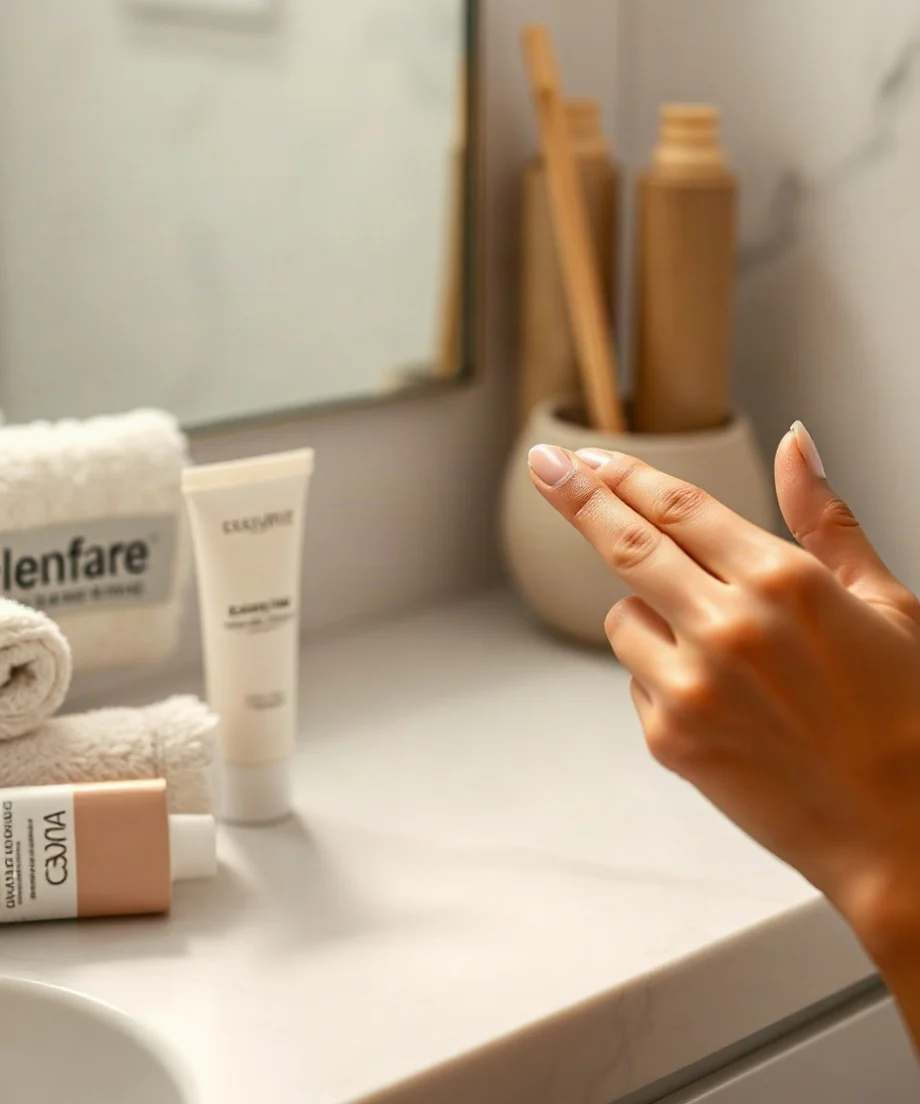
It is also important to separate cosmetic care from medical treatment. Retinol eye products may improve the look of certain surface concerns for some people, but they do not diagnose or treat every cause of dark circles, puffiness, discoloration, or changes in the skin. Genetics, visible blood vessels, shadows from facial structure, allergies, sleep disruption, sun exposure, and other factors can all affect the under-eye area.
Choose a simple starting routine
Before adding retinol, keep the rest of your routine predictable. A gentle cleanser, a basic moisturizer, and daytime sun protection can make it easier to tell whether retinol is causing a reaction. Avoid introducing several new products during the same week, since that makes the source of irritation difficult to identify.
Check the product instructions first
Follow the product label for where and how often the formula should be used. Eye products vary in texture, packaging, ingredient combinations, and directions, and formulas can change. Check the current packaging and, when product-specific details matter, review the manufacturer’s current ingredient list and instructions.
If you are comparing formulas, our eye cream ingredient guide can help you understand the role of common ingredients without treating any single one as a guaranteed solution.

Patch-test cautiously
A patch test cannot predict every reaction, but it can be a sensible precaution. Apply a small amount according to the product’s directions to a limited area away from the eye itself. Do not place an untested product directly on the eyelid, in the inner corner, or along the waterline. If the test area becomes irritated, do not proceed with under-eye use.
People with a history of eczema, contact dermatitis, very reactive skin, or eye-area irritation may want to ask a qualified health professional whether retinol is appropriate for them. Seek medical advice for significant swelling, painful irritation, blistering, vision changes, or symptoms that do not settle after stopping the product.
How to apply retinol around the eyes
Use less product than you think you need. A thin, even layer is generally more appropriate than a thick coating. Apply retinol to clean, completely dry skin unless the product label says otherwise. Damp skin can sometimes increase the feeling of penetration and may make a potentially irritating product feel less comfortable.
- Cleanse gently and pat the area dry.
- Wait until the skin feels fully dry if moisture tends to increase your sensitivity.
- Use a very small amount for both under-eye areas, following the label.
- Tap it along the orbital area, staying below the lower lash line and away from the inner corners.
- Do not apply directly to the eyelids or waterline unless the product specifically instructs you to do so.
- Wash your hands after application, then use a moisturizer if your skin needs additional comfort.
Keep the product away from the eye itself. If it gets into your eye, rinse thoroughly with clean water and follow the product’s safety directions. Avoid applying retinol immediately after rubbing, shaving, waxing, or otherwise irritating the surrounding skin.
Start with a gradual schedule
A conservative schedule is often easier to tolerate than nightly use. Begin with one evening per week for a few weeks, provided the skin remains comfortable. If there is no ongoing dryness, stinging, redness, or peeling, consider moving to two nonconsecutive evenings per week. Increase slowly only when the previous schedule feels manageable.
There is no requirement to use retinol every night. Some people may prefer occasional use because their skin does not tolerate a more frequent schedule. More frequent application is not automatically better, and irritation can force you to stop altogether.
Use retinol on a night when you can observe your skin afterward. If you notice mild dryness, reduce frequency and focus on moisturizer. If you experience pronounced burning, swelling, a rash, or worsening discomfort, stop using the product. Do not restart until the skin has returned to its usual condition, and seek professional guidance if the reaction is severe or persistent.
Use the moisturizer sandwich when appropriate
A moisturizer sandwich can make retinol feel gentler for some people. Apply a thin layer of a simple moisturizer, allow it to settle, use a small amount of retinol, and finish with another light layer of moisturizer if needed. This approach may be useful for dry or sensitive skin, although it can also change how the product feels and spreads.
Choose a moisturizer that your skin already tolerates. Avoid adding fragrance, exfoliating acids, or other strong actives to the same step while you are learning how the retinol product behaves. If the product label gives different instructions, follow the label.
You can find more routine-planning ideas in the site’s under-eye routine builder, particularly if you are balancing retinol with hydration or other concerns.
What to avoid at the beginning
When starting retinol, avoid stacking several potentially irritating ingredients around the eyes on the same night. Depending on your routine, this may include exfoliating acids, scrubs, strong acne treatments, or other retinoid products. Vitamin C products are not automatically incompatible with retinol, but combining multiple active products can make irritation harder to manage. Introduce changes one at a time.
Be cautious with fragranced products and essential oils near the eyes, especially if you already experience sensitivity. Do not use more product to compensate for a slow start, and do not apply it more often because the first few applications seem comfortable. Irritation can build gradually.
Daily sun protection is also important for maintaining a comfortable skincare routine. Use a sunscreen that is suitable for your skin and apply it as directed, taking care to avoid getting it in the eyes. Sunglasses and shade can provide additional practical protection outdoors.
How long should you use retinol before judging it?
Retinol is not a quick fix. Cosmetic improvements in the look of fine lines or texture, if they occur, generally require consistent use and patience. The timing and degree of change can vary with the formula, how often it is used, skin sensitivity, the concern being addressed, and other parts of the routine.
Do not judge the product by temporary peeling or redness. Those signs reflect irritation, not a guaranteed cosmetic benefit. If the skin looks more creased because it is dry, pause or reduce use rather than increasing it.
Retinol may also have limited value for certain types of dark circles. It cannot be expected to remove shadows caused by facial structure, change inherited pigmentation, or resolve puffiness from an underlying medical issue. For a broader overview of possible contributors, see the site’s dark circles guide.
Who may want extra caution?
Extra caution makes sense if your skin is already irritated, sunburned, peeling, or recovering from a cosmetic procedure. People using prescription retinoids or other medications that affect skin sensitivity should ask their prescribing clinician before adding an over-the-counter retinol product. If you are pregnant, trying to become pregnant, or breastfeeding, ask a qualified healthcare professional about retinoid use rather than relying on general skincare advice.
Anyone with recurring eyelid dermatitis, unexplained swelling, persistent itching, eye pain, or changes in vision should not use an eye cream as a substitute for evaluation. Cosmetic skincare can address appearance, but it cannot determine the cause of an eye or skin symptom.
A practical retinol introduction checklist
- Read the current label and verify product-specific directions.
- Patch-test cautiously before applying near the eyes.
- Begin with one evening per week.
- Apply a small amount to dry skin below the lower lash line.
- Keep the product away from the eyes, eyelids, and waterline unless directed otherwise.
- Use a familiar moisturizer to support comfort.
- Do not combine several potentially irritating actives at the start.
- Increase frequency only if your skin remains comfortable.
- Stop if significant irritation develops.
- Use daytime sun protection and keep expectations realistic.
The most successful approach is usually the one you can follow without persistent discomfort. A retinol eye product may have a place in a careful routine for the appearance of fine lines or uneven texture, but gradual use, label awareness, and skin comfort matter more than pursuing the strongest schedule. For more product research, browse the site’s retinol eye cream category and compare current labels before purchasing.

Comments
0No comments yet. Be the first to share a helpful note or question.
Leave a Comment
Your email address will not be published. Comments are reviewed before appearing on the site.