
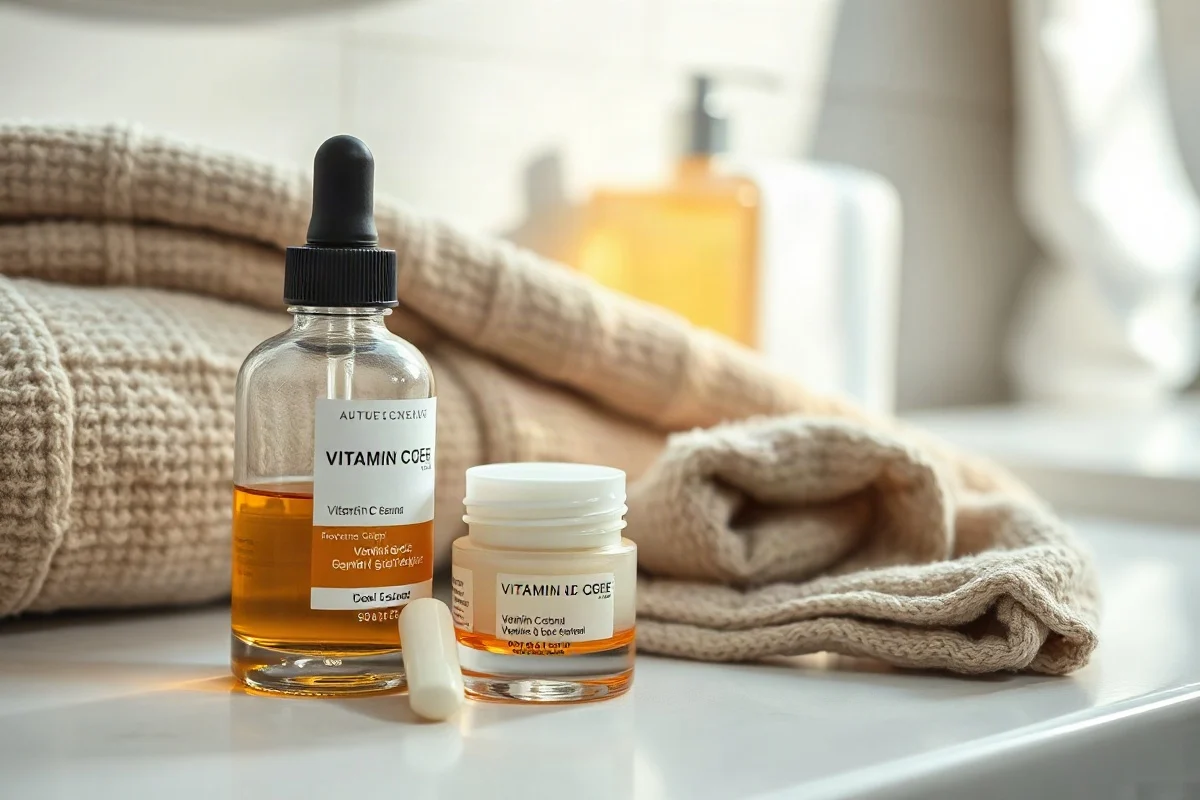
Vitamin C serum is not automatically too strong for the under-eye area, but a facial formula can be irritating if it is highly concentrated, acidic, fragranced, or applied too close to the eyes. The under-eye skin is thin and often more reactive than skin elsewhere on the face, so product choice and application matter. A gentler eye-area formula, a small amount, and gradual use may be more comfortable than applying a strong face serum directly beneath the eyes.
Vitamin C may help improve the look of uneven tone and dullness over time, but it cannot address every type of dark circle. Under-eye darkness can be influenced by visible blood vessels, natural hollowness and shadowing, pigmentation, allergies, rubbing, or lack of sleep. Skincare may improve the appearance of some concerns without diagnosing or treating their underlying cause.
Why facial vitamin C serum may feel too strong under the eyes
“Vitamin C serum” describes a broad group of products rather than one standardized formula. Products can differ in the type of vitamin C they use, the overall acidity, the supporting ingredients, and the intended application area. A serum designed for the face may also contain exfoliating acids, fragrance, essential oils, or other active ingredients that increase the chance of stinging around the eyes.
The skin below the eyes has less surface area to tolerate product, and the area is exposed to frequent movement from blinking and facial expression. Products can also migrate toward the eye after application. A formula that feels comfortable on the cheeks may therefore sting, water the eyes, or cause redness when used too close to the lash line.
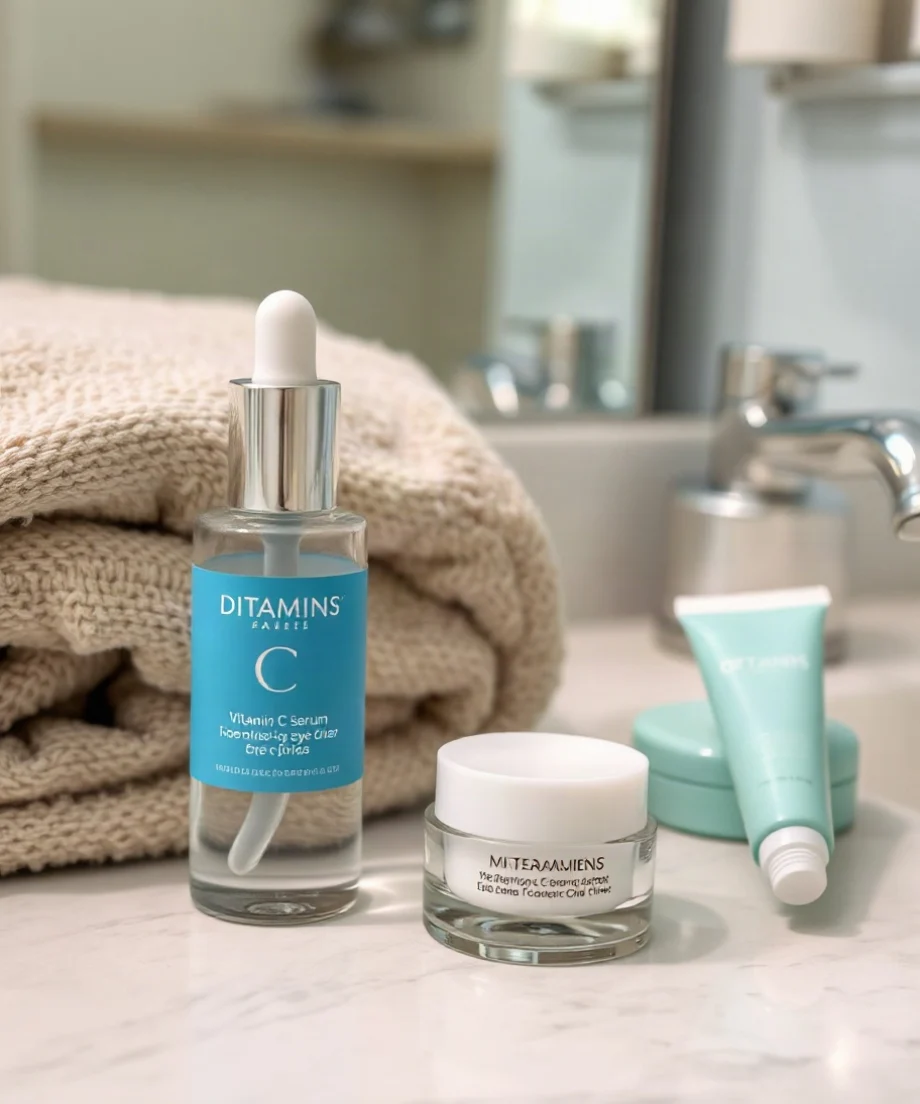
That does not mean all vitamin C products are unsuitable for the eye area. It means that tolerance should be treated as individual, and the product label should take priority. If the packaging says to avoid the eye area, do not use that product beneath the eyes simply because it contains an ingredient associated with brightening.
What vitamin C may do for the look of dark circles
Vitamin C is commonly used in cosmetic skincare for a brighter, more even-looking complexion. In an under-eye product, it may be included to support the appearance of dull or uneven-looking skin. Some formulas combine it with moisturizing ingredients or other antioxidants, while others are built around a particular vitamin C derivative.
Expectations should remain realistic. Dark circles are not one single cosmetic concern, and vitamin C is unlikely to make every type of under-eye darkness look the same. For example, a brown or gray cast may have a different visual cause from a blue or purple appearance caused by the way light reflects from thin skin. A hollow beneath the eye can also create a shadow that topical skincare cannot fully change.
Vitamin C also cannot replace sun protection, sleep, or medical care when those are relevant to the concern. Daily sunscreen used as directed can help reduce the effects of ongoing sun exposure on visible uneven tone, although sunscreen may be difficult to apply close to the eyes if it causes stinging. Sunglasses, hats, and avoiding intentional tanning can provide additional protection.

For a broader overview of common under-eye concerns, see our guide to dark circles.
Which vitamin C formulas may be easier to tolerate?
There is no single vitamin C format that works for everyone. Some shoppers look for a lower-irritation eye-area product, while others prefer to avoid vitamin C if their skin reacts easily. The ingredient list and directions can help you assess the formula, but they cannot guarantee how your skin will respond.
Eye-area formulas
A product specifically labeled for the eye area may be a more logical starting point than a strong facial serum. Its directions should explain where it can be applied and whether it should be kept away from the eyelids or lash line. Product formulas can change, so verify the current packaging and manufacturer ingredient list before buying or using a product.
Vitamin C derivatives
Some products use vitamin C derivatives rather than pure ascorbic acid. Derivatives are used in many cosmetic formulations for reasons related to stability, texture, or tolerability, but the presence of a derivative does not automatically mean a product will be irritation-free. The complete formula still matters, and personal tolerance varies.
Simple, fragrance-free formulas
If your under-eye skin is easily irritated, a simpler formula without added fragrance may be easier to evaluate. This is not a guarantee of comfort, because irritation can come from many ingredients or from applying too much product. Still, reducing the number of new variables may make it easier to identify what your skin can tolerate.
Our eye cream ingredient guide can help you compare vitamin C with other commonly used eye-area ingredients.
How to try vitamin C around the eyes more cautiously
Start by reading the product directions. If the label does not recommend under-eye use, keep the product on areas where it is intended to be applied. If the label allows eye-area application, use a conservative approach:
- Patch-test the product according to the label before applying it near the eyes.
- Apply a very small amount to clean, dry skin, keeping a safe distance from the lash line and the eye itself.
- Avoid applying it to cracked, peeling, recently shaved, or already irritated skin.
- Introduce it gradually rather than using it several times a day from the start.
- Do not layer it immediately with several other potentially irritating actives.
- Wash your hands after application and avoid rubbing your eyes.
- Stop using the product if you develop persistent stinging, redness, swelling, itching, rash, or watering.
Patch testing can provide useful information, but it cannot predict every reaction around the eyes. The eye area may still respond differently from the patch-test site. If a product gets into the eye, follow the product’s safety directions and rinse as appropriate. Seek medical advice for severe, persistent, or concerning symptoms.
Should you apply vitamin C before or after eye cream?
There is no universal order that makes every vitamin C product safer or more effective. Follow the directions for the specific formula. In a simple routine, a water-based treatment may be applied before a moisturizer, while a richer eye cream may be used afterward. However, layering multiple products can increase the total number of ingredients touching the area and may make irritation more difficult to identify.
If your skin is sensitive, you might choose to use vitamin C on the face while leaving the under-eye area to a bland moisturizer. Another option is to use an eye-area product on separate days from other active treatments. The goal is not to use the most ingredients possible; it is to choose a routine that your skin can tolerate consistently.
Our under-eye routine builder can help organize product choices around concerns such as dryness, puffiness, or uneven-looking tone.
When to skip vitamin C under the eyes
Consider avoiding vitamin C near the eyes if the area is currently irritated, very dry, peeling, or recovering from a procedure. You may also want to be cautious if you frequently experience watery eyes, eyelid sensitivity, or reactions to skincare products. In these situations, a basic, fragrance-free moisturizer may be a more sensible temporary choice than adding another active ingredient.
Do not use a facial serum under the eyes just because it is marketed for brightening. Check whether the brand specifically allows application in that area, and follow any warnings about the eyelids, lash line, or direct contact with the eyes. If the product has no clear directions for under-eye use, choosing a product made for that area is the more cautious option.
How to choose a vitamin C eye product
When comparing products, focus on practical details rather than promises of dramatic transformation:
- Look for clear directions explaining whether the formula is intended for the eye area.
- Check the current ingredient list for fragrance, essential oils, exfoliating acids, and other actives you know your skin does not tolerate.
- Consider whether the texture works with your routine and does not require vigorous rubbing.
- Look for packaging that protects the formula according to the manufacturer’s instructions.
- Review the product’s warnings, storage guidance, and recommended use.
- Compare the product with your primary concern, such as uneven-looking tone, dryness, puffiness, or fine lines.
Packaging and formulas can change. Before using a product, confirm the current label and manufacturer information rather than relying on an older product description, retailer listing, or social media post.
When dark circles need a different approach
Vitamin C may be a reasonable cosmetic option for some people, but it is not a universal answer. If the main concern is a hollow or shadow beneath the eye, topical brightening products may have limited visible impact. If puffiness is the main issue, a vitamin C serum may not be the most relevant product category. If dryness makes the area look creased, improving moisturization may be more useful than adding a stronger active.
Sudden changes, one-sided swelling, significant itching, pain, vision changes, or a persistent rash are not ordinary cosmetic concerns. A qualified healthcare professional can help assess symptoms that fall outside routine skincare. Skincare guidance can address appearance and product use, but it should not be treated as a diagnosis or medical treatment.
The practical answer for your routine
Vitamin C serum is not necessarily too strong for the under-eye area, but a face serum should not be assumed to be eye-safe. Start with the product’s directions, favor a formula intended for the eye area when possible, and introduce it slowly. Keep it away from the eyes and lash line, avoid combining several irritating actives at once, and stop if the area becomes uncomfortable.
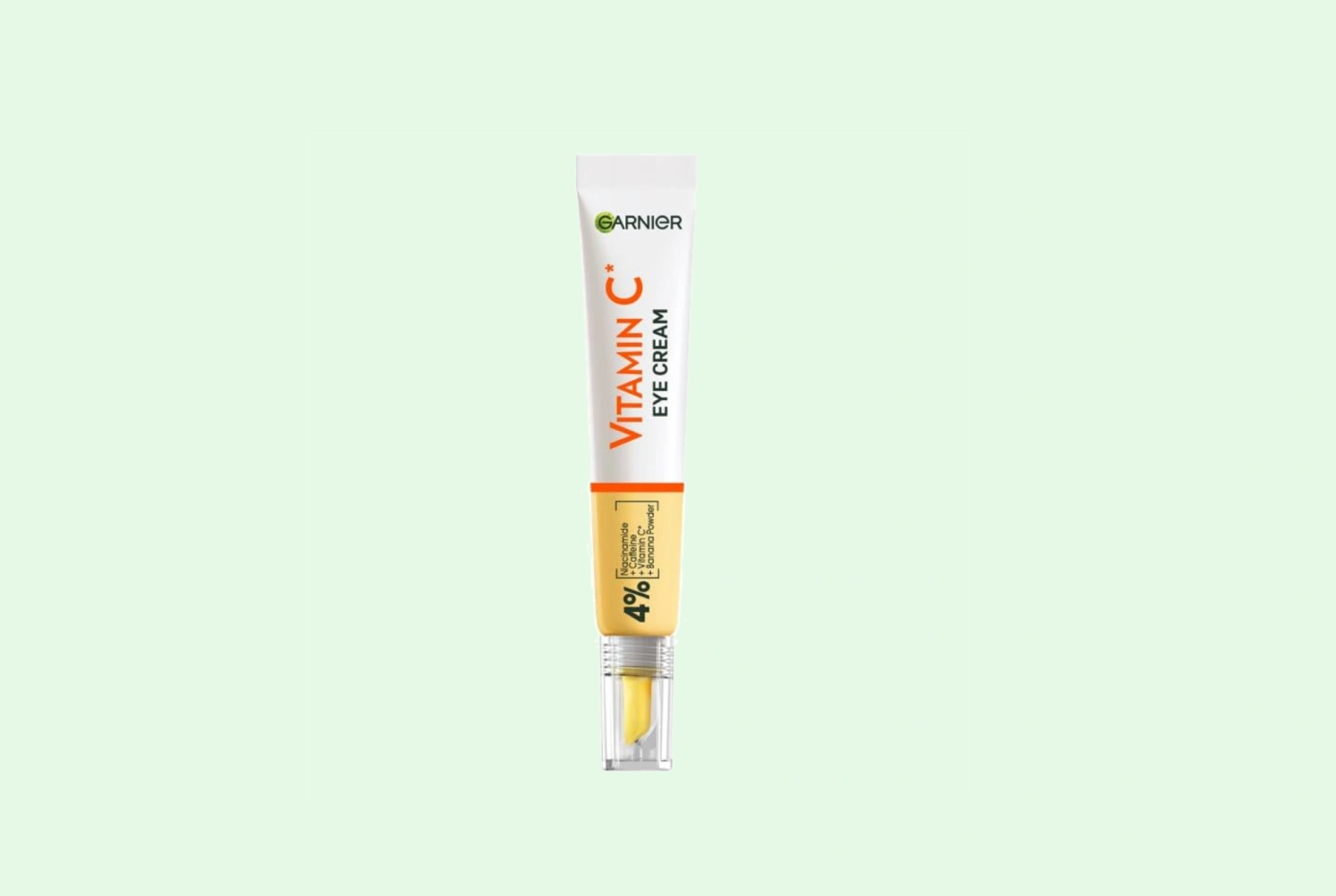
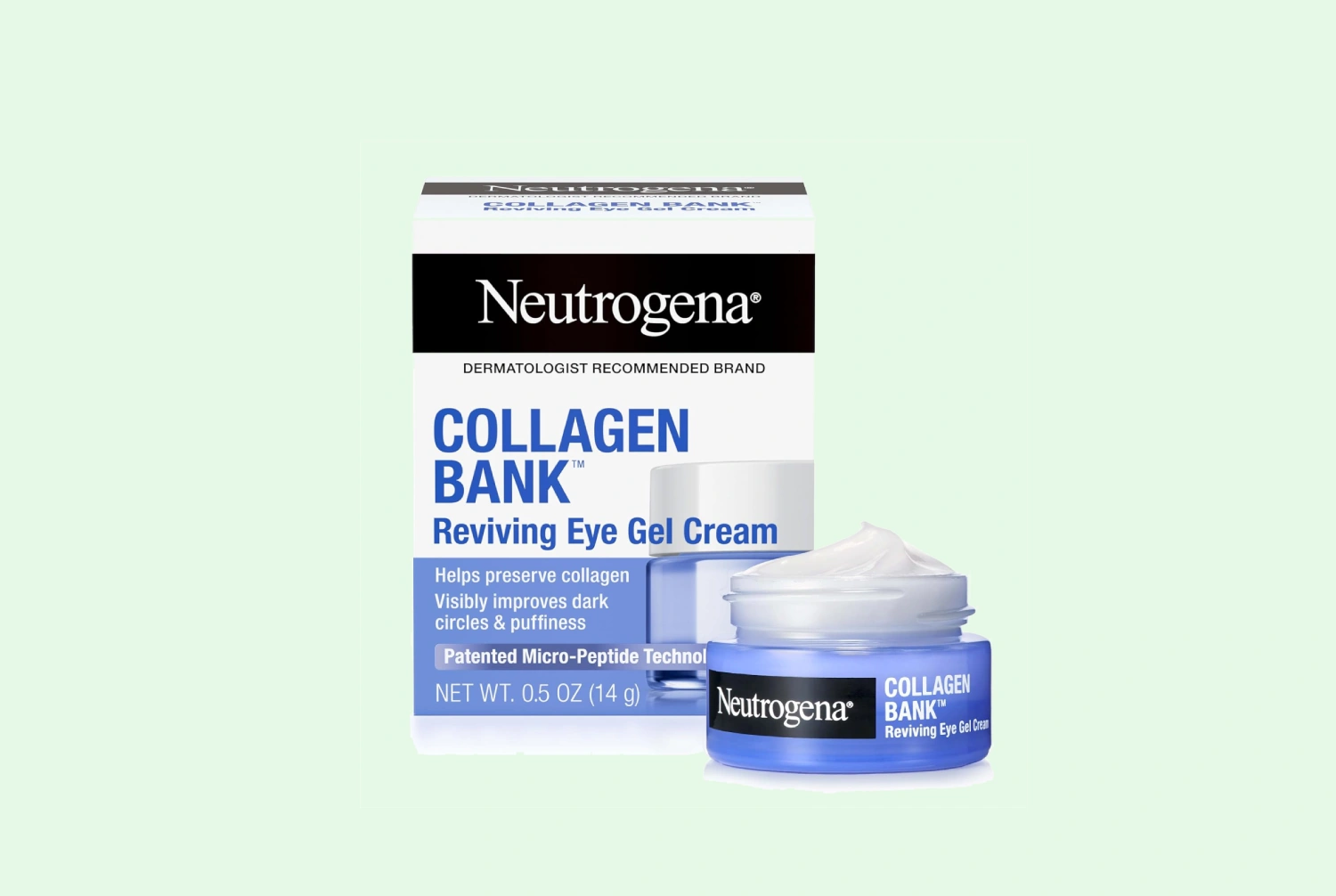
If your skin does not tolerate vitamin C, you do not need to force it into your routine. A gentle moisturizer, sun-protection habits, and a product selected for your specific cosmetic concern may be a better fit. For more ingredient comparisons, browse our vitamin C eye cream coverage and check current product information before making a choice.

Comments
0No comments yet. Be the first to share a helpful note or question.
Leave a Comment
Your email address will not be published. Comments are reviewed before appearing on the site.