
For most people choosing an eye cream, vitamin C derivatives may be the more practical starting point because they are often formulated with stability and tolerability in mind. L-ascorbic acid is the direct, active form of vitamin C and may offer a more straightforward brightening approach, but it can be more demanding to formulate and more likely to feel irritating around the eyes. Neither option can guarantee that dark circles will disappear. The better choice depends on your skin’s sensitivity, the type of under-eye discoloration you notice, the rest of your routine, and the specific product formula.
Vitamin C eye creams are generally used to support a brighter, more even-looking appearance and to provide antioxidant skincare benefits. They are cosmetic products, not treatments for an underlying medical condition. Because dark circles can have several visible causes—including natural pigmentation, shadows from facial structure, thin-looking skin, dryness, or visible blood vessels—an ingredient may improve one aspect of their appearance without changing another.
What is L-ascorbic acid?
L-ascorbic acid, also called ascorbic acid or pure vitamin C, is the direct form of vitamin C used in topical skincare. It does not need to be converted into another form before being used by the skin. This is one reason it is often discussed as the benchmark for topical vitamin C formulas.
In skincare, L-ascorbic acid is associated with antioxidant support and a more even-looking complexion. It is also commonly included in products intended to improve the appearance of dullness and uneven tone. Around the eyes, those goals may be relevant when the skin looks tired or when superficial discoloration contributes to the appearance of dark circles.
Affiliate disclosure: If you purchase through links in this article, we may earn a commission at no additional cost to you. Our opinions remain independent.
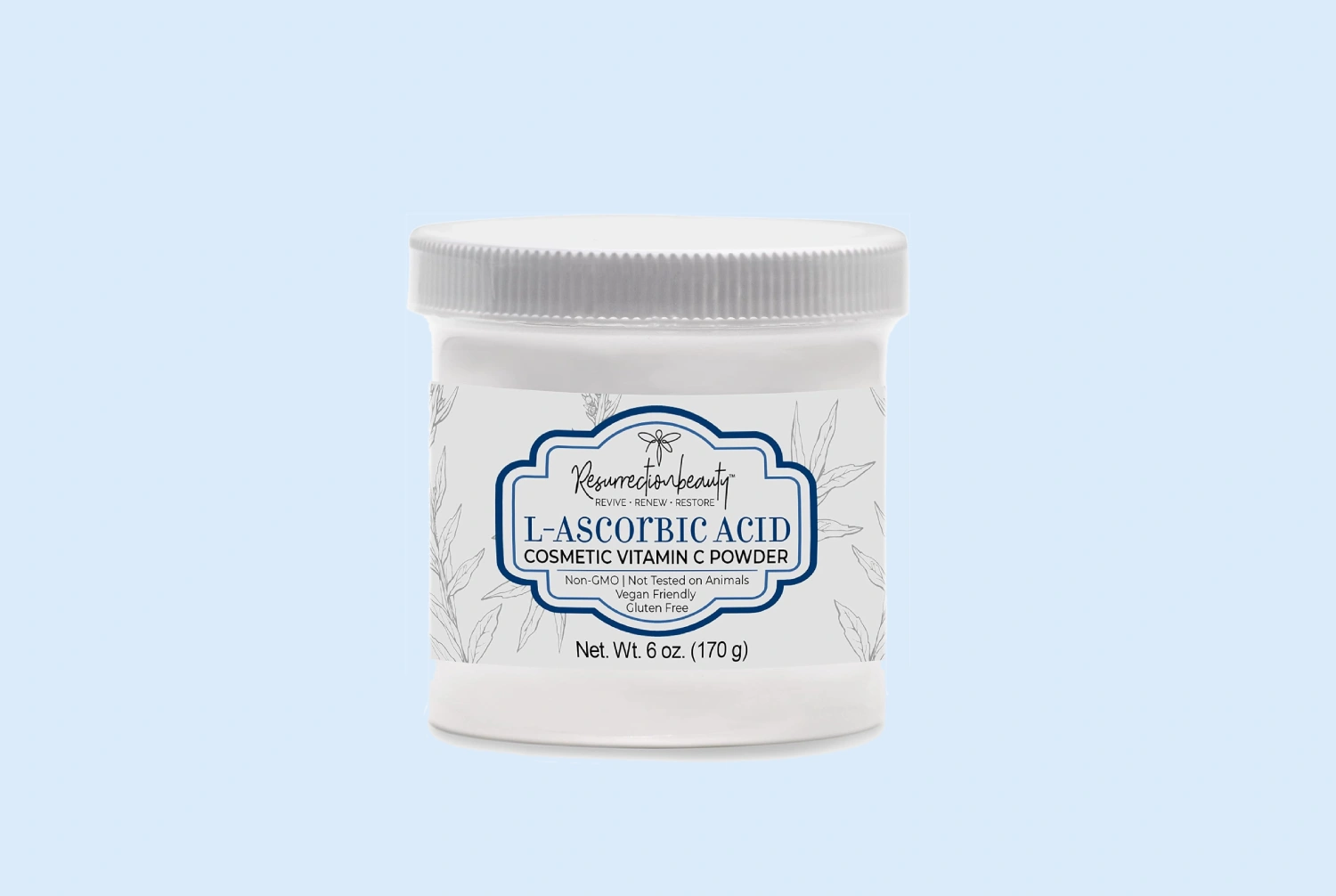
L-AscorbicEDITOR’S PICK100% Pure L-Ascorbic Acid100% Pure L-Ascorbic Acid (Cosmetic Vitamin C Powder for Face) to Make Your Own Premium Beauty Serum, Skincare Mask Treatment, Hyaluronic Serums with Vit C & DIY Facial Skin Care Products 6 OZSee Product Details
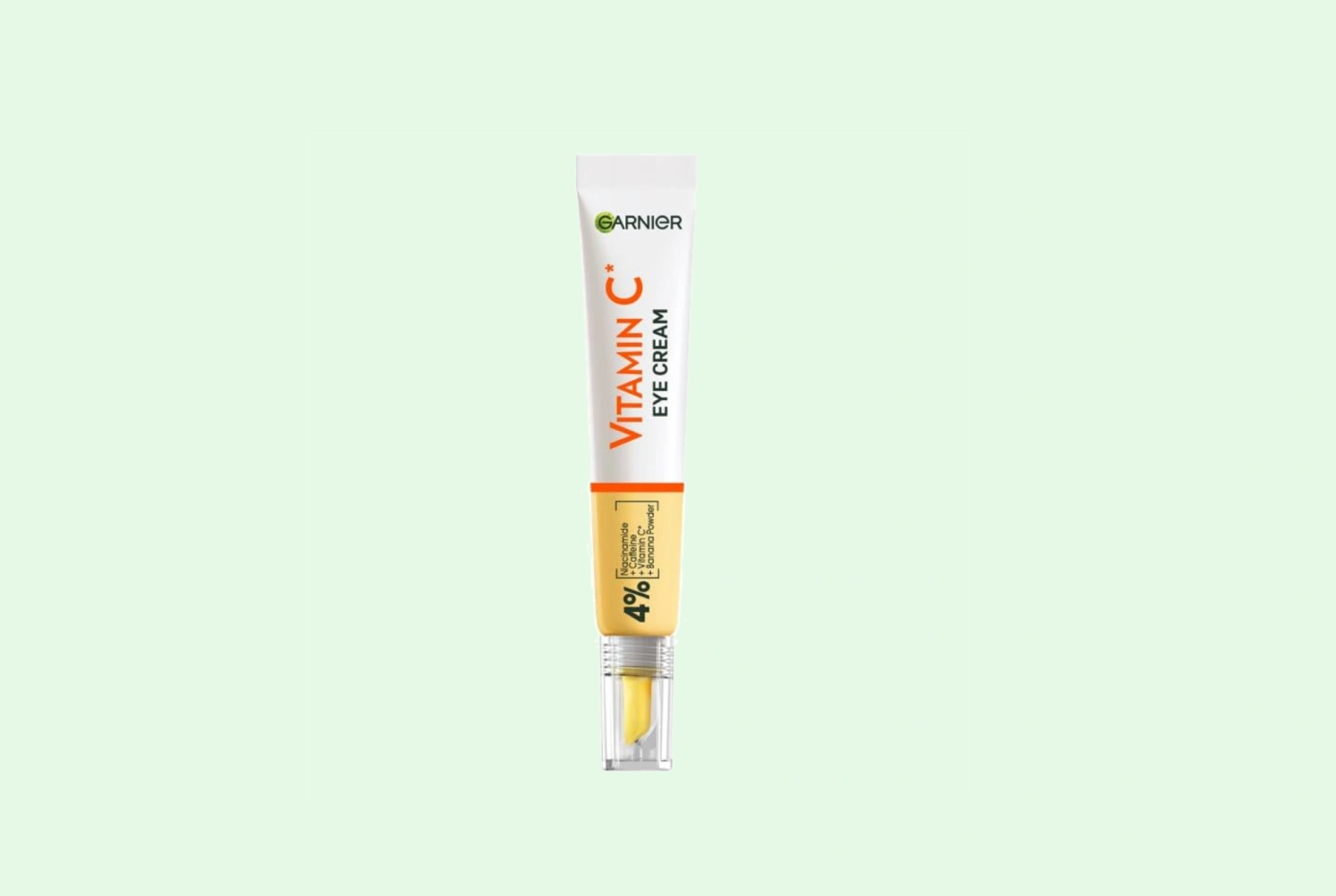
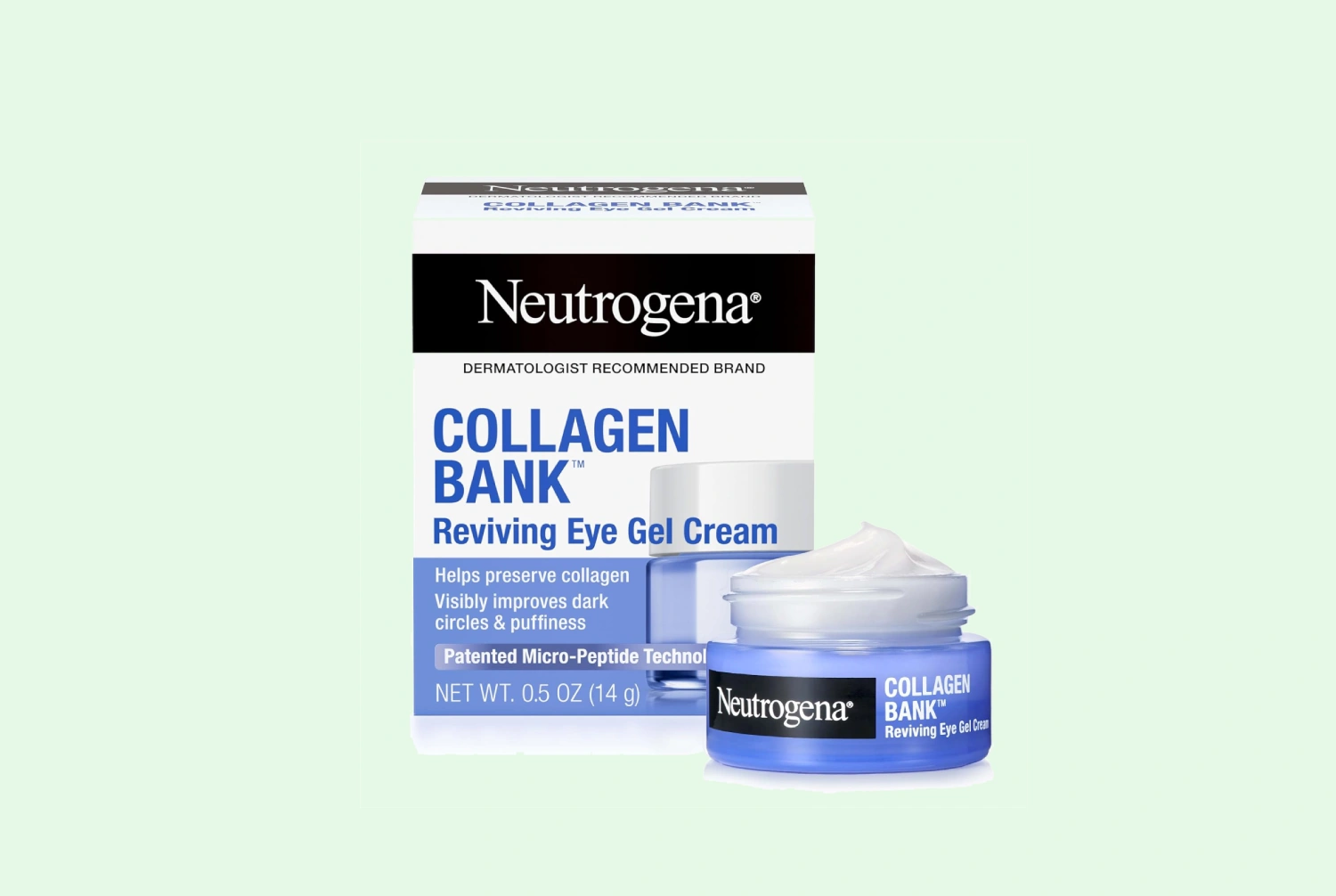
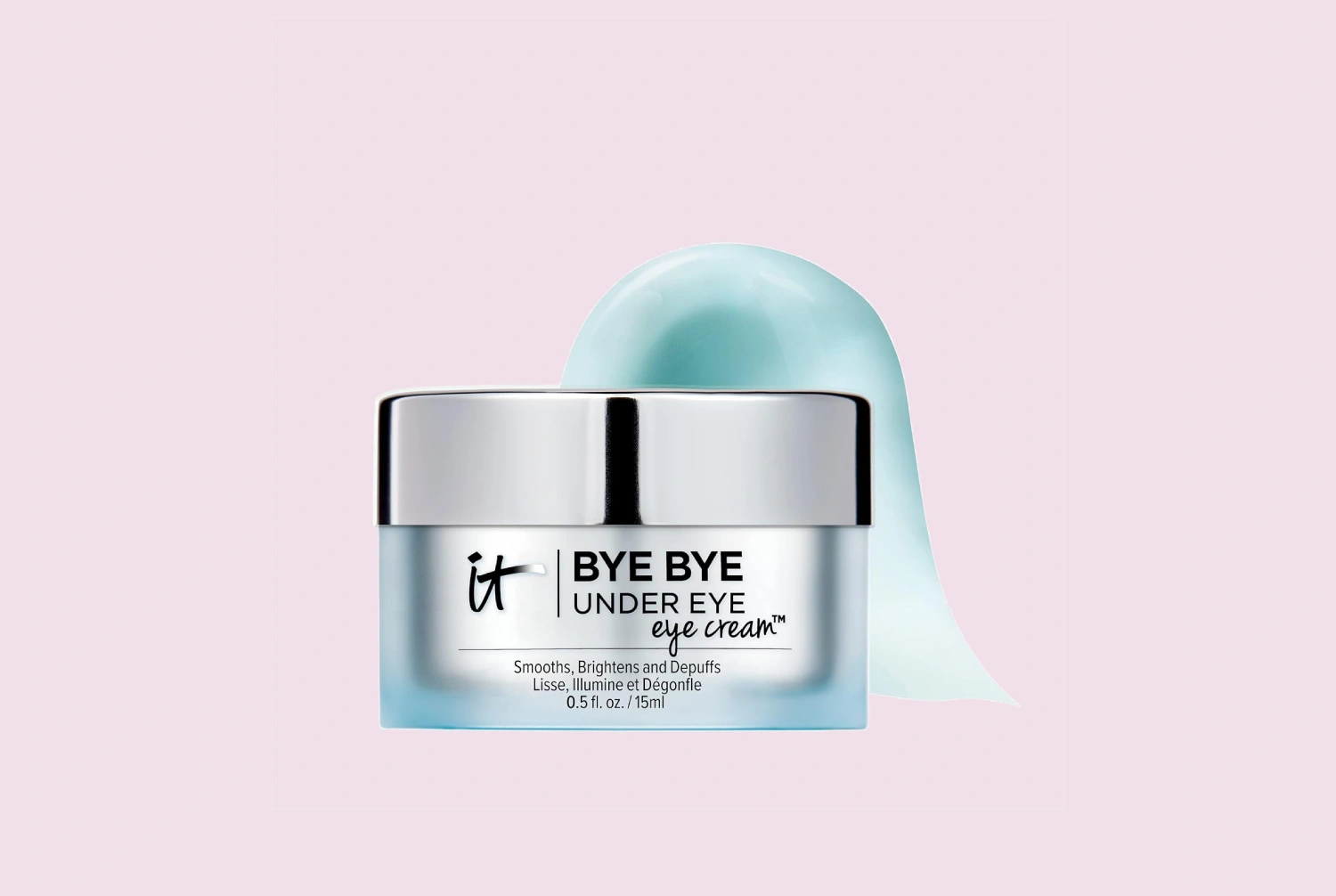
Quick verdictThis product may be worth considering if your main concerns are the appearance of dryness, fine lines, dark circles, or puffiness. It should not be expected to correct every cause of under-eye concerns.
However, L-ascorbic acid can be challenging to formulate. Its performance may be affected by factors such as concentration, acidity, exposure to air and light, packaging, and the other ingredients in the product. Eye-area formulas also need to balance activity with comfort because the skin around the eyes is delicate and the product can migrate toward the eyes during application.
A product containing L-ascorbic acid is not automatically better than one containing a derivative. A well-designed formula that is comfortable enough to use consistently may be more useful for an individual than a stronger-feeling product that causes repeated stinging or redness.
What are vitamin C derivatives?
Vitamin C derivatives are modified forms of vitamin C. Depending on the ingredient, the skin may convert the derivative into a form of vitamin C after application, or the ingredient may provide related antioxidant or brightening support through a different pathway. Derivatives are used in skincare partly because they may be easier to stabilize and formulate than direct L-ascorbic acid.
Examples commonly seen in ingredient lists include sodium ascorbyl phosphate, magnesium ascorbyl phosphate, ascorbyl glucoside, tetrahexyldecyl ascorbate, and 3-O-ethyl ascorbic acid. These ingredients are not interchangeable. They can differ in their formulation requirements, texture, compatibility with other ingredients, and likely skin feel. The name on the label alone does not tell you exactly how a finished eye cream will perform.
Derivatives are often attractive for people with sensitive or easily reactive skin, but “derivative” does not mean irritation is impossible. Any active ingredient, preservative, fragrance component, or supporting ingredient can cause discomfort in a particular formula. Always follow the product directions and check the current ingredient list before buying, especially if you have known sensitivities.
L-ascorbic acid versus derivatives: the practical differences
Directness
L-ascorbic acid is the direct form of vitamin C. Derivatives are modified forms, and their behavior depends on the specific ingredient and formula. Some people prefer L-ascorbic acid because its role is easier to identify. Others prefer derivatives because the product may be designed to deliver a gentler or more stable vitamin C experience.
Stability
Vitamin C can be sensitive to environmental conditions. A product may gradually change color, smell, or texture as it ages or oxidizes, although the meaning of a change depends on the formula. Derivatives are often selected because they can be more stable in certain formulations, but stability is not guaranteed simply because the label says “vitamin C derivative.” Packaging, storage, manufacturing, and the complete formula all matter.
Store the product as directed on the label, keep the container tightly closed, and avoid unnecessary exposure to heat, sunlight, or air. If the formula looks or smells substantially different from when it was opened, check the manufacturer’s guidance rather than assuming it is still suitable for use.
Tolerability
L-ascorbic acid can cause tingling, stinging, dryness, or redness, particularly when used too frequently or alongside other potentially irritating products. The eye area may be especially uncomfortable if the product is applied too close to the lash line or gets into the eyes.
Derivatives are often chosen for a more comfortable routine, but their gentleness varies. A fragrance-free derivative formula may be a better match for reactive skin than a heavily fragranced product, while a rich moisturizing base may suit dry skin better than a lightweight gel. Read the entire ingredient list instead of judging the product by the vitamin C ingredient alone.
Evidence and expectations
Research on topical vitamin C does not automatically predict the results of every eye cream. Studies may involve a particular form, concentration, vehicle, application schedule, or body area. Results from a facial serum should not be assumed to apply directly to a product designed for the under-eye area.
For cosmetic use, a realistic expectation is a possible improvement in the look of dullness or uneven tone over time, not a guaranteed change in every type of dark circle. Fine lines may also look less noticeable when the surrounding skin is well moisturized, but vitamin C should not be described as a permanent solution for wrinkles or a treatment for skin disease.
Which form is better for dark circles?
There is no universal winner. L-ascorbic acid may appeal to someone who wants a direct vitamin C ingredient and whose skin tolerates active products well. A derivative may be more suitable for someone who prioritizes a gentler routine, wants a formula that is easier to store, or has previously experienced discomfort with acidic products.
The visible type of dark circle also matters. If the concern is mainly brown-looking discoloration, a brightening-focused routine may be relevant. If the darkness is caused largely by a hollow or a shadow, topical vitamin C may have limited visible impact. If the area looks darker because it is dry or irritated, improving moisturization and reducing irritation may be more useful than adding a stronger active.
Genetics, aging, sun exposure, allergies, rubbing, and facial anatomy can all influence the under-eye appearance. A skincare product cannot address every possible contributor, and a persistent or sudden change should not be self-diagnosed from an online article. If the skin is painful, swollen, itchy, or changing unexpectedly, consider seeking advice from a qualified medical professional.
How to choose a vitamin C eye cream
Start with the full formula
Look for the vitamin C form, but also consider the rest of the ingredient list. Moisturizing ingredients may improve comfort for dry under-eyes, while a fragrance-free option may be preferable for people who react easily. A product can contain a suitable vitamin C derivative and still be a poor match if another ingredient causes irritation.
Product formulas can change. Verify the current packaging and manufacturer ingredient list for product-specific details, including the exact vitamin C form, fragrance, preservatives, and directions for use.
Match the product to your routine
A vitamin C eye cream may be used in the morning or evening depending on the label. In the morning, apply it after cleansing and before moisturizer or sunscreen if that matches the product instructions. Use a small amount and keep it on the orbital bone or the area recommended by the label rather than applying it directly to the eye or lash line.
Daily broad-spectrum sunscreen is also important for protecting exposed skin from ultraviolet radiation. Sunscreen will not erase existing dark circles, but sun protection can help limit additional visible discoloration from sun exposure. Use a sunscreen intended for the eye area and follow its directions carefully.
Avoid stacking too many potentially irritating actives
Be cautious when combining vitamin C with retinoids, exfoliating acids, or other strong active products around the eyes. Using several actives at once can make it harder to identify the source of irritation. If you already use a retinol eye cream or another active, consider alternating products or asking a qualified professional for routine guidance.
For more ingredient context, use this eye cream ingredient guide. You can also compare the routine’s overall goals with the site’s under-eye routine builder.
How to introduce vitamin C around the eyes
Patch test according to the product directions before applying a new formula near the eyes. Start with the frequency recommended on the label, or use it less often if your skin is particularly reactive and the directions allow. Apply a thin layer to clean, dry skin, avoid the immediate eye opening, and wash your hands afterward.
Mild tingling does not prove that a product is working. Stop using the product if you experience persistent burning, marked redness, swelling, rash, worsening dryness, or other concerning symptoms. Do not apply a product to broken or already irritated skin unless a qualified medical professional has specifically advised you to do so.
Consistency is more useful than constantly switching products. Give your routine enough time to judge comfort and cosmetic appearance, while keeping expectations modest. Taking occasional photos in similar lighting may help you notice gradual changes, but photos are not a medical assessment and can be affected by lighting, expression, and camera settings.
The bottom line when comparing vitamin C eye creams
L-ascorbic acid offers direct vitamin C, while derivatives offer alternative forms that may be easier to formulate or more comfortable for some users. The choice should not be based on the ingredient name alone. Consider sensitivity, packaging, the rest of the formula, storage instructions, and whether your dark circles are likely to respond to a cosmetic brightening product.
For sensitive or easily irritated under-eyes, a simple derivative formula may be the sensible place to begin. For experienced users who tolerate active skincare and want direct L-ascorbic acid, a carefully formulated product may also be worth considering. In either case, use the product as directed, verify the current label, protect the area from sun exposure, and stop if irritation develops. Vitamin C can be a useful part of an under-eye routine, but it is not a guaranteed answer for every cause of dark circles.

Comments
0No comments yet. Be the first to share a helpful note or question.
Leave a Comment
Your email address will not be published. Comments are reviewed before appearing on the site.