
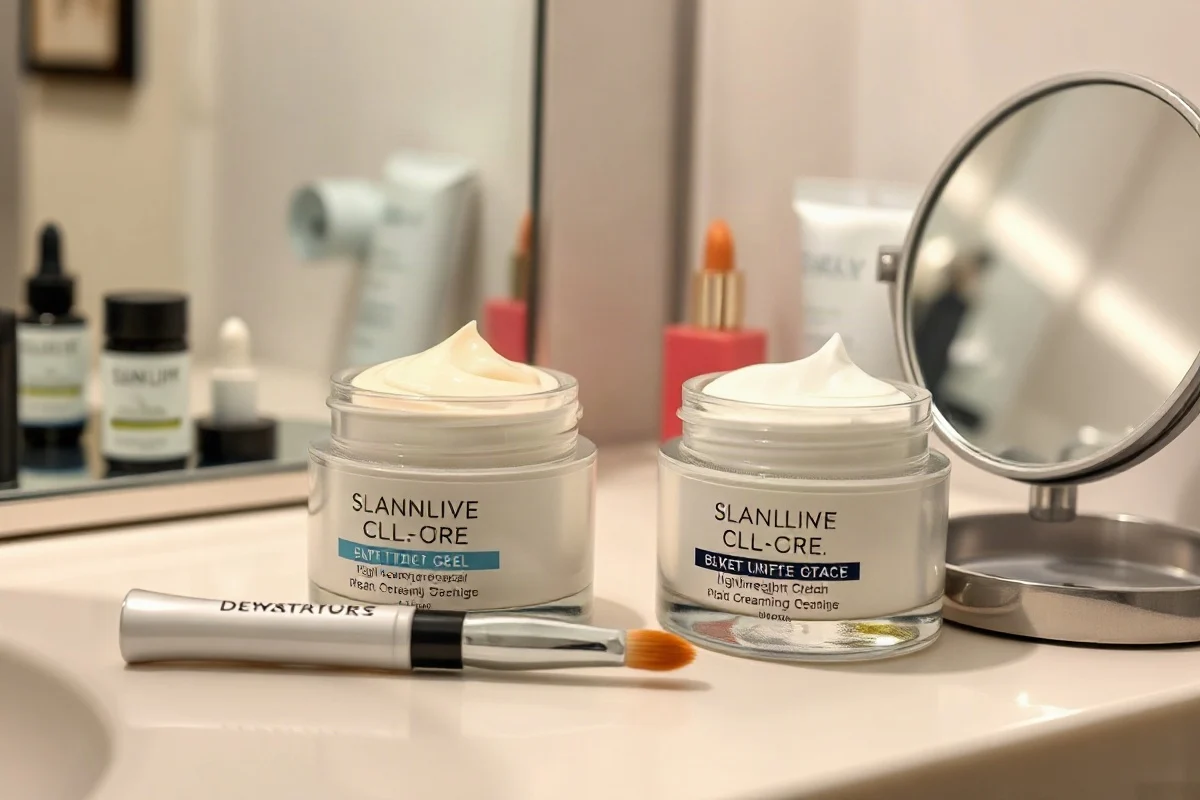
For most makeup routines, a lightweight eye cream is the safer starting point because it usually absorbs more quickly and is less likely to make concealer slide, crease, or pill. A thicker eye cream can be the better choice when the under-eye area feels dry, tight, or flaky, but it often requires a smaller amount, more waiting time, and careful makeup application. The best option depends less on texture alone than on your skin’s moisture needs, the rest of your routine, and the formulas of your eye cream, sunscreen, concealer, and setting products.
Why texture matters under makeup
The skin beneath the eyes is delicate and often shows changes in hydration and texture quickly. An eye cream creates a layer between the skin and makeup, so its finish can affect how concealer spreads and wears. A lightweight lotion, gel-cream, or fluid formula may leave a smoother, less noticeable film. A rich balm or dense cream may provide a more cushioned feel but can remain emollient on the surface for longer.
Neither texture is automatically better. Lightweight products are not always more hydrating, and thick products are not necessarily more nourishing or effective. Texture describes how a product feels and behaves; it does not by itself confirm which ingredients are present or what cosmetic results to expect.
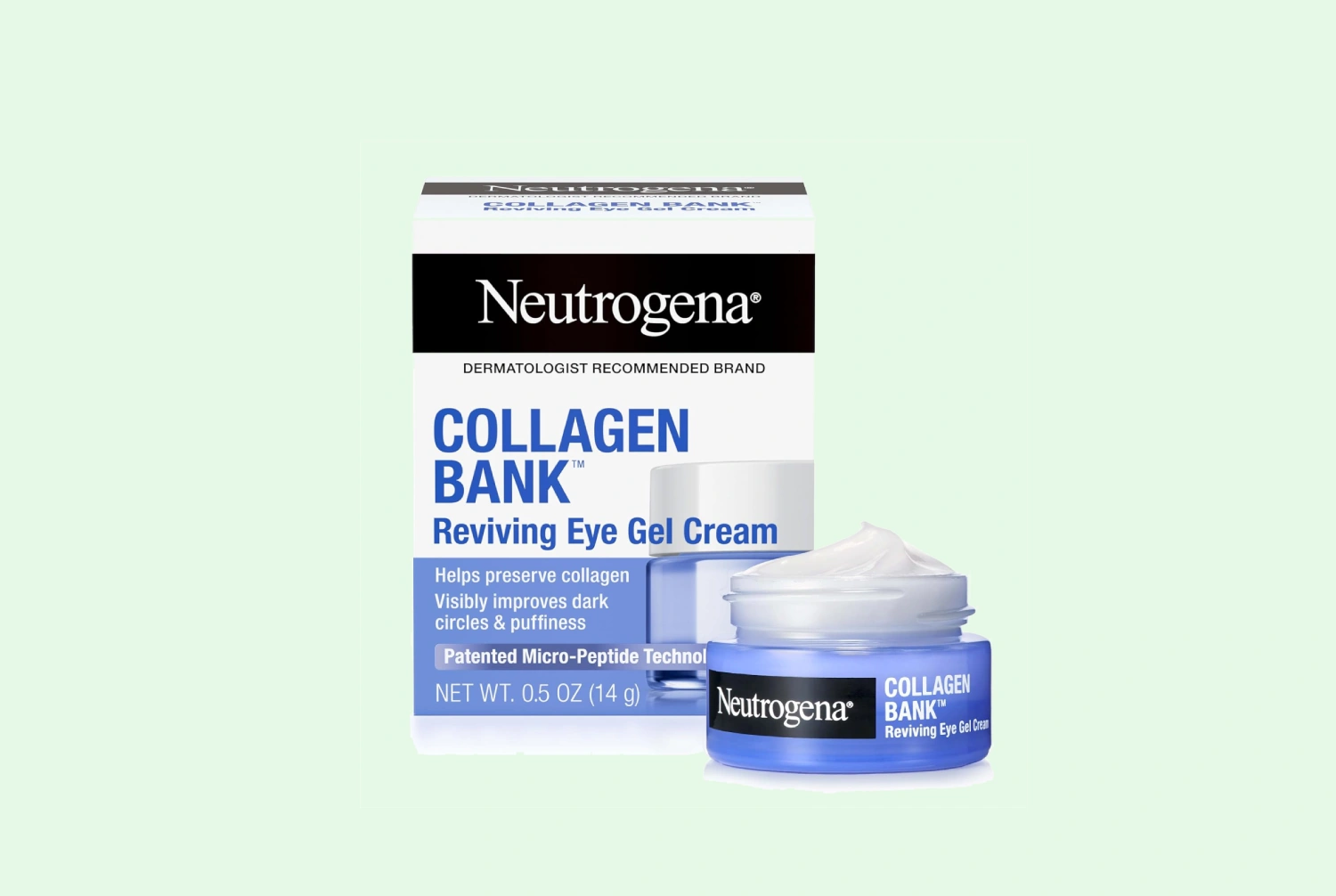
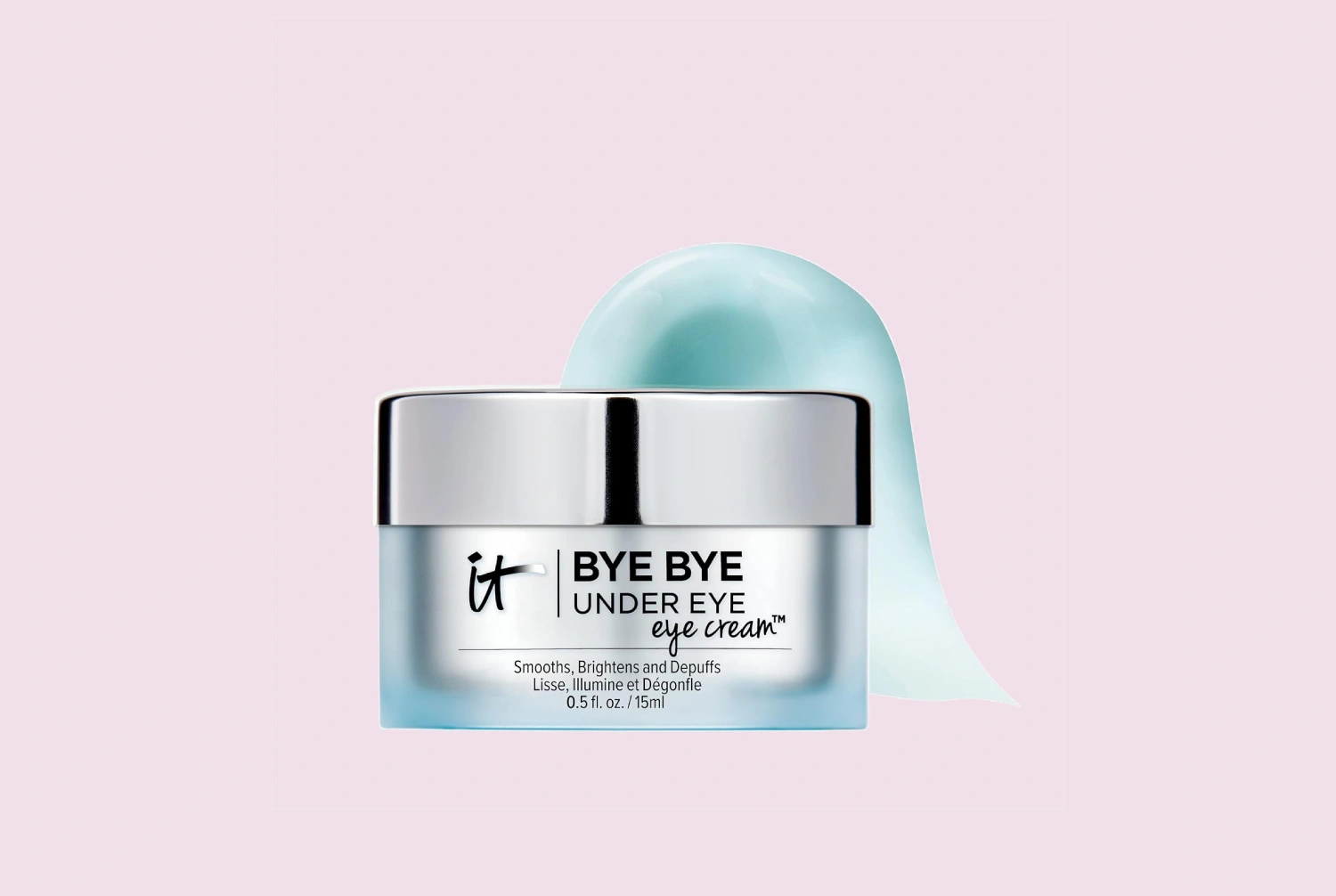
If you are comparing products, review the current packaging and manufacturer ingredient list rather than relying only on an older product description. Formulas can change, and the same brand may offer several textures for different skin preferences.
When a lightweight eye cream may work best
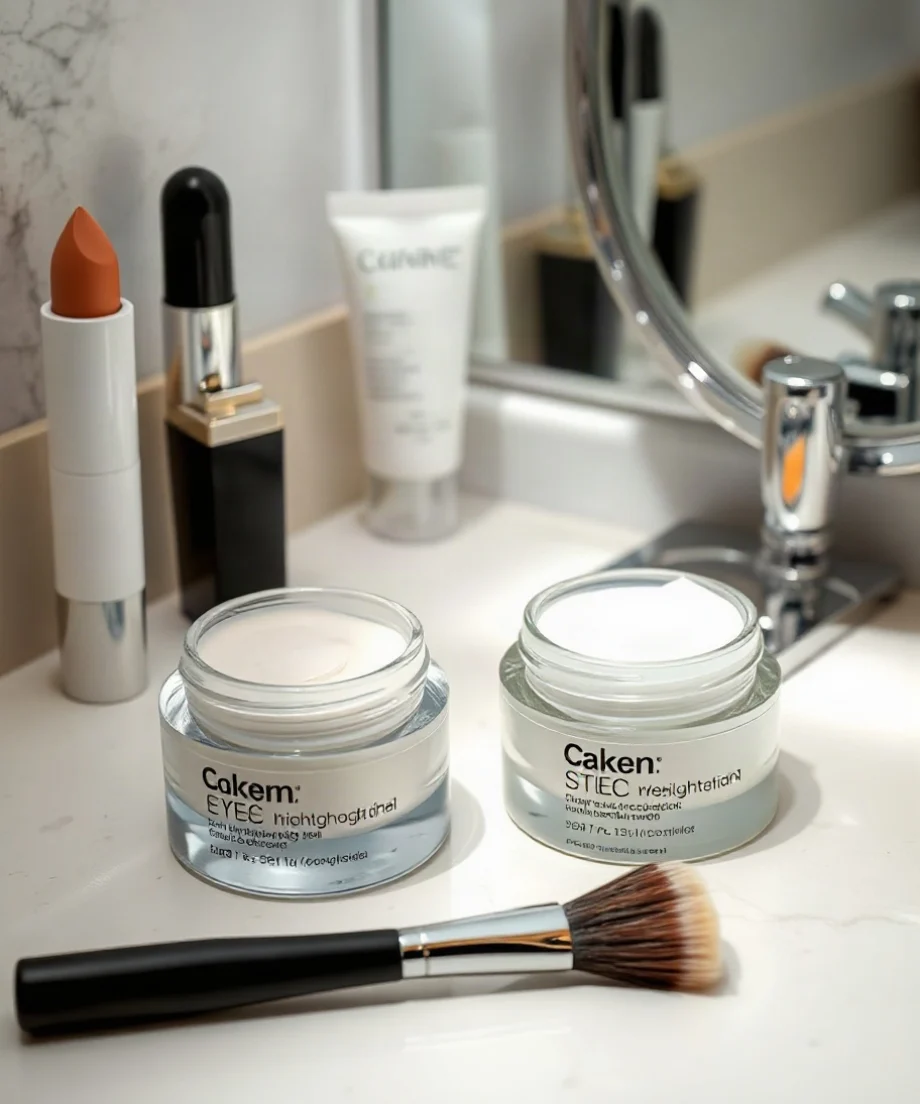
A lightweight formula may suit people who wear concealer regularly, have combination or oily skin, or dislike a noticeable layer beneath makeup. It can also be useful in warm or humid conditions, when several creamy products may feel heavy.
Look for a texture that spreads easily with a small amount and leaves the skin comfortable without feeling wet or slick. Some lightweight formulas are designed to provide a soft, smooth base, while others may leave a dewy finish. Because finish varies by product, it is worth checking the label and trying the product in your normal routine before making it part of an important makeup look.
Potential advantages
- It may set more quickly before concealer is applied.
- It can feel more comfortable for people who dislike rich textures.
- It may be less likely to contribute to makeup movement when used sparingly.
- It can layer more easily with sunscreen and other daytime skincare.
These are possibilities, not guarantees. A lightweight product can still pill if it is layered with incompatible formulas, applied too generously, or rubbed repeatedly. A gel-like finish may also emphasize dryness if the skin needs more comfort or if the concealer itself is drying.
When a thicker eye cream may work best
A thicker eye cream may be more comfortable for dry, mature, or temporarily dehydrated skin. Richer textures can help reduce the feeling of tightness and may make the surface look temporarily smoother by adding moisture and emollience. That is a cosmetic effect, not a treatment for a medical condition or a permanent change in fine lines.
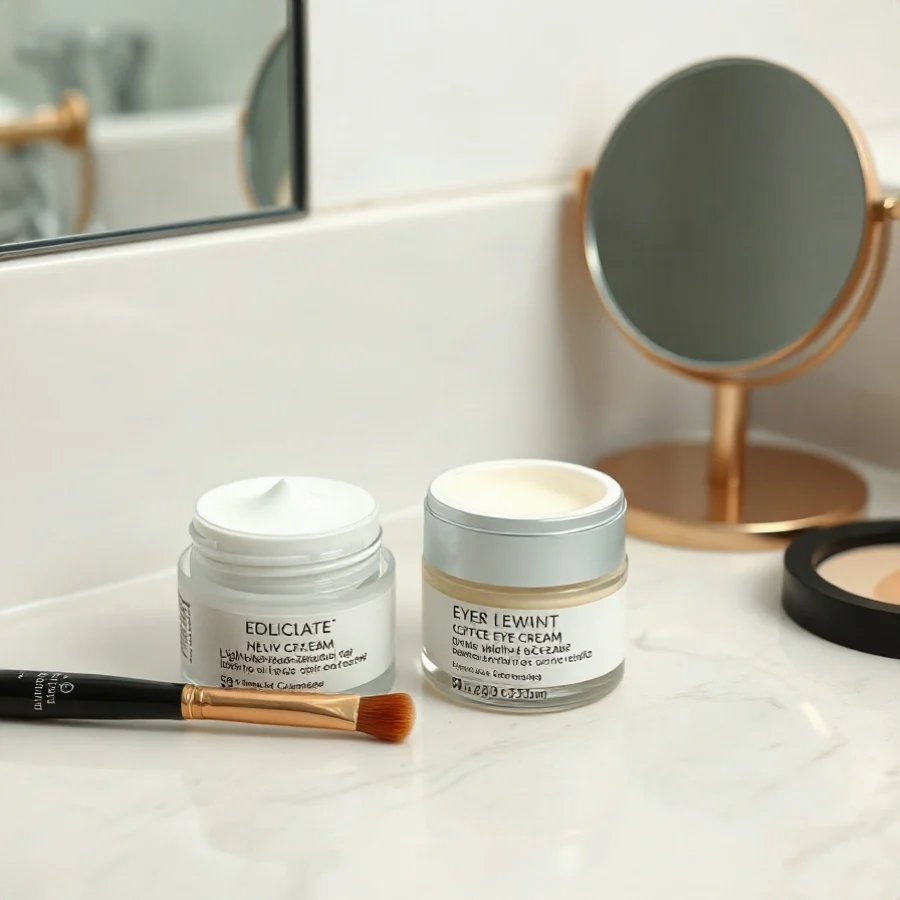
Thicker creams are often most practical at night, when makeup compatibility is not a concern. If you prefer using one in the morning, apply a very small amount and give it time to settle. You may need less than you expect, particularly if you also use sunscreen, primer, or a hydrating concealer.
Potential advantages
- It may feel more protective on dry or tight-feeling skin.
- It can provide a more emollient base for makeup in areas that look flaky.
- It may be more comfortable during dry weather or in indoor environments with low humidity.
- It can work well as part of an evening routine when layering is less important.
The tradeoff is that a rich layer can cause concealer to move or collect in creases if too much remains on the skin. It may also make the under-eye area look overly shiny, depending on the finish and the makeup applied over it.
How to choose based on your skin type
Dry or flaky under-eyes
If the area feels dry, a thicker cream may offer more immediate comfort than a very light gel. However, do not use a large amount to compensate for flaking. Apply a thin layer to clean skin, allow it to settle, and remove any excess before makeup. If flakes persist, consider whether another product in your routine is causing irritation or dryness.
For more ideas about building a comfortable routine, use the dry skin eye cream guide.
Combination or oily skin
A lightweight cream or gel-cream may feel more suitable, especially if concealer already becomes shiny or shifts during the day. Avoid assuming that oily skin needs no moisture. Instead, look for a formula that feels comfortable without leaving a heavy surface film, and keep the amount small.
Sensitive skin
Texture is only one part of the decision. Check the full ingredient list, especially if your skin reacts easily to fragrance, exfoliating ingredients, retinoids, or other potentially irritating actives. Follow the product label, introduce one new product at a time, and consider a patch test when appropriate. Keep products out of the eyes, and stop using a product if it causes burning, persistent redness, swelling, or other concerning irritation.
A product marketed as gentle is not automatically suitable for everyone. The current label and your own response matter more than a texture description.
How to apply eye cream before concealer
- Start with clean hands. Use a small amount rather than applying a full pump or large scoop automatically.
- Place the product carefully. Apply it around the orbital area as directed on the label, avoiding direct contact with the eye.
- Use gentle pressure. Pat or lightly smooth the product instead of rubbing back and forth, which can increase friction and disturb the skin’s surface.
- Wait before makeup. Give the product time to settle. The appropriate wait varies by formula, so judge the surface by feel rather than following a fixed number of minutes.
- Blot excess shine if needed. A clean fingertip or soft tissue can remove extra residue before concealer.
- Apply concealer in a thin layer. Add coverage only where needed and build gradually. More product is not always more flattering around fine lines.
- Set selectively. If powder is part of your routine, use a light hand and avoid adding it everywhere automatically, since excess powder can make dryness more visible.
How to reduce pilling, creasing, and sliding
Pilling occurs when products form small rolled particles on the skin. It can be related to the order of application, the amount used, rubbing, or interactions between formulas. To troubleshoot, simplify the morning routine and change only one variable at a time.
- Use less eye cream and spread it over a slightly wider area instead of leaving a concentrated layer beneath the eye.
- Allow each skincare product to settle before adding the next one.
- Press products into the skin rather than repeatedly rubbing them together.
- Apply sunscreen carefully around the eye area, following its label and avoiding the eyes.
- Try the eye cream with your usual concealer, since compatibility can vary from one makeup formula to another.
- If makeup consistently separates, reserve the richer cream for nighttime and use a lighter option in the morning.
If creasing is your main concern, remember that some creasing is normal because the skin moves when you blink and make facial expressions. Skincare and makeup can change the appearance temporarily, but they cannot keep a moving area completely crease-free throughout the day.
Ingredients to consider without overpromising
Rather than choosing an eye cream based only on whether it feels light or thick, consider the product’s stated purpose and ingredient list. Humectants can help attract water to the skin’s surface, while emollients and occlusive ingredients can help create a softer, more comfortable feel. The exact experience depends on the complete formula and your skin.
Some eye creams also contain ingredients commonly used in routines focused on the appearance of dark circles, puffiness, or fine lines. Caffeine-containing products may provide a temporary cosmetic effect for some users, but they do not guarantee that dark circles or under-eye bags will disappear. Retinoids and exfoliating ingredients may be more potentially irritating, particularly around the eyes, so follow the label closely and introduce them cautiously. If irritation occurs, stop using the product and avoid applying active ingredients to compromised skin.
Our eye cream ingredient guide can help you compare ingredient categories without treating any single ingredient as a guaranteed solution.
What eye cream can and cannot change
Eye cream may temporarily improve the look and feel of dryness, dullness, or surface texture. Hydration can make fine lines look less noticeable for a time, and a well-chosen finish can help makeup appear smoother. These are appearance-focused benefits.
Dark circles have many possible visual contributors, including visible blood vessels, shadowing from facial structure, uneven pigmentation, and temporary changes in the appearance of the skin. An eye cream cannot be assumed to address every cause. Puffiness can also vary with sleep, allergies, irritation, fluid retention, and other factors. Persistent, painful, sudden, or unusual swelling is a reason to seek medical advice rather than relying on cosmetic skincare.
A practical choice for your routine
Choose a lightweight eye cream if your priority is quick layering, a less noticeable finish, or makeup that tends to move. Choose a thicker cream if your priority is comfort for dry-feeling skin and you are willing to use less product and wait longer before applying makeup. You can also use different textures at different times: a lighter formula in the morning and a richer one at night, provided both products suit your skin and are used according to their labels.
There is no universal winner between lightweight and thick eye creams. The most useful test is a simple one: apply the product in your normal morning routine, observe how your skin feels and how makeup behaves, and adjust the amount before changing products. For a more personalized starting point, try the under-eye routine builder.
Finally, keep expectations realistic. A suitable eye cream can support a smoother-looking makeup application and improve comfort, but it is not a substitute for medical evaluation and should not be expected to erase dark circles, puffiness, or fine lines permanently. Check the current packaging and manufacturer information whenever product details matter, since formulas and directions may change.

Comments
0No comments yet. Be the first to share a helpful note or question.
Leave a Comment
Your email address will not be published. Comments are reviewed before appearing on the site.