
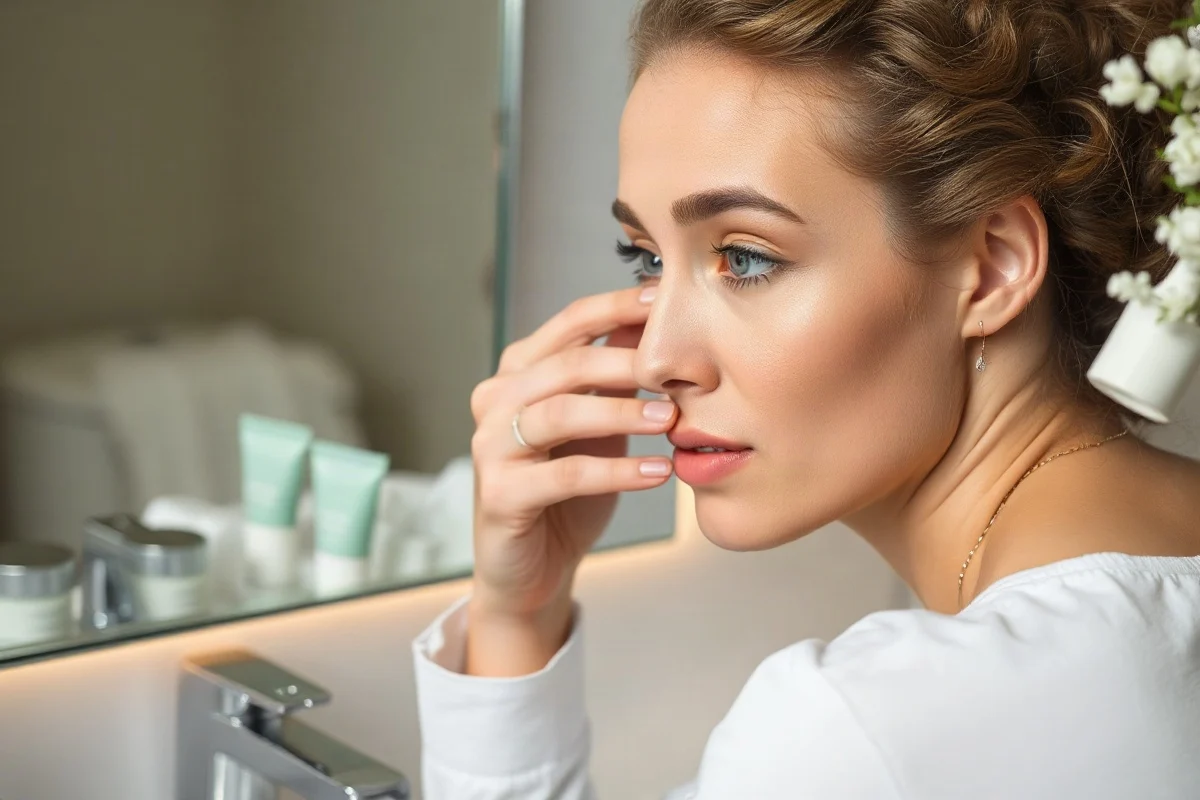
If you are choosing between morning and night, caffeine eye cream is usually most practical in the morning, particularly when your main concern is the look of temporary puffiness. Applying it at night is also reasonable if the product feels comfortable and fits your routine. The best schedule depends on the formula, your skin’s tolerance, and whether you want to layer makeup or other skincare products afterward.
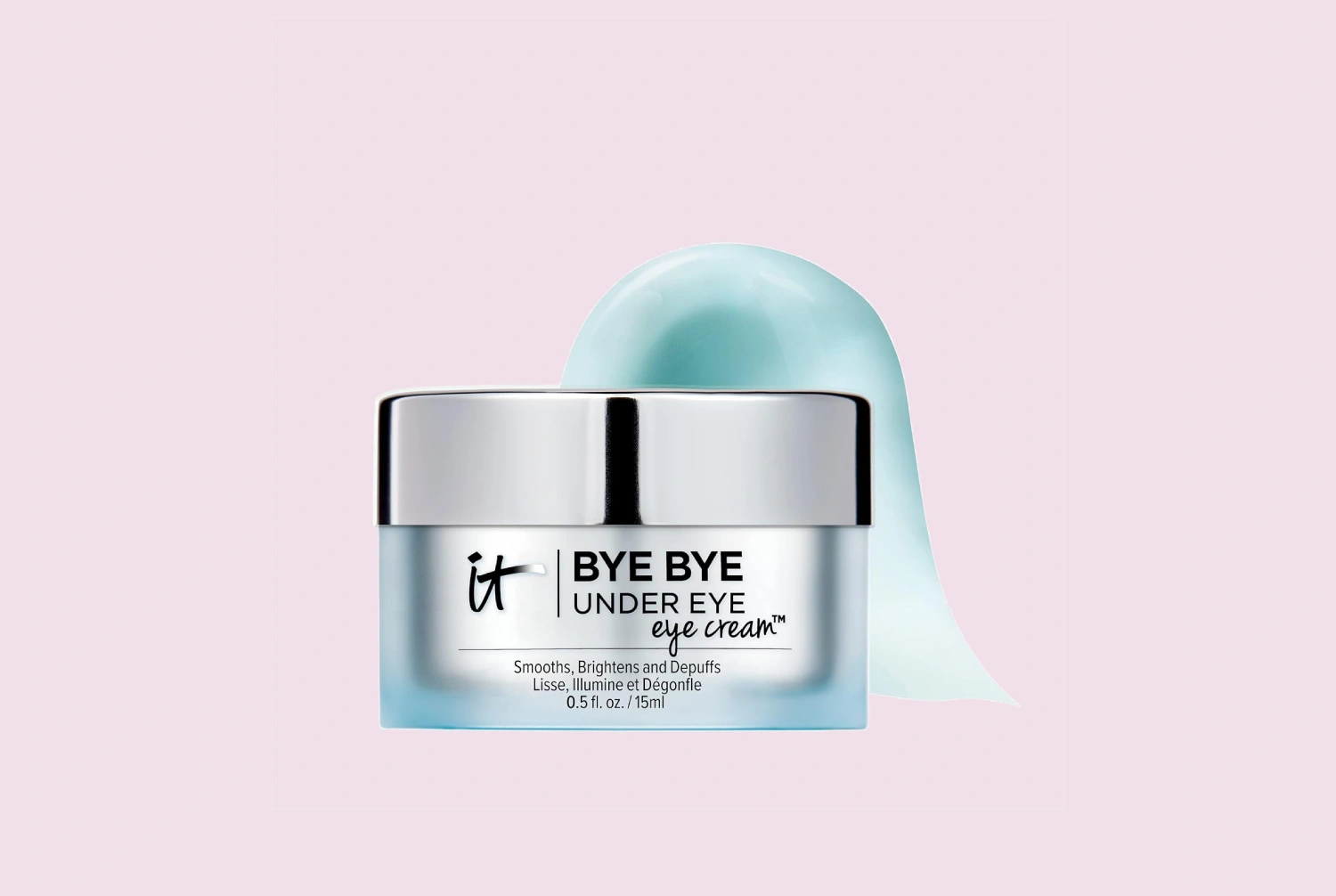
Caffeine eye cream is a cosmetic product intended to improve the appearance of the under-eye area. It may make the skin look more awake or temporarily less puffy, but it should not be treated as a medical solution for persistent swelling, pigmentation, allergies, or other underlying conditions. Dark circles can have several visible contributors, including shadows from facial structure, uneven pigmentation, thin-looking skin, dryness, and temporary congestion. A topical product may address only some aspects of appearance.
Why morning application often makes sense
Morning use has a practical advantage: it places the product in your routine before the time of day when you may want your under-eyes to look more refreshed. Some people notice that the eye area appears puffier after waking. This can be influenced by normal overnight fluid shifts, sleep position, crying, allergies, or other factors. A caffeine-containing product may provide a temporary cosmetic improvement in the look of puffiness for some users, but the degree and duration of any visible change will vary.
Using an eye cream in the morning can also make it easier to assess how the formula works with sunscreen and makeup. A lightweight product that absorbs without leaving a heavy film may be more comfortable under concealer. However, not every eye cream is designed for daytime layering. Check the product directions, and give each layer a little time to settle if pilling or creasing becomes a problem.

A simple morning order
- Cleanse or rinse your face according to your usual routine.
- Apply a small amount of caffeine eye cream around the orbital area, following the label directions.
- Use a moisturizer if your skin needs additional comfort.
- Finish with broad-spectrum sunscreen on the surrounding facial skin, taking care to follow the sunscreen label and avoid getting it directly in your eyes.
- Apply makeup after skincare has settled, if desired.
Use a light touch. The skin around the eyes is delicate, and rubbing can cause temporary redness or make the area feel irritated. Patting or gently smoothing the product over the orbital bone is generally more comfortable than pulling at the skin or applying cream right up to the lash line.
When nighttime use may be a better fit
Night application can work well when your routine is simpler after cleansing or when the product is too rich for daytime makeup. It may also be preferable if you use several morning products and want to reduce layering. Caffeine does not automatically make a product unsuitable for nighttime use. The product’s complete formula, texture, and directions matter more than the time on the clock.
Still, nighttime use should not be viewed as a way to create a stronger or permanent result. Applying more product or using it more frequently than directed will not necessarily improve the appearance of dark circles or puffiness. It may instead increase the chance of stinging, dryness, or product migration into the eyes.
A simple nighttime order
- Remove makeup and cleanse gently, without scrubbing the eye area.
- Apply any treatment product according to its own directions and compatibility with the rest of your routine.
- Apply caffeine eye cream in a thin layer if the label allows nighttime use.
- Finish with moisturizer if needed, keeping products at a comfortable distance from the lash line.
If you also use retinol, exfoliating acids, or other potentially irritating actives near the eyes, avoid assuming that every product can be layered together. Review the product instructions and introduce changes gradually. Our eye cream ingredient guide can help you compare common ingredients and their typical cosmetic roles.
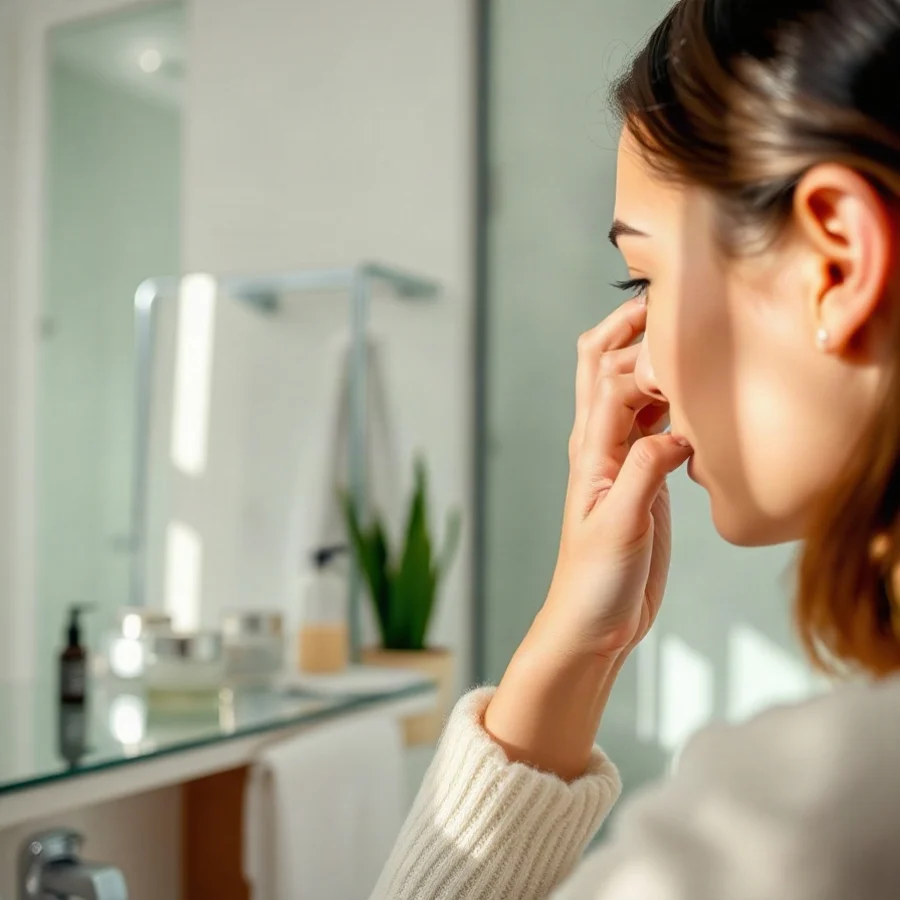
Morning or night: Which schedule should you choose?
Choose morning if:
- Your main concern is the look of puffiness after waking.
- You want to use the product before concealer or other daytime makeup.
- The formula is lightweight and sits comfortably under your other products.
- You can apply it consistently without rushing or rubbing the area.
Choose night if:
- You prefer a shorter, less layered morning routine.
- The product has a richer texture that does not work well under makeup.
- Your skin feels more comfortable using it after cleansing.
- The label specifically supports nighttime use or does not limit application to another time.
You can also use caffeine eye cream once daily at the time you are most likely to remember. Consistency is more useful than choosing a theoretically perfect application time and then skipping the product. If the label permits more frequent use and your skin tolerates it, some formulas may be used at other times, but there is no need to increase application simply because the product is gentle.
What caffeine eye cream may and may not do
Caffeine is commonly included in eye-area products because it is associated with a temporarily more energized-looking appearance. In cosmetic formulas, it may be used to support the look of reduced puffiness or a less tired-looking eye area. These effects are not guaranteed, and they may be subtle or difficult to separate from changes in lighting, hydration, sleep, makeup, or natural day-to-day variation.
Caffeine eye cream is less likely to address every type of dark circle. Brown or gray discoloration may be influenced by visible pigment, while blue or purple tones may be related to the appearance of blood vessels beneath thin-looking skin. Hollowness can create shadows that a topical cream cannot fill. Fine lines may look more noticeable when the skin is dry, but improving hydration does not permanently remove them.
For more context on the different visible contributors, see our guides to dark circles, puffiness and eye bags, and fine lines and wrinkles. Understanding what you are trying to improve can help you select a more realistic routine.
How to apply it without irritating the eye area
Start with the amount recommended on the package. More is not automatically better, especially around the eyes. Place the product on the orbital area rather than directly against the eye or along the inner lash line. Use a clean fingertip and gentle pressure. If the formula gets into your eyes, rinse according to the product’s directions and discontinue use if discomfort continues.
People with sensitive skin should be especially cautious when introducing a new eye product. Check the current ingredient list, because formulas can change, and follow any usage warnings on the packaging. A small-area patch test may help you identify obvious sensitivity, although it cannot predict every reaction and does not guarantee that a product will be comfortable around the eyes.
Stop using the product if you develop persistent burning, significant redness, swelling, rash, or worsening discomfort. Do not apply it to broken or irritated skin. If swelling is sudden, severe, painful, one-sided, associated with vision changes, or persistent, seek appropriate medical advice rather than relying on an eye cream. Cosmetic skincare cannot diagnose or treat the cause of those symptoms.
How to choose a caffeine eye cream for your routine
Look beyond the word “caffeine” on the front of the package. Review the complete ingredient list and the directions for use. Consider whether the texture suits your skin, whether the product contains fragrance or other ingredients you prefer to avoid, and whether it is intended for the eye area. Product names and formulas do not always tell you how a cream will feel on your skin.
If dryness is part of your concern, you may prefer a formula that also supports a comfortable, moisturized feel. If makeup compatibility matters, a lighter texture may be easier to layer. If your skin is reactive, keep the rest of your eye-area routine simple while you assess the new product. You can browse our caffeine eye cream category for more ingredient-focused coverage, but always verify current packaging and the manufacturer’s ingredient list before purchasing or using a specific product.
The practical answer for most routines
For many people, morning is the most logical starting point because caffeine eye cream is often chosen for the temporary appearance of less tired-looking, less puffy under-eyes. Nighttime use is not automatically wrong, though, and may be the better option if the formula layers poorly with makeup or fits your evening routine more naturally.
Apply a small amount as directed, avoid rubbing, and judge the product by how your skin tolerates it and how realistic the visible change is. If you are unsure where to place it in a larger routine, the under-eye routine builder can help you organize products by concern and application step.

Comments
0No comments yet. Be the first to share a helpful note or question.
Leave a Comment
Your email address will not be published. Comments are reviewed before appearing on the site.