
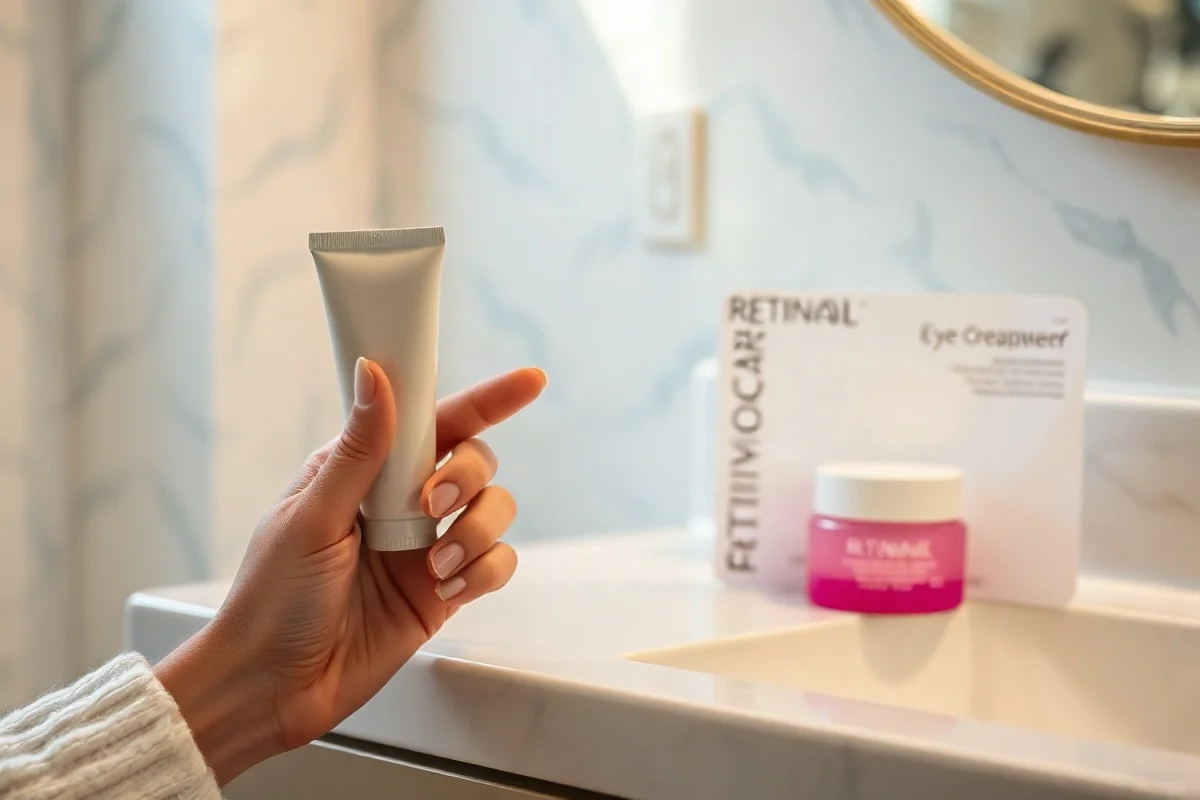
If you are new to retinol eye cream, start with a product made specifically for the eye area, use it only a few nights per week, and apply a very small amount to dry skin. Retinol may help improve the look of fine lines, uneven texture, and some types of discoloration over time, but it can also cause dryness or irritation—especially around the eyes. A gradual routine, careful product selection, and realistic expectations are more useful than choosing the strongest formula you can find.
Retinol is a form of vitamin A used in cosmetic skincare. Because the skin around the eyes is relatively delicate, eye-area products may be designed with a different texture or level of activity than products intended for the entire face. However, every formula is different. Check the current packaging and manufacturer ingredient list before buying or using a product, since formulas can change.
What can retinol eye cream do?
Retinol eye cream is mainly used for cosmetic concerns related to the appearance of fine lines, rough texture, and uneven-looking skin tone. With consistent use, some people may notice that the under-eye area looks smoother or more refined. The changes are usually gradual, and results can vary based on skin type, age, sun exposure, genetics, facial movement, and the cause of the concern.
Retinol is not a universal solution for dark circles. Under-eye darkness can have several visible contributors, including natural pigmentation, shadows from facial structure, thin-looking skin, dryness, or the appearance of visible blood vessels. A retinol product may be more relevant to texture or fine lines than to every type of dark circle. It also is not a treatment for a medical condition and cannot diagnose or address the underlying cause of persistent discoloration.
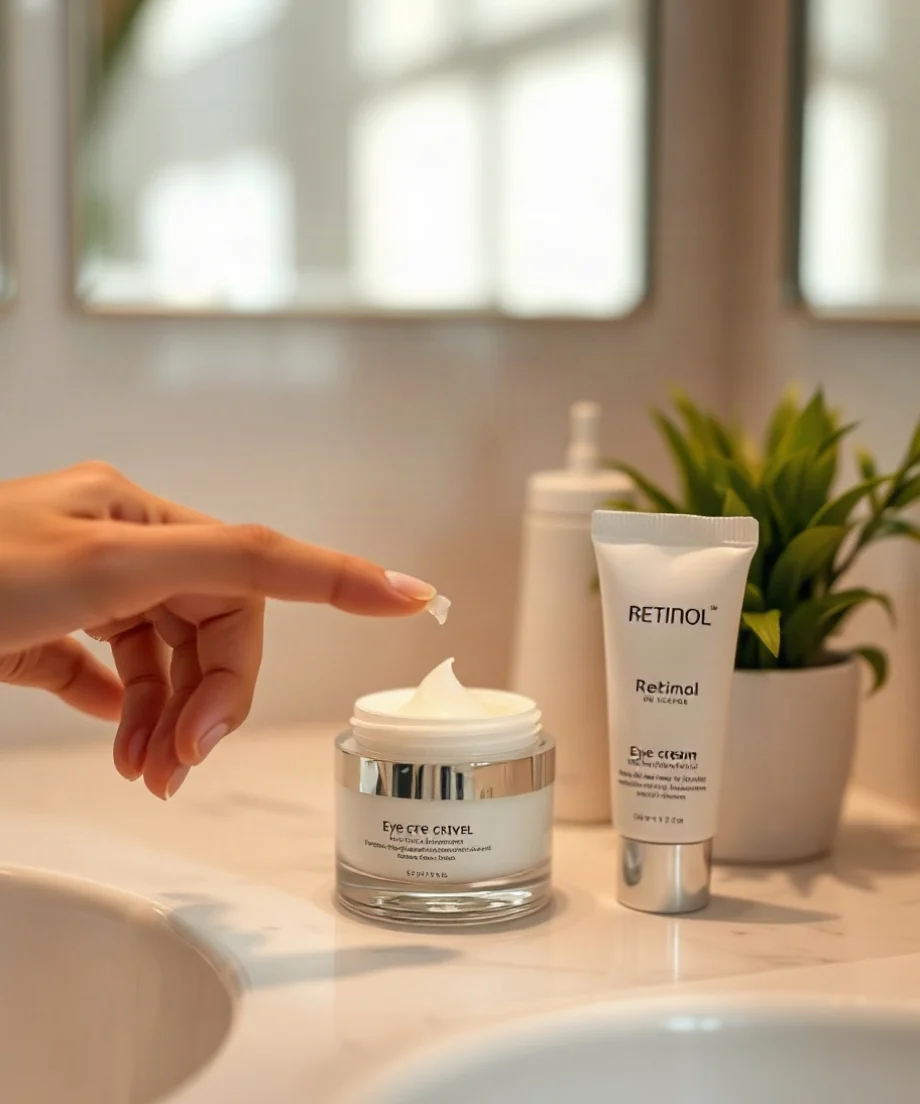
For a broader overview of possible contributors, see our guide to dark circles. Keeping the goal specific can help you decide whether retinol is the right ingredient to try.
Who should consider starting with retinol?
A beginner may consider retinol eye cream if the main goal is improving the visible look of fine lines, uneven texture, or dullness and the skin is not currently irritated. It may also appeal to someone who already has a simple skincare routine and is comfortable introducing one active ingredient at a time.
Retinol may not be the best first step if the skin around your eyes is stinging, peeling, cracked, sunburned, or reacting to other products. In that situation, focusing on gentle cleansing, basic moisturization, and daily sun protection may be more appropriate before adding another active. People with very reactive skin may also prefer to begin with a non-retinoid routine and introduce retinol only if their skin tolerates it.
If you are pregnant, trying to become pregnant, breastfeeding, taking medication, or managing a diagnosed skin condition, ask a qualified healthcare professional whether a retinoid-containing cosmetic product is appropriate for you. This article offers cosmetic skincare guidance, not medical advice.
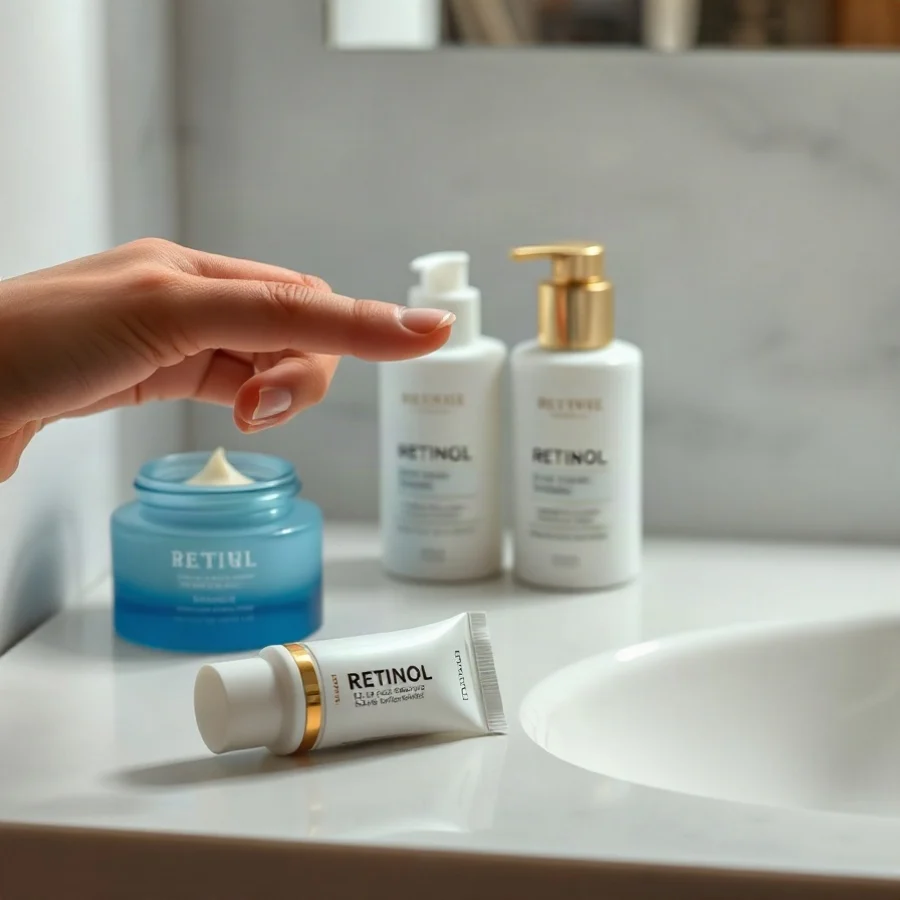
How to choose a beginner-friendly retinol eye cream
Look for clear directions
A product should provide instructions for where and how often to apply it. Follow the label rather than assuming that more frequent use will produce faster improvement. If the product does not clearly explain how it is intended to be used around the eyes, consider choosing a different option or contacting the manufacturer.
Choose a formula made for the eye area
A face retinol product is not automatically suitable for the eyelids or under-eye area. Eye-area skin can be more sensitive, and products designed for the face may be more likely to feel uncomfortable when applied too close to the eyes. Avoid applying retinol directly to the lash line, inside the eye, or onto the eyelids unless the product specifically provides those directions.
Consider the rest of the formula
Retinol is only one part of an eye cream. A moisturizing formula may also contain ingredients such as humectants, emollients, or occlusive ingredients that help reduce the feeling of dryness. Other formulas may include additional active ingredients, which can make it harder to identify what caused irritation.
When starting out, a simpler routine is often easier to manage. Read the full ingredient list and product directions, especially if you already use exfoliating acids, acne treatments, strong fragrance, or other retinoid products. Our eye cream ingredient guide can help you understand common skincare ingredients without treating the label as a guarantee of performance.
Do not shop by strength alone
Product labels do not always make formulas easy to compare. A higher number, if one is provided, does not automatically mean a better choice for the eye area. The type of retinoid, the overall formula, packaging, storage, and your skin’s tolerance can all affect the experience. Since product information may change, verify the current label and manufacturer information before making a decision.
How to introduce retinol eye cream
Start with clean, dry skin unless the product label says otherwise. Use a tiny amount for both eyes rather than applying a thick layer. A small amount placed along the orbital area—the skin over the bone surrounding the eye—can be enough to spread gently without bringing the product too close to the eye itself.
For a cautious starting schedule, apply the product two nonconsecutive nights per week. Observe how your skin feels over the following days. If there is no persistent dryness, burning, swelling, or peeling, you may gradually increase use according to the product directions. There is no need to rush toward nightly application if your skin is comfortable with a slower schedule.
Keep the rest of your evening routine simple at first. Use a gentle cleanser if needed, apply the retinol eye cream as directed, and follow with a bland moisturizer if your skin feels dry. Avoid introducing another new active during the same period. This makes it easier to identify the source of a reaction and prevents an unnecessarily complicated routine.
Where retinol fits in an eye-area routine
Retinol is generally used at night because it can increase sensitivity to irritation and because many retinol products are directed for evening use. In the morning, use a moisturizer if needed and apply broad-spectrum sunscreen to exposed skin around the eyes, taking care to follow the sunscreen’s directions and avoid getting it in the eyes. Sunglasses and physical shade can also reduce everyday sun exposure.
Do not assume that a separate eye cream is required in addition to every other product. A simple routine can be effective for maintaining comfort: gentle cleansing, moisturization, sunscreen during the day, and retinol eye cream only as tolerated at night. If you use other retinoid products on your face, avoid automatically layering them around the eyes.
Our under-eye routine builder can help organize product choices around concerns such as dryness, puffiness, or fine lines.
How to reduce the risk of irritation
- Patch test according to the product instructions before applying the product more broadly.
- Begin with a small amount and a limited number of nights per week.
- Apply only to intact skin, not areas that are cracked, peeling, or inflamed.
- Keep the product away from the lash line and the inside of the eye.
- Avoid combining it with several potentially irritating actives when you are starting.
- Use moisturizer and daytime sun protection as part of the routine.
- Stop using the product if you develop significant or persistent irritation.
Mild dryness can occur when introducing retinol, but discomfort is not a sign that the product is working better. Burning, marked redness, swelling, painful cracking, or ongoing irritation deserves more caution. If symptoms do not settle after stopping the product, seek advice from a qualified healthcare professional.
What about puffiness and dark circles?
Retinol eye cream is not the most direct choice for every under-eye concern. Puffiness can be more noticeable after sleep disruption, crying, allergies, dehydration, or other factors. A retinol product should not be used with the expectation that it will remove eye bags or change facial structure. For information focused on visible swelling, visit our guide to puffiness and eye bags.
Dark circles may also remain even when skin texture improves. Shadows caused by the shape of the under-eye area, naturally deeper pigmentation, and thin-looking skin may not respond in the same way. A concealer, tinted sunscreen, or other cosmetic approach may provide a more immediate appearance change, while skincare usually requires ongoing use and patience.
How long should beginners wait for visible changes?
Retinol is not an instant cosmetic fix. Texture and fine-line concerns generally require consistent use over time, and the visible outcome may be subtle. Early changes may include dryness or sensitivity rather than an improvement in appearance, which is why starting slowly matters.
Take occasional photos in similar lighting if you want to monitor appearance, but avoid judging progress from day to day. Lighting, facial expression, sleep, and hydration can change how the under-eye area looks. If a product causes repeated irritation or you do not enjoy using it, a simpler routine may be a better fit than trying to push through discomfort.
A sensible starting plan
For many beginners, the simplest plan is to choose an eye-area retinol product with clear directions, patch test it, and use a small amount on two nonconsecutive evenings each week. Keep the rest of the routine gentle, protect exposed skin from the sun, and increase frequency only if the label allows it and your skin remains comfortable.
Retinol can be a reasonable option for improving the appearance of fine lines and uneven texture, but it should be treated as one tool—not a guarantee for eliminating dark circles, puffiness, or wrinkles. Review the current packaging and manufacturer ingredient list whenever product details matter, since formulas can change. If the under-eye area is persistently irritated, painful, swollen, or changing in a way that concerns you, pause cosmetic experimentation and consult a qualified healthcare professional.

Comments
0No comments yet. Be the first to share a helpful note or question.
Leave a Comment
Your email address will not be published. Comments are reviewed before appearing on the site.