
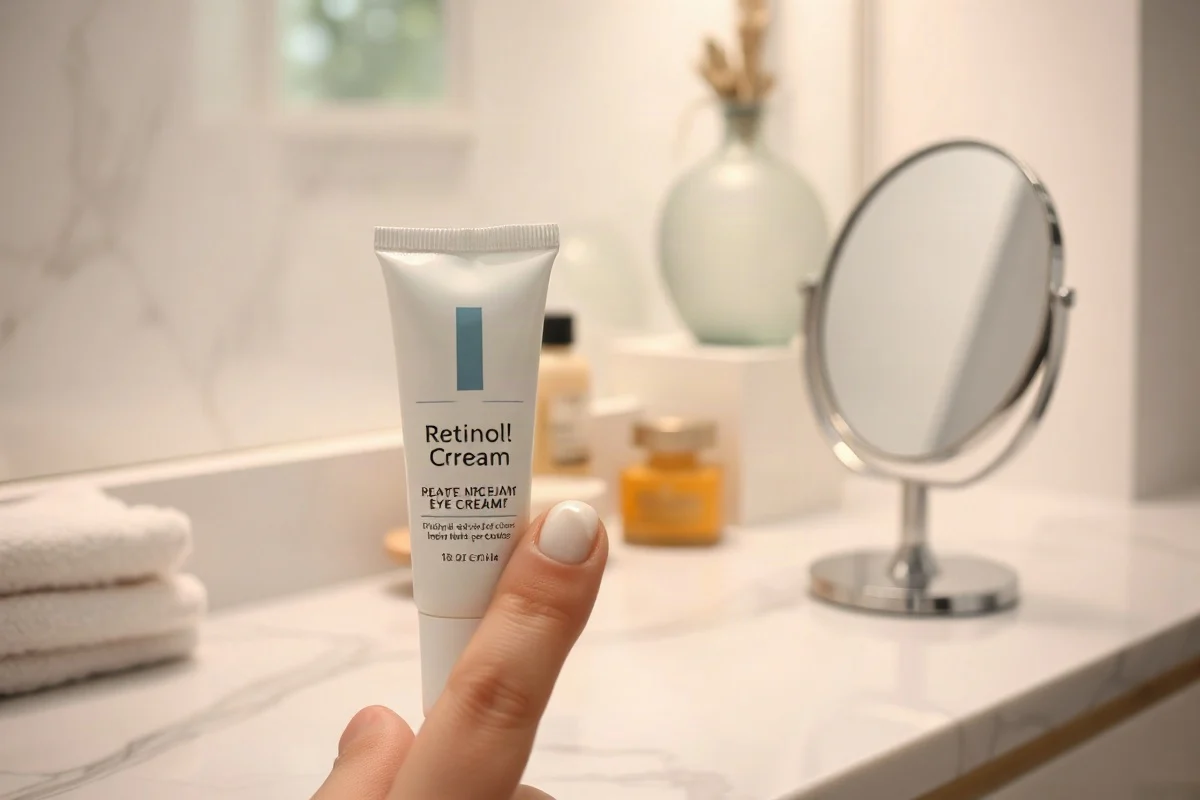
Yes, a drugstore retinol eye cream can be a reasonable starting point for beginners who want to soften the appearance of fine lines or uneven-looking texture around the eyes. The most important step is not finding the strongest formula. It is choosing a product with clear labeling, using a small amount gradually, and accepting that retinol cannot address every type of dark circle or puffiness.
Retinol is a vitamin A derivative commonly used in cosmetic skin care. Around the eyes, it may support a smoother-looking surface over time, but the area is thin and easily irritated. A product sold at a drugstore is not automatically gentle, ineffective, or suitable for everyone. Read the current package directions, check the full ingredient list, and introduce the product slowly rather than applying it nightly from the beginning.
What retinol eye cream may help with
Retinol is most relevant when your main concern is the appearance of fine lines, rough texture, or dull-looking skin. With consistent use, some people may see the eye area look smoother or more even. These are cosmetic appearance goals, not medical outcomes, and individual results can vary.
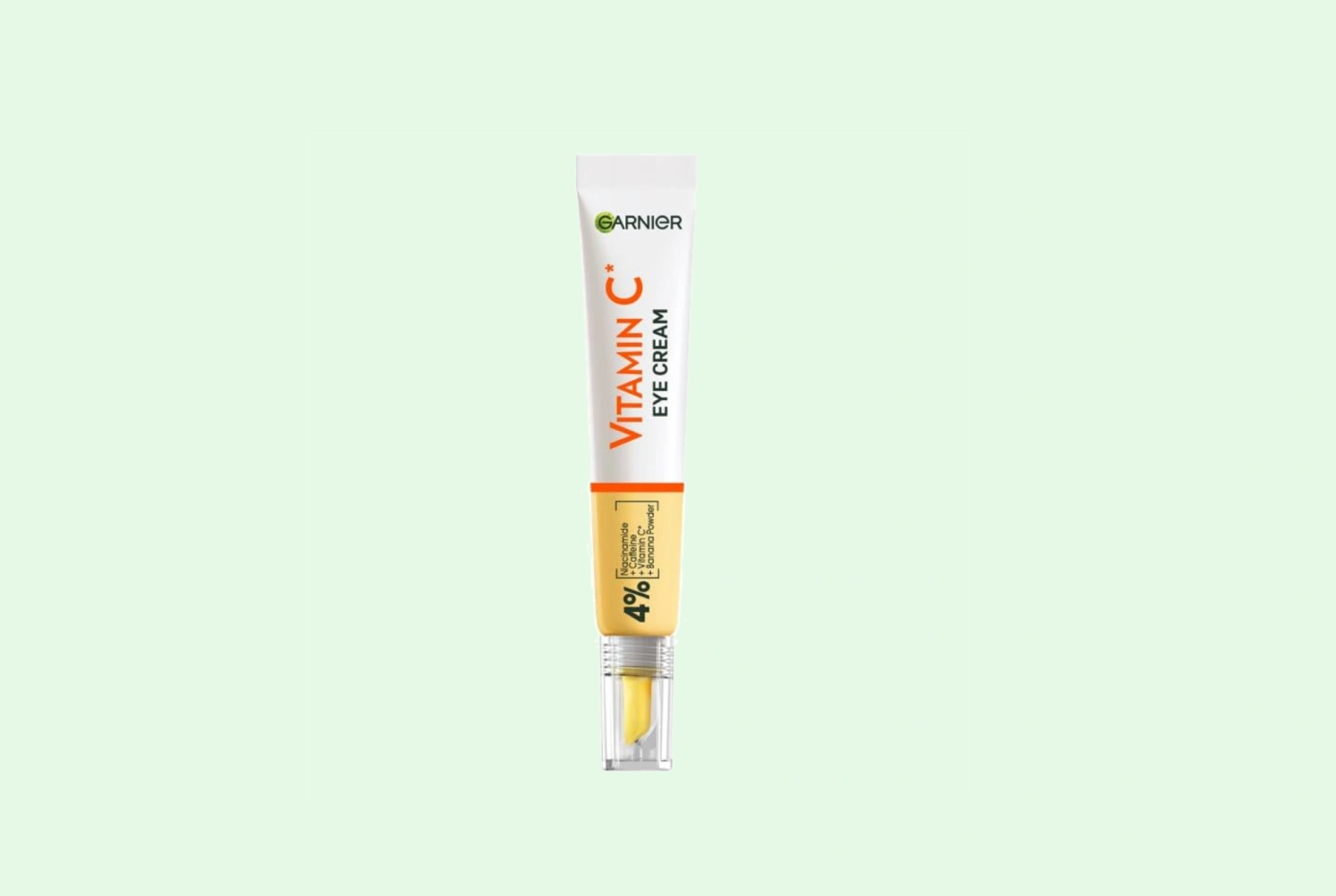
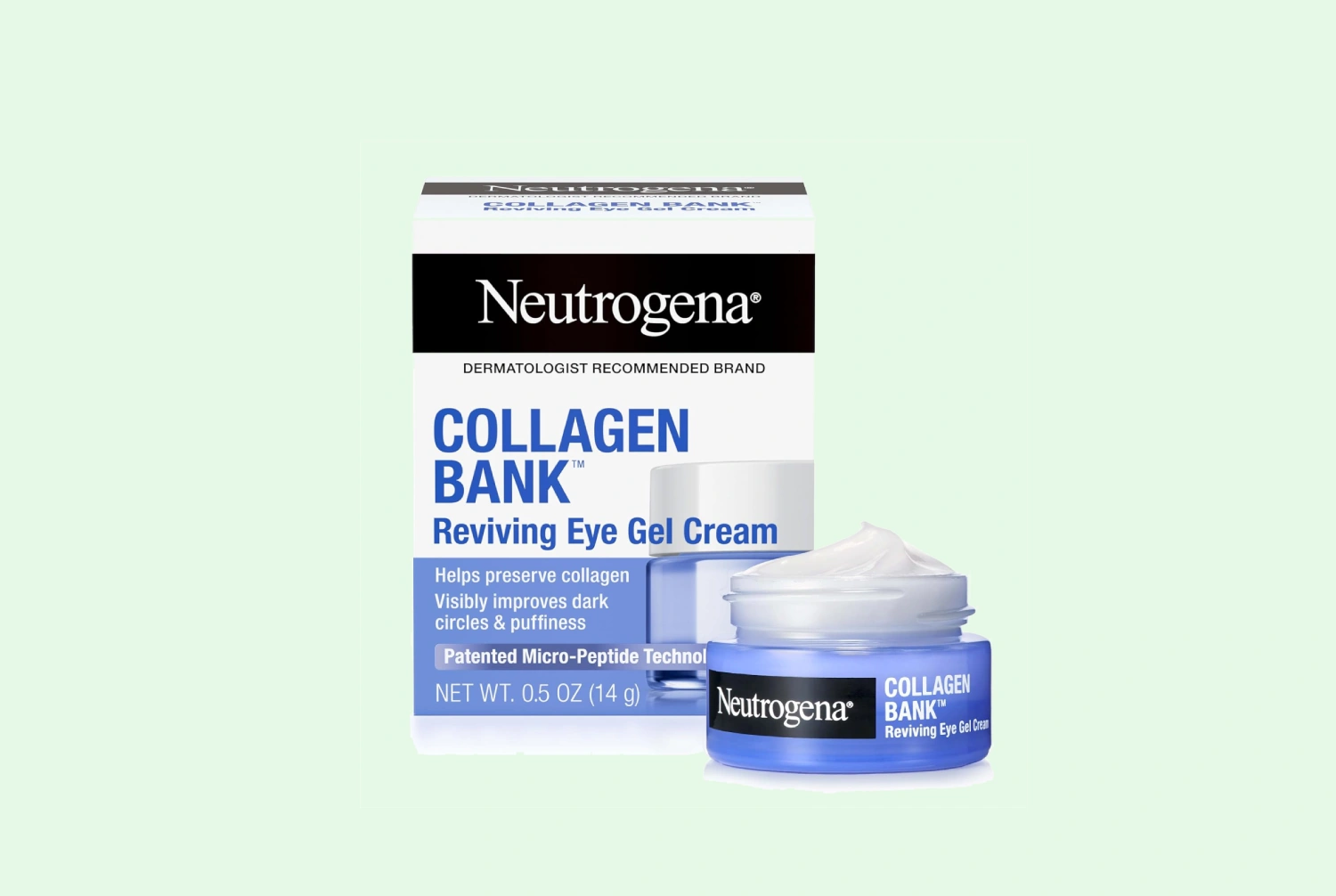
Retinol is less likely to make a major difference when dark circles are caused primarily by the natural shape of the eye socket, visible blood vessels, shadows, or inherited pigmentation. It also is not a dependable solution for temporary swelling caused by sleep, allergies, crying, or fluid retention. If puffiness is your main concern, a cooling application method or a product designed around ingredients such as caffeine may be more aligned with that appearance goal, although results are usually temporary.
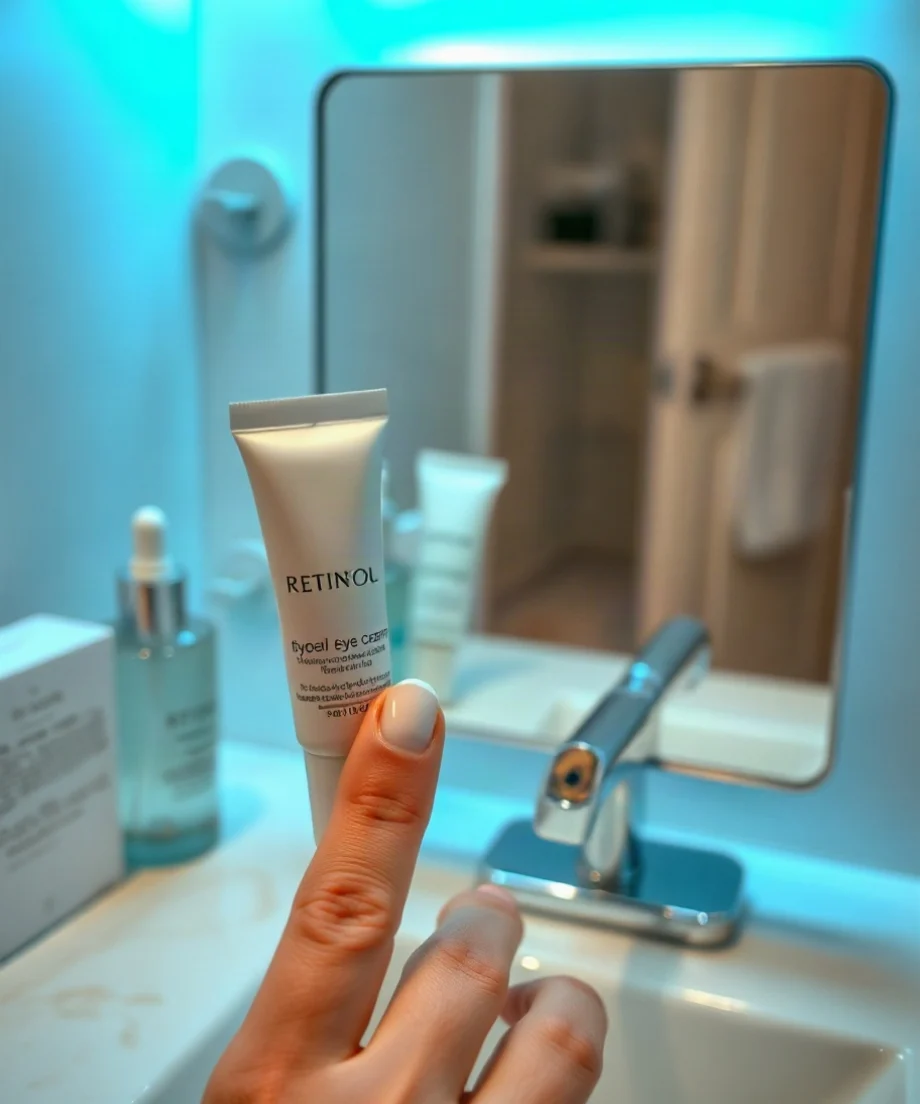
For a broader overview of possible causes and cosmetic approaches, see our guide to dark circles. Keeping the cause in mind can prevent you from expecting one active ingredient to solve several different concerns at once.
Why beginners should be cautious around the eyes
The skin around the eyes can react quickly to products that are tolerated elsewhere on the face. Retinol may cause dryness, tightness, flaking, stinging, redness, or increased sensitivity, especially when used too often or combined with other irritating products.
Eye creams are often designed for the area, but the word “eye” on the package does not guarantee that a product will suit your skin. Packaging and formulas can change, and retailers may carry different versions in different markets. Before buying, verify the current label and, when available, the manufacturer’s ingredient list. Follow the product’s directions instead of relying on an older review, a social media recommendation, or a routine intended for another formula.
Start with a small patch test
Apply a small amount to a limited area away from the lash line and watch how your skin responds over the next day or two, following the product label if it provides different instructions. A patch test cannot predict every reaction, but it can help you avoid applying a new retinol product across both eyes immediately.

Do not apply retinol directly into the eyes, onto broken skin, or too close to the wet inner corners. If the product causes persistent burning, swelling, significant redness, or worsening irritation, stop using it. Seek medical advice for severe or ongoing symptoms, changes in vision, eye pain, or a reaction that does not settle after you discontinue the product.
How to choose a drugstore retinol eye cream
There is no single best product for every beginner. Instead, look for a formula and package that make careful use practical.
Look for clear directions
A useful product should explain where to apply it, how often to begin, and what precautions to follow. Vague directions can make it harder to judge whether a reaction is caused by the product or by using too much.
Consider the rest of the formula
Retinol is only one part of an eye cream. A moisturizing formula may be more comfortable for dry skin, while a lighter texture may appeal to people who dislike richer products. Ingredients such as humectants, emollients, and occlusive moisturizers can support a more comfortable routine, but do not assume that an ingredient list alone predicts how your skin will respond.
Fragrance and essential oils are not automatically harmful, but they may be unnecessary if your skin is reactive. If you already know that your eye area is sensitive, choosing a simpler, fragrance-free option may reduce the number of potential irritants. You can find more general guidance in our coverage of eye care for sensitive skin.
Do not shop by strength alone
Product labels may not provide enough information to compare retinol products directly. Some formulas disclose a retinol percentage, while others do not. Even when a percentage appears on a label, packaging, delivery systems, supporting ingredients, and storage can affect the overall experience. Avoid assuming that the highest listed number is the best choice for a beginner.
Price also does not prove that a formula will work better. A more expensive eye cream may feel more elegant, while a drugstore option may fit your budget and routine more easily. Consistent, tolerable use is generally more realistic than buying a powerful product that you cannot comfortably continue.
A beginner-friendly way to introduce retinol
Use your retinol eye cream at night unless the product label says otherwise. Start with a very small amount for both eyes combined, using the amount recommended on the package when one is provided. Dot it along the orbital area rather than rubbing it directly over the eyelids or close to the lash line. Gentle tapping is enough; vigorous rubbing can add unnecessary friction.
Begin on one or two nonconsecutive nights per week. If your skin remains comfortable after several uses, you can consider increasing frequency gradually according to the product directions. There is no need to rush toward nightly use. If dryness or stinging develops, reduce frequency or pause until the skin feels normal again.
A moisturizer can be applied before or after retinol. Applying moisturizer first may make the routine feel gentler, although it can also change how the product feels or spreads. The best order depends on the specific formula and your tolerance. Avoid adding several new actives at the same time, because that makes it difficult to identify the source of irritation.
What to avoid combining at first
Beginners should be careful about using retinol in the same routine as other potentially irritating products. Exfoliating acids, scrubs, strong acne treatments, and other retinoid products may increase dryness or discomfort. This does not mean these ingredients can never appear in the same overall routine, but separating them and introducing one change at a time is easier on the skin and easier to evaluate.
Be especially cautious if you already use retinol or another vitamin A product on your face. The eye area can receive incidental contact when facial products are applied nearby. If you add a dedicated eye cream, reduce the chance of layering too much product by keeping the application area and schedule deliberate.
Daily broad-spectrum sunscreen on exposed skin is also important. Sunglasses and a hat can provide additional protection. Sunscreen should not be placed inside the eyes, and the eye area may require a carefully chosen product to avoid stinging. Sun protection will not erase existing dark circles, but it can help limit the appearance of sun-related uneven tone and supports a sensible routine when using retinol.
How long should you use it before judging the product?
Retinol is not a quick fix. Cosmetic changes in texture or fine lines, if they occur, generally require patience and consistent use. Early dryness may appear before any visible improvement, which is one reason a gradual schedule matters. Do not keep applying a product through significant irritation just to reach a target timeline.
Take occasional photos in similar lighting if you want to assess subtle changes, but avoid comparing images taken with different expressions, camera angles, or levels of swelling. The appearance of dark circles can change with sleep, lighting, dehydration, allergies, and makeup. A short-term difference does not necessarily show whether retinol is helping.
If your primary concern is fine lines, our guide to fine lines and wrinkles can help you compare retinol with other cosmetic skin-care considerations. If your main concern is morning swelling, a retinol-focused product may simply not be the most relevant first choice.
Who should ask a health professional first?
People who are pregnant, trying to become pregnant, or breastfeeding should ask a qualified health professional whether topical retinol is appropriate for them. Anyone with an eye condition, recurring eyelid dermatitis, a history of strong reactions, or prescription skin treatments should also get individualized guidance before starting.
Dark circles can have many possible contributors, and an eye cream cannot diagnose the reason they appear. Contact a health professional if discoloration develops suddenly, affects only one side, comes with pain or marked swelling, or is accompanied by other concerning symptoms. Cosmetic advice is not a substitute for an evaluation when the issue may be medical.
A practical drugstore shopping checklist
- Choose a product with current, readable directions and a complete ingredient list.
- Confirm that the package identifies retinol or another vitamin A ingredient clearly.
- Check whether the formula includes fragrance or other ingredients your skin has previously reacted to.
- Plan to start one or two nights per week rather than using it every night immediately.
- Keep a basic moisturizer available to support comfort.
- Use sun protection on exposed skin during the day.
- Do not add several new active products at the same time.
- Stop if you develop significant or persistent irritation.
A drugstore retinol eye cream can fit into a beginner routine when expectations are realistic and application is conservative. Choose tolerability over marketing language, verify the current formula, and give your skin time to show whether the product belongs in your routine. If the main concern is inherited pigmentation, pronounced hollowness, persistent swelling, or a sudden change, looking beyond retinol may be more useful than simply choosing a stronger eye cream.

Comments
0No comments yet. Be the first to share a helpful note or question.
Leave a Comment
Your email address will not be published. Comments are reviewed before appearing on the site.