
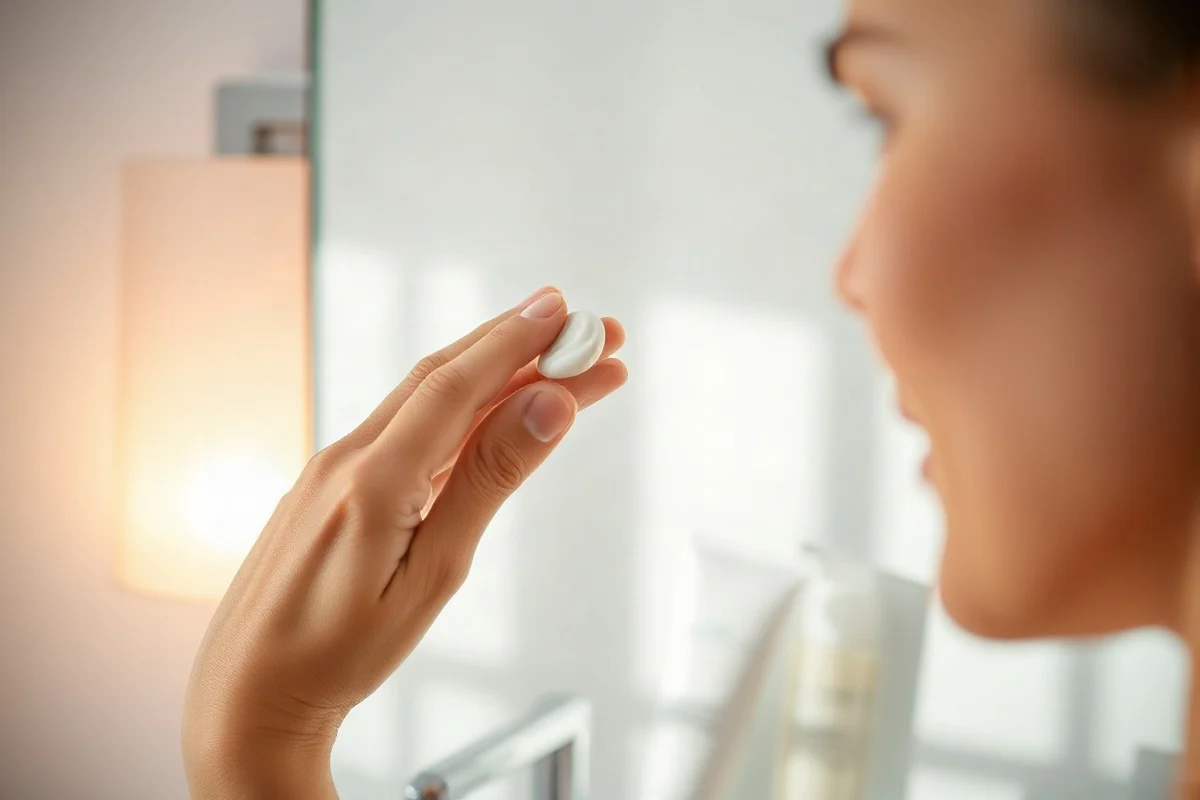
Retinol may help improve the appearance of under-eye fine lines by supporting smoother-looking skin over time, but it is not a quick fix and can irritate the delicate eye area. The safest approach is to choose a product specifically labeled for the eye area, introduce it gradually, follow the package directions, and use sun protection during the day. Results vary, and retinol will not erase lines or change the natural structure of the skin.
Why retinol is used around the eyes
Retinol is a form of vitamin A used in cosmetic skincare. It encourages skin renewal and may support a smoother, more even-looking surface with consistent use. Because fine lines can become more noticeable when skin is dry or when facial expressions crease the area, a retinol eye product may be useful for people who want to improve the visible appearance of texture.
The under-eye area is thinner and more easily disturbed than much of the skin on the face. That does not make retinol automatically unsuitable, but it does make product choice and application technique especially important. A facial retinol may be too strong, too drying, or not designed for use near the eyes. Unless the label specifically indicates otherwise, avoid applying a product close to the lash line or on the eyelids.
Retinol is also different from prescription retinoids. Cosmetic retinol products and prescription treatments can vary in strength, formulation, instructions, and intended use. This article focuses on cosmetic appearance guidance, not the diagnosis or treatment of wrinkles, eye conditions, or skin disease.
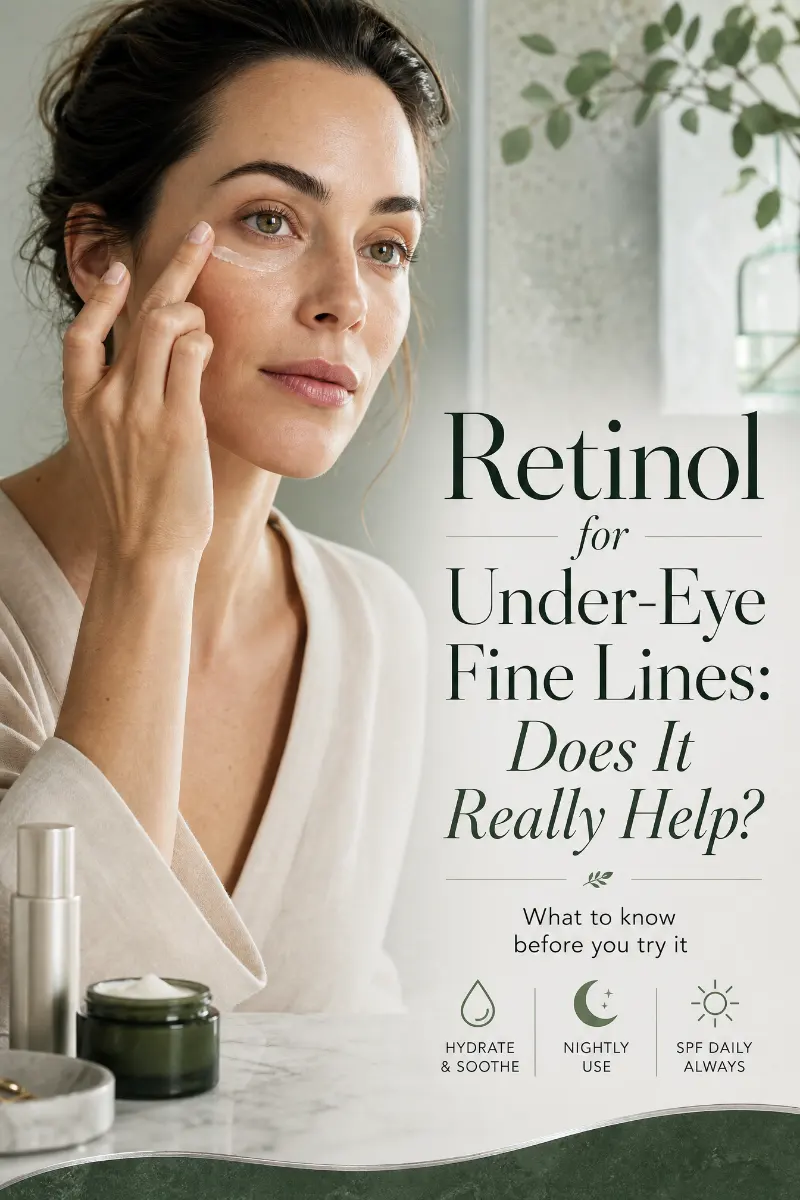
What retinol can and cannot do for under-eye lines
With regular, well-tolerated use, retinol may make fine lines look less noticeable and help the skin appear smoother. The effect is usually gradual rather than immediate. Hydration can also temporarily make dry-looking lines appear softer, so an eye cream may combine retinol with moisturizing ingredients for a more comfortable routine.
Retinol cannot permanently remove fine lines, prevent every sign of aging, or replace sun protection. It also may not address every reason lines appear more prominent. Dehydration, dryness, repeated facial movement, squinting, natural changes in skin structure, and environmental exposure can all affect the look of the eye area.
If your main concern is darkness, puffiness, or a hollow appearance rather than surface texture, retinol may not be the most relevant ingredient for your goal. You can explore our guides to dark circles and under-eye puffiness for more targeted considerations.
How to choose a retinol eye product
Look for clear eye-area directions
Start with a formula that is explicitly made for the eye area or provides clear instructions for under-eye use. Packaging may specify where to apply the product, how often to use it, and which areas to avoid. Formulas change, so check the current package and, when product details matter, verify the manufacturer’s ingredient list rather than relying on an older description.
Consider the rest of the formula
Retinol is only one part of an eye product. A moisturizing formula may be more comfortable for dry or easily irritated skin. Ingredients such as humectants, emollients, and occlusives can help support the skin barrier, although the exact benefits depend on the complete formula and your individual skin.
Avoid assuming that more active ingredients will produce better results. Products that also contain exfoliating acids, strong fragrances, or other potentially irritating ingredients may be harder to tolerate, particularly when used near the eyes. If you already use active skincare elsewhere in your routine, review the labels to avoid unintentionally layering several irritating products in the same area.
Choose packaging that protects the formula
Retinol can be sensitive to environmental conditions, depending on the formulation and packaging. A well-sealed container that limits unnecessary exposure to air and light may help preserve product quality, but packaging alone does not guarantee performance. Follow the storage instructions and discard a product if its appearance, smell, or texture changes in a way that seems inconsistent with the original formula.
How to introduce retinol under the eyes
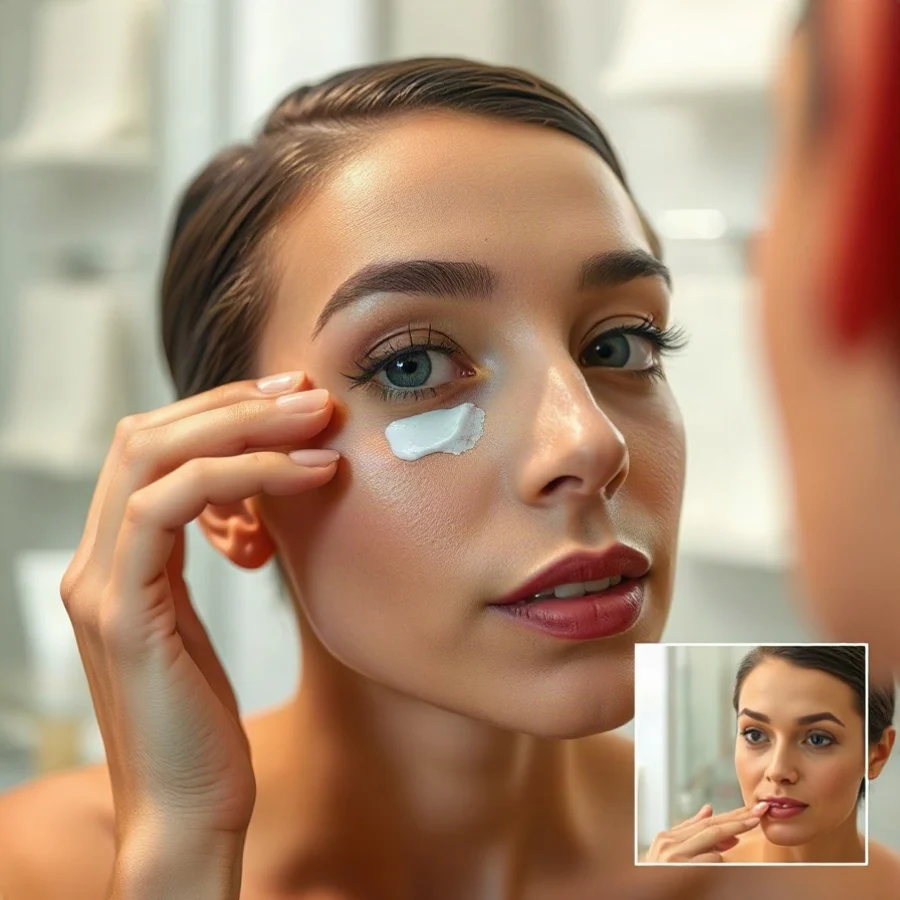
Use a gradual schedule rather than applying retinol every night from the beginning. Start according to the product label, and consider using it on a small number of nonconsecutive nights while you assess how your skin responds. Apply a small amount to clean, completely dry skin, keeping it away from the lash line and the inner corners of the eyes.
Use gentle tapping motions instead of rubbing. The product can spread slightly after application, so leaving a small buffer around the eyes may reduce the chance of accidental contact. Wash your hands afterward, especially before touching your eyes or applying contact lenses.
If your skin remains comfortable, continue the label’s recommended routine. There is no need to increase frequency quickly. More frequent use is not automatically more effective if it causes dryness, redness, stinging, peeling, or persistent sensitivity.
Try a buffering approach if needed
People with dry or reactive skin may prefer applying a plain moisturizer before or after retinol, if the product directions allow it. This can make the routine feel more comfortable, although it may also alter how the product feels or spreads. Avoid using a thick layer directly on the eyelids unless the moisturizer is intended for that area.
Do not apply retinol to skin that is already irritated, sunburned, cracked, or peeling. Stop using it if you develop significant discomfort, swelling, burning, or a rash. If symptoms do not settle after stopping, or if the eye itself becomes painful, red, or affected, seek appropriate medical advice.
Sun protection matters
Daily broad-spectrum sunscreen and practical sun protection are important parts of any routine focused on visible signs of aging. Use a sunscreen that is labeled for the area and comfortable enough to apply consistently, taking care to avoid getting it in the eyes. Sunglasses and a hat can also reduce direct exposure and squinting in bright conditions.
Some people find that sunscreen stings around the eyes. If that happens, do not force yourself to keep using a product that causes ongoing discomfort. Look for an option intended for sensitive areas, follow its directions, and consider physical barriers such as sunglasses. Sun protection does not guarantee that fine lines will not develop, but it can help limit avoidable environmental exposure.
Common mistakes to avoid
Using a face retinol too close to the eyes
A product intended for the face is not automatically appropriate for the eyelids or under-eyes. Check the label before applying it near the eye area. If the instructions exclude the eyelids or eye contour, follow that guidance.
Starting with too much product
A larger amount will not necessarily improve results. Excess product can migrate into the eyes or increase the likelihood of irritation. Use only the amount directed on the label.
Combining several strong actives at once
Adding retinol while also increasing exfoliating acids, scrubs, or other active products can make it difficult to identify the source of irritation. Introduce one meaningful change at a time. A simple routine is often easier to assess and maintain.
Expecting immediate results
Fine lines do not usually change overnight. Early use may be defined more by how well your skin tolerates the product than by a visible cosmetic difference. If your skin becomes persistently irritated, continuing will not make the routine more successful.
Who should use extra caution?
People with sensitive skin, eczema-prone skin, a history of eye-area irritation, or an impaired skin barrier should be especially cautious. A patch test can help identify obvious irritation, although it cannot predict every reaction and does not replace following the product label.
If you are pregnant, trying to become pregnant, or breastfeeding, ask a qualified health professional whether a retinol product is appropriate for you. Medical conditions, medications, prior procedures, and ongoing eye symptoms can also affect what is suitable. Do not use cosmetic retinol as a substitute for evaluation of persistent redness, pain, vision changes, marked swelling, or other symptoms involving the eye.
A simple routine for fine lines
In the evening, cleanse gently and allow the skin to dry. Apply the retinol eye product as directed, using a small amount and avoiding the lash line. Follow with a bland moisturizer if needed and if compatible with the product directions. On mornings after retinol use, apply moisturizer and sunscreen suitable for the eye area.
On nights when you are not using retinol, focus on gentle cleansing and hydration. This gives your skin a chance to remain comfortable and makes it easier to notice whether the retinol is helping or causing problems. For help organizing products by skin type and concern, try the under-eye routine builder.
How to judge whether it is working for you
Assess the product based on tolerance, consistency, and the appearance of your skin under similar conditions. Take time before deciding that a routine is or is not useful, and avoid comparing your under-eyes in different lighting, after poor sleep, or when the skin is unusually dry. Fine lines can look different from one day to the next.
If the product repeatedly causes irritation, the best choice may be to stop rather than push through. You can return to a basic moisturizing routine and reconsider whether a gentler approach better matches your skin. Retinol is one option among many, not a required ingredient for maintaining the appearance of the under-eye area.
For broader ingredient research, review our eye cream ingredient guide. The most realistic goal is not flawless, line-free skin, but a routine that supports comfortable, hydrated-looking skin while making fine lines appear less prominent over time.

Comments
0No comments yet. Be the first to share a helpful note or question.
Leave a Comment
Your email address will not be published. Comments are reviewed before appearing on the site.