
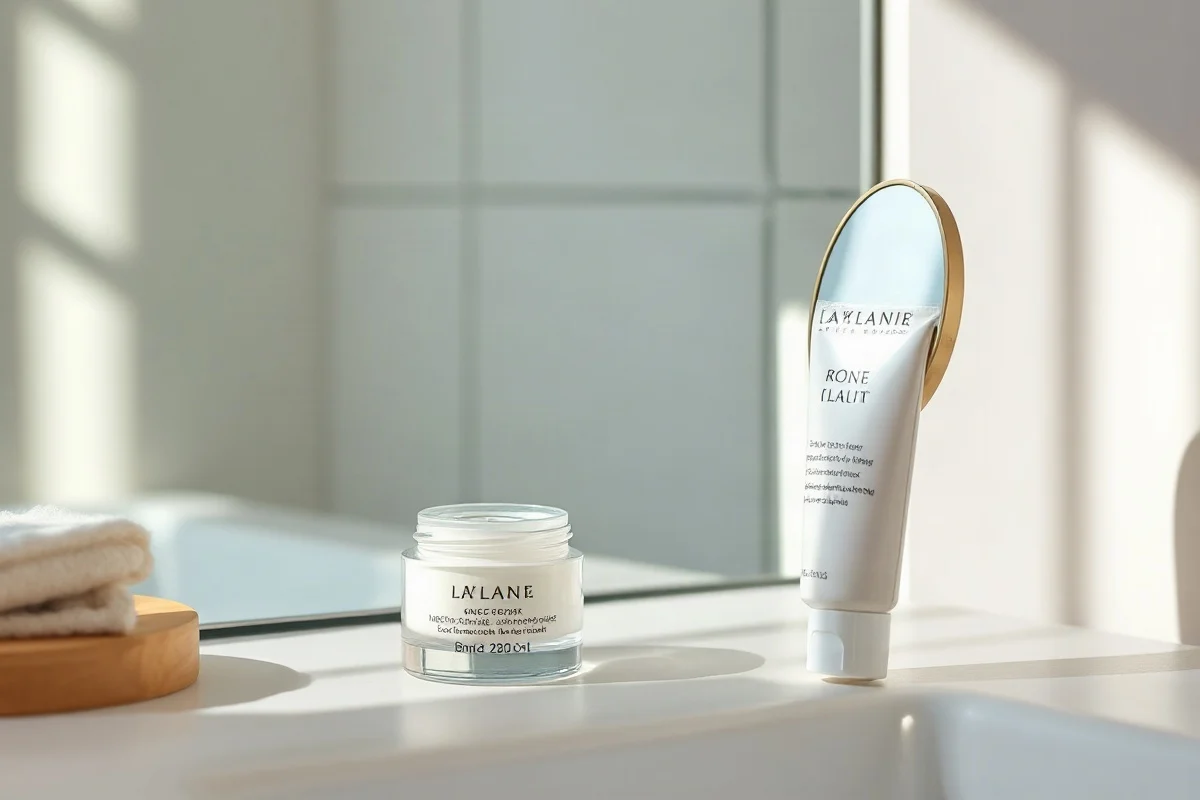
Roll-on eye products are not automatically better than traditional eye creams. A roll-on may feel cooling, spread a lightweight formula easily, and make morning application convenient, while a traditional eye cream often offers more control over the amount and where you apply it. The better choice depends on your skin type, the formula inside the package, your main concern, and whether you prefer a cooling applicator or a richer moisturizing texture.
What makes a roll-on eye product different?
A roll-on eye product combines a skincare formula with a small rolling applicator, often made from metal, plastic, or another smooth material. As the applicator moves across the skin, it deposits product and creates a light massaging sensation. Some designs use a single roller, while others use multiple small rollers or a rounded applicator tip.
The roller itself may feel cool when first used, particularly if the product has been stored in a cool room. That sensation can make the under-eye area look and feel temporarily refreshed. However, the cooling effect is not the same as a medical treatment for puffiness, and it does not address every reason someone may have dark circles or under-eye bags.
Roll-on packaging can also influence how much product reaches the skin. Some products dispense a thin layer with each pass, while others require several strokes. Because packaging and formulas vary, check the current product label and manufacturer ingredient list before relying on a product-specific description.
How traditional eye creams differ
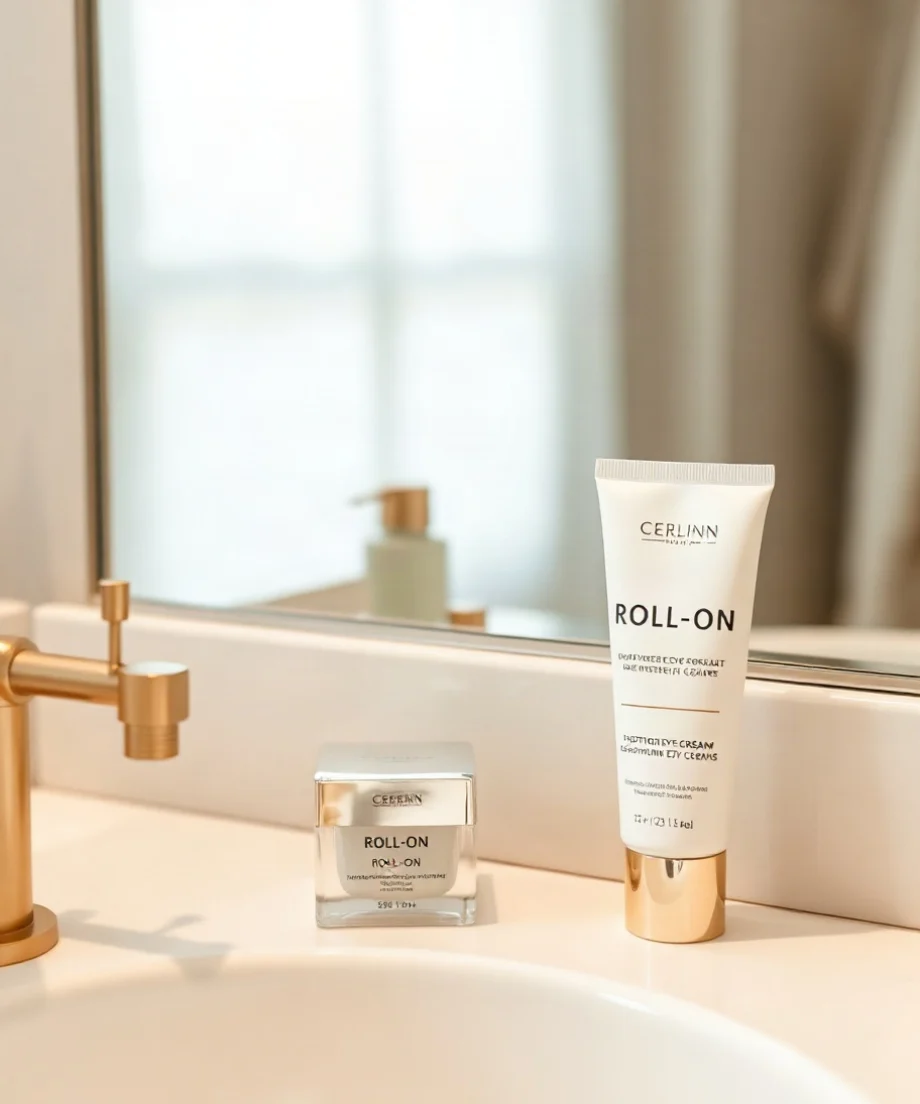
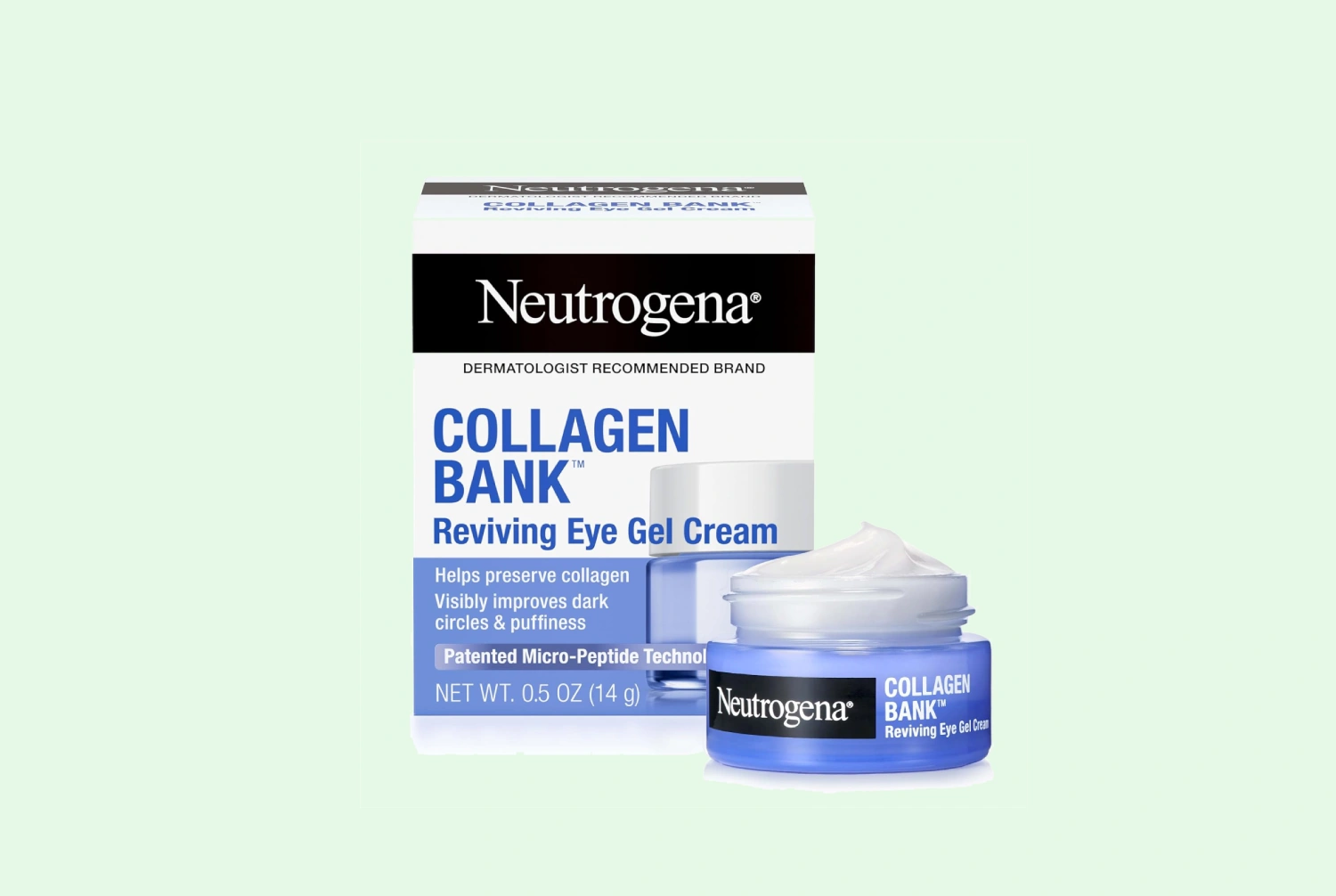
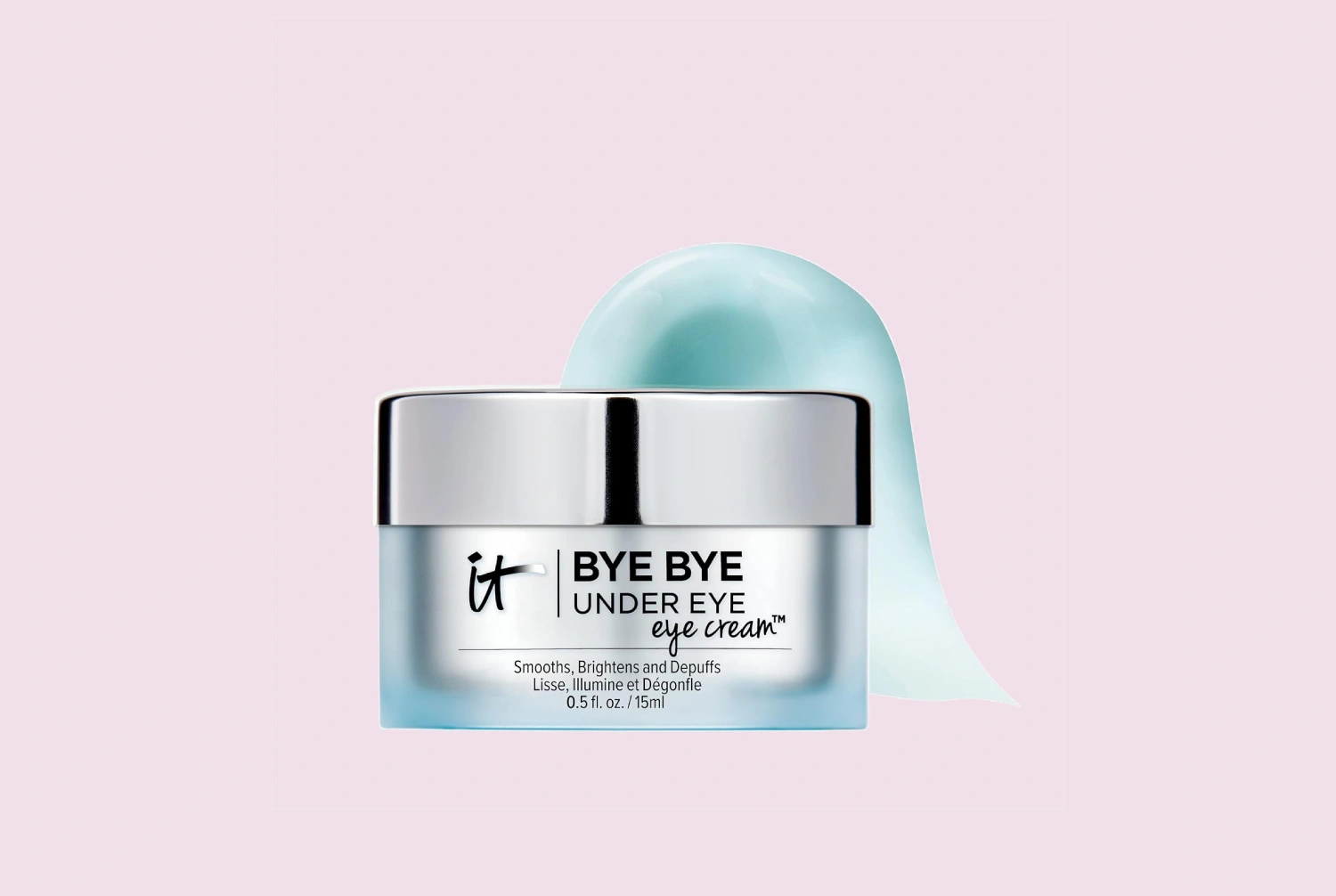
Traditional eye creams usually come in a tube, pump, jar, or squeeze container. You apply a small amount with a fingertip, which allows you to adjust the quantity and place the product precisely along the orbital area. This can be useful when you need extra moisture in a dry patch or want to avoid applying too close to the lash line.
Eye creams also come in a wide range of textures. Lightweight gels and lotions may suit people who dislike a heavy finish, while thicker creams can be more comfortable for dry or mature skin. A richer product may also work better at night, when you are less concerned about layering it under makeup.
That flexibility is the main advantage of a traditional format. You can choose a formula based on its ingredients and texture rather than making the applicator part of the decision. For guidance on common eye-care ingredients, see this eye cream ingredient guide.
Roll-on products: potential advantages
A cooling, refreshing application
The most noticeable benefit of a roll-on is usually the application experience. A cool roller can feel soothing in the morning, especially when the under-eye area looks temporarily puffy after sleep. The effect is generally short-lived and should be understood as a cosmetic, sensory benefit rather than a treatment.
Lightweight coverage and quick layering
Many roll-on products are designed to apply in a thin layer. That can make them appealing under sunscreen or concealer, provided the formula does not pill or leave excessive residue. A lightweight layer may also be more comfortable for people who dislike the feeling of eye cream.
Less direct finger contact
Because the roller touches the skin directly, you may use your fingertips less during application. This does not make the product automatically more hygienic. The applicator still needs to be kept clean, and it should not be shared. If the roller becomes coated with makeup, skincare residue, or debris, follow the package directions for cleaning. Do not introduce water into a package unless the manufacturer says it is appropriate.
Traditional eye creams: potential advantages
More control over the amount
With a traditional eye cream, you can start with a very small amount and add more only where needed. This is helpful around the delicate eye area, where applying too much product can lead to migration into the eyes, a greasy finish, or concealer that slips during the day.
More texture options
Traditional eye creams are available in formulas for different preferences and skin needs. Dry skin may prefer a more emollient texture, while combination or oilier skin may favor a gel-cream. People with sensitive skin may want a simple formula with fewer potential irritants and no strong fragrance.
No package type guarantees that a formula will suit your skin. If you are prone to sensitivity, review the ingredient list and consider a cautious patch test according to the product instructions. Stop using the product if you develop burning, persistent redness, swelling, itching, or another concerning reaction.
More precise ingredient selection
A fingertip-applied cream may be the easier format when you are choosing an eye product around a specific ingredient category. Hydrating ingredients can support a softer-looking surface, while caffeine-containing formulas may temporarily improve the look of puffiness for some users. Antioxidant ingredients and retinoid-based products are also common in eye-care routines, but their suitability depends on the individual formula and your skin's tolerance.
Potentially irritating actives require extra care around the eyes. Follow the label, use the product only as directed, avoid the lash line unless the instructions specifically allow it, and discontinue use if irritation occurs. If you are considering a retinol product, consult the current label and review guidance in this retinol eye cream overview.
Which format is better for dark circles?
Neither a roll-on nor a traditional eye cream can address every type of dark circle. Under-eye darkness may be influenced by visible blood vessels, natural skin tone, shadows from facial structure, pigmentation, dryness, irritation, or lifestyle factors. A topical cosmetic can improve the look of hydration, texture, or temporary dullness, but it may not change the underlying reason for the darkness.
A roll-on may be a practical choice if your main preference is a light, cooling morning product. It may also be useful when you want a fast application before makeup. A traditional eye cream may be more suitable if dryness, a tight feeling, or fine lines that look more noticeable when the skin is dehydrated are your primary concerns.
If darkening is new, one-sided, rapidly changing, or accompanied by swelling, pain, rash, vision changes, or other symptoms, cosmetic skincare is not a substitute for professional medical advice. An eye-care product should not be used to diagnose or treat a medical condition.
Which format is better for puffiness?
A cool roll-on can temporarily make the under-eye area feel refreshed and may reduce the appearance of mild, short-term puffiness while the cooling sensation lasts. Gentle application matters: pressing hard or repeatedly rolling over swollen skin can cause unnecessary friction.
Traditional eye creams can also be used for the look of puffiness, particularly when the formula is lightweight and does not leave a heavy film. However, adding more product is not necessarily better. A thick layer may migrate, irritate the eyes, or make the area appear shinier without improving the underlying concern. For more targeted reading, visit the site's guide to puffiness and eye bags.
How to choose between a roll-on and a cream
Start with texture and skin comfort
Choose a roll-on if you prefer a thin, fresh-feeling layer and enjoy the applicator. Choose a traditional cream if you need richer moisture or want to customize the amount. If either format stings, feels overly tight, causes watering, or leaves persistent redness, it is not a good match, even if the product is marketed for the eye area.
Check the full ingredient list
Do not select an eye product based only on words such as brightening, cooling, firming, or de-puffing. Look at the complete ingredient list and the directions. Fragrance, essential oils, exfoliating acids, and retinoid ingredients can be unsuitable for some sensitive users, while a basic moisturizing formula may be easier to tolerate. Formulas can change, so verify the current packaging or the manufacturer's ingredient information before buying or using a product.
Consider your routine
A roll-on may fit a quick morning routine, while a traditional cream may be easier to use at night. If you apply several products, give each layer a moment to settle and use a small amount. Apply by gently tapping or smoothing over the orbital area rather than pulling the skin. Avoid rubbing directly over the eyeball or placing product where it can easily enter the eye.
Can you use both?
You can use a roll-on and a traditional eye cream in the same routine if both products are comfortable and their directions allow it. For example, someone might prefer a lightweight roll-on in the morning and a more moisturizing cream at night. This is not necessary, though, and using two products does not guarantee better-looking results.
If you combine products, introduce one at a time so you can identify the source of a reaction. Layering multiple active ingredients around the eyes can increase the chance of irritation. A simple routine with one well-tolerated product is often more practical than a complicated routine that leaves the skin uncomfortable.
A practical way to decide
Choose a roll-on when the cooling sensation, quick application, and lightweight texture are your priorities. Choose a traditional eye cream when you want precise application, a wider range of textures, or more flexibility in selecting ingredients. In either case, judge the product by how comfortably it fits your routine and how your skin looks over time—not by the applicator alone.
For help organizing products around your main concern, the under-eye routine builder can help you think through texture, skin type, and routine preferences. Realistic expectations matter: eye products may support a smoother, more hydrated, or temporarily refreshed appearance, but they cannot guarantee permanent removal of dark circles, puffiness, or fine lines.

Comments
0No comments yet. Be the first to share a helpful note or question.
Leave a Comment
Your email address will not be published. Comments are reviewed before appearing on the site.