
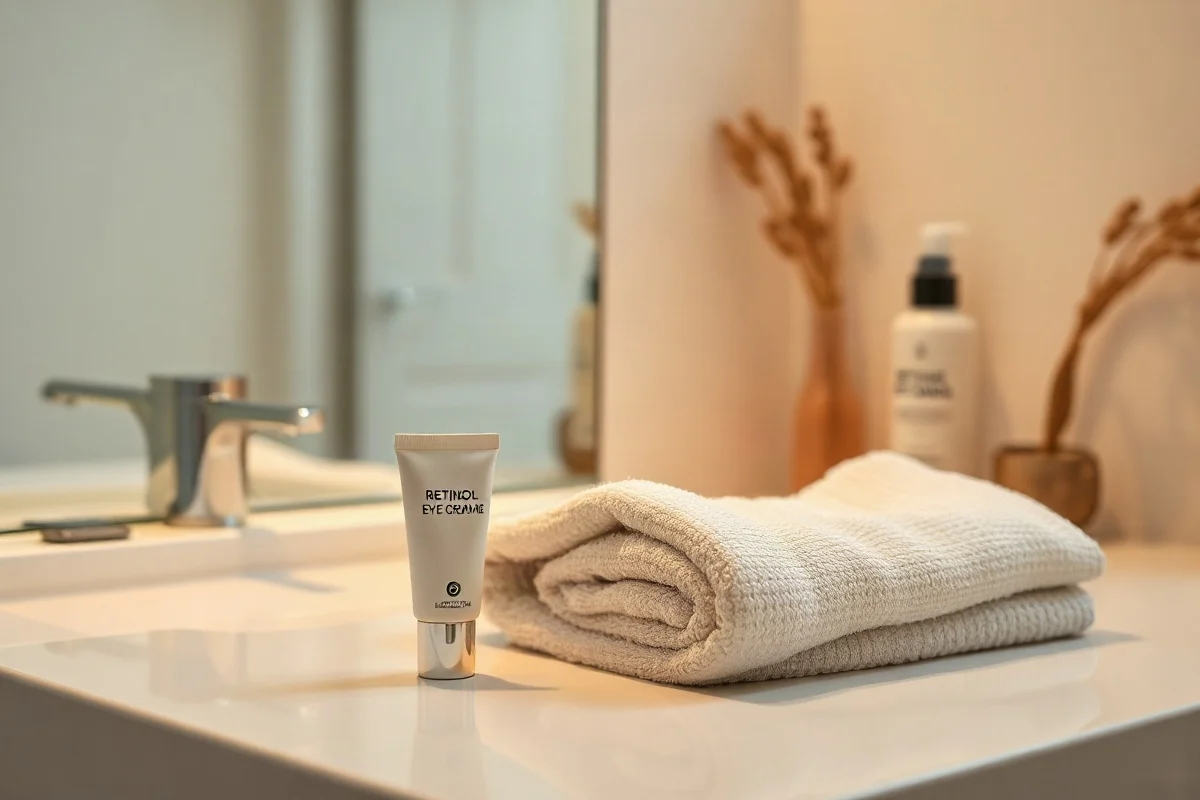
No, most people should not start by using retinol eye cream every night. Retinol can be a useful cosmetic ingredient for the look of fine lines, uneven texture, and some forms of discoloration, but the skin around the eyes is delicate and may become dry, irritated, or uncomfortable with frequent use. A better approach is to begin slowly, follow the product label, and increase frequency only if your skin remains comfortable.
Whether nightly use is appropriate depends on the specific formula, your skin’s tolerance, and the rest of your routine. Some people may eventually use a retinol eye product several nights per week, while others may prefer once-weekly application or avoid retinol altogether. More frequent use is not automatically better, and retinol is not a guaranteed way to remove dark circles, puffiness, wrinkles, or other under-eye concerns.
What retinol eye cream may help with
Retinol is a vitamin A derivative used in cosmetic skincare. It may support a smoother-looking surface and improve the appearance of fine lines over time by encouraging regular skin renewal. It is also commonly included in products designed for the look of uneven tone and texture.
The under-eye area can look different for many reasons. Dark circles may be influenced by visible blood vessels, natural pigmentation, shadows from facial structure, dryness, or thin-looking skin. Puffiness can have different causes as well, including fluid retention, genetics, allergies, sleep-related factors, or irritation. A retinol eye cream may be relevant to the appearance of fine lines and texture, but it cannot address every reason the under-eye area looks darker or swollen.

For a broader overview of common concerns and possible cosmetic approaches, visit our dark circles guide. If you are experiencing persistent swelling, sudden changes, pain, itching, or vision symptoms, consider speaking with a qualified health professional rather than relying on a cosmetic product.
Why nightly use can be too much at first
Retinol can be irritating, particularly when introduced too quickly or combined with other potentially irritating products. The eye area is especially prone to dryness and sensitivity because the skin is relatively thin and is exposed to frequent movement, cleansing, rubbing, and environmental stress.
Using a retinol eye cream every night from the beginning may increase the chance of burning, stinging, redness, flaking, tightness, or watery eyes. Irritation can also make the under-eye area look temporarily darker or more creased because dry skin catches light unevenly. If the product migrates into the eyes, it may cause additional discomfort.
That does not mean retinol is unsuitable for everyone. It means frequency should be treated as a variable rather than a target. The most practical schedule is the one you can use consistently without ongoing irritation.
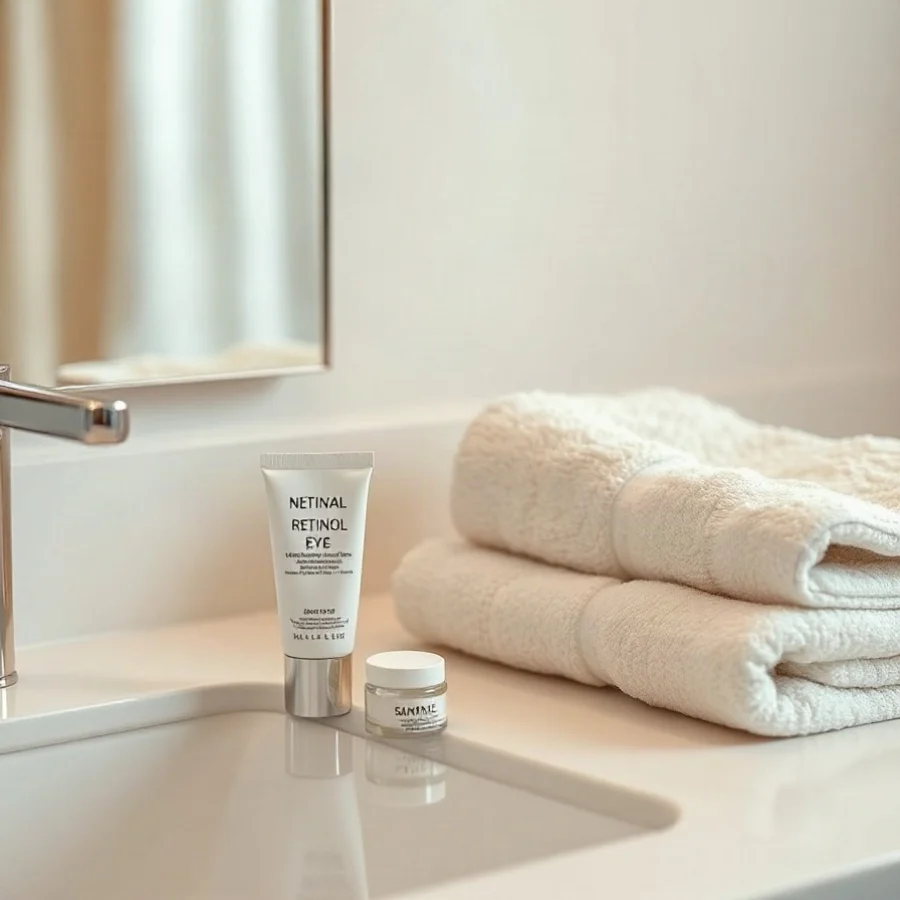
How often should you use retinol eye cream?
Start with a low frequency
If you have not used a retinol product around your eyes before, consider beginning with one night per week. Use a small amount as directed on the packaging, and observe how your skin responds over the following days. If your skin stays comfortable, you may be able to move to twice weekly after giving it time to adjust.
There is no universal timetable for increasing frequency. Some people may remain comfortable at once or twice per week, while others may gradually use the product on alternate nights. Do not increase use simply because you have not seen an immediate change. Cosmetic retinol products generally require patience, and irritation can set your routine back.
Increase only when your skin is comfortable
Signs that your current schedule may be too frequent include persistent stinging, peeling, unusual dryness, redness, or sensitivity to products that normally feel comfortable. If these symptoms occur, pause the retinol product and return to a simple, gentle routine until your skin feels normal again. Follow the product’s instructions, and stop using it if irritation continues or becomes significant.
Once your skin tolerates the product, you can decide whether a slightly more frequent schedule is worthwhile. You do not need to reach nightly use for the product to have a place in your routine. For many people, a less frequent schedule offers a reasonable balance between using the ingredient and limiting irritation.
How to apply retinol eye cream more carefully
- Read the current label. Product instructions, warnings, and ingredient lists can change. Check the package or the manufacturer’s current information before use, especially if you are comparing formulas.
- Use a small amount. More product does not necessarily mean better results and may increase the chance of irritation. Apply only the amount recommended by the label.
- Keep the product away from the eye itself. Apply around the orbital area as directed rather than directly along the wet inner rim of the eye or on the eyelids unless the product specifically instructs you to do so.
- Use it on clean, dry skin if directed. Wet skin can sometimes make skincare feel more intense, so follow the product’s instructions and avoid applying it immediately after aggressive cleansing.
- Follow with a bland moisturizer if needed. A simple, fragrance-free moisturizer may help support comfort, provided it does not irritate you.
- Protect your skin during the day. Use broad-spectrum sunscreen as directed on areas that tolerate it, and consider sunglasses and shade. Sun protection can help limit the visible effects of environmental exposure, although it will not erase existing under-eye concerns.
Some people use a moisturizer before retinol to create a gentler routine, while others apply moisturizer afterward. Either approach may be reasonable if it matches the product directions and your skin’s tolerance. Avoid experimenting with several new products at once, because it becomes difficult to identify what is causing irritation.
Ingredients and combinations to consider
When choosing an eye cream, look beyond the word “retinol.” The complete ingredient list and the product’s directions matter. Formulas may also contain moisturizing or soothing ingredients, but you should not assume that a product will suit sensitive skin based on a single marketing description. Ingredients and formulas can change, so verify the current packaging or manufacturer ingredient list when product-specific details matter. Our eye cream ingredient guide can help you evaluate common ingredients more carefully.
Use caution when combining retinol with other potentially irritating actives in the same area. Strong exfoliating acids, abrasive scrubs, and other retinoid products may make dryness or sensitivity more likely. You may not need to apply every active to the under-eye area, and you should follow each product’s directions rather than layering products automatically.
Fragrance can also be a concern for people with reactive skin, although “fragrance-free” does not guarantee that a product will be comfortable for everyone. If you have a history of sensitivity, consider a patch test according to the product’s instructions and introduce only one new product at a time.
Who may want to avoid nightly retinol
Nightly retinol may be a poor fit if your under-eye skin is already irritated, peeling, chapped, or highly reactive. It may also be wise to delay introduction when you are dealing with a damaged skin barrier or when you have recently added several other active products.
If you are pregnant, trying to become pregnant, or breastfeeding, ask your physician or another qualified health professional whether a retinol product is appropriate for you. Advice may depend on the specific ingredient and your personal circumstances. People with eczema, rosacea, chronic eyelid irritation, or an eye condition should also seek professional guidance before applying an active cosmetic product near the eyes.
Retinol is not a treatment for an eye disease, allergy, infection, or medical cause of swelling. It also should not be used to self-diagnose unexplained changes in the skin. Seek medical advice for persistent or worsening symptoms, especially if they affect one eye, appear suddenly, or occur with pain or changes in vision.
What results should you expect?
Retinol eye cream is best viewed as a gradual cosmetic option, not a quick fix. If it suits your skin, you may eventually notice that the area looks smoother or more refined. However, the result can be subtle, and it may be difficult to separate the effect of retinol from improvements in moisturizing, sun protection, sleep, or other routine changes.
Retinol is also unlikely to change dark circles caused mainly by facial shadows, naturally visible vessels, or inherited pigmentation. It may not make a meaningful difference to puffiness either. For those concerns, you may want to explore targeted routine options without assuming that one ingredient can address every cause. Our under-eye routine builder can help you think through concerns, skin type, and product texture before adding another active.
Take progress photos only if you can do so consistently, using similar lighting and angles. Avoid judging your skin day to day, since hydration, sleep, allergies, and lighting can change the appearance of the under-eye area. Most importantly, do not continue a product that causes ongoing discomfort in the hope that irritation means it is working.
A practical schedule for beginners
A simple starting plan is to apply retinol eye cream once weekly for several weeks, using the amount and placement specified on the label. If your skin remains calm, consider moving to twice weekly. You can stay at that frequency indefinitely if it provides a comfortable routine. Only consider using it more often when your skin has shown that it can tolerate the product, and reduce frequency again if dryness or irritation develops.
On non-retinol nights, keep the area’s routine uncomplicated: gentle cleansing, a comfortable moisturizer if needed, and daytime sun protection. This approach makes it easier to notice how your skin responds and reduces the temptation to compensate for a slow cosmetic process by applying more product.
In short, every-night use is optional, not necessary. Start low, increase cautiously, follow the label, and judge the product by both visible progress and skin comfort. A retinol eye cream can be one part of an under-eye routine, but consistency, realistic expectations, and a gentle approach matter more than reaching a particular weekly frequency.

Comments
0No comments yet. Be the first to share a helpful note or question.
Leave a Comment
Your email address will not be published. Comments are reviewed before appearing on the site.