

Yes, sleeping position can be connected to the appearance of facial wrinkles, especially when the skin is repeatedly pressed, folded, or stretched against a pillow. Side and stomach sleeping may create more compression around the eyes, cheeks, and forehead than sleeping on your back. However, position is only one possible influence on visible fine lines. Age-related changes, sun exposure, dryness, facial movement, genetics, and overall skin care also matter. Changing how you sleep may reduce repeated pressure, but it cannot erase existing wrinkles or stop natural skin aging.
How sleeping position may affect facial lines
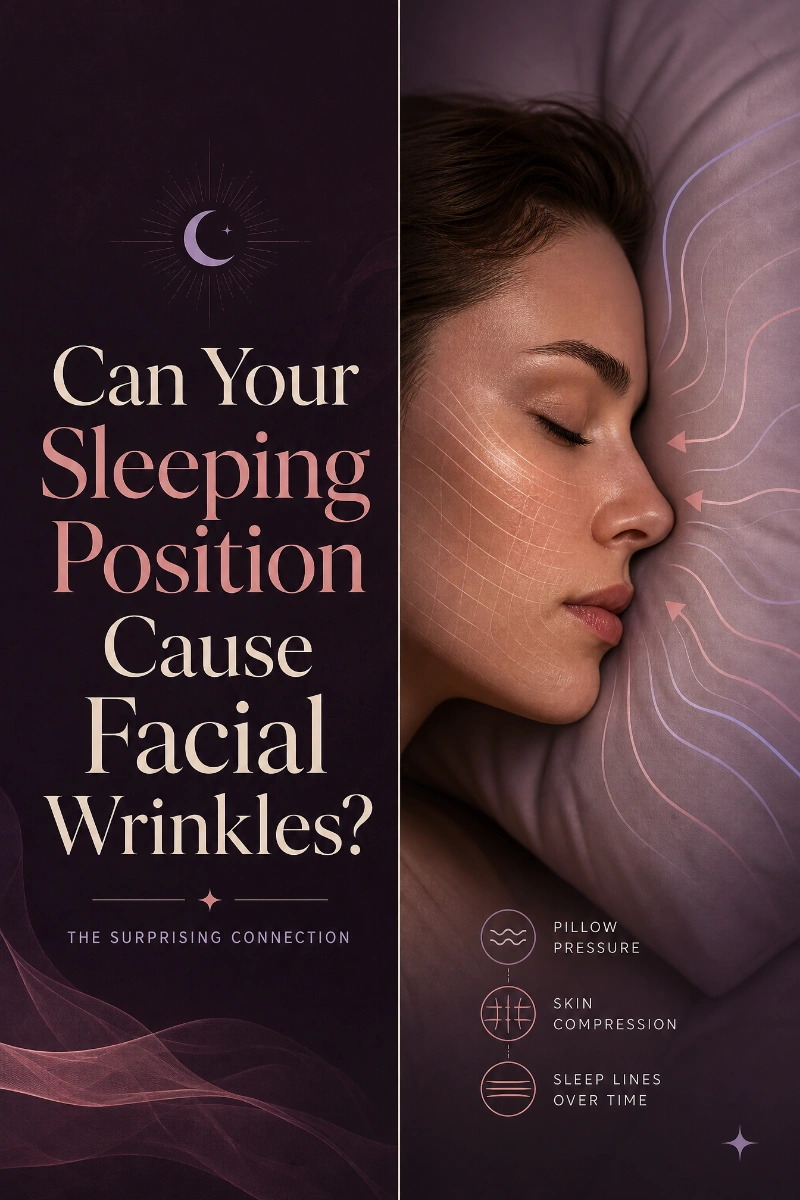
During the day, facial expressions create temporary creases that usually relax. At night, the face may remain pressed into bedding for hours. This pressure can fold the skin in a consistent direction and temporarily leave lines after waking. If the same compression happens repeatedly over a long period, those sleep lines may become more noticeable in some people.
The effect is not identical for everyone. Skin differs in thickness, elasticity, hydration, and sensitivity. Pillow material, sleeping duration, movement during the night, and how firmly the face presses into the pillow can also influence the appearance of morning creases. These factors make it difficult to predict exactly how much a sleeping position will affect any one person.
Side sleeping
Side sleeping places one side of the face against the pillow. Depending on the position, the cheek, temple, outer eye area, and mouth region may be compressed or pulled slightly. Lines can appear on the side that spends more time against the pillow, although people often change positions during sleep.
Side sleeping is also common and may feel more comfortable for many people. There is no need to force a different position if doing so makes it harder to sleep or causes discomfort. Sleep quality is important to overall well-being, and a realistic routine should not create unnecessary stress.
Stomach sleeping
Sleeping face down can place more direct pressure on the forehead, cheeks, nose, and eye area. Turning the head to one side may add uneven compression. For some people, this position makes morning lines or puffiness appear more noticeable, but a temporary change after waking does not automatically mean permanent wrinkling.
Back sleeping
Sleeping on your back generally leaves the face with less direct contact with the pillow. That may reduce mechanical compression compared with side or stomach sleeping. Still, back sleeping is not a guaranteed way to avoid wrinkles, and it may not be comfortable or practical for everyone.
If you want to try back sleeping, make the transition gradually. A supportive pillow that keeps your neck comfortable may help, but avoid building a complicated setup that interferes with rest. Your sleeping position should support comfortable, uninterrupted sleep rather than focus only on appearance.
What are sleep lines, and how are they different from wrinkles?
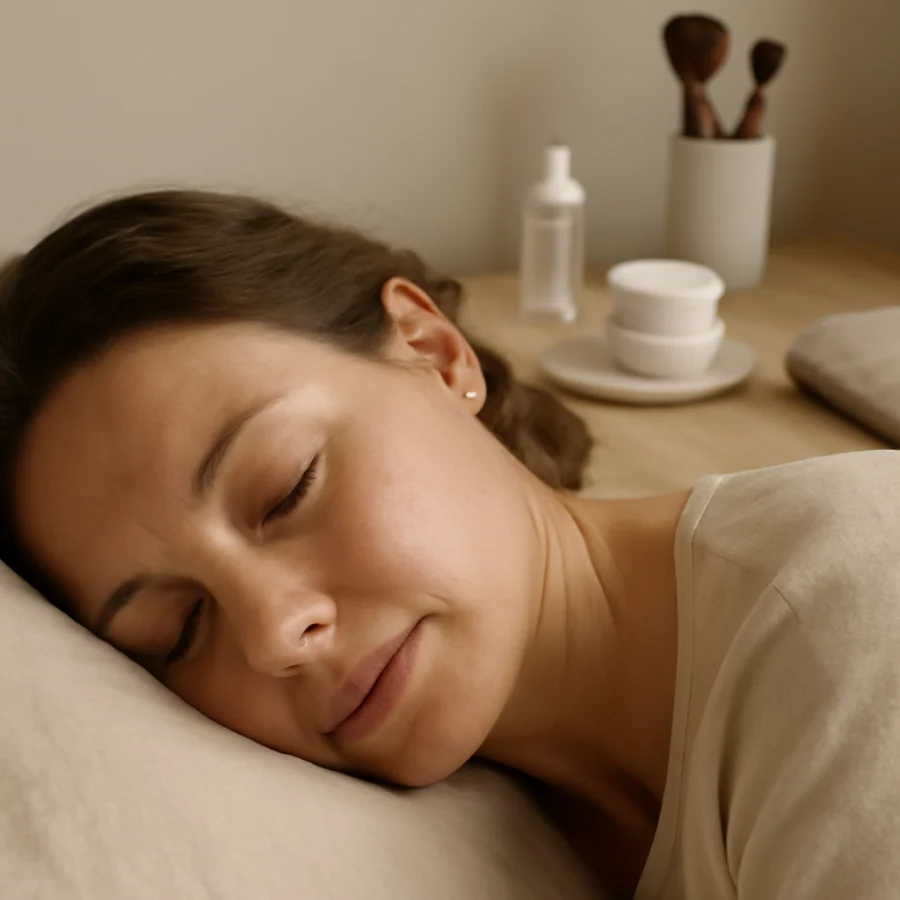
Sleep lines are creases that appear after the skin has been folded or compressed during the night. They may fade as the face warms, moves, and returns to its usual position. Fine lines that remain visible throughout the day are more likely to reflect a combination of normal skin aging, repeated facial movement, sun exposure, reduced moisture, and other factors.
The boundary is not always clear. Repeated mechanical pressure may be one small contributor to lines that become more persistent over time, but it is not useful to treat sleeping position as the sole cause. A morning crease can also look more pronounced when the skin is dry or when the face is temporarily puffy.
Can changing your sleeping position prevent wrinkles?
It may reduce one source of repeated facial pressure, but it cannot prevent all wrinkles. A change in position is best viewed as a low-risk adjustment that may help some people, not as a wrinkle-prevention guarantee. If back sleeping feels comfortable, it can reduce direct contact between the face and pillow. If it does not work for you, other skin-care and sleep habits may be more practical.
Try making one change at a time. For example, you could experiment with a more supportive pillow, avoid pressing your face firmly into the bedding, or begin the night on your back. Notice whether morning creases seem less pronounced without assuming that a short-term change proves a permanent effect.
Practical ways to reduce overnight compression
Choose comfortable support
A pillow that supports your head and neck may make it easier to stay in a position with less facial pressure. The right height depends on your body and preferred sleeping position. Do not choose a pillow solely because of a wrinkle-related marketing claim, and do not sacrifice comfort for a cosmetic goal.
Keep bedding clean
Regularly laundering pillowcases can help remove accumulated oil, sweat, makeup residue, and skin-care products. Clean bedding does not directly prevent wrinkles, but it supports a more consistent hygiene routine and may be helpful for people whose skin becomes irritated easily.
Use gentle contact around the eyes
The under-eye area is delicate, so avoid rubbing, tugging, or dragging the skin when cleansing or applying products. Use a light touch and apply a small amount of product according to the label. More product or more pressure is not automatically more effective.
Consider a comfortable pillowcase
Some people prefer smoother pillowcase fabrics because they may feel less abrasive during movement. The evidence and experience can vary, and a smoother fabric is not a substitute for sun protection or a consistent skin-care routine. Choose something that feels comfortable, is easy to clean, and does not irritate your skin.
Skin-care ingredients that may support the look of fine lines
Sleeping position is only one part of a broader routine. Moisturizers can temporarily make dry-looking lines appear less noticeable by improving the skin’s surface hydration. Ingredients commonly used in products for the appearance of fine lines include humectants, emollients, and occlusive ingredients. The best choice depends on your skin type, tolerance, and the rest of your routine.
Retinoids, including retinol, are also widely used in cosmetic skin care for the appearance of fine lines. Eye-area products can vary substantially in formula, instructions, and tolerability. If you are considering one, review our retinol eye cream guide and follow the product label rather than applying a face product close to the eyes without checking its directions.
Retinol and other potentially irritating actives may cause dryness, stinging, redness, or peeling. Start cautiously if the label allows, avoid combining multiple irritating products at once, and stop using the product if significant irritation develops. People with sensitive skin may want to explore our guidance on eye care for sensitive skin.
Sun protection matters more than sleep position alone
Daily exposure to ultraviolet radiation can contribute to visible changes in the skin, including uneven tone and the appearance of fine lines. A broad-spectrum sunscreen used as directed can help protect exposed skin. Sunglasses and hats may also reduce squinting and provide physical coverage around the eyes.
Apply sunscreen carefully around the eye area according to the product instructions, and avoid getting it directly in the eyes. If a formula stings or causes irritation, discontinue it and consider a different product designed for your needs. Sunscreen does not make existing wrinkles disappear, but consistent protection is a more established part of a long-term skin-care approach than relying on a particular sleeping position.
How to build a realistic nighttime routine
A simple evening routine can address several factors that make lines look more noticeable in the morning:
- Remove makeup and sunscreen gently without scrubbing the eye area.
- Apply a fragrance-free or otherwise suitable moisturizer if your skin feels dry.
- Use a targeted eye product only as directed and keep it away from the eye itself.
- Give active ingredients time to absorb before pressing your face into the pillow.
- Choose a comfortable sleeping position and avoid forcing yourself to stay still.
If you are unsure which ingredients fit your concerns, the eye cream ingredient guide can help you compare common options. Product formulas can change, so check the current packaging and the manufacturer’s ingredient list when a specific formula or ingredient matters to you.
What sleeping position cannot explain
Wrinkles are not the only reason the eye area may look different in the morning. Temporary puffiness can be influenced by fluid movement, sleep disruption, crying, allergies, irritation, or other individual factors. Dark circles may also have several possible contributors, including visible blood vessels, shadows from facial structure, and uneven pigmentation. Sleeping on your back will not address every cause of an under-eye concern.
Likewise, a line that appears on one side of the face is not proof that your pillow caused it. It may reflect normal asymmetry, facial expressions, dryness, or a mixture of influences. Focus on patterns over time rather than judging your skin based on a single morning.
When to seek professional guidance
Cosmetic advice can help with the appearance of ordinary fine lines, but it cannot diagnose a skin condition. Consider speaking with a qualified health professional if you develop persistent redness, swelling, pain, itching, a rash, sudden changes, vision symptoms, or irritation that does not improve after stopping a product. A professional can help determine whether a symptom requires medical attention.
For ordinary sleep lines, a sensible approach is to reduce unnecessary pressure when practical, protect your skin from the sun, moisturize when needed, and use products consistently and cautiously. The most useful sleeping position is usually the one that lets you rest comfortably while placing as little repeated pressure on the face as reasonably possible.

Comments
0No comments yet. Be the first to share a helpful note or question.
Leave a Comment
Your email address will not be published. Comments are reviewed before appearing on the site.