
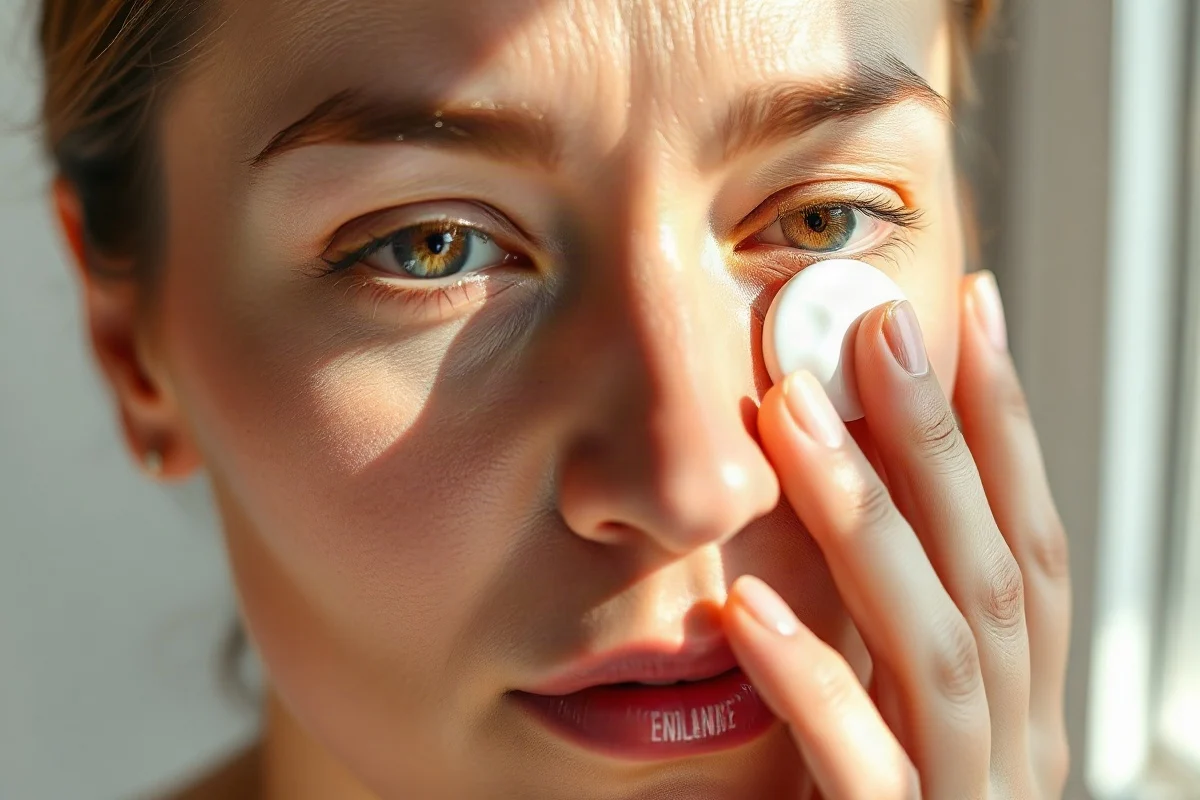
Under-eye lines can come from both aging and dehydration, and the two often overlap. Dehydration may make existing lines look sharper or more noticeable for a while, while natural aging gradually changes the skin’s structure, elasticity, and ability to retain moisture. Looking closely at when the lines appear, how they behave after moisturizing, and whether they are visible when your face is relaxed can offer useful cosmetic clues—but it cannot diagnose a medical condition.
The skin around the eyes is thin and frequently exposed to movement from blinking, smiling, squinting, and facial expression. Sun exposure, dry air, irritation, rubbing, and an inconsistent skincare routine can also affect how smooth or creased the area appears. A realistic approach is to support hydration, reduce avoidable irritation, protect the area from ultraviolet exposure, and choose products based on your skin’s tolerance rather than expecting one eye cream to erase lines.
How dehydration can make under-eye lines look worse
Dehydrated skin lacks water in its upper layers. This is different from dry skin, which generally refers to a lack of oil or lipids. A person can have oily, combination, or dry skin and still experience dehydration around the eyes.
When the surface is short on water, fine creases may look more pronounced, especially after cleansing, during cold or dry weather, or at the end of the day. Makeup may settle into these lines, making them easier to see. The area may also feel tight or look dull, although dehydration does not always cause obvious discomfort.
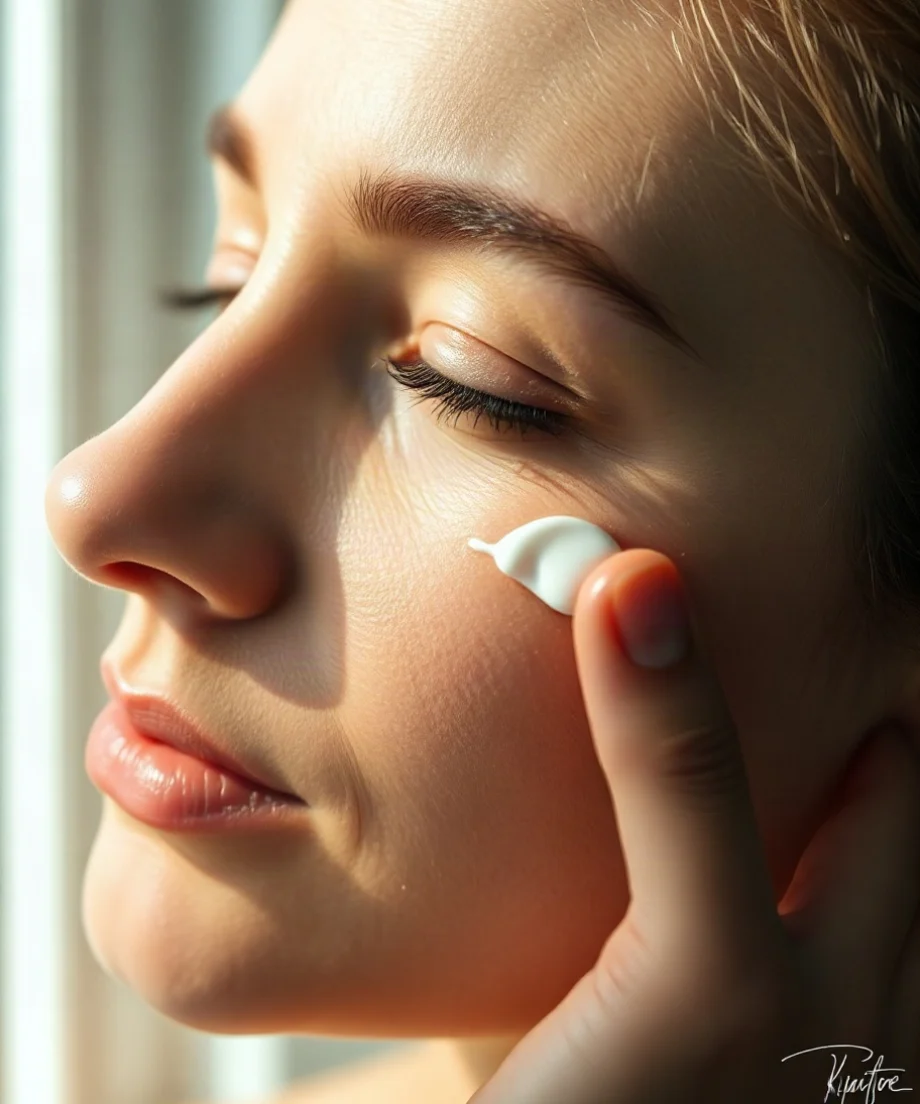
Dehydration-related emphasis is often variable. Lines may look softer after applying a well-tolerated moisturizer or after improving the rest of a routine. That change does not mean the underlying line has disappeared. It usually means the skin surface looks temporarily smoother and more flexible.
Signs that dehydration may be contributing
- The lines look more noticeable at some times of day than others.
- The area feels tight after washing or applying makeup.
- Moisturizer temporarily makes the skin look smoother.
- The skin is exposed to dry indoor air, cold weather, wind, or frequent hot-water cleansing.
- Products containing fragrance, exfoliating acids, or strong active ingredients have recently caused dryness or stinging.
These observations are not a diagnostic test. They simply help explain why the appearance of fine lines can change from one day to the next.
How aging contributes to under-eye lines
As skin ages, several gradual changes can make lines more persistent. Skin may produce less of the substances that help it feel firm and resilient, and its natural moisture barrier may become less efficient. Repeated facial movement also creates creases over time. Sun exposure can contribute to visible changes in texture, uneven tone, and loss of elasticity.
Age-related lines are more likely to remain visible when the face is relaxed. They may become deeper or more noticeable when you smile, squint, or move the lower eyelid, but they do not completely flatten after applying moisturizer. Hydration can improve their temporary appearance without changing the structural factors behind them.
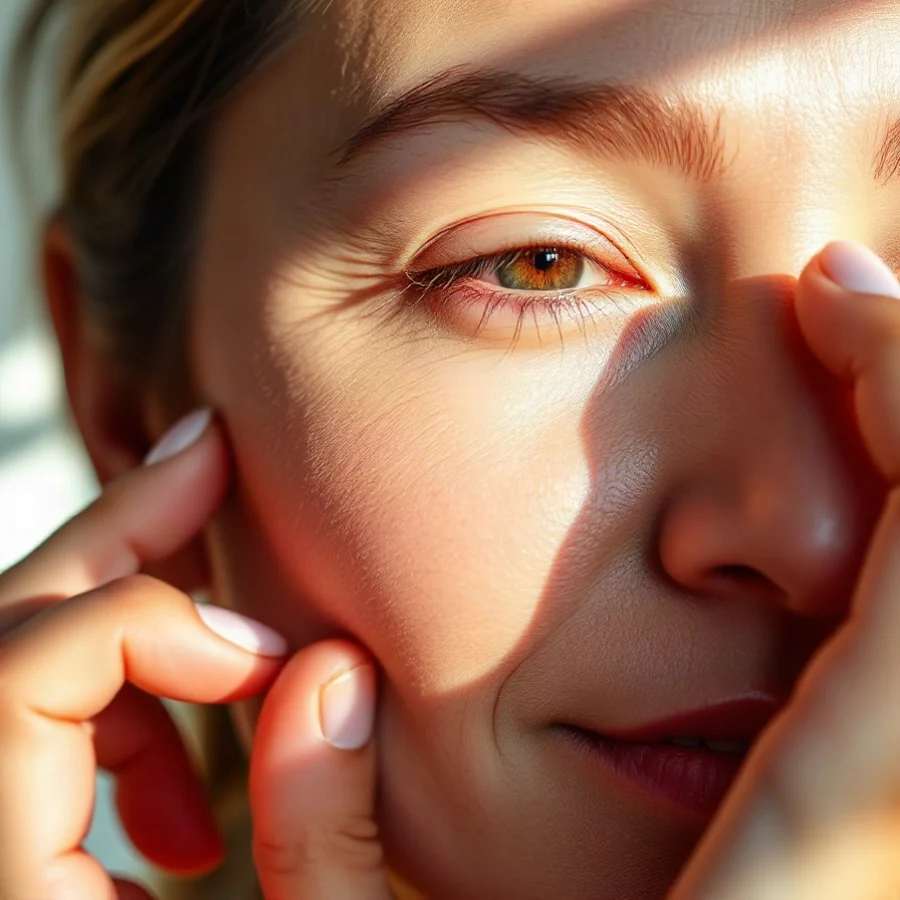
This does not mean every line is caused by age alone. Genetics, skin tone, facial anatomy, environmental exposure, sleep habits, and irritation can all influence how the eye area looks. A person in their twenties may have visible expression lines, while someone older may have relatively few. Age is only one part of the picture.
A simple way to compare aging and dehydration
There is no reliable at-home method for separating every cause of an under-eye line, but a short observation period can help you make more practical skincare decisions.
- Look at the area when your face is relaxed. Lines that remain visible without smiling or squinting may be more established, although lighting and facial anatomy can affect what you see.
- Notice changes after cleansing. If the area looks tighter or more creased immediately after washing, your cleanser, water temperature, or routine may be contributing to surface dryness or dehydration.
- Use a bland, well-tolerated moisturizer consistently. If the skin looks temporarily smoother but the lines return, hydration is likely influencing their appearance without being the only factor.
- Review recent irritants. New retinoids, exfoliants, fragranced products, makeup removers, or rubbing can make the area look rougher and more lined.
- Consider sun exposure and daily protection. Ultraviolet exposure can contribute to visible skin aging, so a routine should address protection as well as moisture.
Take photographs only if you can do so under similar lighting and facial expression. Different angles, shadows, camera processing, and dehydration on a particular day can create misleading comparisons.
Ingredients that may support a smoother-looking eye area
Ingredient choice should match the problem you are trying to address and your tolerance for active skincare. Product formulas vary, and packaging can change, so check the current product label and the manufacturer’s ingredient list before buying or using a product.
Humectants for temporary hydration
Humectants attract and hold water near the skin’s surface. Common examples include glycerin, hyaluronic acid, and some forms of polyols. They can help the under-eye area look more cushioned and less creased when dehydration is contributing to a rough or tight appearance.
Humectants work best as part of a complete moisturizing routine. In very dry conditions, layering a suitable moisturizer over a water-binding product may help reduce moisture loss. Do not apply products too close to the eye where they can migrate and cause watering or irritation.
Emollients and barrier-supporting moisturizers
Emollients help soften the feel and appearance of rough skin, while occlusive ingredients can reduce water loss by forming a protective layer. Creams and balms may feel more comfortable than lightweight gels for people whose eye area is dry or easily tight, but richer is not automatically better. The right texture is one you can apply without rubbing and that does not cause discomfort.
If the skin is sensitive, start with a simple, fragrance-free formula when possible. You can use the site’s eye cream ingredient guide to compare common ingredient categories, but always evaluate the complete formula rather than focusing on a single ingredient.
Retinoids and other active ingredients
Retinoid products are often selected for the appearance of fine lines because they can support smoother-looking skin over time. However, the eye area can be particularly prone to dryness, peeling, and irritation. Use only a product intended for the eye area or follow the product’s specific directions. Apply a small amount, avoid the lash line and inner corners, and introduce it gradually if the label permits.
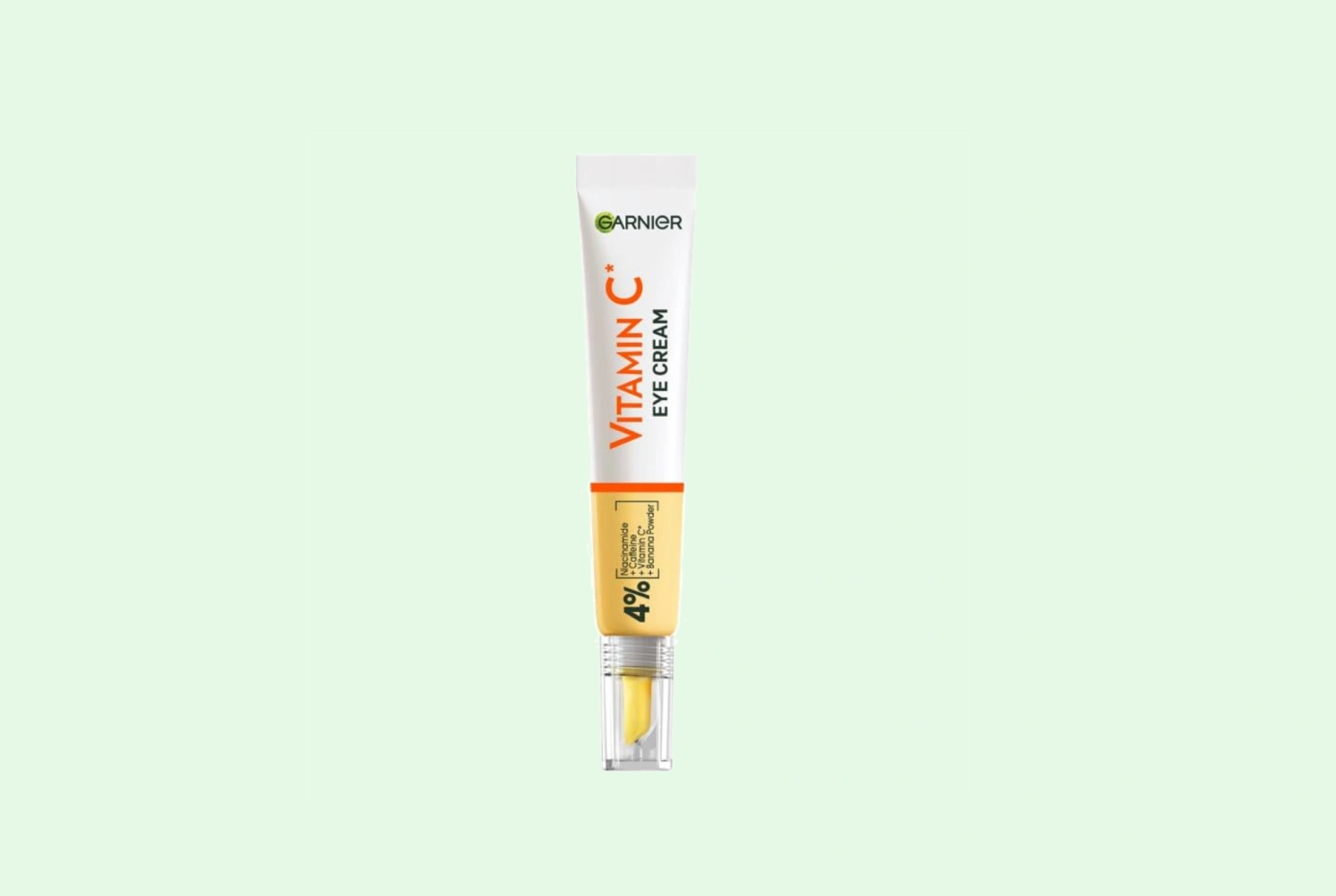
Vitamin C and exfoliating acids may also appear in products marketed for the eye area. Their suitability depends on the specific form, concentration, formula, and your skin’s tolerance. More active ingredients are not necessarily more effective for every person. Patch testing, careful application, and stopping use if burning, swelling, persistent redness, or significant irritation develops are sensible precautions. Seek medical advice for ongoing or severe symptoms.
Routine choices that can reduce the look of lines
A basic routine is often easier to maintain than a crowded one. In the morning, cleanse gently if needed, apply a moisturizer suitable for the area, and use broad-spectrum sunscreen as directed on the product label. Sunscreen should be applied carefully around the eyes without getting it into the eyes. Sunglasses and a hat can provide additional protection outdoors.
At night, remove makeup without tugging. Press a soaked cotton pad against the area briefly if needed, then wipe gently rather than scrubbing. Apply a modest amount of moisturizer to the orbital area, staying away from the eye itself. If you use a retinoid or another active, follow the label and avoid adding several potentially irritating products at once.
For help organizing products by skin needs, the site’s under-eye routine builder can provide a starting point. People with easily irritated skin may also benefit from reviewing guidance for sensitive skin before choosing an active formula.
Application habits matter more than they seem
Use your ring finger or another light touch to distribute product, but do not assume that a particular finger guarantees the correct pressure. The important point is to avoid pulling the skin. Apply product along the orbital bone rather than directly into the lash roots or onto the eyelid unless the product specifically says it is suitable there.
Using too much product can increase the chance of migration into the eyes, pilling, or irritation. Give layers time to settle before applying makeup. If concealer emphasizes lines, a thinner layer and targeted application may look more natural than adding more coverage across the entire under-eye area.
What eye cream can and cannot do
An eye cream may improve the temporary appearance of dehydration-related creasing, soften rough texture, and make the area feel more comfortable. A well-formulated moisturizer can also make makeup apply more evenly. These are cosmetic benefits, not proof that the product has changed the underlying aging process.
No topical product can guarantee that established lines will disappear permanently. Results depend on the formula, frequency of use, skin sensitivity, sun exposure, facial movement, and the type of line involved. Be cautious with products that promise to erase wrinkles or deliver guaranteed results. If a claim sounds medical or unusually absolute, look for clear, current product information and avoid assuming that marketing language equals independent evidence.
For more product-focused research, you can browse the site’s fine lines and wrinkles coverage. Product details can change over time, so verify the current packaging and manufacturer information before relying on an ingredient list or usage direction.
When to seek professional advice
Fine lines alone are usually a cosmetic concern, but sudden changes are different from gradual texture changes. Contact a qualified healthcare professional if you develop persistent swelling, pain, marked redness, a rash, discharge, vision changes, or irritation that does not improve after stopping a product. Skincare advice cannot determine whether a symptom reflects an allergy, infection, eczema, or another condition.
If your main concern is the appearance of established lines, a licensed dermatology professional can discuss suitable options and their limitations. That conversation is separate from choosing an everyday moisturizer or eye cream.
A realistic takeaway
Under-eye lines are often a combination of factors. Dehydration can make them look temporarily deeper, while aging, facial movement, sun exposure, and genetics can make them more persistent. Start with gentle cleansing, consistent moisturizing, careful product application, and sun protection. Add active ingredients slowly only if your skin tolerates them, and stop if irritation develops.
The most useful goal is not to decide whether every line is “aging” or “dehydration.” It is to identify what makes your eye area look worse, support the skin barrier, and choose products that fit your tolerance and expectations.

Comments
0No comments yet. Be the first to share a helpful note or question.
Leave a Comment
Your email address will not be published. Comments are reviewed before appearing on the site.