
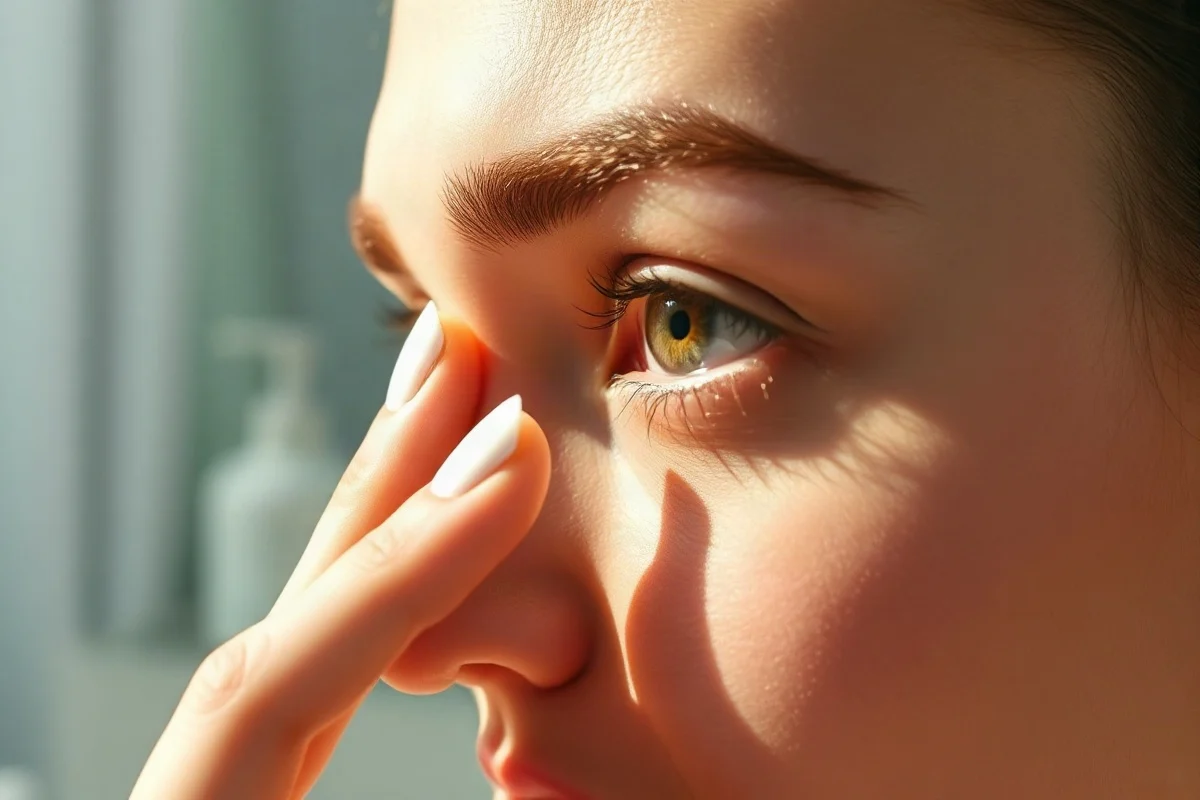
Vitamin C under the eyes is best for people whose main concern is a dull or uneven-looking under-eye area, especially when they want a brightening ingredient that can fit into a daytime routine. It may also be useful for supporting a more even-looking complexion over time. However, it is not the best match for everyone: very sensitive skin, easily irritated eyes, or dark circles caused mainly by hollowness, visible blood vessels, shadows, or puffiness may require a different approach. Vitamin C is a cosmetic skincare ingredient, not a diagnosis or treatment for an underlying medical condition.
What Vitamin C Can and Cannot Do Under the Eyes
“Dark circles” describe several different visible concerns, and they do not all respond to the same ingredients. Under-eye darkness can appear brown, blue, purple, gray, or shadowed depending on skin tone, lighting, facial structure, and the cause of the discoloration. Vitamin C is most relevant when the area looks dull or uneven in tone rather than when the primary issue is a hollow that creates a shadow.
Topical vitamin C is commonly used in cosmetic skincare for its antioxidant properties and its role in supporting a brighter-looking complexion. With consistent use, a well-tolerated product may help the under-eye area look more refreshed or even in tone. The result is usually subtle and gradual rather than dramatic.
Vitamin C is less likely to make a major visual difference when the appearance comes mainly from:
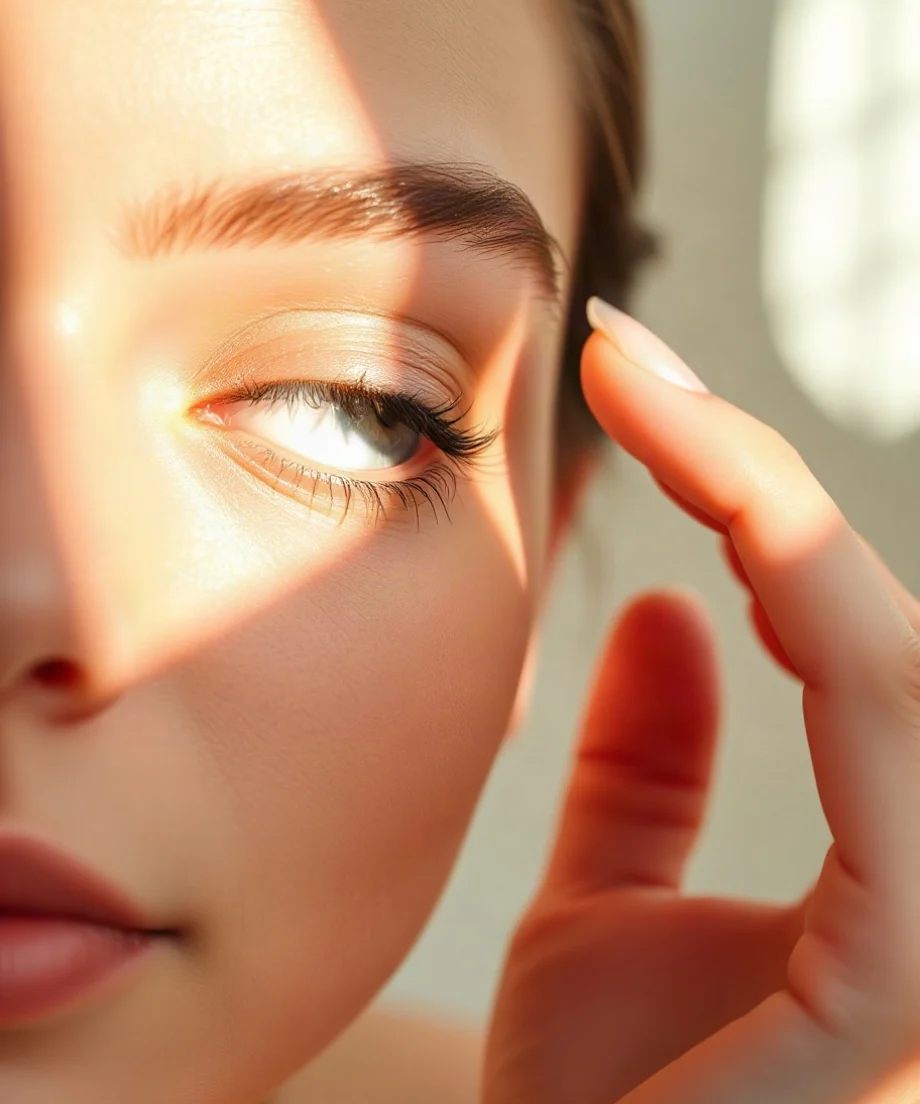
- Hollowness or tear-trough shadows caused by facial structure
- Puffiness or under-eye bags
- Very thin skin through which blood vessels are more visible
- Deeply set shadows that change with lighting or facial position
- Fine lines that need hydration and surface-smoothing care more than brightening
This does not mean vitamin C is useless in a broader eye-area routine. It means the ingredient should be chosen for the concern it is most likely to address. Our dark circles guide explains why identifying the visible pattern matters before selecting an eye cream.
Who May Benefit Most From Under-Eye Vitamin C?
People with a dull-looking under-eye area
If the skin under your eyes looks tired, flat, or less even than the surrounding complexion, vitamin C may be a reasonable ingredient to consider. It is often selected for cosmetic brightening, particularly when the goal is to improve the overall look of the skin rather than cover it with makeup.
Because the under-eye area is delicate, a product designed for that region may be easier to use than applying a strong facial serum close to the eyes. “Vitamin C” is not a single formula, either. Products can use different forms, textures, supporting ingredients, and packaging. The ingredient list and directions are more useful than the name alone.
People with uneven-looking tone from past irritation or environmental exposure
Some people notice that the skin around the eyes looks less even after periods of dryness, rubbing, or environmental exposure. A gentle vitamin C product may complement a routine focused on reducing unnecessary irritation and maintaining hydration. It should not be used as a reason to rub, scrub, or repeatedly apply more product to the area.

Daily sun protection also matters for the appearance of uneven tone. Sunscreen is generally applied around, but not directly into, the eyes according to the product’s directions. Sunglasses and physical shade can also reduce squinting and exposure. These habits do not guarantee that dark circles will disappear, but they can support a more consistent skincare routine.
People who want an antioxidant step in a daytime routine
Vitamin C is often used in the morning because it can complement a daytime routine that includes moisturizer and sun protection. Some people may prefer it at another time if their skin is more comfortable that way. The best schedule is the one that follows the label, fits your routine, and does not create irritation.
Who May Want to Be More Cautious?
Vitamin C can be irritating for some people, particularly in formulas that feel strong, acidic, or drying. The skin around the eyes is thin and close to the tear film, so even a product that feels comfortable on the cheeks may sting near the eyes.
Use extra caution if you have a history of sensitive skin, eczema-prone areas, frequent eye watering, or reactions to active skincare products. Avoid applying a product to broken, freshly shaved, inflamed, or already irritated skin. Do not place it directly on the eyelids, lash line, or inside the eye unless the product specifically says it is intended for that area.
Follow the product label, start slowly if the directions allow, and consider a patch test before using a new product near the eyes. A patch test cannot predict every reaction, but it can be a sensible precaution. Stop using the product if you experience persistent burning, swelling, rash, significant redness, or worsening discomfort. Seek medical advice for symptoms involving the eye itself, vision changes, or a reaction that does not settle after stopping use.
Choosing a Vitamin C Product for the Eye Area
Look for clear directions and eye-area suitability
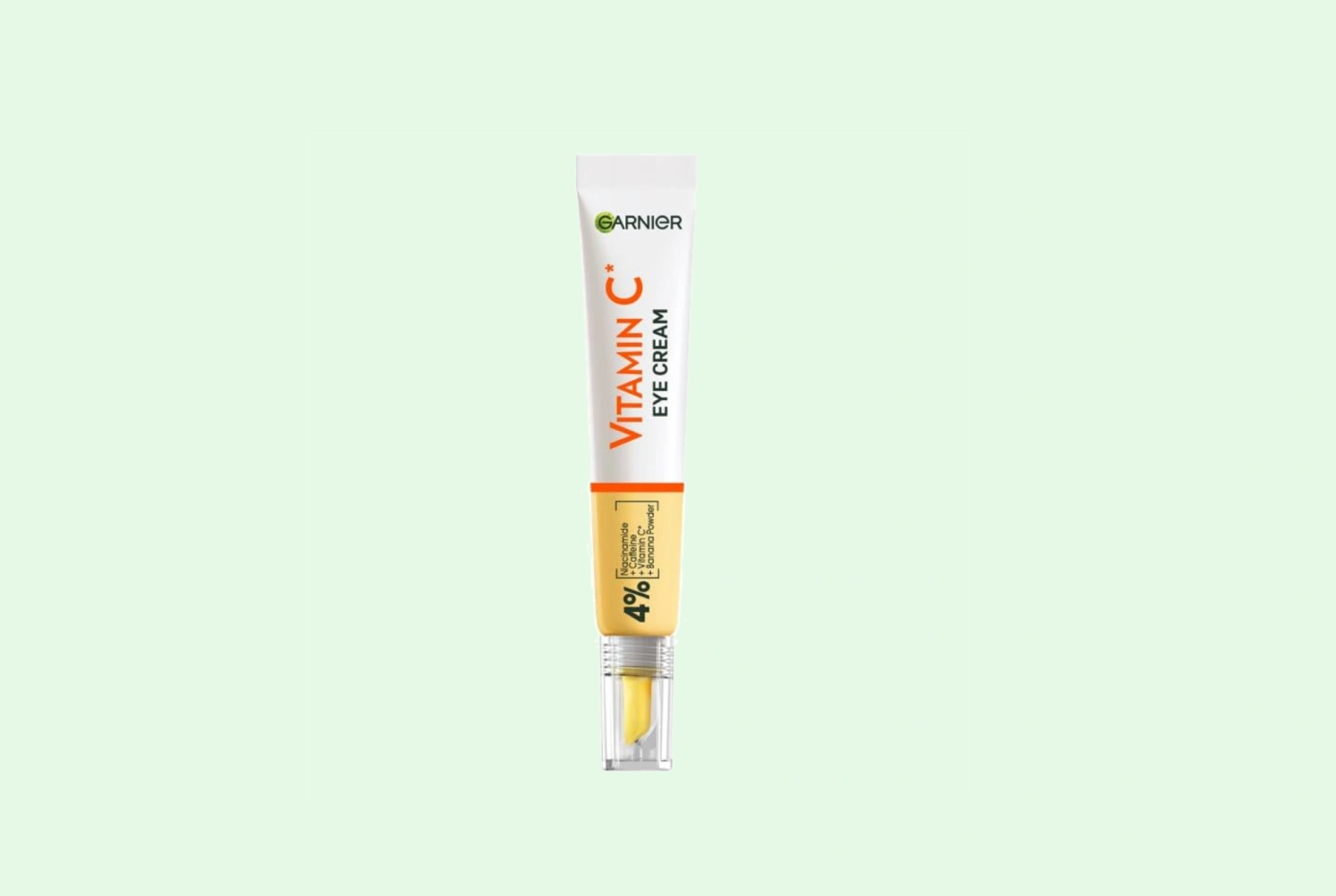
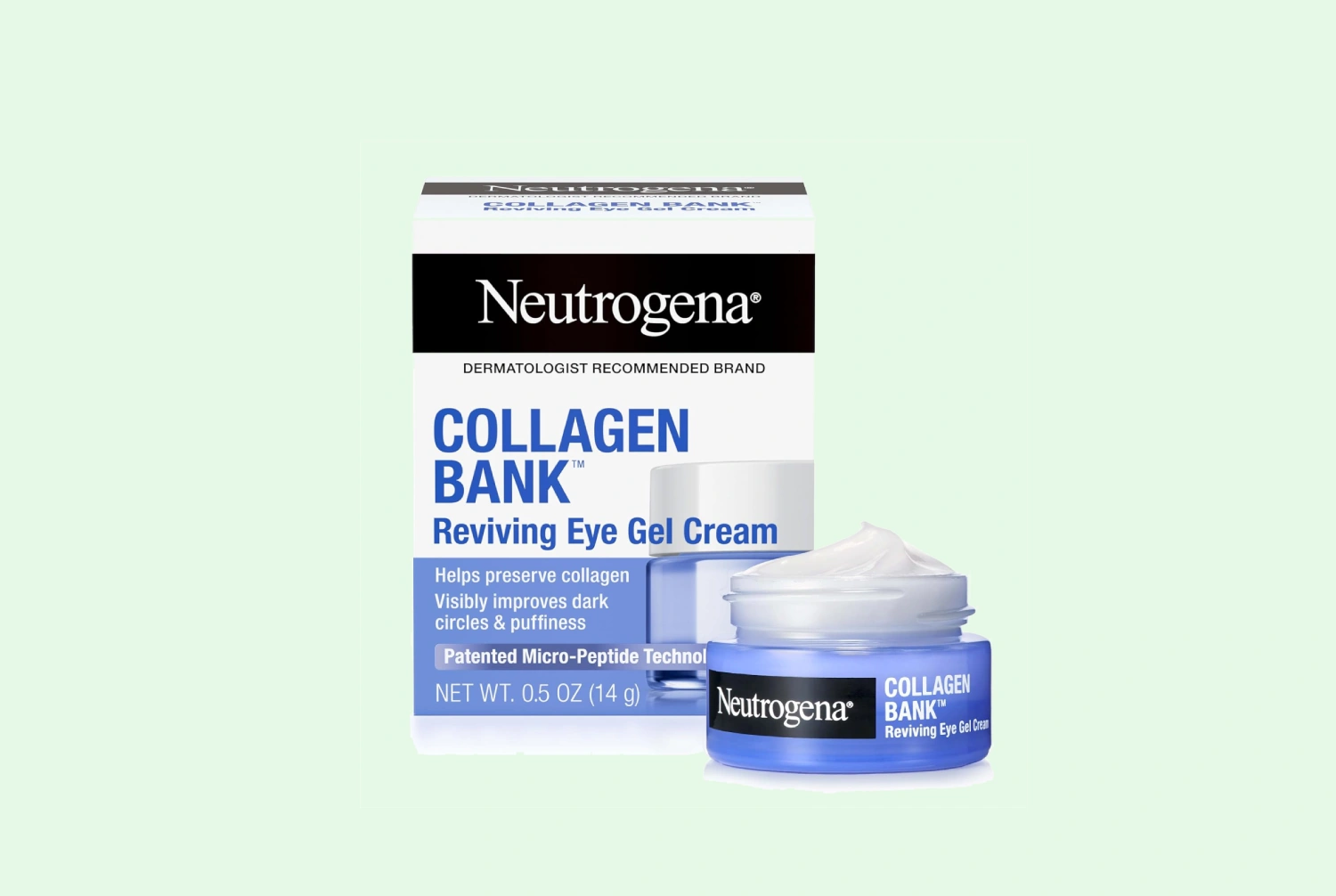
Choose a product that clearly explains where and how it should be applied. A facial vitamin C serum is not automatically appropriate for the under-eye area. If the packaging does not indicate that the product is intended for use near the eyes, keeping it farther from the eye area may be the safer choice.
Product formulas can change, so check the current packaging and the manufacturer’s ingredient list before buying or using a product. This is especially important if you are avoiding a particular ingredient or comparing older reviews with a current formula.
Consider the type of vitamin C without assuming one is universally better
Skincare products may use different vitamin C ingredients. Some are formulated to be more direct or active, while others are designed with stability, gentleness, or ease of use in mind. The ingredient name alone does not tell you how the finished product will feel, how stable it will be, or how your skin will respond.
A product that is comfortable enough to use consistently may be more practical than a stronger-feeling formula that causes irritation. There is no need to chase the most intense option for the delicate under-eye area. For more background on how eye-care ingredients are used, visit our eye cream ingredient guide.
Pay attention to the rest of the formula
Vitamin C is only one part of an eye product. Humectants and emollients may help the skin feel hydrated, while a simple, lightweight texture may be easier to layer under makeup. Fragrance and other components may be comfortable for some users and irritating for others.
If your main concern is dryness and fine lines that look more noticeable when the skin is dehydrated, a moisturizing eye cream may be a better first step than adding a brightening active. If puffiness is the dominant issue, a vitamin C product may not be the most targeted choice. You can use our under-eye routine builder to organize product choices around your primary concern.
How to Apply Vitamin C Under the Eyes
Begin with clean, dry skin unless the product directions say otherwise. Use only the amount recommended on the label and apply it with a light tapping motion around the orbital area, staying away from the eye opening and lash line. Avoid pulling or dragging the skin.
If you use several active ingredients, introduce them thoughtfully rather than layering everything at once. A routine that combines vitamin C with exfoliating acids, retinoids, or other potentially irritating products may be too much for some under-eyes. This is not a universal prohibition, but it is a reason to follow product directions and change one thing at a time.
After the product has settled, apply moisturizer if needed. In the morning, finish with broad-spectrum sunscreen as directed for the face and eye area, taking care not to get it in the eyes. If makeup is part of your routine, allow skincare to absorb enough to reduce pilling.
How Long Should You Use It?
Cosmetic changes in tone are usually not immediate. If vitamin C is suitable for your skin, consistency and tolerance are more important than applying extra product or using it more often than directed. Take progress photos only under similar lighting if you want to compare appearance over time; changes in sleep, hydration, makeup, lighting, and facial expression can make the under-eye area look different from day to day.
If the product repeatedly stings or leaves the area dry and uncomfortable, continuing to use it is unlikely to improve the experience. A simpler routine focused on gentle cleansing, moisturization, and sun protection may be more appropriate. Persistent or unusual discoloration, swelling, itching, pain, or changes affecting one eye should be discussed with a qualified healthcare professional rather than managed only with cosmetic products.
Vitamin C Compared With Other Eye-Care Ingredients
Vitamin C is mainly considered when the goal is a brighter, more even-looking appearance. Caffeine is often chosen for the temporary cosmetic look of puffiness, although it is not a guaranteed solution for under-eye bags. Retinoid products may be considered for fine lines, but they can also be irritating and require especially careful use around the eyes. Moisturizing ingredients may be more useful when dryness makes lines look more pronounced.
These ingredients are not interchangeable, and a larger routine is not automatically a better routine. Start with the concern you notice most, select one compatible product, and give your skin time to show whether it tolerates the approach. The goal is a comfortable, realistic routine—not a promise to erase every type of dark circle.
The Bottom Line for Choosing Vitamin C
Vitamin C may be a good fit if your under-eye area looks dull or uneven and you want a cosmetic brightening step that can be used consistently. It is less likely to address hollowness, structural shadows, prominent puffiness, or every form of dark circle. Choose an eye-area-appropriate formula, verify the current ingredient list, introduce it carefully, and stop if irritation develops. If you are unsure what is causing a new or persistent change around the eyes, cosmetic skincare should not replace professional medical guidance.

Comments
0No comments yet. Be the first to share a helpful note or question.
Leave a Comment
Your email address will not be published. Comments are reviewed before appearing on the site.