

For under-eye discoloration, niacinamide is often the gentler starting point, while vitamin C may appeal to people who want an antioxidant-focused product that supports a brighter-looking complexion. Neither ingredient can address every type of dark circle, and neither should be expected to erase discoloration. The visible appearance of the under-eye area can be influenced by pigmentation, shadows from facial structure, visible blood vessels, thin or dry skin, puffiness, and factors unrelated to skincare.
Vitamin C and niacinamide can both have a place in an under-eye routine, but the better choice depends on your skin’s tolerance, the type of discoloration you notice, and how consistently you can use the product. A simple, comfortable routine is usually more useful than choosing the most intensive-sounding active.
What vitamin C and niacinamide can realistically do
Both ingredients are used in skincare to improve the appearance of uneven tone, but they work differently and are not interchangeable.
Vitamin C: an antioxidant option for a brighter-looking eye area
Vitamin C is a broad term for a group of ingredients used in topical skincare. L-ascorbic acid is one form, while other products use vitamin C derivatives designed for different formulation or tolerance considerations. Because formulas vary, the ingredient list and product directions matter more than the name “vitamin C” alone.

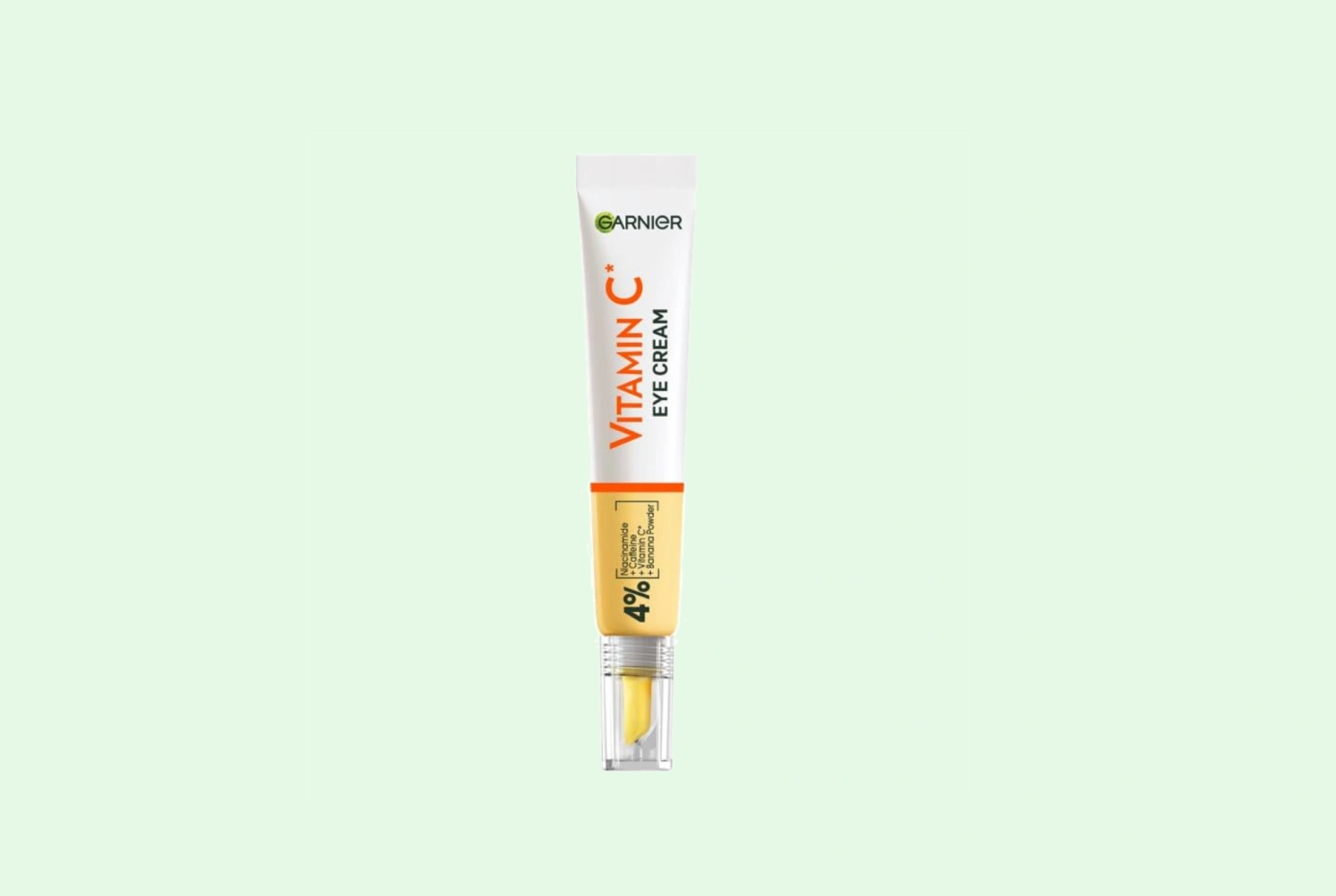
Topical vitamin C is commonly included in products intended to support a more even-looking complexion and defend the skin from oxidative stress caused by environmental exposure. Around the eyes, that may make it a reasonable option for someone concerned about a dull or uneven appearance. However, visible under-eye discoloration has many possible contributors, and a vitamin C product may not substantially change circles caused mainly by hollowness, shadows, visible vessels, or swelling.
Some vitamin C formulas can feel irritating, especially on the thin skin around the eyes. Stinging, redness, dryness, or watering are signs that the product may not be a good fit or is being used too often. A product marketed for the face is not automatically appropriate for the eye area, so follow the label’s directions and avoid getting it in the eyes.
Niacinamide: a barrier-supportive, versatile choice
Niacinamide is a form of vitamin B3 used in skincare for several cosmetic purposes. It is often selected for routines focused on supporting the skin barrier, improving the look of uneven tone, and reducing the appearance of dullness. Its versatility makes it appealing when under-eye discoloration appears alongside dryness or sensitivity.
Niacinamide is not automatically irritation-free. Any topical product can cause a reaction, and a complex formula may contain other ingredients that are more likely to bother sensitive skin. Still, many people consider niacinamide a practical first option when they want a relatively uncomplicated brightening step without starting with a more potentially irritating active.

For more background on common skincare ingredients, see our eye cream ingredient guide.
Which ingredient is better for different types of discoloration?
There is no single ingredient that works equally well for every kind of dark circle. Before choosing between vitamin C and niacinamide, consider what you are actually seeing in the mirror.
Brown or tan-looking discoloration
Brown or tan tones may reflect visible pigmentation, although appearance alone cannot identify the cause. A product with vitamin C or niacinamide may help the area look more even over time as part of a consistent routine. Results, if any, are usually gradual and may be subtle.
Daily sun protection is also important for maintaining a more even-looking complexion. Sunscreen should be used according to its label, and sunglasses or a hat can provide additional protection. Be careful when applying products close to the eyes, since sunscreen that migrates can cause watering or irritation.
Blue, purple, or reddish discoloration
Blue, purple, or reddish tones can be more noticeable when the skin is thin or when blood vessels show through. A brightening ingredient may not significantly change this type of appearance. Hydration and a comfortable moisturizer may make dry, crepey skin look smoother, but that is different from changing the underlying color.
Color-correcting makeup can also be a practical cosmetic option when the goal is immediate coverage rather than long-term skincare change. Choose products intended for the eye area and remove makeup gently without rubbing.
Discoloration that is mostly a shadow
Some “dark circles” are primarily shadows created by tear-trough hollows, eyelid shape, or changes in lighting. Vitamin C and niacinamide cannot fill a hollow or change facial structure. In this situation, an eye product may improve hydration or surface texture without eliminating the shadow.
Darkness that comes with puffiness
Swelling can create a darker-looking area by casting a shadow. Neither vitamin C nor niacinamide is a dedicated solution for every cause of puffiness. A cool compress, adequate rest, and avoiding known personal irritants may help the area look calmer, but persistent or one-sided swelling deserves medical attention rather than repeated experimentation with eye creams.
Vitamin C vs. niacinamide: how to choose
| Consideration | Vitamin C | Niacinamide |
|---|---|---|
| Best starting point for | People interested in an antioxidant and brightening-focused step | People prioritizing a gentle, barrier-supportive routine |
| Potential concern | Some formulas may sting or feel drying | Some formulas or supporting ingredients may still irritate |
| Useful for | A dull or uneven-looking complexion as part of a broader routine | Uneven tone, dryness, and a weakened-feeling skin barrier |
| Less likely to change | Structural shadows, pronounced hollows, or vessel-related color | Structural shadows, pronounced hollows, or vessel-related color |
If your skin is sensitive, dry, or prone to watering, niacinamide may be the more comfortable first experiment. If your skin already tolerates vitamin C on other parts of the face and you want an antioxidant-focused product, a carefully selected eye-area formula may be worth considering. Tolerance and consistency are more important than choosing one ingredient based on popularity.
Can you use vitamin C and niacinamide together?
In general, vitamin C and niacinamide can appear in the same skincare routine. There is no need to separate them solely because they are different ingredients. The more practical issue is whether the complete formula is suitable for the delicate eye area and whether your skin tolerates it.
Using both at once can make it harder to identify which product caused irritation. If you want to include both, introduce one product first and give your skin time to adjust before adding the second. Use only a small amount, keep products on the orbital area recommended by the label, and avoid the lash line unless the directions specifically allow it.
Do not layer multiple strong or unfamiliar products simply because they are marketed for brightening. A gentle moisturizer and daytime sun protection may be more useful additions than another active.
How to add either ingredient to an under-eye routine
1. Check the product directions
Look for a product specifically labeled for use around the eyes when possible. Review the current ingredient list, instructions, warnings, and packaging. Product formulas can change, so verify the manufacturer’s information before relying on older product descriptions or reviews.
2. Patch test thoughtfully
Patch testing can reduce the chance of applying a problematic product directly to the eye area, although it cannot guarantee that irritation will not occur. Test a small amount as directed by the product maker and monitor your skin before expanding use.
3. Start slowly
Apply a small amount to clean, dry skin as directed. Starting every other day may be more comfortable for people with sensitive skin, unless the label provides different instructions. Keep the product away from the eyes themselves and wash your hands after application if needed.
4. Stop if the area becomes irritated
Stop using the product if you develop persistent burning, swelling, rash, significant redness, or worsening discomfort. If symptoms are severe, do not resolve, affect vision, or involve the eye itself, seek medical care. Skincare guidance cannot diagnose an eye or skin condition.
What to look for when shopping
- A clear intended use: Choose a product whose directions explain whether it is suitable for the eye area.
- A manageable routine: A product you can use consistently is generally more practical than one that repeatedly causes discomfort.
- Supportive texture: Dry under-eye skin may feel more comfortable with a moisturizing formula, while heavier textures may not suit everyone.
- Transparent labeling: Check the current packaging and full ingredient list, especially if you have known sensitivities.
- Realistic claims: Be cautious of language promising to erase, cure, or permanently remove dark circles.
You can also use our under-eye routine builder to organize product choices around your skin concerns.
When skincare may not be enough
Under-eye discoloration can be persistent even with careful skincare. Genetics, facial anatomy, allergies, rubbing, sun exposure, irritation, and other factors may all influence its appearance. If the color or swelling changes suddenly, affects only one side, becomes painful, or comes with other symptoms, consult a qualified health professional. That is different from choosing a cosmetic product for a stable appearance concern.
For a cosmetic routine, vitamin C and niacinamide are best viewed as supportive options rather than guaranteed solutions. Niacinamide may be the easier starting point for sensitive or dry skin, while vitamin C may suit someone seeking an antioxidant-focused brightening step. Whichever you choose, introduce it cautiously, protect the area from sun exposure, and judge the product by comfort and gradual appearance changes—not by promises of instant or complete correction.

Comments
0No comments yet. Be the first to share a helpful note or question.
Leave a Comment
Your email address will not be published. Comments are reviewed before appearing on the site.