
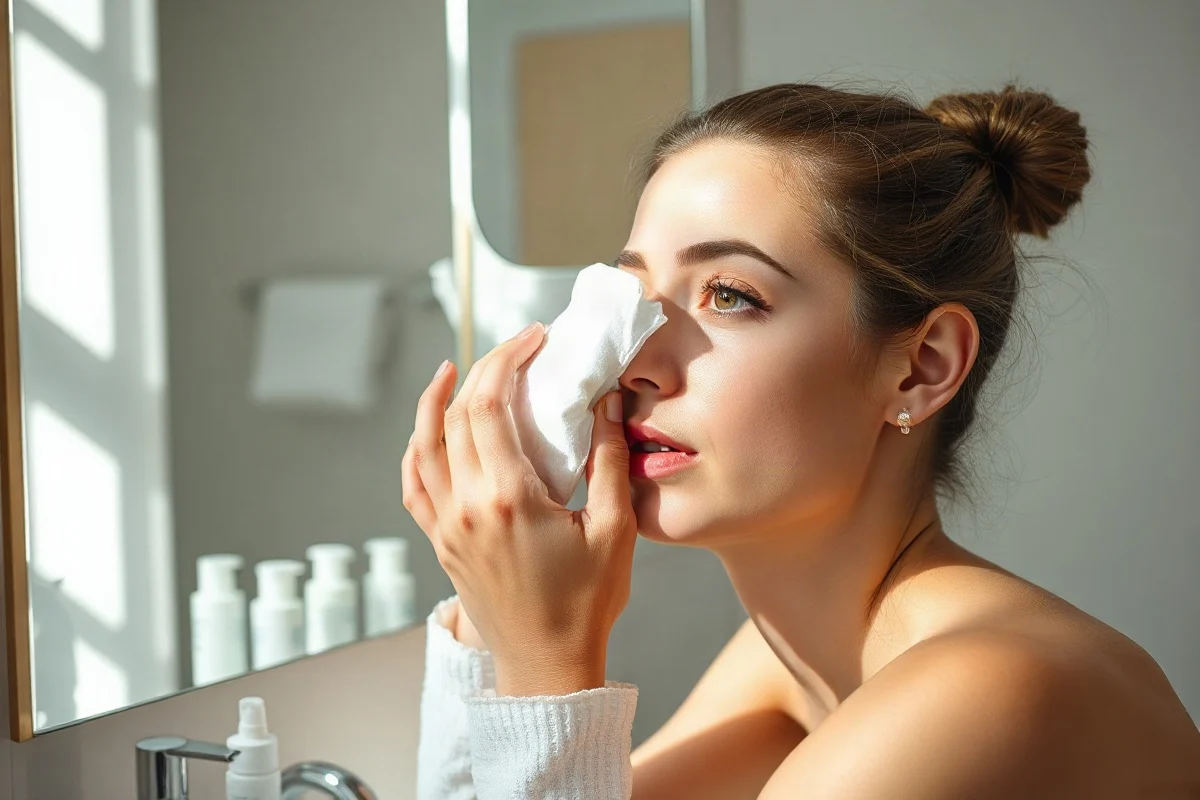
Bags under the eyes are usually caused by a combination of genetics, natural aging, changes in the tissues around the eyes, and temporary fluid buildup. Lack of sleep, allergies, salty meals, dehydration, and irritation can make the area look puffier, but they are not the only possible contributors. Some under-eye bags are mainly a cosmetic concern, while persistent, sudden, painful, or one-sided swelling may deserve medical attention.
The phrase “under-eye bags” can describe several different appearances. Soft puffiness may come and go during the day, while a more permanent bulge can develop as the supporting tissues beneath the eyes change over time. Hollowness, shadows, loose skin, and dark circles can also make bags look more pronounced. Understanding the likely cause can help you choose realistic skin-care and routine changes instead of expecting one eye cream to solve every concern.
Common causes of bags under the eyes
Natural aging
Aging is one of the most common reasons under-eye bags become more visible. The skin around the eyes gradually loses some of its firmness and elasticity, and the supporting structures beneath the skin can change. Fat that normally helps cushion the eye area may shift forward or become more noticeable. At the same time, the lower eyelid can develop looser skin.
These changes can create a lasting, rounded appearance beneath the eyes. A topical product may moisturize the skin and temporarily improve the look of surface dryness, but it cannot reposition underlying tissue. Skin-care products should therefore be viewed as appearance-supporting options, not replacements for medical procedures or a way to permanently remove structural bags.
Genetics and facial structure
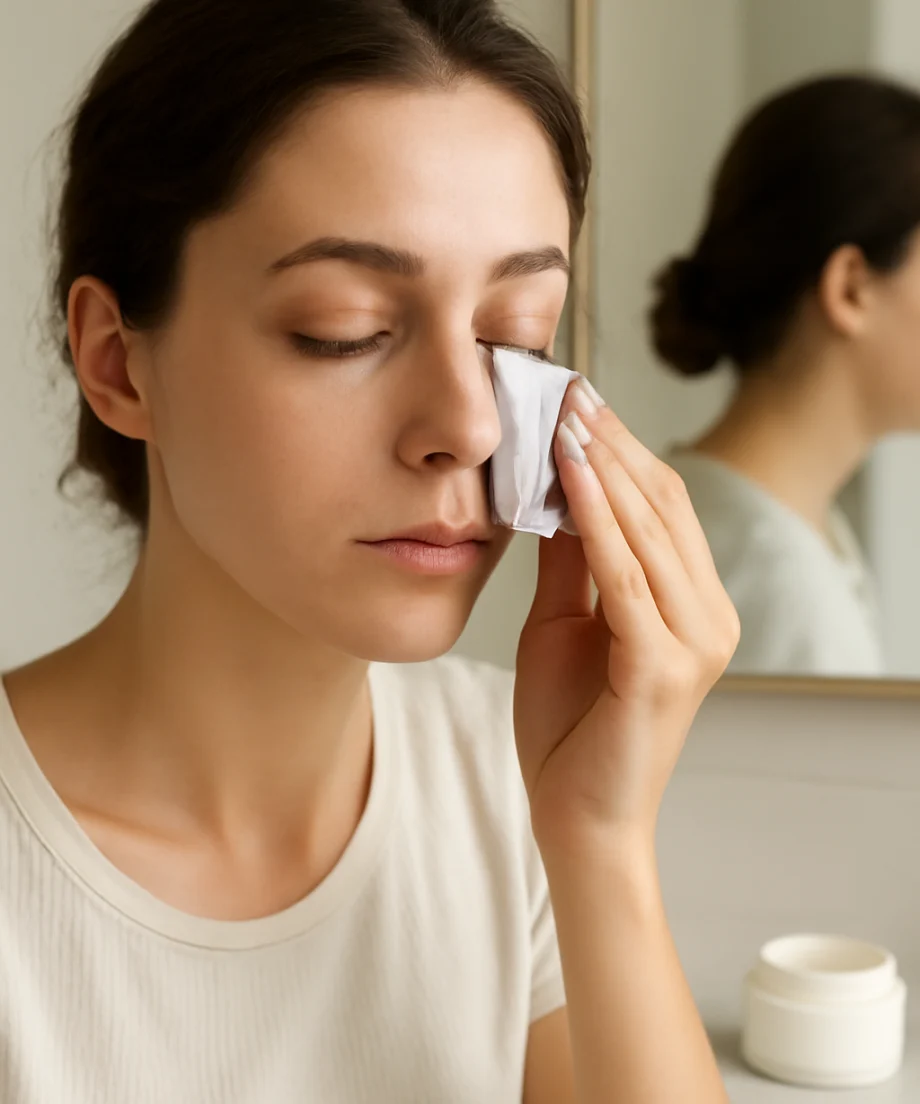
Some people naturally have more prominent lower-eye contours, thinner skin, deeper tear troughs, or a tendency toward puffiness. If under-eye bags appear in several family members or have been visible for many years, genetics and facial structure may play a substantial role.
Genetic factors can also influence how light reflects around the eyes. A small hollow next to a raised area may create a shadow that looks like a darker circle or a larger bag, even when there is little actual swelling. In these cases, brightening products may support the appearance of the skin, but they may not change the underlying contour.
Fluid retention
Temporary fluid retention can make the lower eyelids look fuller, especially after waking. Lying down for several hours may allow fluid to collect around the eye area. A salty meal, alcohol, crying, hormonal changes, or simply a day of unusual swelling may also contribute.
Fluid-related puffiness often changes throughout the day. It may look more noticeable in the morning and less pronounced later, although this pattern is not universal. Gentle habits such as sleeping with adequate support, avoiding rubbing the area, and using a cool—not icy—compress may make temporary puffiness look less prominent. These measures do not address permanent tissue changes.

Sleep disruption and fatigue
One poor night of sleep does not create permanent under-eye bags, but fatigue can make existing puffiness and shadows easier to see. Sleep disruption may affect fluid balance, facial appearance, and the color contrast between the under-eye area and the surrounding skin. Fatigue can also lead to eye rubbing, which may increase irritation and temporary swelling.
Improving sleep consistency may help the area look less tired, but results vary. Persistent swelling should not automatically be blamed on a lack of sleep, particularly if it occurs with other symptoms or does not change over time.
Allergies and congestion
Seasonal allergies, dust, pet dander, and other irritants can cause itching, watery eyes, congestion, and rubbing. That combination may make the under-eye area look swollen or darker. Repeated rubbing can also irritate the delicate skin and make redness or discoloration more noticeable.
Skin care cannot address the underlying cause of an allergy. If swelling occurs with significant itching, nasal symptoms, breathing concerns, or recurring discomfort, consider discussing the pattern with a qualified health professional. Avoid rubbing the eyes, and be cautious with any product that stings or causes additional irritation.
Dehydration and dryness
Dehydrated or dry skin may look less smooth and more creased, which can emphasize the contours beneath the eyes. Fine lines and rough texture can create extra shadows around an already puffy area. This does not necessarily mean that dehydration caused the bag itself, but it can make the overall appearance more noticeable.
A gentle moisturizer may temporarily make dry skin look more comfortable and supple. Look for a product designed for the eye area or one whose label clearly indicates appropriate use around the eyes. Hydration is useful for skin comfort, but drinking excessive amounts of water will not remove structural under-eye bags.
Why bags may look worse at certain times
Under-eye appearance can change from morning to evening and from one day to the next. Sleep position, meal choices, alcohol, crying, allergies, heat, hormonal fluctuations, and recent irritation may all affect temporary puffiness. Bright overhead lighting can also cast shadows that make the area appear deeper or darker.
Compare the area under similar lighting and at similar times of day before deciding whether a product or routine is making a difference. Taking occasional photos for personal reference can be more useful than judging the skin from memory, but avoid interpreting small day-to-day changes as proof of a permanent result.
What skin care can realistically do
Skin care may help improve the appearance of dryness, dullness, uneven tone, and mild temporary puffiness. It is less likely to change a pronounced bulge caused by the underlying anatomy of the lower eyelid. For broader guidance on choosing ingredients, see this eye cream ingredient guide.
Caffeine
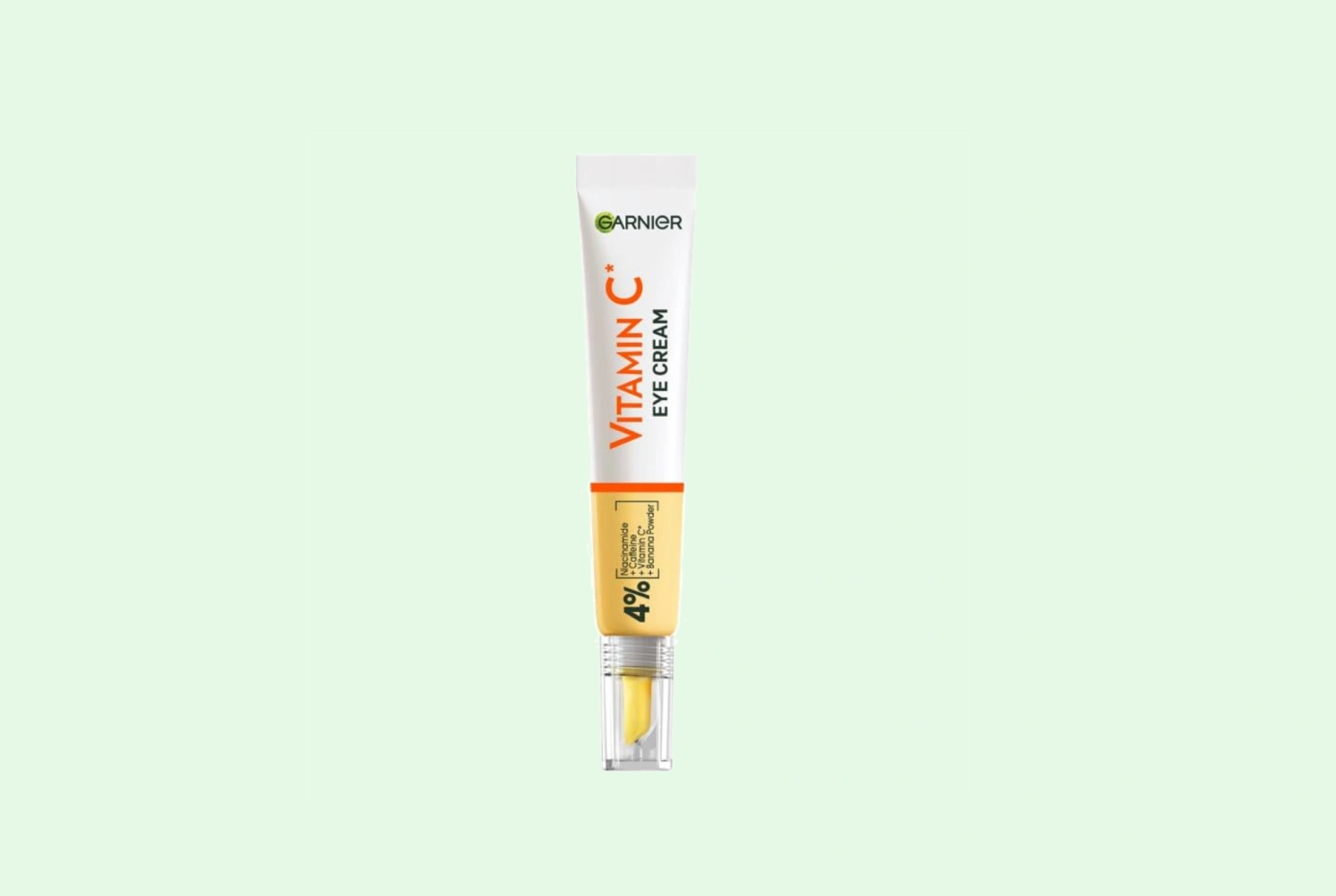
Caffeine is commonly used in eye products intended to make puffiness look temporarily less noticeable. Its effect, when present, may be subtle and short-lived. Product formulas differ, and a product’s packaging or manufacturer ingredient list should be checked because formulas can change.
Apply only as directed and keep the product out of the eyes. If the area is sensitive, introduce one new product at a time and stop using it if burning, persistent redness, itching, or swelling develops. A caffeine product is not a treatment for a medical cause of swelling or a permanent solution for structural bags.
Moisturizing ingredients
Ingredients that help support the skin barrier, such as humectants, emollients, and occlusive ingredients, may make dry or tight skin look smoother. This can soften the appearance of fine surface lines and improve comfort, particularly when the under-eye area is dry.
More moisture does not necessarily mean less volume beneath the eye. Choose a fragrance-free or otherwise simple option if your skin is reactive, and follow the product’s directions for use near the eyes.
Retinoids and other active ingredients
Some eye products use retinoid ingredients to support the appearance of fine lines and uneven texture over time. These ingredients can be irritating, especially on thin or sensitive skin, and they are not expected to remove an under-eye bulge. Follow the label carefully, introduce the product gradually if the directions allow, and avoid applying it too close to the eye itself.
Other brightening or exfoliating ingredients may be included in products for dark circles or dullness. The skin around the eyes can react more easily than other areas, so do not assume that an ingredient suitable for the face is automatically appropriate for the eyelids. If irritation develops, stop using the product and allow the skin to recover.

Routine choices that may reduce the look of puffiness
- Use a gentle cleanser and avoid scrubbing the eye area.
- Apply moisturizer with a light tapping motion rather than pulling or rubbing the skin.
- Use sunscreen around the eyes when the product is labeled for that area, while avoiding direct contact with the eyes.
- Try a cool compress for short periods when temporary puffiness is the main concern.
- Notice whether allergies, rubbing, salty meals, alcohol, or poor sleep coincide with worse-looking puffiness.
- Introduce new eye products one at a time so you can identify a possible irritant.
A consistent routine is generally more useful than layering several strong products. If you need help organizing products around your specific concerns, the site’s under-eye routine builder can help you think through basic routine choices.
When an eye cream is unlikely to be enough
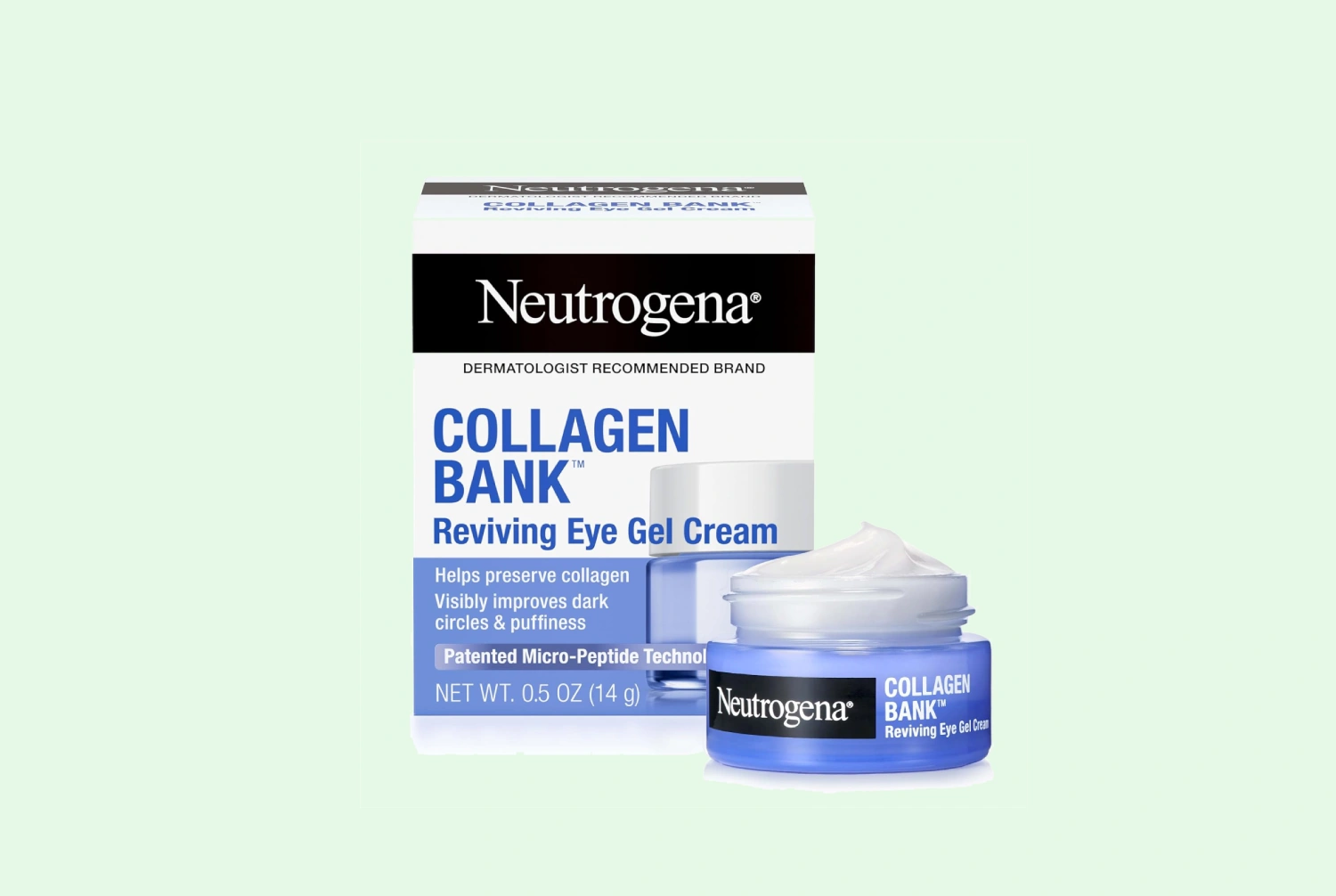
An eye cream is unlikely to change a prominent, persistent bag caused by fat repositioning, loose tissue, or facial structure. It may improve hydration or the appearance of the skin over the area, but cosmetic improvement should not be confused with removing the underlying feature.
Makeup, light-reflecting products, and careful concealer placement may offer an immediate cosmetic change. Those options affect how the area looks rather than changing the tissue beneath the skin. If you are considering an in-office or surgical option, consult a qualified medical professional for individualized information about potential benefits, risks, and alternatives.
When to seek medical advice
Persistent bags are often harmless, but swelling should not be self-diagnosed based on appearance alone. Seek medical advice if swelling is sudden, severe, painful, itchy in a persistent way, associated with vision changes, accompanied by significant redness or discharge, or noticeably affects only one side. Swelling elsewhere in the body or other new symptoms also warrant professional attention.
A clinician can assess symptoms that skin care cannot explain. Avoid using cosmetic products to mask or manage a new symptom while delaying appropriate care. This article provides general appearance and routine guidance, not a diagnosis or treatment plan.
How to think about your own under-eye bags
Start by observing whether the appearance is temporary or consistent. Puffiness that changes noticeably during the day may have a fluid, irritation, allergy, or lifestyle component. A stable bulge that has gradually become more visible may relate more to aging, genetics, or facial structure. Hollowness, pigmentation, fine lines, and puffiness can also occur together, so one product may not address every visible feature.
Choose products according to the concern you want to support, keep expectations modest, and verify current packaging or the manufacturer’s ingredient list when product details matter. With gentle use and realistic goals, skin care may help the under-eye area look more hydrated, comfortable, and refreshed—even though it cannot change every cause of under-eye bags.

Comments
0No comments yet. Be the first to share a helpful note or question.
Leave a Comment
Your email address will not be published. Comments are reviewed before appearing on the site.