
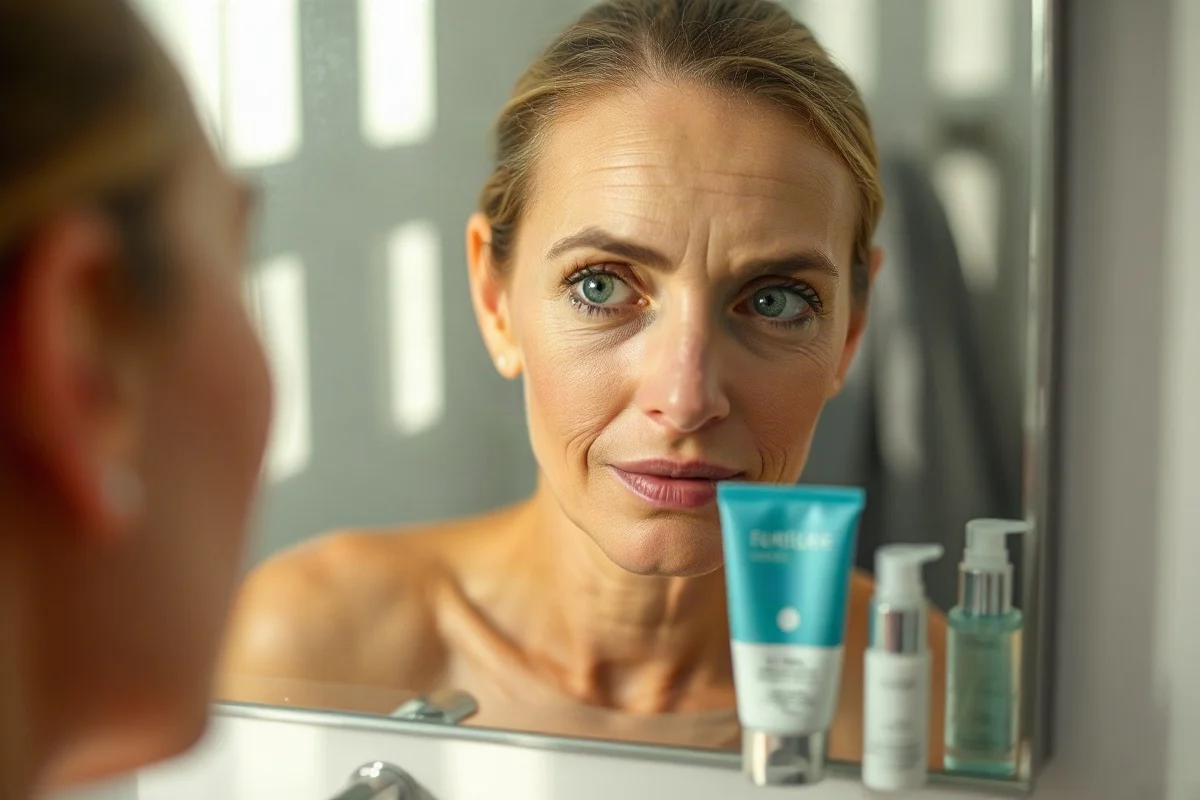
Fine lines around the eyes usually develop because the skin in this area is thin, frequently folded by facial movement, and increasingly less able to retain moisture over time. Sun exposure, reduced collagen and elastin support, dryness, genetics, smoking, and repeated squinting can all make lines more visible. Eye cream cannot stop the normal aging process, but a thoughtful routine may temporarily improve the look of dehydration lines and help protect the skin from additional environmental stress.
Why the eye area shows lines early
The skin around the eyes has less natural oil than many other areas of the face. That can make it more prone to dryness, tightness, and a crepey-looking texture. The area also moves constantly as you blink, smile, frown, and squint. Over many years, these repeated movements can contribute to lines that become visible when your face is at rest.
Natural aging is another major factor. With time, skin generally produces less collagen and elastin, the structural proteins that help it look firm and resilient. The skin may also become thinner and slower to recover from everyday stretching and compression. These changes do not happen at one exact age, and they can look different from person to person.
Common causes of fine lines around the eyes
Sun exposure
Ultraviolet exposure can contribute to visible skin aging, including uneven texture and fine lines. The under-eye area is easy to overlook when applying sunscreen, especially close to the lash line. Sunglasses and a broad-spectrum sunscreen used as directed can provide practical protection for the surrounding skin. Sunscreen should be applied carefully and kept out of the eyes.

Sun protection is useful even when fine lines are already present. It will not erase existing lines, but consistent protection may help reduce ongoing environmental stress that can make visible aging more pronounced.
Repeated facial movement and squinting
Everyday expression is normal, but frequent squinting can make lines more noticeable. Bright sunlight, glare, uncorrected vision, or dry-feeling eyes may encourage squinting. Wearing appropriate sunglasses and addressing persistent eye discomfort with a qualified medical professional may help reduce the need to squint. These steps are not cosmetic treatments for wrinkles, and ongoing irritation should not be ignored.
Dryness and dehydration
Dry skin can emphasize small creases by making the surface look rougher and less supple. Dehydration lines may appear more prominent after cleansing, in cold or dry weather, or when using products that disrupt the skin barrier. These lines can sometimes look softer after applying a moisturizer, but that temporary improvement is different from changing the underlying structure of the skin.
Ingredients such as humectants, emollients, and occlusive agents can support a more comfortable, moisturized appearance. Humectants help attract water to the skin, emollients smooth the feel of rough areas, and occlusives help slow water loss. Product labels may describe these ingredients in different ways, so checking the current ingredient list is important.
Loss of collagen and elastin support
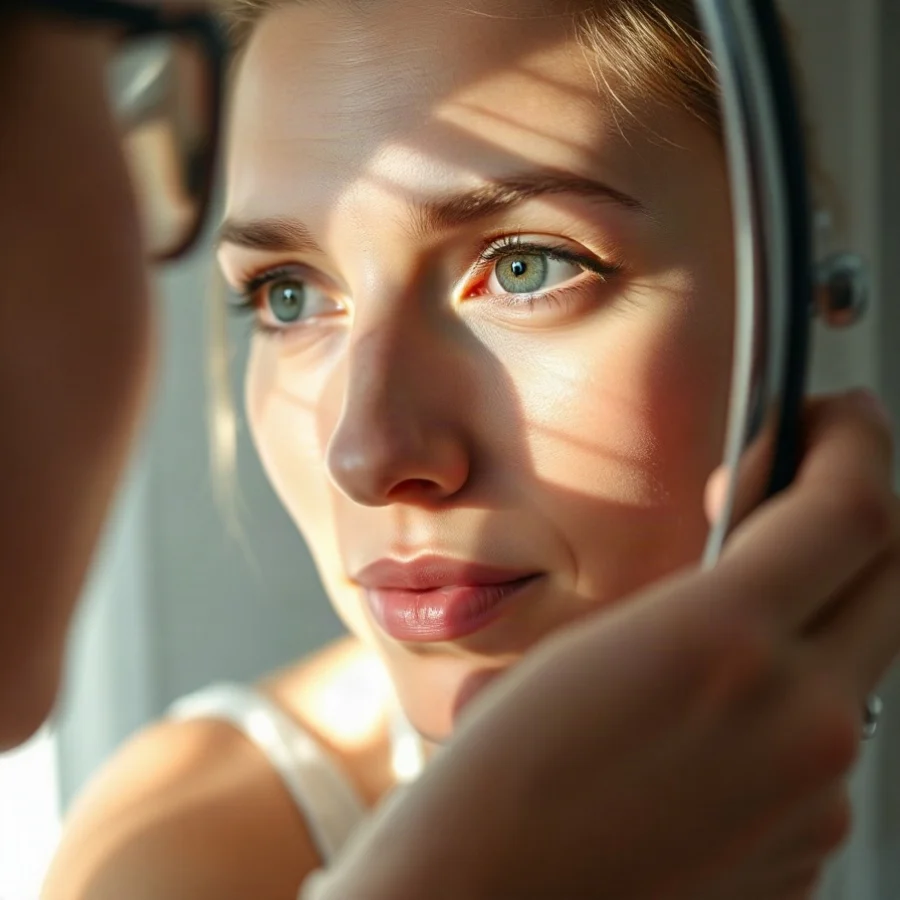
As skin ages, changes in collagen, elastin, and fat distribution can affect firmness and texture. Fine lines may gradually become deeper or remain visible even when the face is relaxed. A topical eye product may improve the look of surface dryness or temporarily make the area appear smoother, but cosmetic skincare has realistic limits. It cannot replace lost facial volume or reproduce the effects of a medical procedure.
Genetics and natural skin characteristics
Genetics influence when lines appear, how deeply they develop, and how the eye area responds to sun exposure and dryness. Skin tone, facial anatomy, expression patterns, and family history can all affect appearance. Comparing your eye area with someone else’s is therefore not a reliable way to judge whether your routine is working.
Lifestyle and environmental stressors
Smoking, frequent sun exposure, poor sleep, and living in a dry or windy environment may make the skin look duller or more fatigued. Sleep loss does not necessarily create permanent wrinkles overnight, but it can make existing lines, shadows, and puffiness appear more noticeable. A balanced routine, adequate rest, sun protection, and avoiding smoking support overall skin health without guaranteeing a particular cosmetic result.
Fine lines versus temporary creasing
Not every crease around the eyes represents a permanent wrinkle. Some lines are most visible immediately after waking, following dehydration, or after applying makeup to dry skin. Others appear mainly when smiling or squinting and fade when the face relaxes. Lines that remain visible at rest may reflect longer-term changes in skin structure, although appearance alone cannot identify a medical cause.
Texture can also be affected by product buildup, irritation, or a damaged skin barrier. If the area is red, painful, swollen, intensely itchy, scaly, or persistently irritated, consider stopping new products and seeking medical advice rather than treating the issue as a cosmetic wrinkle concern.
Ingredients that may improve the look of fine lines
Several skincare ingredients are commonly used to support a smoother-looking eye area. Their effects vary by formula, concentration, skin sensitivity, and consistency of use. Product formulas can change, so verify the current packaging and manufacturer ingredient list before buying or relying on a specific product.
Moisturizing ingredients
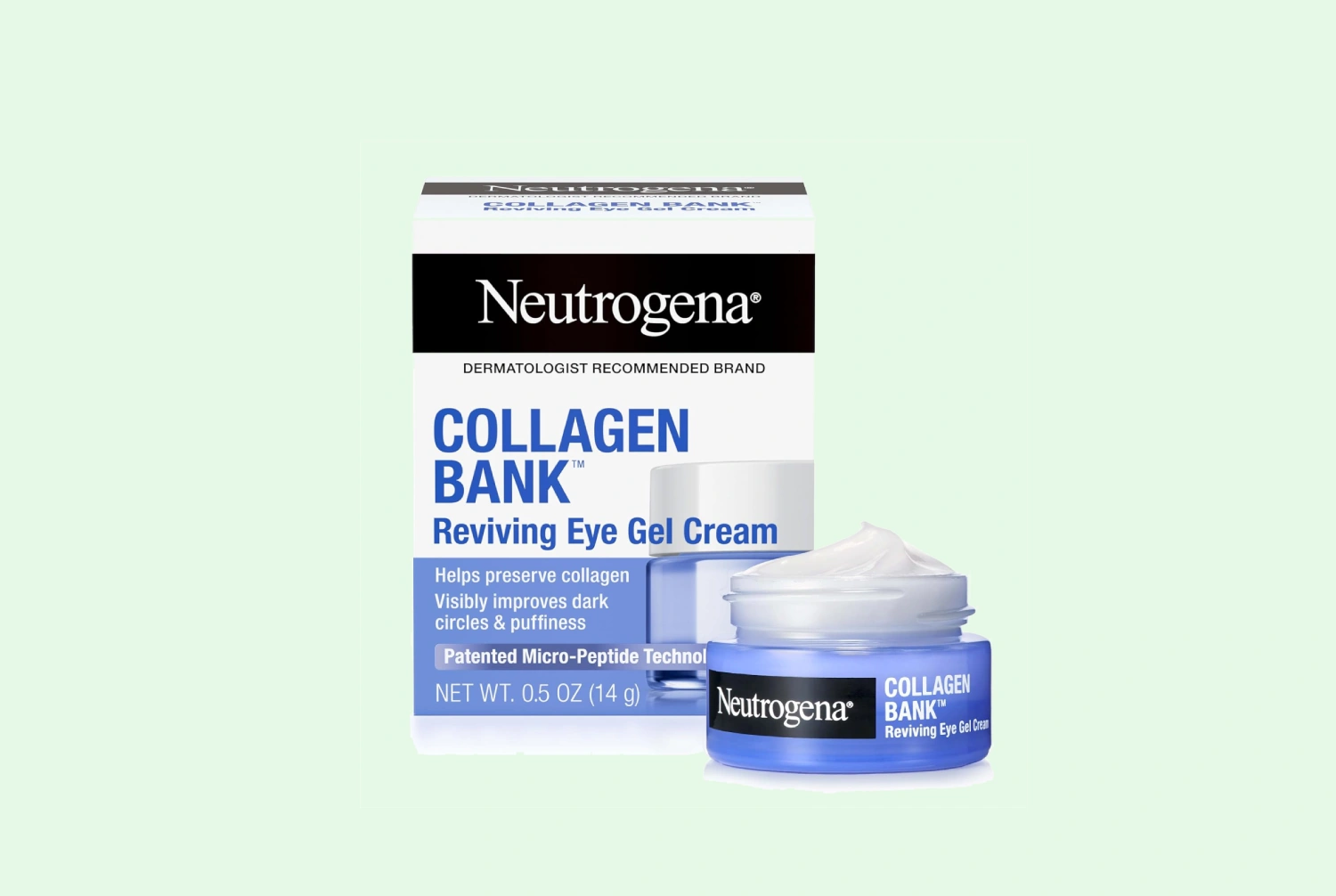
Glycerin, hyaluronic acid, and other humectants may temporarily plump the appearance of surface dehydration by increasing water content near the skin surface. Ceramides, fatty acids, and other barrier-supporting ingredients may help reduce the feeling of dryness. Richer textures can feel comfortable on dry skin, while lighter formulas may suit people who dislike a heavy finish.
Retinoids and retinol
Retinol and related vitamin A ingredients are often selected for routines focused on visible signs of aging. They can be irritating, particularly around the eyes, and the appropriate product instructions vary. Start only as directed on the label, avoid applying too close to the eyes unless the product is specifically intended for that area, and introduce it cautiously. If burning, significant redness, peeling, or swelling develops, stop using the product and seek professional guidance if symptoms persist.
People who are pregnant, trying to become pregnant, or breastfeeding should ask a qualified healthcare professional about retinoid use rather than relying on general skincare advice. You can read more about product considerations in our guide to retinol eye cream, but always follow the current product label.
Antioxidants
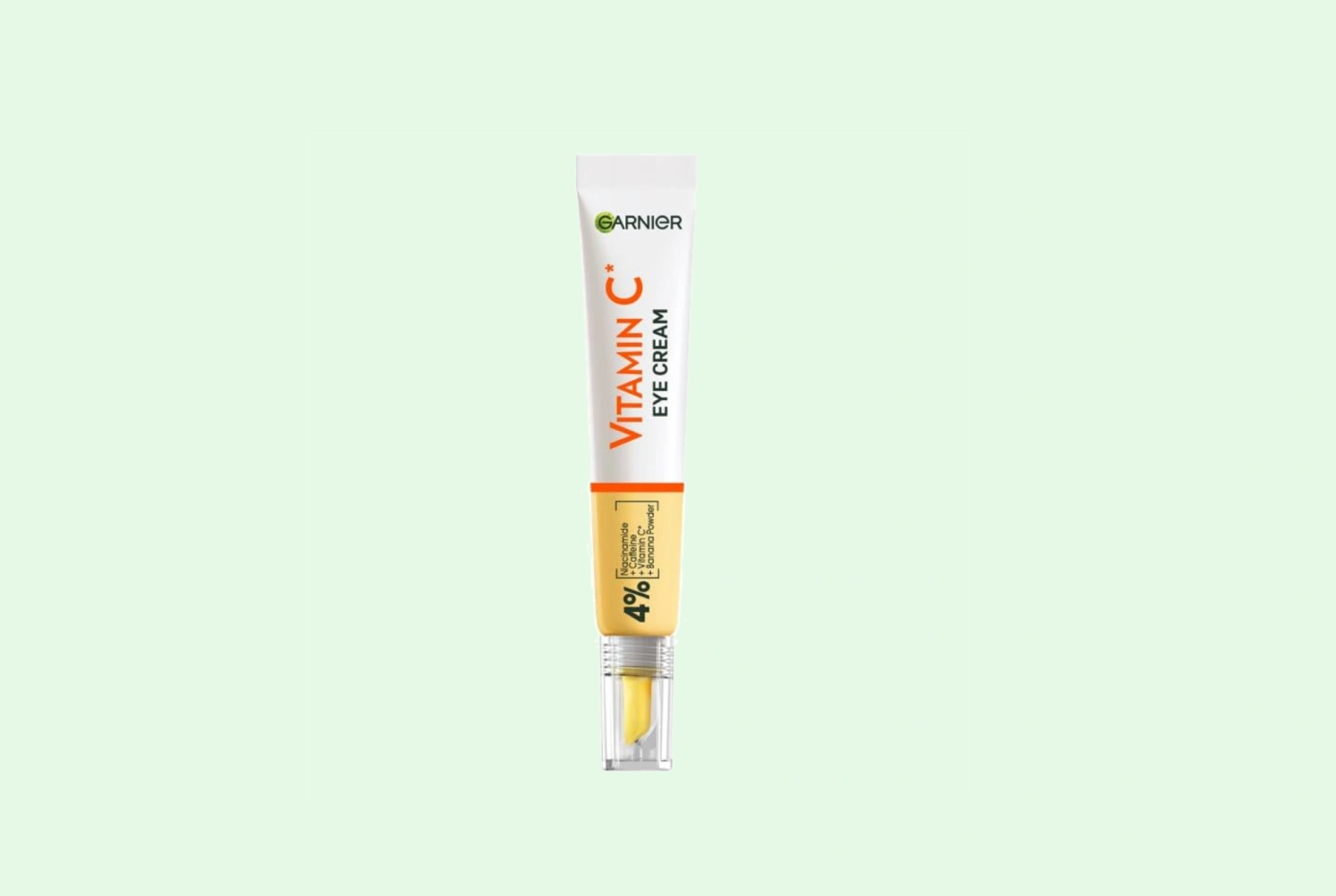
Antioxidants such as vitamin C, vitamin E, and certain plant-derived compounds are used in skincare to help address the effects of environmental exposure and support a brighter, more even-looking complexion. Not every antioxidant formula is suitable for the eye area, and some products may sting sensitive skin. Review the directions and introduce new products one at a time so it is easier to identify a source of irritation.
How to choose an eye product for fine lines
Start with your main concern. If the area feels tight or looks crepey after cleansing, prioritize a gentle, fragrance-free moisturizer with barrier-supporting ingredients. If your concern is long-term visible aging, you may consider a carefully introduced product designed for that purpose. If puffiness or dark shadows are more prominent than lines, a wrinkle-focused formula may not address the feature you notice most.
Look for packaging that explains where and how to apply the product. The eye area is sensitive, and more product does not necessarily produce better results. A small amount applied along the orbital area, without rubbing or dragging the skin, is generally a more cautious approach than spreading product directly into the eyes.
For help organizing products by concern and skin type, use an under-eye routine builder. You can also review broader information in our eye cream ingredient guide.
A simple routine for the eye area
- Cleanse gently. Use a cleanser that removes sunscreen and makeup without leaving the skin uncomfortably tight.
- Apply a suitable eye product. Use the amount and frequency stated on the label. Pat gently instead of rubbing.
- Moisturize as needed. A face moisturizer may be enough if it is comfortable and suitable for use near the eyes.
- Use daytime sun protection. Apply sunscreen as directed and wear sunglasses in bright conditions.
- Introduce actives slowly. Add only one potentially irritating active at a time, and stop if irritation develops.
Patch testing can be useful when trying a new product, although it cannot guarantee that irritation will not occur around the eyes. Keep products away from the eyeball and follow the manufacturer’s instructions. If a product gets into the eyes and causes ongoing discomfort, rinse as directed and seek medical advice when needed.
What eye cream can and cannot do
An eye cream may make the area look more hydrated, smoother, or temporarily less crepey. Some formulas can also improve the feel of dry skin and make makeup apply more evenly. These are cosmetic appearance benefits, not proof that a product has changed the deeper structure of the skin.
No topical product can guarantee that fine lines will disappear, prevent all future wrinkles, or permanently reverse aging. Results may be subtle and may depend on regular use, sun protection, skin sensitivity, and the rest of your routine. Be especially cautious with claims that promise instant, permanent, or dramatic changes without explaining the formula and limitations.
When to ask a healthcare professional
Fine lines are usually a cosmetic concern, but sudden changes, persistent swelling, pain, severe itching, rash, vision changes, or irritation that does not improve deserve medical attention. A healthcare professional can help evaluate symptoms that are not explained by ordinary dryness or visible aging. A dermatologist may also discuss cosmetic options if you want information beyond topical skincare.
In short, fine lines around the eyes are commonly linked to natural aging, repeated movement, sun exposure, dryness, genetics, and environmental factors. A gentle moisturizer, careful use of suitable actives, and consistent sun protection can support a smoother-looking appearance, but realistic expectations matter. For more topic-specific guidance, explore our fine lines and wrinkles coverage.

Comments
0No comments yet. Be the first to share a helpful note or question.
Leave a Comment
Your email address will not be published. Comments are reviewed before appearing on the site.