

Flaky skin around the eyes is usually caused by dryness, irritation, contact with an irritating product, or a weakened skin barrier. The skin in this area is delicate and can lose moisture easily, but persistent flaking may also be associated with an allergic reaction or another skin concern that needs professional evaluation. A simple routine focused on gentle cleansing, moisturization, and avoiding likely triggers can help improve the look and feel of dryness, but it cannot diagnose or treat an underlying condition.
Why the eye area becomes flaky
The skin around the eyes is thinner and more exposed than much of the skin on the face. It also encounters frequent movement, rubbing, makeup removal, cleansing, sweat, tears, and environmental changes. These factors can make moisture loss and irritation more noticeable here than elsewhere.
Flaking happens when the outer layer of skin becomes dry or irritated enough that small visible scales develop. Sometimes the flakes are accompanied by tightness, rough texture, redness, burning, itching, or sensitivity. The appearance alone does not identify the cause, so it is useful to consider recent changes in products, habits, weather, and symptoms.
Dryness and a weakened skin barrier
Cold or dry weather, indoor heating, hot water, frequent washing, and low-humidity environments can all contribute to dry-looking skin. A cleanser that removes too much oil, or cleansing too often, may make the eye area feel tight after washing.
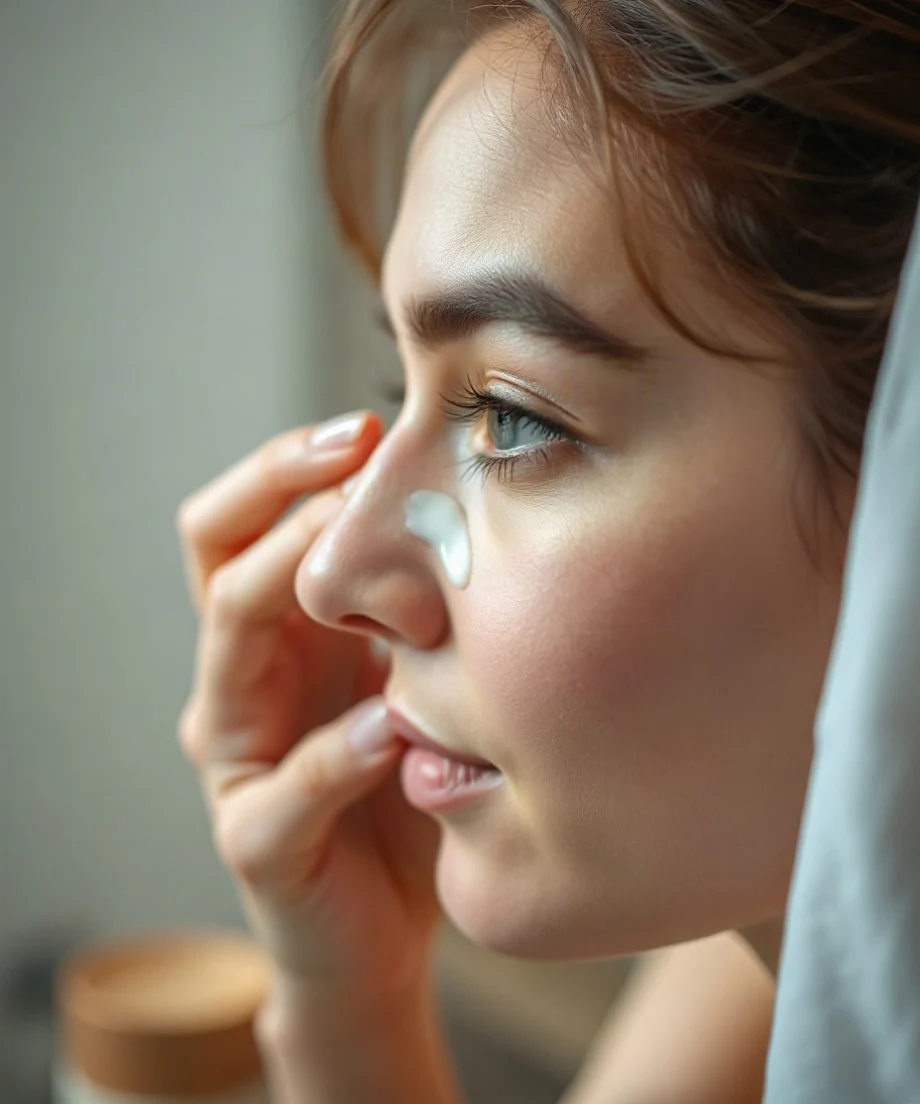
The skin barrier can also become stressed when several active products are used close together. Retinoids, exfoliating acids, strong acne treatments, and some fragranced formulas may be tolerated on other parts of the face but feel uncomfortable around the eyes. Even products marketed for sensitive skin can irritate an individual user.
Irritation from skincare or makeup
A new eye cream, serum, sunscreen, cleanser, makeup product, or makeup remover may be responsible for flaking if symptoms began after it was introduced. Irritation can develop from the formula itself, from using too much product, or from applying an active ingredient too close to the eyelids.
Makeup tools and removal habits matter as well. Rubbing with cotton pads, using a rough cloth, or repeatedly wiping away waterproof makeup can create friction. Mascara, eyeliner, eyeshadow, lash adhesives, and makeup removers may also leave the area feeling dry or uncomfortable, particularly when residue remains near the lash line.
Allergic contact reactions
An allergy to an ingredient can cause itching, redness, swelling, scaling, or a rash. Fragrance components, preservatives, botanical extracts, hair products that migrate onto the face, and cosmetic ingredients can all be possible triggers. An allergic reaction may not appear immediately after a product is applied, and a person can become sensitive to a product they have used before.

If the flaking is very itchy, appears on both eyelids, or returns each time a particular product is used, stop using the suspected product and seek medical advice if the problem does not settle. A healthcare professional can help evaluate whether patch testing or another form of assessment is appropriate.
Environmental and lifestyle triggers
Wind, cold air, sun exposure, dry indoor air, and airborne irritants can make the eye area feel rough or tight. Sweat and tears may also irritate the skin when they dry, especially if the area is wiped frequently. Swimming, travel, seasonal changes, and long days in air-conditioned or heated spaces can alter how the skin feels.
Rubbing the eyes is another common contributor. It can create friction, move irritants across the skin, and make existing dryness more visible. If rubbing is related to seasonal discomfort or eye symptoms, addressing those symptoms with appropriate professional guidance may be more useful than adding more skincare products.
Could flaky eyelids be a medical concern?
Flaky skin around the eyes can have several possible explanations, including conditions that cannot be identified reliably from appearance alone. Persistent scaling, marked redness, repeated swelling, pain, cracking, oozing, crusting, or changes affecting the eyes themselves deserve medical attention.
Seek prompt care for vision changes, significant eye pain, severe swelling, signs of infection, or symptoms that develop suddenly and intensely. For recurring or unexplained flaking, a dermatologist, primary care professional, or eye-care professional may be able to assess the area. This article provides cosmetic skincare information and is not a diagnosis or treatment plan.
How to calm flaky skin around the eyes
When the cause is not obvious, simplifying the routine is often a sensible first step. Pause newly introduced products and nonessential actives near the eyes. Avoid scrubs, cleansing brushes, fragranced products, and strong exfoliants on the affected area while it feels irritated.
Cleanse gently
Use lukewarm rather than hot water, and avoid rubbing. A gentle, low-irritation cleanser may be enough, particularly if the area is not visibly dirty. When removing makeup, soften the product first and use light pressure instead of repeatedly dragging a cotton pad across the skin.
Apply a simple moisturizer
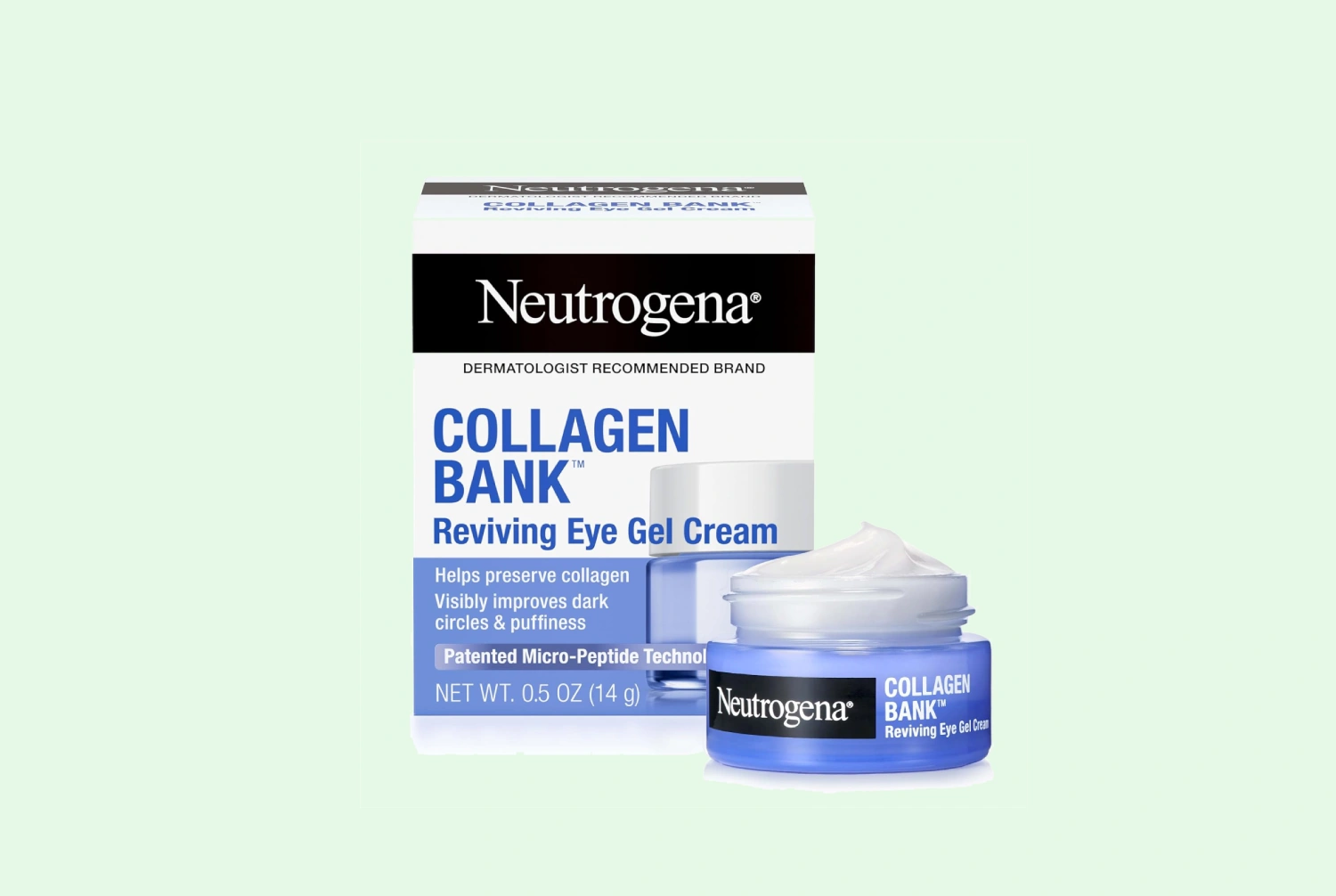
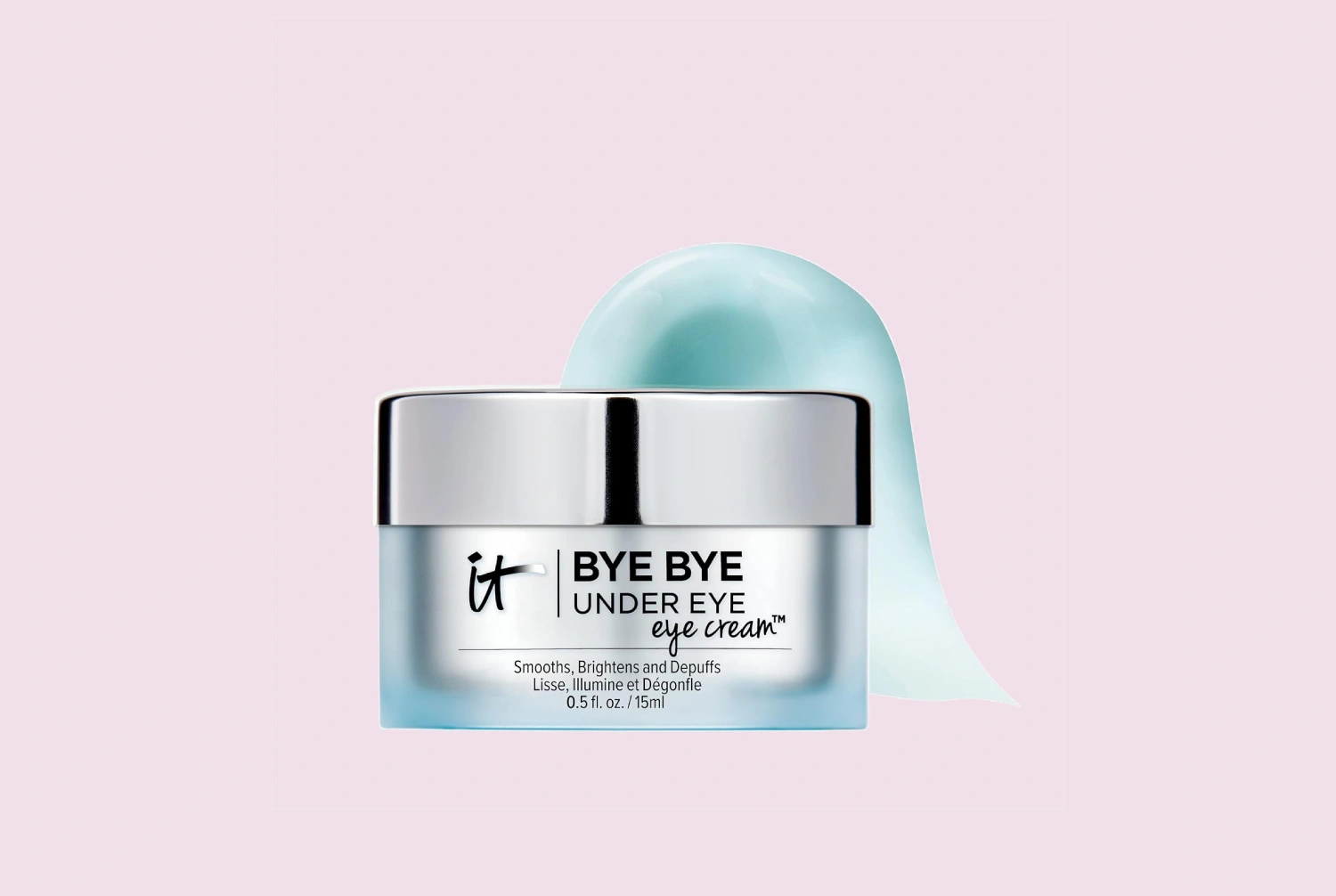
Choose a bland, fragrance-free moisturizer made for the face or eye area, and apply a small amount without placing it directly into the eyes. Ingredients commonly used to support dry-feeling skin include humectants such as glycerin, emollients that smooth the surface, and occlusive ingredients that help reduce moisture loss. The best choice depends on personal tolerance and the complete formula, not one ingredient alone.
For more guidance on building a basic routine, see the dry skin eye-care guide and the site's Under-Eye Routine Builder. Product formulas can change, so check the current packaging and manufacturer ingredient list before buying or using a product.
Protect the area from the environment
Sunglasses can reduce exposure to wind and bright light, while a broad-spectrum sunscreen used according to its label can help protect exposed facial skin from ultraviolet radiation. Sunscreen may sting if it migrates into the eyes, so apply carefully and choose a product that your skin tolerates. Do not use a product on the eyelids unless its label indicates that area is appropriate.
What about retinol, vitamin C, and exfoliating acids?
Active ingredients may be useful for specific cosmetic concerns, but flaky skin is generally a reason to be cautious rather than to add more actives. Retinol and retinoid products can cause dryness, peeling, or irritation, especially when introduced too quickly or applied too close to the eyes. Exfoliating acids can have similar problems for some users.
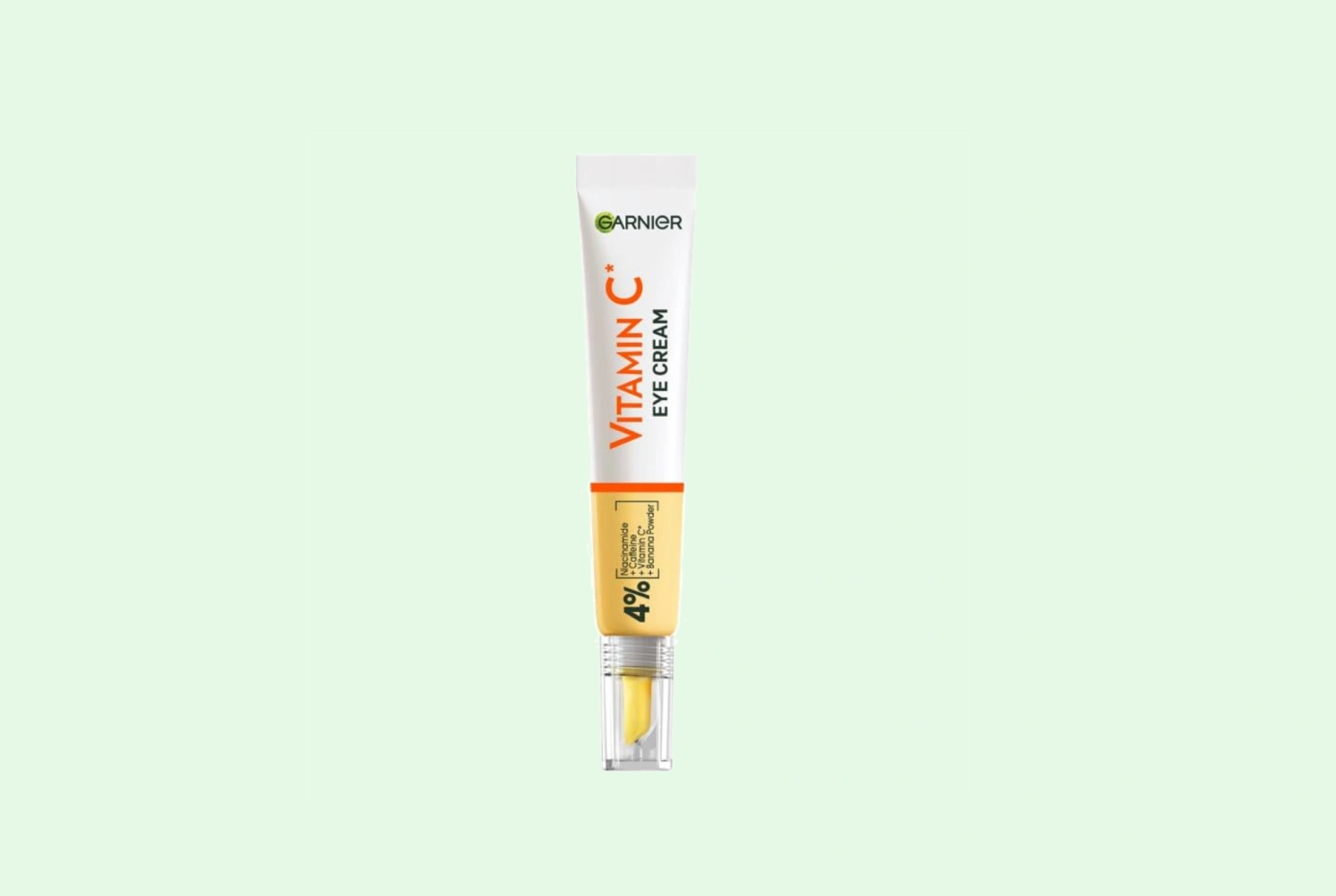
Vitamin C products vary considerably in form and formulation. Some may feel comfortable, while others can sting or irritate sensitive skin. If you use an active around the eyes, follow the product label, use only the recommended amount, avoid the lash line and eye itself, and introduce it gradually if the instructions allow. Do not layer multiple potentially irritating actives in the same area while the skin is flaky. Stop using a product if burning, worsening redness, swelling, or persistent irritation develops.
Our eye-care ingredient guide can help explain common ingredients, but ingredient names alone cannot predict whether a complete formula will suit you.
How to choose an eye product when your skin is flaky
Look for a short, straightforward routine rather than a product promising to solve every under-eye concern. A moisturizer with a comfortable texture may reduce the look of dry lines and roughness by improving surface hydration, but this is a cosmetic effect and may not last if the trigger continues.
- Prefer fragrance-free options if fragrance has caused discomfort for you before.
- Be cautious with formulas containing multiple exfoliating or stimulating actives.
- Check whether the product is intended for use around the eyes and follow its directions.
- Patch test new products when practical, while recognizing that a small-area test cannot guarantee an absence of an eye-area reaction.
- Stop using a product if irritation develops rather than trying to push through it.
- Verify the current ingredient list because formulas may change over time.
Applying less product can also help. Use a thin layer on clean, slightly damp skin and keep it away from the eye opening. More moisturizer is not always better, especially if excess product migrates into the eyes and causes watering or rubbing.
When should you get help?
Consider professional advice if flaking lasts despite a simplified routine, keeps returning, spreads beyond the eye area, or is accompanied by intense itching, swelling, pain, cracking, discharge, or changes in vision. It may also be worth getting help if you cannot identify a trigger or if several products cause the same reaction.
Keeping notes about new products, makeup, medications, weather changes, and symptom timing can make the pattern easier to discuss. Until the cause is clearer, gentle care and trigger avoidance are more appropriate than repeatedly testing new treatments on already irritated skin.
Flaky skin around the eyes is often manageable when dryness and irritation are reduced, but improvement is not guaranteed and the underlying cause matters. Focus first on comfort and barrier-friendly habits, then reintroduce products one at a time only after the area feels normal again.

Comments
0No comments yet. Be the first to share a helpful note or question.
Leave a Comment
Your email address will not be published. Comments are reviewed before appearing on the site.