
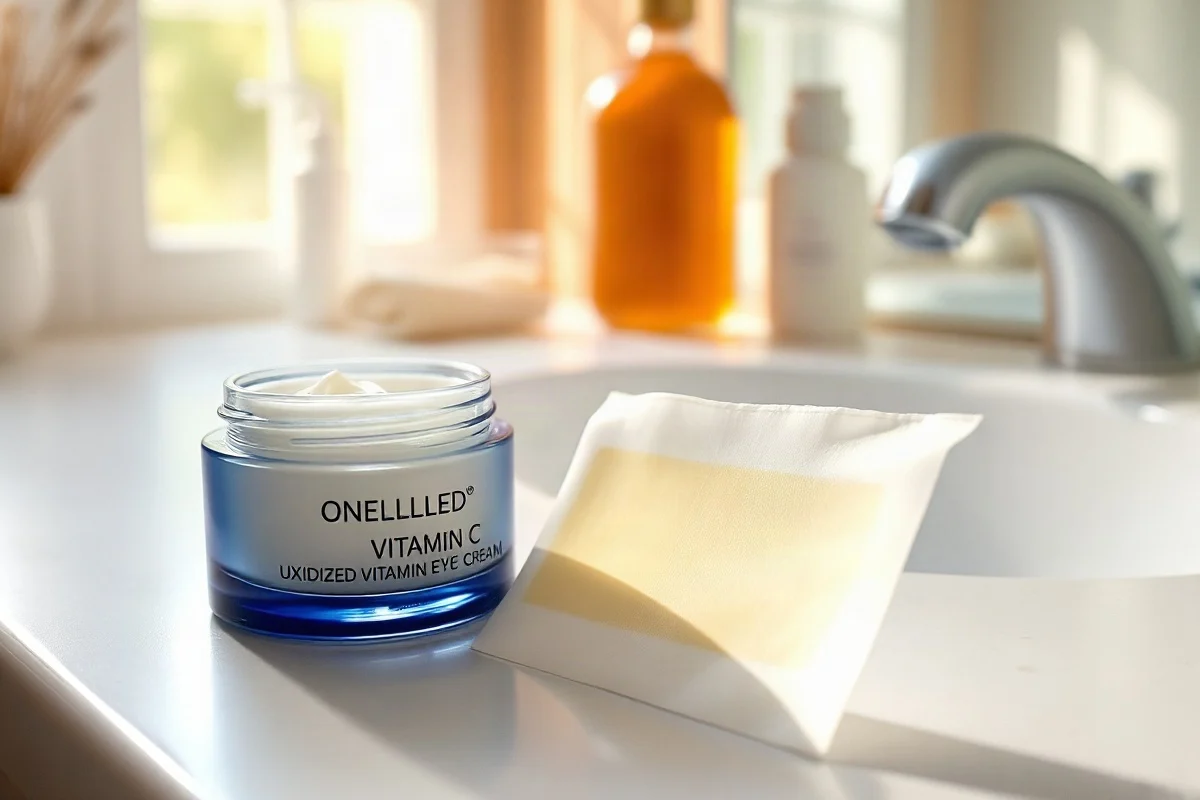
Oxidized vitamin C eye cream may look darker than it did when new, changing from white or pale cream to yellow, tan, orange, or brown. It may also develop an unusual smell or a noticeable change in texture. Color alone does not prove that a product is unusable, because vitamin C formulas can naturally vary by ingredient type and packaging. However, a clear shift from the original appearance—especially when paired with an off odor, separation, or irritation—is a reason to stop using the product and check the current label or contact the manufacturer.
Vitamin C is used in eye-area products to support a brighter, more even-looking appearance. It is not a guaranteed solution for every type of dark circle, and it does not diagnose or treat the underlying causes of discoloration, shadows, visible blood vessels, allergies, or structural hollows. Understanding oxidation can help you decide whether an eye cream still appears suitable for cosmetic use.
What oxidized vitamin C eye cream usually looks like
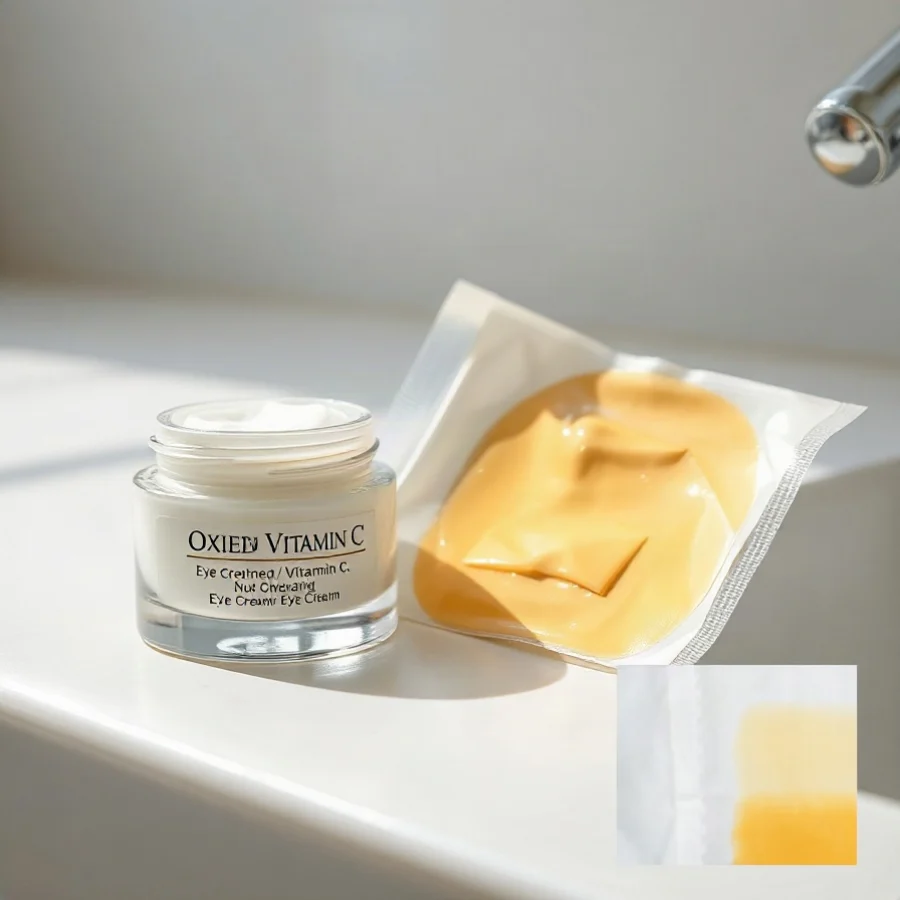
The most common visual clue is a gradual deepening of color. A product that started out white, off-white, or very pale yellow may become a stronger yellow, amber, orange, tan, or brown. The change may be subtle at first. In some formulas, a slight color shift can occur as the product ages or is exposed to air and light. A dramatic change is more concerning than a small difference that was already present when the product was purchased.
Oxidized product can also look less uniform. You might notice small particles, dark specks, streaks, separation between liquid and cream, or a watery layer that does not blend back into the formula. These signs do not identify the exact cause by themselves. Heat, freezing, contamination, an unstable emulsion, or normal formula separation may produce similar changes.

Appearance changes to watch for
- A noticeably darker shade than the original product
- New orange, brown, or amber tones
- Visible separation that remains after gentle mixing, if mixing is permitted by the label
- Clumps, gritty particles, or unexpected crystals
- A dried, cracked surface or a watery layer around the edges
Do not compare the product with a generic photo and assume the result is definitive. Vitamin C eye creams may use different forms of vitamin C, and each formula can have its own starting color. The most useful comparison is with the same product when it was fresh, or with the manufacturer’s current information.
How smell and texture can add context
A change in smell can make a color change more significant. If the cream develops a sharp, sour, metallic, rancid, or otherwise unfamiliar odor, avoid applying it near the eyes. Fragrance, botanical ingredients, preservatives, and the vitamin C form can all influence how a product smells, so a scent is not a reliable way to identify oxidation on its own. The concern is a clear change from the product’s original smell.
Texture is another useful observation. A fresh eye cream should generally have the consistency described by its label or product instructions. If it suddenly becomes unusually thin, sticky, gritty, lumpy, or difficult to spread, do not assume that shaking or vigorous mixing will restore it. Applying a changed product to the delicate eye area may increase the chance of stinging or irritation.
When several changes appear together—such as darkening, an off odor, and separation—the cautious option is to stop using the product. This is especially important if the product is past its recommended period after opening, has been stored in a hot or sunny location, or has been repeatedly exposed to air.
Why vitamin C changes color
Oxidation is a chemical process in which an ingredient reacts with oxygen. Light, heat, moisture, and repeated exposure to air can accelerate changes in some vitamin C formulas. Packaging matters because a jar may expose the cream to more air each time it is opened, while a pump or other restricted-dispensing container may limit some exposure. Packaging does not make a formula immune to change, however.
The phrase “vitamin C” covers more than one ingredient. Some eye creams use pure ascorbic acid, while others use vitamin C derivatives. These ingredients can differ in stability, appearance, and how they are formulated. A product that is naturally pale yellow is not automatically oxidized, and a colorless product is not automatically fresh or effective.
Formula details can also change over time. For product-specific questions, verify the current packaging, directions, expiration information, and manufacturer ingredient list rather than relying on an older review, retailer description, or a previous version of the product. This is particularly important if the package design, ingredient list, or recommended storage instructions have changed.
Is a darker vitamin C eye cream safe to use?
There is no universal color cutoff that can confirm whether a vitamin C eye cream is safe or suitable to use. A mild shift may reflect normal aging or a naturally colored formula, while a strong shift may indicate degradation or a broader stability problem. Because the eye area is sensitive, uncertainty is a good reason to be conservative.
Do not apply a product that has a new unpleasant odor, an unusual texture, visible contamination, or a major unexplained color change. If the product causes burning, persistent stinging, redness, itching, swelling, or a rash, rinse as appropriate, stop using it, and seek medical advice if symptoms are severe, persistent, or involve the eye itself. Cosmetic guidance cannot determine whether an eye symptom is an allergic reaction, infection, or another medical condition.
For general ingredient background, the site’s eye cream ingredient guide can help you compare common ingredients without treating product claims as a diagnosis or guarantee.
How to check your product before applying it
1. Compare it with the original appearance
Think back to the product’s color and texture when it was first opened. If possible, compare it with a photograph taken in neutral daylight or with a new sample of the same product. Avoid judging color under strongly tinted bathroom lighting, which can make a cream appear more yellow or orange than it is.
2. Read the current packaging
Check the expiration information, period-after-opening symbol, storage instructions, and directions. Some products should be kept away from direct light or heat. Follow the current package instructions instead of assuming that all vitamin C eye creams should be refrigerated or stored in the same way.
3. Inspect the dispenser and container
Look for a loose cap, clogged opening, damaged seal, leaking container, or product that has been left open. These issues can increase exposure to air or raise the risk of contamination. Do not place fingers into a product unnecessarily, and do not add water or another cosmetic to change the consistency.
4. Consider when and where it was stored
A bathroom shelf may expose a formula to repeated warmth and humidity. A sunny windowsill, hot car, or area near a heater can be even less suitable. Storage conditions do not prove that oxidation occurred, but they provide useful context when the appearance has changed.
5. Contact the manufacturer when the answer is unclear
If the product is expensive, recently purchased, or visibly different from the manufacturer’s description, ask the manufacturer about the batch, packaging, and expected color. Include photographs and the lot information if available. A retailer or manufacturer may be able to explain whether the color is normal for the current formula.
How to choose a more practical vitamin C eye cream
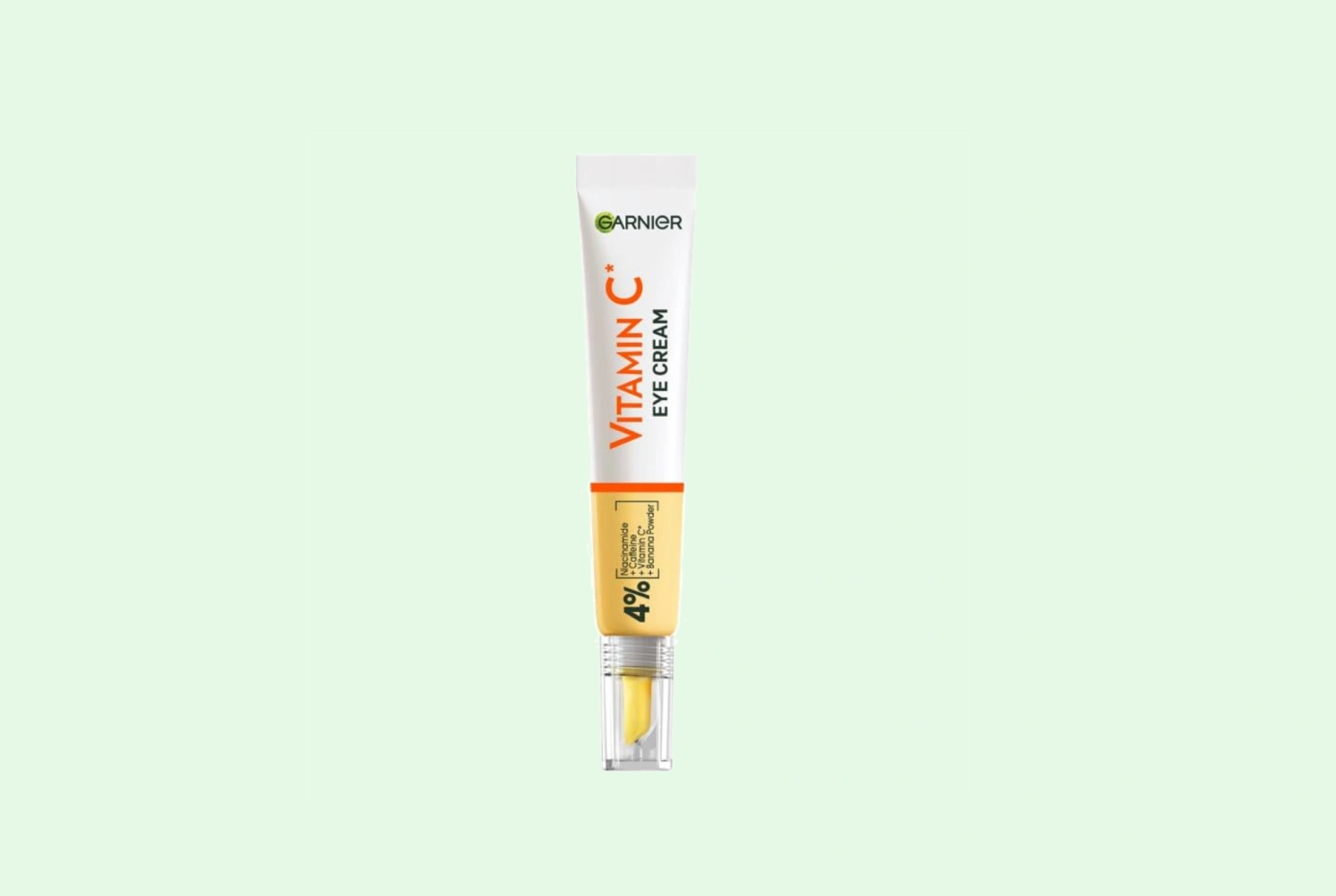
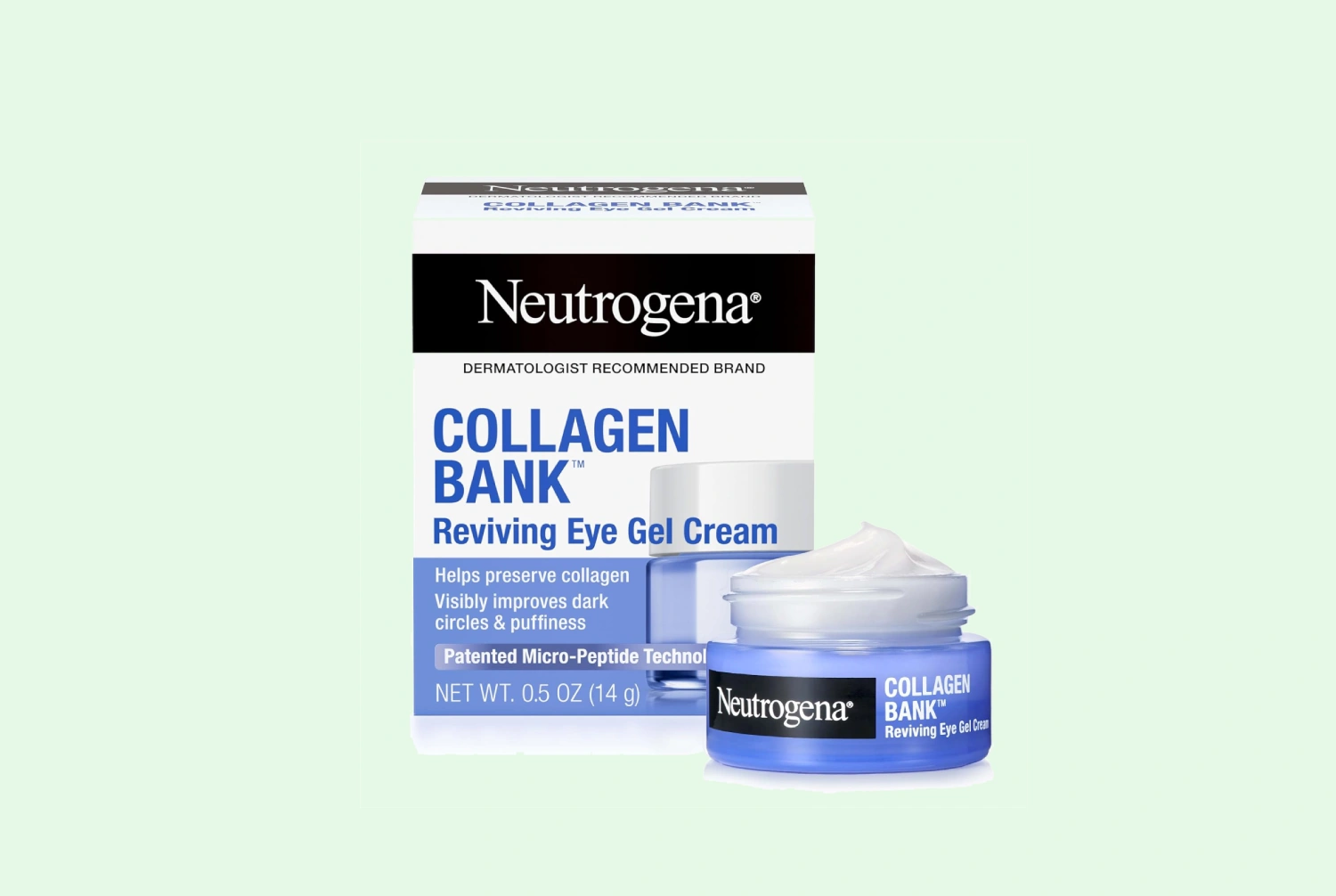
When comparing products, consider the container as well as the ingredient list. A tightly closed, protective dispenser may be easier to use consistently than an open jar, but packaging alone cannot confirm stability. Look for clear storage directions and an ingredient list that is available from a current, reliable source.
Choose a formula that fits your tolerance and routine rather than selecting the strongest-sounding option. The eye area can be more reactive than other parts of the face. If you have sensitive skin, introduce one new product at a time, follow the label, and consider a patch test on an appropriate area before applying it near the eyes. A patch test cannot guarantee that irritation will not occur.
Avoid applying eye cream directly to the eye or along the inner eyelid unless the product specifically instructs you to do so. Use a small amount as directed, keep the container closed between applications, and wash your hands before use. If the formula stings or causes visible irritation, discontinue it rather than trying to push through the reaction.
You can also explore the site’s vitamin C eye cream category for ingredient-focused reading, or use the under-eye routine builder to think through product order and skin concerns.
What to expect from vitamin C around the eyes
Vitamin C eye cream may help the under-eye area look brighter, smoother, or more even over time, depending on the formula, the rest of the routine, and the reason the area appears dark. Cosmetic improvement is not the same as removing dark circles. Darkness caused by shadows, hollowness, visible vessels, irritation, genetics, or temporary congestion may not respond in the same way to a topical product.
Sun protection is also relevant to the appearance of uneven tone. Use sun protection according to its label and protect the eye area without getting product into the eyes. Avoid expecting an eye cream to compensate for ongoing irritation, rubbing, or unprotected sun exposure.
If discoloration appears suddenly, affects only one side, comes with pain or swelling, or is accompanied by other concerning symptoms, consult a qualified health professional. An eye cream is a cosmetic product and should not be used to diagnose or treat an eye or skin condition.
The simplest rule is to judge the whole product, not its color alone. A slightly yellow formula may be normal, while a product that has become much darker and smells or feels different is not worth the risk of using near the eyes. When in doubt, stop using it, verify the current product information, and replace it if its condition cannot be confirmed.

Comments
0No comments yet. Be the first to share a helpful note or question.
Leave a Comment
Your email address will not be published. Comments are reviewed before appearing on the site.