
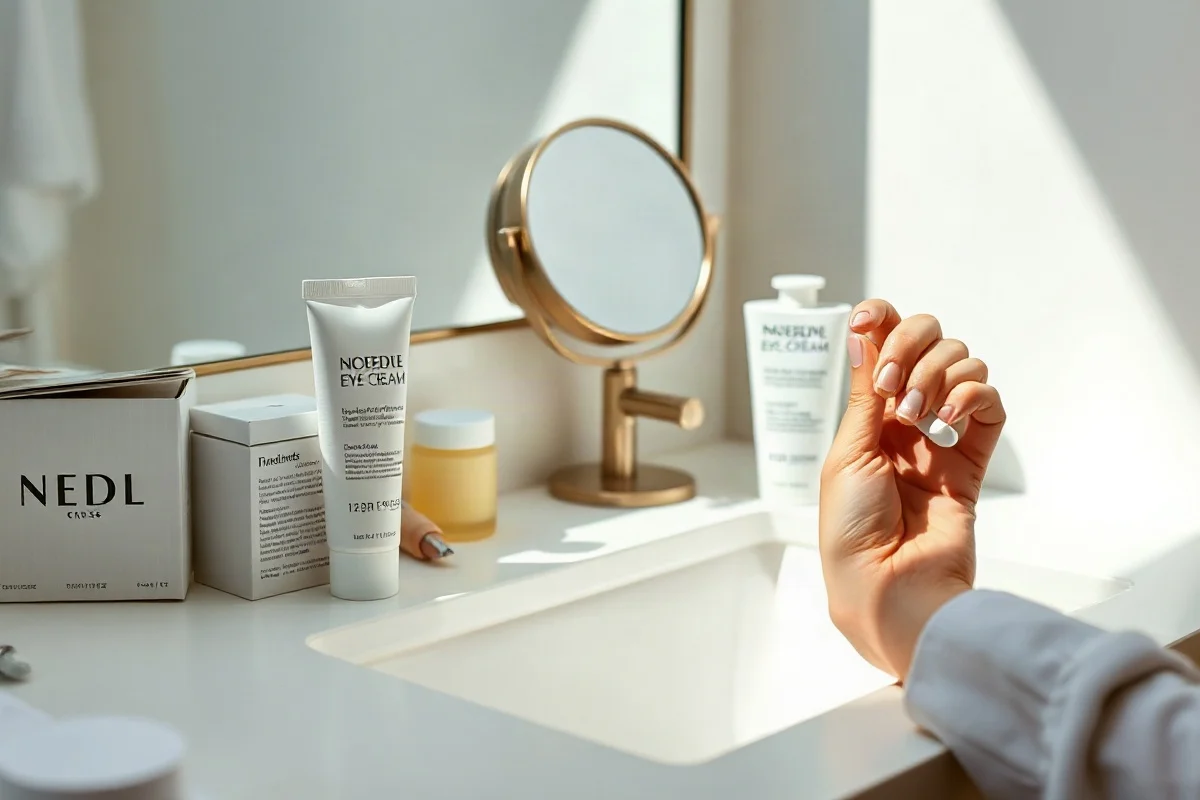
A drugstore eye cream is worth buying when it has a clear purpose, a tolerable formula, sensible packaging, and ingredients that match the appearance concern you want to address. The best choice is not necessarily the most expensive or the one with the most impressive claims. It should fit your skin, your routine, and your expectations—especially because eye creams can improve hydration and the look of certain concerns without diagnosing or treating their underlying causes.
Start With the Concern You Want to Improve
“Dark circles” can refer to several visible patterns. Under-eye darkness may look brown, gray, blue, or purple, and it can be influenced by visible blood vessels, shadows from facial structure, uneven pigmentation, dryness, or a combination of factors. Puffiness and fine lines can also make the area appear darker by creating shadows.
An eye cream can be useful for improving the appearance of dryness, dehydration, mild dullness, or temporary puffiness. It is less likely to make a meaningful difference when the main issue is a permanent structural shadow or a prominent hollow. No topical product can be expected to change facial anatomy, and an eye cream should not be presented as a treatment for a medical condition.
Before comparing products, decide whether your priority is hydration, a smoother-looking texture, a brighter-looking appearance, or a temporary refreshed look. The answer will help you avoid buying a product simply because its packaging uses broad language such as “anti-aging” or “brightening.”
Look for Ingredients With a Practical Role
A worthwhile formula does not need a long ingredient list. It needs ingredients that serve a useful purpose and are present in a base you can comfortably use near the eyes. Because formulas can change, check the current packaging or the manufacturer’s ingredient list before relying on product-specific details.
For dryness and a tight-feeling eye area
Humectants such as glycerin and hyaluronic acid can help attract water to the skin’s surface. Emollients and occlusive ingredients can help soften the area and reduce moisture loss. Ceramides and other barrier-supporting ingredients may also be helpful in a moisturizer designed for dry or easily irritated skin.
Hydration will not remove every type of dark circle, but it can make dry texture look less noticeable and can temporarily make fine lines appear softer. A comfortable moisturizer may be a better purchase than a highly active product if the skin under your eyes feels rough, flaky, or tight.
For a brighter-looking appearance
Some drugstore eye creams include ingredients commonly used in brightening skincare, such as vitamin C derivatives, niacinamide, or licorice-derived ingredients. These may support a more even-looking appearance over time, but results depend on the specific formula, consistent use, and the reason the area looks dark in the first place.
Brightening ingredients are not automatically better for the eye area. A formula that causes stinging, watering, redness, or peeling is not a good match, even if its ingredient list sounds appealing. You can explore our eye cream ingredient guide for a closer look at common ingredient categories.
For temporary puffiness
Caffeine is often included in eye products marketed for a more awake-looking appearance. A cooling texture, gentle massage, and the passage of time may also affect how temporary morning puffiness looks. These effects should be viewed as cosmetic and temporary rather than as a solution for every type of under-eye bag.
For a product focused on this concern, consider the texture as well as the ingredient list. A lightweight gel may feel more comfortable in the morning, while a richer cream may be more suitable at night or for dry skin. You can find more background in our guide to puffiness and eye bags.
For fine lines and uneven texture
Moisturizing ingredients can make fine lines look less pronounced by improving the surface appearance of dry skin. Some products also contain retinol or other vitamin A derivatives. These ingredients may be useful in carefully chosen routines, but the eye area can be particularly sensitive to them.
If you choose an eye product with a potentially irritating active, follow the product label, introduce it cautiously, and avoid combining multiple irritating products around the eyes without a clear reason. Consider patch testing when appropriate, keep the product away from the eye itself, and stop using it if you develop persistent burning, swelling, redness, or significant discomfort. Our retinol eye cream guide covers additional routine considerations.
Evaluate the Formula, Not Just the Hero Ingredient
A formula can contain a popular ingredient and still be a poor choice for you. The supporting ingredients, texture, fragrance, preservatives, and packaging all affect whether you can use it consistently.
Fragrance is not automatically a problem for everyone, but fragranced products may be less appealing if your eyes water easily or your skin reacts to scented skincare. Essential oils can also be irritating for some people. If sensitivity is a recurring concern, look for a simple, fragrance-free option and review our advice for sensitive skin around the eyes.
Pay attention to how the product feels after application. It should spread without aggressive rubbing and should not migrate into the eyes during normal use. A formula that pills under sunscreen or makeup may be frustrating, even if its ingredients are otherwise suitable. When possible, think about when you will use it: a richer cream may work well at night, while a fast-absorbing lotion or gel may be more practical in the morning.
Packaging Can Matter More Than Marketing
Eye creams are repeatedly exposed to air, fingers, and the surrounding environment. Packaging that limits unnecessary exposure can be a practical advantage, especially for formulas containing ingredients that may be sensitive to air or light. Airless pumps, tubes, and other more controlled dispensers may also make application easier and more hygienic than an open jar.
Packaging is not proof that a product will perform better, and it does not replace reading the ingredient list. Still, it can affect how easily you dispense a small amount and how much contact the product has with your hands. Follow storage directions and use the product within the period recommended on its packaging.
Product labels and formulas may change. If you are comparing a product you have used before with a newer package, verify the current ingredient list rather than assuming the formula is unchanged.
Make Sure the Claims Are Realistic
Strong marketing language is common in the eye-care category. Claims such as “erases,” “cures,” “permanently removes,” or “works for all dark circles” should prompt caution. Visible under-eye concerns have different causes, and a topical cosmetic cannot be expected to deliver the same result for everyone.
More useful claims describe a limited cosmetic purpose, such as moisturizing, smoothing the appearance of dry lines, or helping the eye area look more refreshed. Even then, the result may be subtle and may require regular use. A product that supports comfortable, hydrated skin can be worthwhile without dramatically changing the appearance of your face.
Be equally cautious with before-and-after images and testimonials. Lighting, makeup, facial expression, camera settings, and hydration can all affect how the under-eye area looks. Marketing materials may not reflect what you will see in everyday use.
Consider Your Routine and Sun Protection
An eye cream is only one part of an under-eye routine. Apply a small amount as directed, using gentle tapping or smoothing motions rather than pulling at the skin. More product is not necessarily more effective, and excess cream may migrate into the eyes or interfere with makeup.
In the morning, broad-spectrum sunscreen and sunglasses can help limit the visible effects of sun exposure on the surrounding skin. Sunscreen should be used according to its label, and the eye area should be handled carefully to avoid direct contact with the eyes. If sunscreen stings, look for a product and application method that you can tolerate without rubbing.
At night, you may prefer a straightforward moisturizer or a targeted active, but avoid building a complicated routine just because a product is inexpensive or easy to find. Adding several new products at once makes it difficult to identify what is helping or causing irritation.
When a Drugstore Eye Cream May Not Be the Right Purchase
Skip a product if its fragrance, texture, or active ingredients are likely to aggravate your skin. You may also decide that a regular facial moisturizer is sufficient if the formula is suitable for the area and the label does not advise otherwise. Eye creams are not always necessary for everyone; they are specialized moisturizers or treatment-oriented cosmetic products, not a required step.
Seek medical advice for sudden swelling, pain, pronounced redness, discharge, vision changes, or a persistent change affecting one eye. An eye cream is not a substitute for evaluation of symptoms that may involve the eye or surrounding tissues. Likewise, persistent or worsening discoloration may deserve professional attention if you are concerned about its cause.
A Simple Drugstore Shopping Checklist
- Identify the main concern: dryness, puffiness, dullness, uneven tone, or fine-line appearance.
- Choose a compatible texture: lightweight for daytime or richer for dry skin and nighttime use.
- Review the full ingredient list: do not judge the product only by its highlighted ingredient.
- Be cautious with irritants: especially if your eyes water easily or your skin is sensitive.
- Inspect the packaging: choose a dispenser that makes controlled application easy.
- Set realistic expectations: aim for improved hydration and appearance, not a guaranteed transformation.
- Verify current information: check the latest package or manufacturer ingredient list because formulas can change.
A drugstore eye cream earns its place in your routine when it addresses a specific cosmetic concern, feels comfortable, and is realistic about what topical skincare can do. A modest, well-tolerated formula used consistently may be more useful than a heavily marketed product that irritates your skin or promises results no eye cream can reliably deliver.




Comments
0No comments yet. Be the first to share a helpful note or question.
Leave a Comment
Your email address will not be published. Comments are reviewed before appearing on the site.