
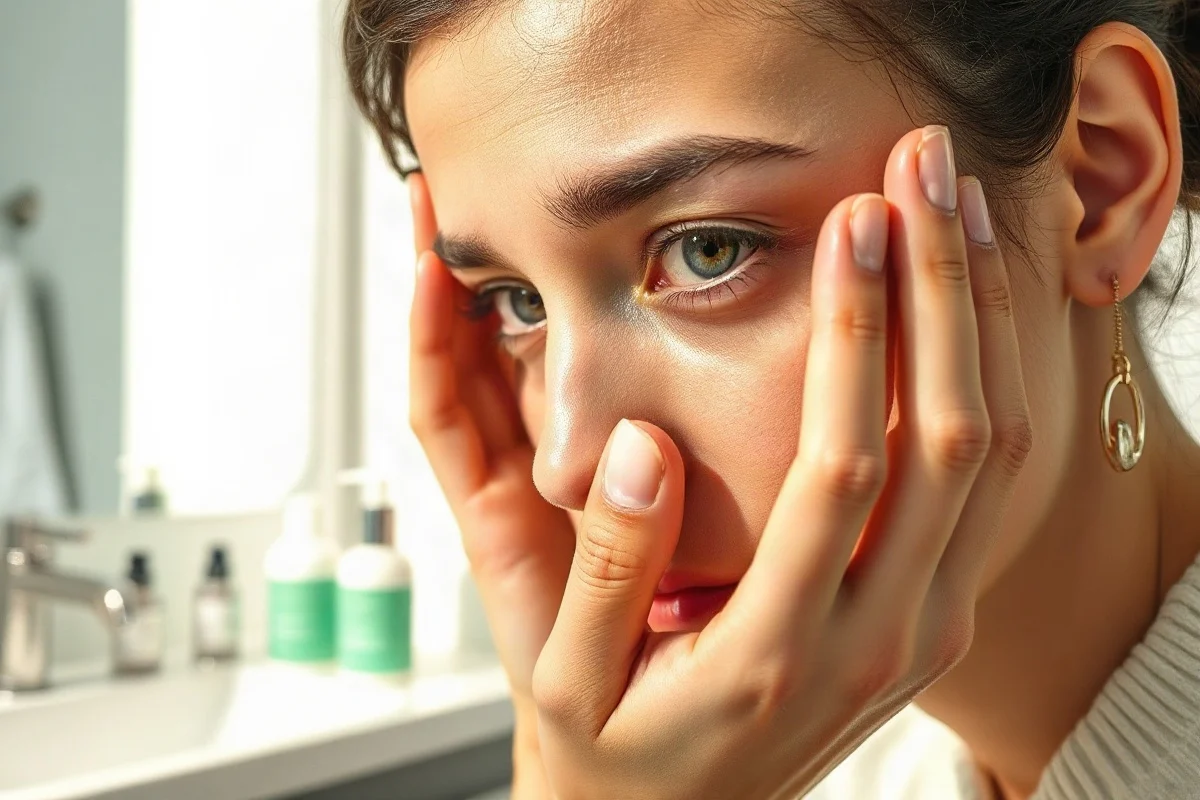
When your under-eye skin feels tight, avoid harsh cleansing, aggressive exfoliation, heavily fragranced products, and stacking multiple strong actives. A simpler routine with gentle cleansing and a well-tolerated moisturizer may help the area feel more comfortable, although tightness can have different causes and is not something skincare alone can diagnose.
The skin around the eyes is delicate, and discomfort can become more noticeable after cleansing, makeup removal, dry weather, or using products that are too irritating for the area. Tightness may also make fine lines look more visible temporarily because dehydrated skin can appear less smooth. That does not mean an eye cream can permanently change the skin or resolve every cause of under-eye discomfort.
Skip harsh cleansing and rubbing
One of the most common mistakes is treating the under-eye area like a surface that needs vigorous scrubbing. Rubbing with a washcloth, cotton pad, or makeup-removal wipe can increase the feeling of dryness and leave the skin looking temporarily flushed or creased.
Use a gentle cleanser or makeup remover that is suitable for your skin, and avoid dragging the skin back and forth. For eye makeup, hold a moistened cotton pad over the area for a few seconds if the product needs time to loosen. Then wipe lightly rather than repeatedly pressing or pulling.

Water temperature can matter, too. Very hot water may feel soothing in the moment, but it can leave already-dry skin feeling more uncomfortable. Lukewarm water is a more reasonable choice for cleansing, followed by gentle patting with a soft towel instead of rubbing.
Be cautious with fragrance and essential oils
Fragrance is not automatically a problem for everyone, but it can be an unnecessary source of irritation when the under-eye area already feels tight or sensitive. Essential oils and strongly scented botanical blends may also be difficult to tolerate around the eyes, particularly if the product migrates during the day.
When comparing products, look for a formula that feels simple and comfortable rather than choosing one based mainly on a pleasant scent. “Natural” does not necessarily mean non-irritating, and a product marketed for sensitive skin can still bother an individual user. Check the current ingredient list because formulas can change, and verify product directions from the manufacturer when specific details matter.
Do not exfoliate tight under-eye skin
Physical scrubs, exfoliating brushes, and frequent use of acid products are poor choices when the area already feels dry or tight. Exfoliation can make the surface feel temporarily smoother, but it is not a reliable solution for dehydration-related roughness and may increase discomfort if the skin barrier is already unsettled.
Be especially careful with products containing exfoliating acids or other resurfacing ingredients. The skin around the eyes may be more reactive than the cheeks, and products designed for the face are not necessarily intended for the eyelids or immediate eye area. Follow the label rather than assuming that a facial exfoliant is suitable near the eyes.
If you want to understand how common skincare ingredients may affect the eye area, our eye cream ingredient guide can help you review ingredient categories without treating any one ingredient as a guaranteed fix.
Pause strong actives when the skin is uncomfortable
Retinoids, vitamin C products, exfoliating acids, and other active ingredients can have a place in a carefully planned routine, but tightness is a reason to simplify rather than add more. Using several active products at once makes it harder to identify which product is causing the problem and can increase the chance of irritation.
Retinoids and retinol
Retinol and related retinoids may be used in some eye-area products, but they can cause dryness, peeling, or stinging for some people. If the skin feels tight, pause the product or reduce use according to its label until the area feels comfortable again. Avoid applying it too close to the lash line, and do not use a stronger facial product around the eyes unless the directions specifically allow it.
Vitamin C and exfoliating acids
Vitamin C formulas vary widely in their ingredients, texture, and acidity. Some people may find certain formulas uncomfortable around the eyes. Likewise, acids such as glycolic, lactic, or salicylic acid should not be treated as interchangeable or automatically appropriate for the under-eye area.
For any potentially irritating active, follow the product instructions, introduce it cautiously, and consider a patch test when appropriate. Stop using the product if you develop burning, significant redness, swelling, a rash, or worsening discomfort. Persistent or severe symptoms deserve professional medical guidance rather than more product experimentation.
Avoid layering too many products
When skin feels tight, adding a hydrating serum, eye cream, facial moisturizer, sleeping mask, and oil all at once may seem logical. In practice, a crowded routine can cause pilling, stinging, clogged-feeling skin, or uncertainty about what is helping.
Try a short routine first:
- Cleanse gently, especially when removing makeup.
- Apply a fragrance-free or otherwise well-tolerated moisturizer around the orbital area, avoiding direct contact with the eyes.
- Use sunscreen on the surrounding face and other exposed areas as directed, taking care to avoid getting it in the eyes.
A product with moisturizing ingredients such as glycerin, hyaluronic acid, ceramides, or emollient ingredients may improve the feel of dry skin for some users. Ingredient names and formulas differ, so focus on comfort and tolerance rather than expecting one ingredient to work for everyone.
You can also use the Under-Eye Routine Builder to organize product choices around concerns such as dryness, sensitivity, or fine lines.
Do not choose an eye cream only for its marketing claims
A product labeled “intensive,” “lifting,” “brightening,” or “anti-aging” is not necessarily the best match for tight-feeling skin. Marketing language can describe the intended cosmetic effect, but it does not guarantee that the formula will feel comfortable or produce a particular result.
Instead, assess the product more practically:
- Does the label explain where and how often to apply it?
- Does the texture feel comfortable without stinging or pulling?
- Is the formula compatible with the rest of your routine?
- Are you able to review the current ingredient list?
- Can you stop using it easily if irritation develops?
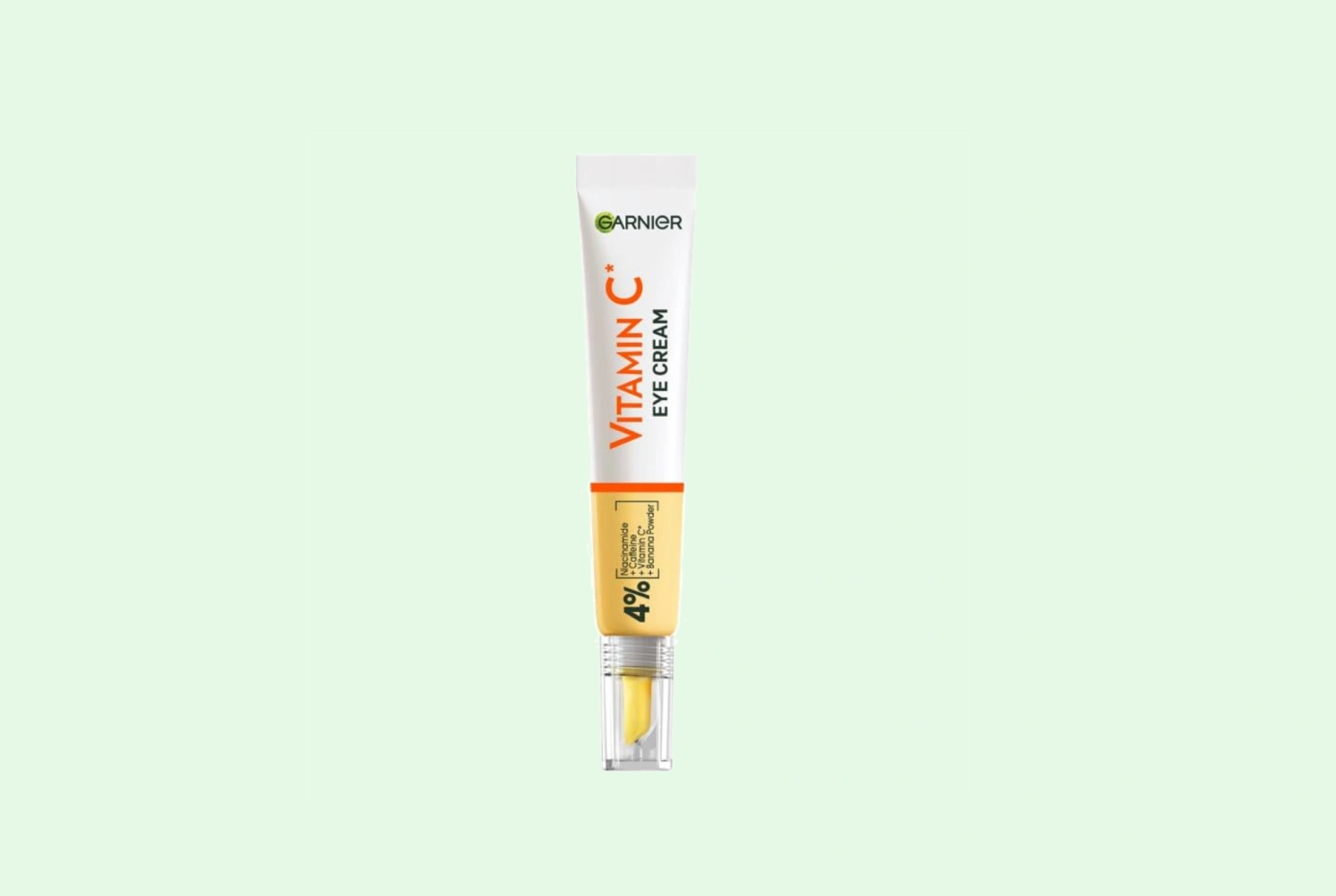
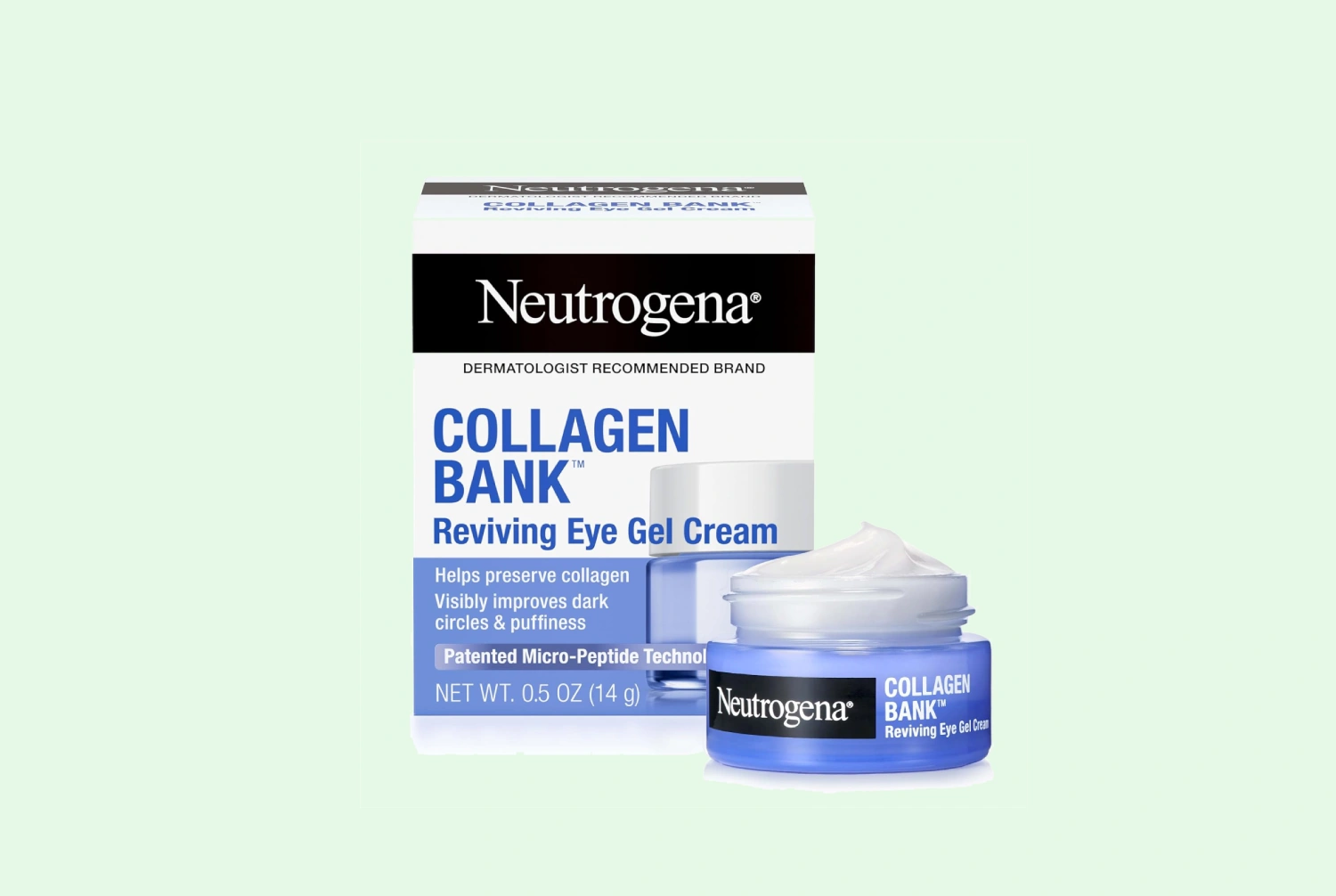
Packaging and formulas may change over time. Before buying or applying a product, check the current packaging and the manufacturer’s ingredient list, particularly if you have known sensitivities or are comparing an older review with a newer product listing.
Remember that tightness is not the same as dark circles
Tight-feeling skin and dark circles can appear together, but they are not the same concern. Dark circles may look more noticeable because of shadows, visible blood vessels, natural pigmentation, facial structure, or temporary dryness. A moisturizer may make the surface look smoother and more comfortable, but it cannot be expected to erase every type of discoloration or shadow.
Likewise, puffiness and fine lines may have different contributing factors. A richer moisturizer may reduce the look of dryness-related creasing for some people, while it may feel too heavy for others. If dark circles are your main concern, our guide to under-eye dark circles covers the cosmetic differences that can affect how the area looks.
Apply products without pulling the skin
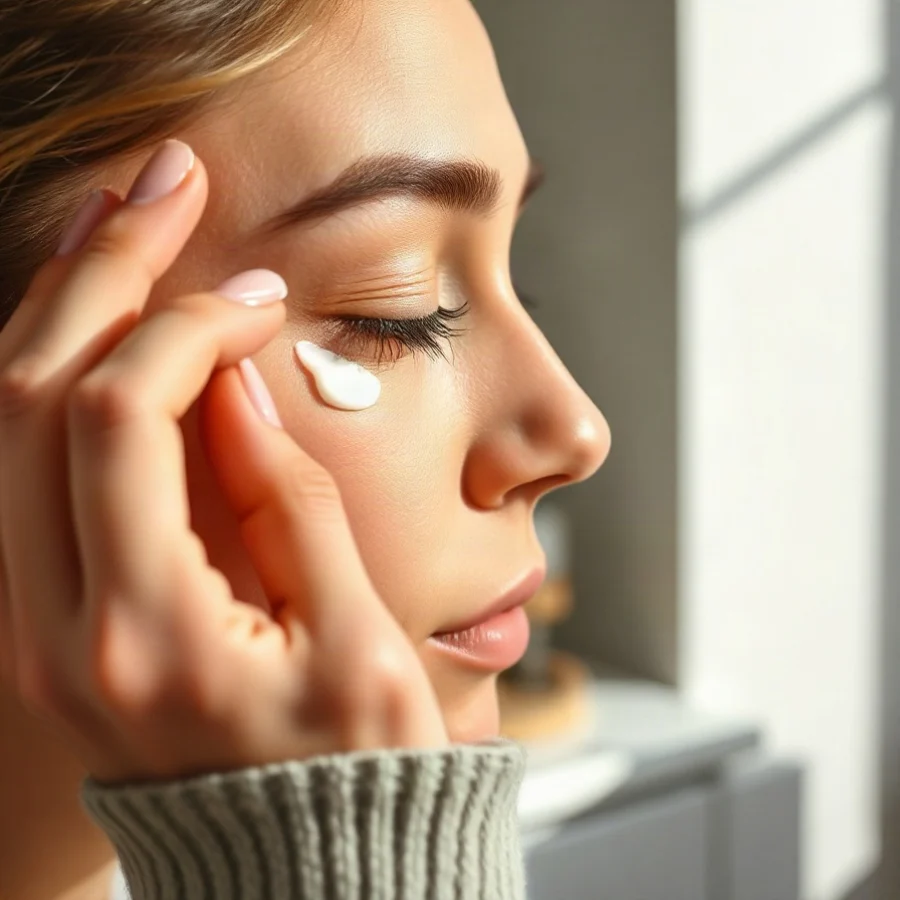
Use a small amount of product and spread it gently over the orbital bone rather than pressing cream directly into the eye or placing it along the lash line. The warmth of your fingertips can help distribute a moisturizer without forceful rubbing.
More product is not automatically more hydrating. Excess cream can migrate into the eyes, interfere with makeup, or create a heavy feeling. Start with the amount recommended on the label and add only if the product is comfortable and your skin appears to need more.
If makeup contributes to tightness, consider whether the cleanser, remover, primer, concealer, or powder is leaving the area dry. Change one product at a time so you can identify patterns instead of replacing your entire routine at once.
Know when to stop experimenting
Temporary dryness after a new product may improve when the product is discontinued, but ongoing or worsening symptoms should not be managed solely with cosmetic products. Seek medical advice for persistent swelling, intense itching, pain, significant redness, a rash, discharge, vision changes, or symptoms affecting the eye itself.
An eye cream is a cosmetic product, not a tool for diagnosing an eye or skin condition. If tightness continues despite a gentle routine, professional evaluation can help determine whether something other than ordinary dryness is involved.
A gentler approach is usually the better starting point
When the under-eye area feels tight, resist the urge to scrub, exfoliate, or layer several corrective products. Remove makeup carefully, simplify active ingredients, choose a comfortable moisturizer, and give the skin time to settle. Patch-test new products when appropriate, follow the label, and stop using anything that causes irritation.
The goal is not to force an immediate cosmetic transformation. It is to create a routine that supports comfort and a smoother-looking surface while keeping expectations realistic. For more product-selection guidance, browse our dry skin eye-care resources and compare current labels before making a purchase.

Comments
0No comments yet. Be the first to share a helpful note or question.
Leave a Comment
Your email address will not be published. Comments are reviewed before appearing on the site.