
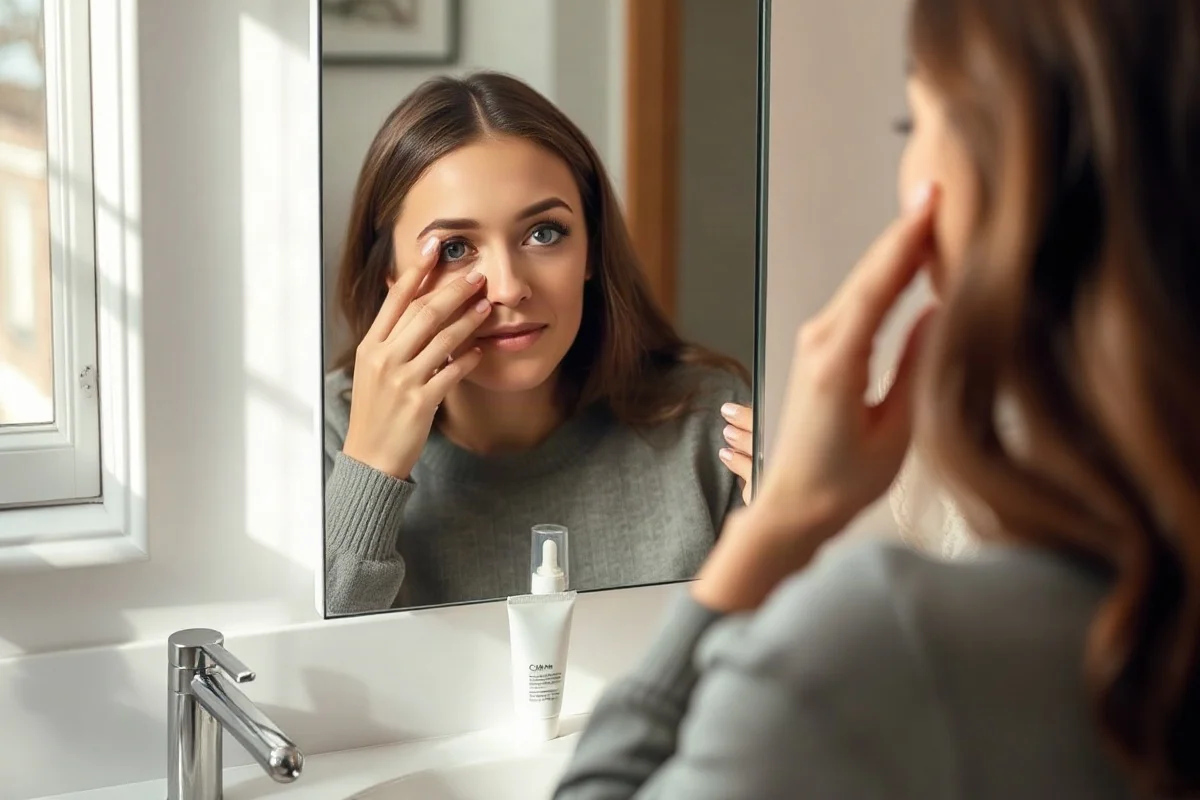
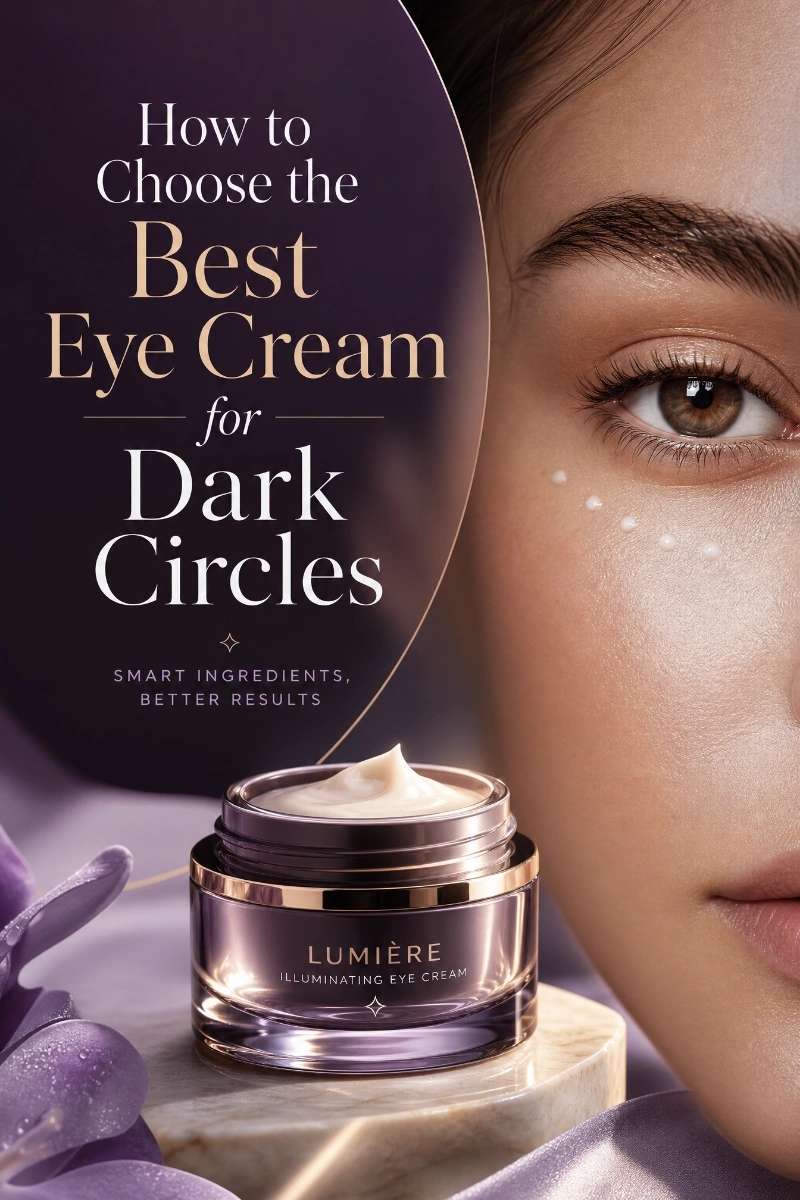
The best eye cream for dark circles depends on what makes the under-eye area look darker. Discoloration, visible blood vessels, hollowness, puffiness, dryness, and fine lines can all create a shadowy appearance, and one formula may not address every factor. Start by choosing a gentle product with a texture you will use consistently, then look for ingredients that support your specific cosmetic concern. An eye cream can improve hydration and the look of the skin, but it cannot guarantee that dark circles will disappear or identify an underlying medical cause.
Start by identifying the visible type of dark circle
“Dark circles” is a broad description rather than a single skin concern. Looking closely at the area in natural light can help you make a more useful product choice. You may see one pattern or a combination of several.
Brown or gray-looking discoloration
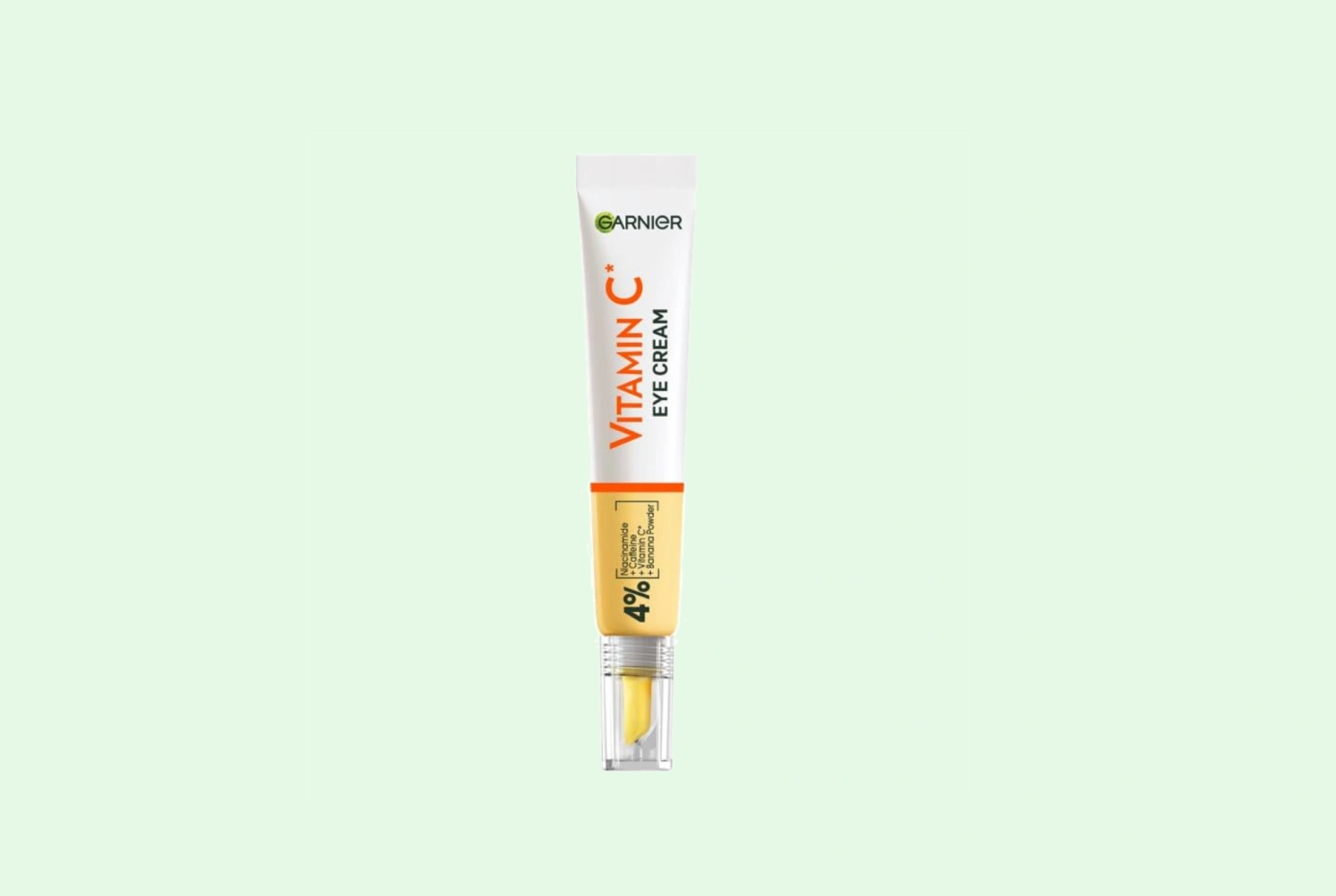
Brown, tan, or gray tones may be related to visible pigmentation, irritation, sun exposure, or the way your natural skin tone appears around the eyes. For this type of concern, consider formulas that support a more even-looking complexion and help maintain the skin barrier. Antioxidant ingredients, including vitamin C derivatives, may be included in some products, while niacinamide is another ingredient commonly used in skincare for the appearance of uneven tone.
Ingredient names and forms vary between products, so do not assume that every product described as “brightening” contains the same active. Check the current package and manufacturer ingredient list before buying. A cosmetic product may help the area look more radiant over time, but it should not be described as treating hyperpigmentation or permanently removing dark circles.
Blue, purple, or reddish tones
Thin under-eye skin can make blood vessels or underlying tones more visible. Caffeine is often used in eye products aimed at the look of tired, puffy eyes, although the experience and visible effect can vary by person and formula. Hydrating ingredients can also make the area look smoother, which may reduce the contrast that makes darkness stand out.
For more information about this ingredient category, see our guide to caffeine eye creams. Keep expectations realistic: a topical product cannot change the structure of the skin or permanently conceal visible vessels.
Hollowing and shadows
If the darkness changes noticeably when the lighting or angle changes, the appearance may be influenced by a natural hollow or facial contour. In this situation, an eye cream may moisturize the skin and soften the look of dryness, but it is unlikely to alter the underlying shape that creates the shadow. A richer texture, light-reflecting finish, or makeup technique may make the area look more rested, but these are appearance choices rather than treatments for a structural concern.
Puffiness and eye bags
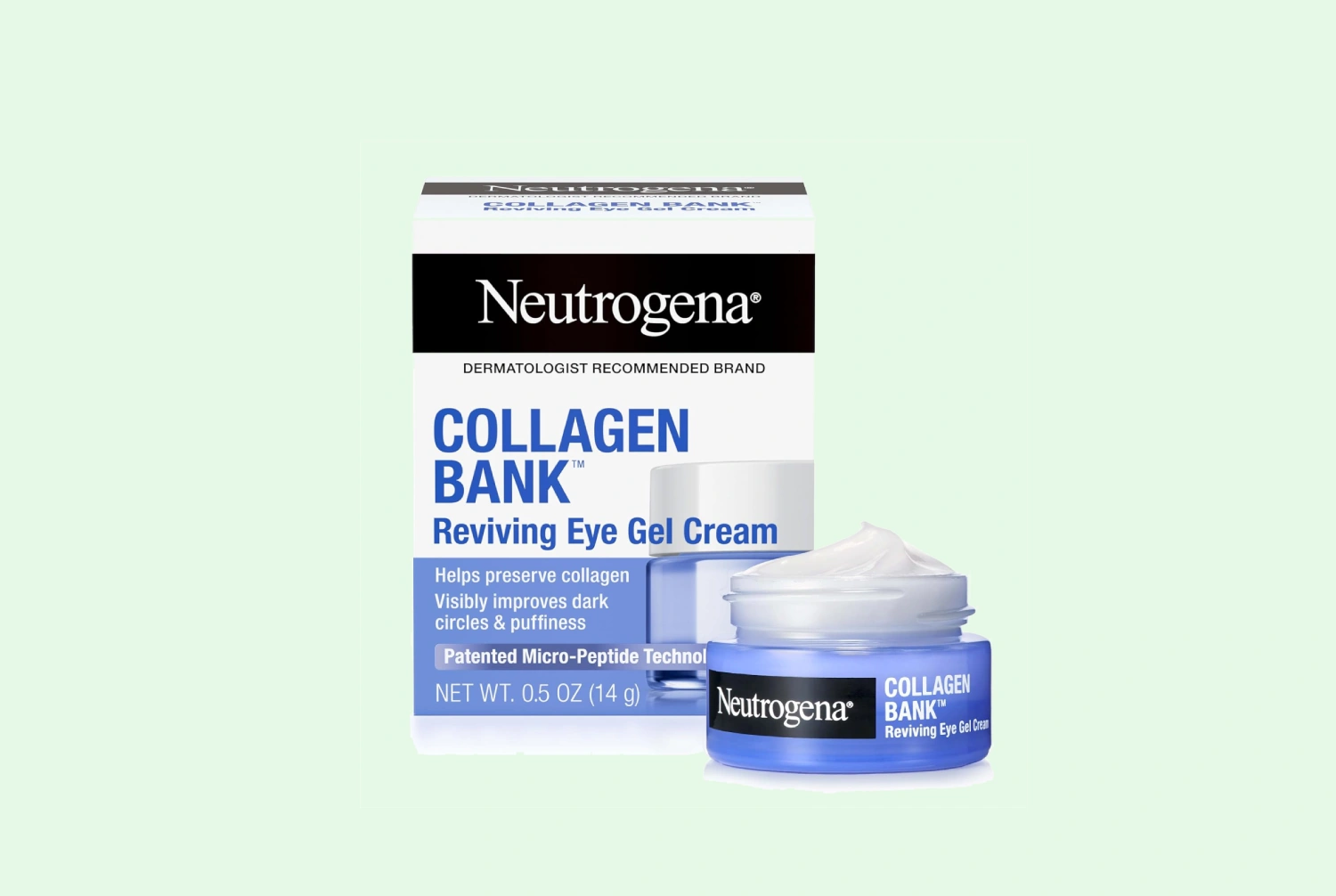
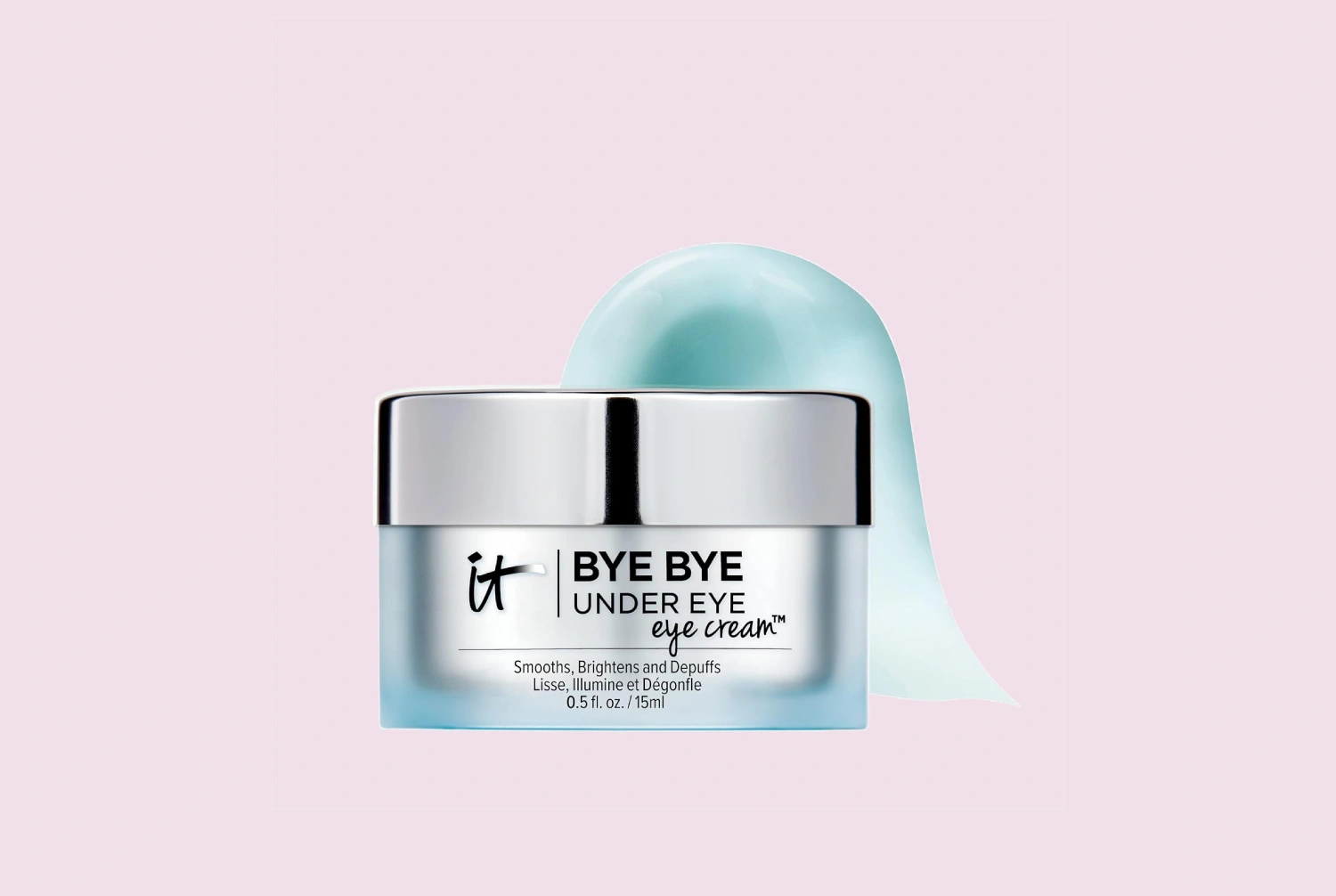
Swelling can cast a shadow beneath the eyes and make circles look more pronounced. A lightweight, cooling formula may feel comfortable, and some products include caffeine or soothing ingredients for the look of puffiness. However, persistent or one-sided swelling is not something to evaluate solely through skincare. If swelling is painful, sudden, persistent, associated with vision changes, or otherwise concerning, seek appropriate medical advice.
You can find more cosmetic guidance in our coverage of puffiness and eye bags.
Ingredients worth considering
Eye creams often combine several ingredient groups. The most useful choice is usually the one that fits your skin and routine, not the product with the longest ingredient list.
Humectants for dehydration
Humectants attract and hold water in the outer layers of skin. Common examples include glycerin, hyaluronic acid, and panthenol. They can temporarily make fine dehydration lines look less noticeable by improving surface hydration. This may also make the under-eye area appear smoother and less dull.
Humectants work within the overall formula, so a product containing one of these ingredients is not automatically better than every alternative. If your skin feels tight after cleansing or concealer settles into lines, hydration may be a more useful starting point than an aggressive brightening product.
Emollients and barrier-supporting ingredients
Emollients help soften the feel of dry skin, while occlusive ingredients reduce water loss from the surface. Ceramides, squalane, fatty alcohols, and certain plant oils may appear in formulas designed to support a comfortable, moisturized finish. These ingredients can be particularly helpful when the under-eye area is flaky or easily irritated.
Very rich products are not ideal for everyone. If you are prone to milia-like bumps or dislike a heavy finish, look for a lighter lotion or gel-cream and apply a small amount. The best texture is one that feels comfortable without migrating into the eyes.
Antioxidants and tone-supporting ingredients
Vitamin C, vitamin E, green tea, licorice-derived ingredients, and niacinamide may appear in products marketed for a brighter-looking eye area. Their forms, concentrations, stability, and supporting ingredients can differ substantially. Avoid judging a product by a single highlighted ingredient, and verify the current label because formulas can change.
Some brightening ingredients may be irritating, especially on thin or sensitive skin. Follow the product directions, introduce one new active at a time, and stop using it if you develop burning, persistent redness, swelling, or a rash.
Retinoids for the look of fine lines
Retinol and related ingredients are commonly included in products for the appearance of fine lines and uneven texture. By making the skin look smoother, they may indirectly reduce the emphasis on under-eye shadows. They are not a universal solution for dark circles, and the eye area can be especially sensitive to irritation.
If you choose a retinol eye product, follow its label carefully and avoid applying it too close to the eye itself. Start only as directed rather than assuming that more frequent use will produce better results. Consider our guide to retinol eye creams for additional routine considerations. People who are pregnant, nursing, managing a skin condition, or using prescription products should ask a qualified healthcare professional about ingredients that may not be appropriate for them.
Choose a texture that matches your skin and routine
Texture affects whether you use a product consistently and whether it works well with other skincare or makeup. A gel or light lotion may suit oily skin, morning use, or anyone who dislikes a noticeable residue. A cream or balm may feel more comfortable on dry skin, especially at night.
Do not assume that a lightweight product is automatically better for puffiness or that a thick product is automatically better for dryness. Look for a formula that spreads easily with minimal rubbing. The skin around the eyes is delicate, and tugging can cause discomfort and make the area look temporarily more flushed.
Fragrance is another consideration. Fragranced formulas are not necessarily unsuitable for everyone, but fragrance and essential oils can be irritating for some people. If your eyes water easily or your skin reacts to new products, a simpler, fragrance-free option may be a sensible place to start.
How to compare eye creams before buying
- Read the full ingredient list: Marketing terms such as “brightening,” “firming,” or “de-puffing” do not tell you exactly how a product is formulated.
- Match the formula to your main concern: Choose hydration for dryness, a gentle tone-supporting formula for visible discoloration, or a smoothing formula if fine lines are your primary cosmetic concern.
- Consider your tolerance: Sensitive skin may do better with fewer potentially irritating actives and no added fragrance.
- Check the current label: Brands can change formulas, packaging, directions, and ingredient lists. Verify details on the product packaging or the manufacturer’s current website.
- Think about packaging: An airtight pump, tube, or other protective container may be preferable for formulas with ingredients that can be affected by air or light, but packaging alone does not prove performance.
- Use realistic criteria: A product should feel comfortable, fit your budget and routine, and have directions you are willing to follow.
How to apply eye cream safely
Use the amount directed on the package. In general, a small amount is enough for both eyes. Gently tap the product around the orbital area rather than applying it directly to the eyelids, lash line, or inner corner unless the label specifically says it is appropriate there. Avoid getting the product in your eyes, and wash your hands before application.
When introducing a new active, consider a small patch test first and add only one new product at a time. A patch test cannot predict every reaction, but it can be a cautious step for people with sensitive skin. If the product causes stinging, burning, swelling, itching, or persistent redness, stop using it. Seek medical advice for severe or continuing symptoms.
In the morning, sunscreen and sunglasses can help limit the effects of everyday sun exposure on exposed skin. Sunscreen may not be comfortable directly next to the eyes for everyone, so use a product intended for that area and follow its directions. Avoid relying on an eye cream alone to protect the surrounding skin.
What an eye cream cannot do
Even a well-formulated product has limits. Eye cream cannot reliably change inherited facial anatomy, remove a natural hollow, or guarantee that visible pigmentation will disappear. Results can also be difficult to judge because sleep, allergies, rubbing, lighting, dehydration, and makeup influence how the area looks from day to day.
Be cautious with claims that promise instant, permanent, or complete removal of dark circles. Cosmetic products can support the appearance of healthier, smoother, or more hydrated skin, but they do not diagnose or treat medical conditions. If discoloration, swelling, itching, scaling, or irritation is new, worsening, persistent, or limited mainly to one side, a healthcare professional can help determine whether something other than cosmetic skincare needs attention.
Build a simple routine
A practical routine usually works better than collecting several eye creams. Cleanse gently, apply a suitable eye product as directed, moisturize if needed, and use daytime sun protection. Give a new routine time to become consistent, while remembering that visible changes vary and may be modest.
If you are unsure where to begin, our under-eye routine builder can help organize product choices around concerns such as dark circles, dryness, puffiness, and fine lines. The goal is not to find a miracle product. It is to choose a tolerable formula that fits the visible concern, use it correctly, and understand what topical skincare can realistically do.

Comments
0No comments yet. Be the first to share a helpful note or question.
Leave a Comment
Your email address will not be published. Comments are reviewed before appearing on the site.