

The best eye cream for fine lines is one you can use comfortably and consistently, with a formula that supports hydration and suits the delicate skin around your eyes. Look for moisturizing ingredients such as humectants, emollients, and occlusives, plus carefully chosen actives if your skin tolerates them. Packaging, fragrance, texture, and realistic expectations matter just as much as the ingredient list.
Fine lines around the eyes can become more noticeable when the skin is dry, when you make repeated facial expressions, or when the area is exposed to environmental stressors. An eye cream may temporarily improve the look of dryness and soften the appearance of lines by adding moisture and smoothing the skin’s surface. It cannot guarantee permanent removal, and it should not be treated as a medical solution for a skin condition.
Start with the formula, not the marketing claim
Words such as “lifting,” “smoothing,” or “age-defying” describe a product’s intended cosmetic positioning, not a guaranteed result. Before choosing a formula, consider what your under-eye area actually needs. If lines look more visible when the skin feels tight or flaky, a simple moisturizing formula may be the most practical place to start. If you want to explore an active ingredient, introduce it gradually and pay attention to how your skin responds.
Product labels and ingredient lists are more useful than broad claims. Because formulas can change, check the current package or the manufacturer’s ingredient list before buying, especially if you have allergies, very sensitive skin, or a known reaction to a particular ingredient.
Helpful ingredients for the appearance of fine lines
Humectants for a smoother-looking surface
Humectants attract and hold water near the skin’s surface. Common examples include glycerin, hyaluronic acid, and certain forms of glycols. By improving surface hydration, these ingredients can make dry-looking fine lines appear less pronounced for a time. They are often suitable for many skin types, although the complete formula matters more than any single ingredient.
A hydrating eye cream can be especially useful if concealer settles into lines or if the area looks crepey after cleansing. Hydration does not change the underlying structure of a wrinkle, but it can improve the way the skin looks and feels.
Emollients and occlusives for comfort
Emollients help soften the skin, while occlusives form a barrier that slows moisture loss. Ingredients in these categories may include plant oils, fatty alcohols, silicones, petrolatum, and other skin-conditioning materials. The right choice depends on your preferences and tolerance. A richer formula may feel comfortable on dry skin but too heavy for someone who dislikes a noticeable film.
If you are prone to milia or small bumps around the eyes, avoid assuming that a heavier product is automatically better. Pay attention to how your skin responds, use a small amount, and consider a lighter texture if the area becomes congested or uncomfortable.

Retinoid-related ingredients
Retinol and other retinoid-related ingredients are commonly included in products designed to improve the appearance of fine lines. They can be potentially irritating, particularly around the eyes, so a formula made for the eye area may be preferable to applying a stronger facial product close to the lash line. Follow the product label rather than assuming that a higher frequency or larger amount will work better.
Start slowly if the instructions allow, and avoid applying the product directly to the eyes or onto irritated, peeling, or damaged skin. Use sunscreen during the day, since sun exposure can contribute to visible skin aging and may make irritation more difficult to manage. Stop using the product if you experience significant burning, swelling, persistent redness, or other concerning symptoms.
For more ingredient-focused background, see our retinol eye cream guide. The goal is not to find the strongest product, but to find an option your skin can tolerate as directed.
Peptides and antioxidant ingredients
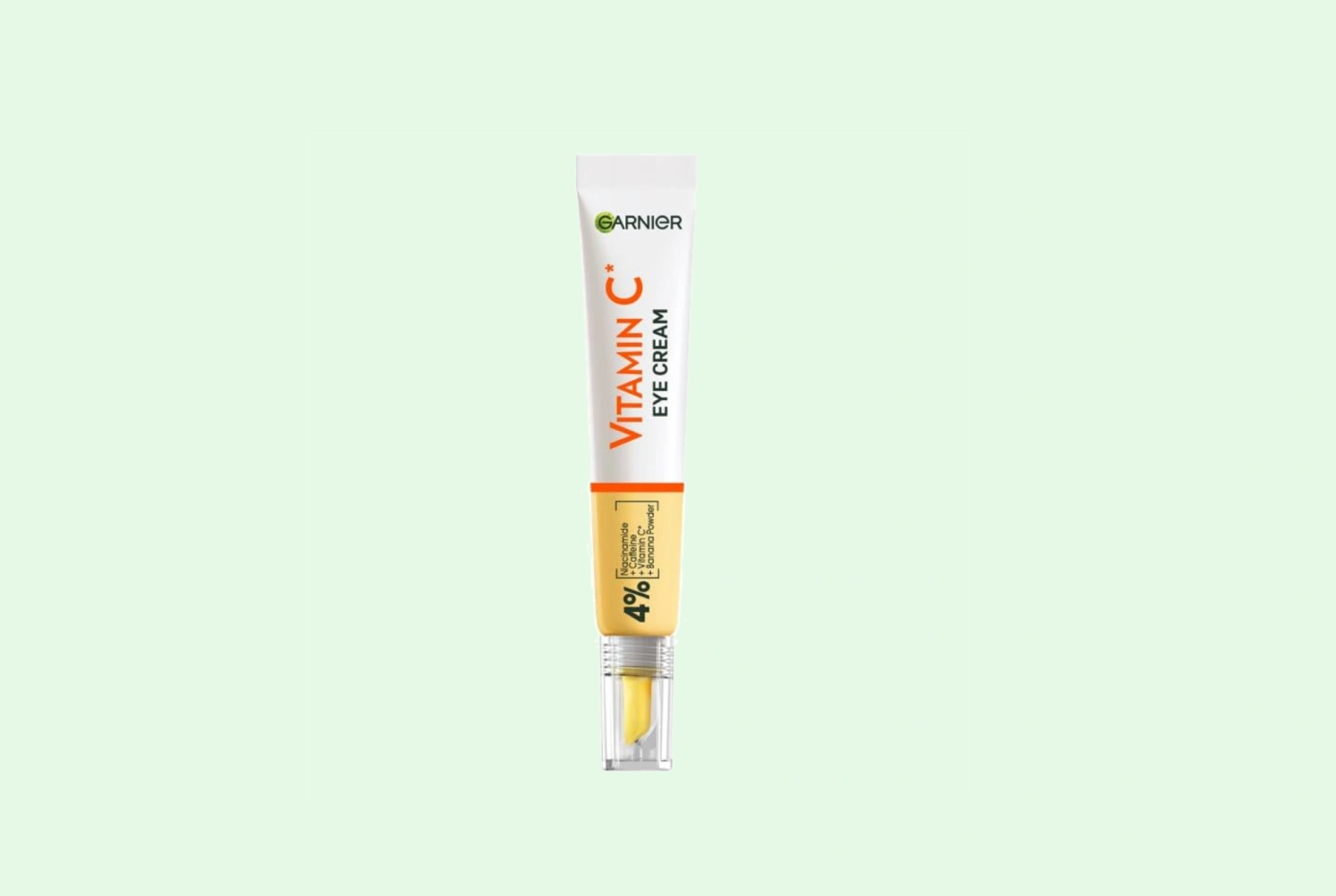
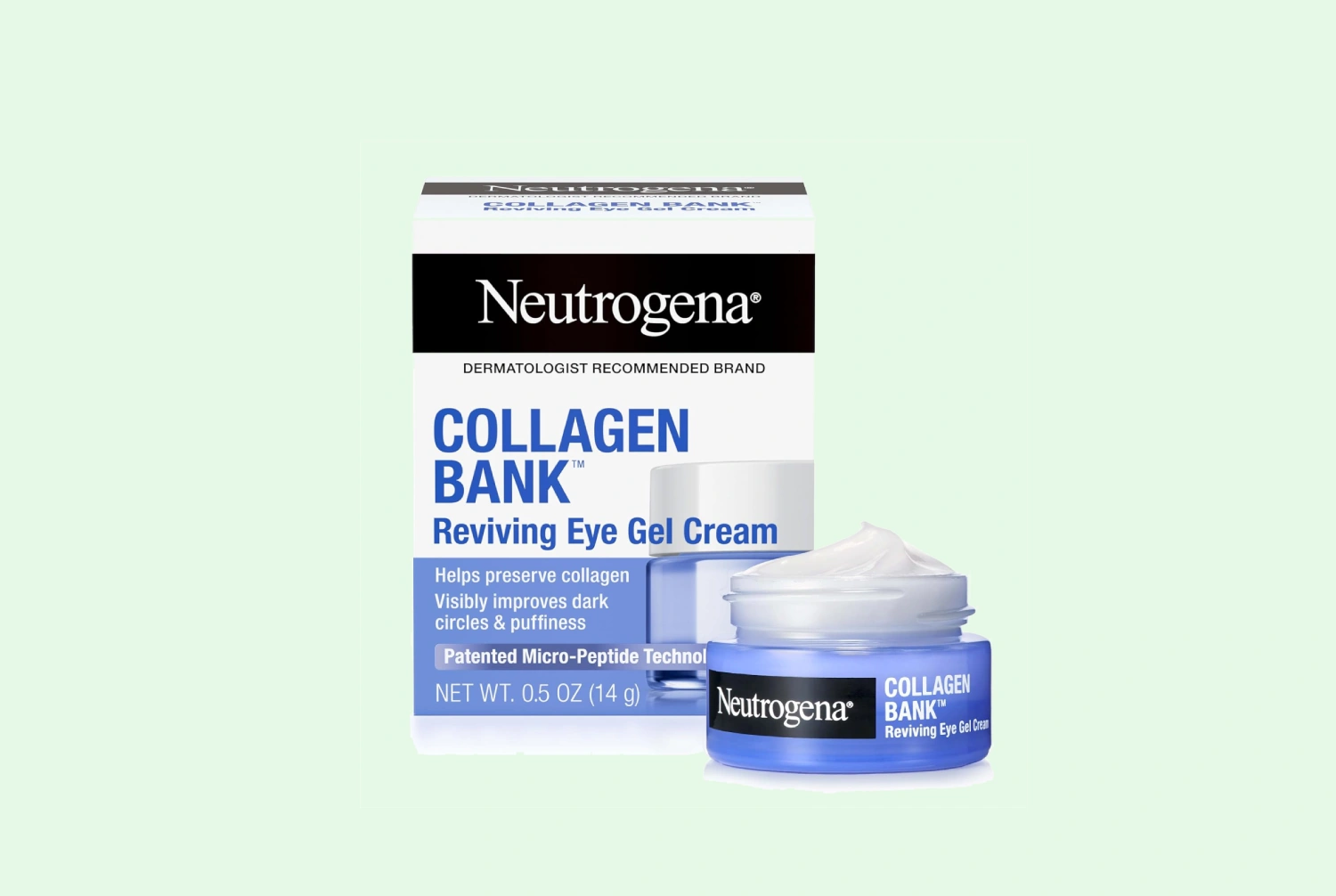
Peptides are used in many eye-care formulas intended to support a smoother-looking appearance. Antioxidant ingredients, including vitamin C derivatives, green tea extracts, or vitamin E, may also appear in eye creams. These ingredients can be appealing when you want a more active formula, but the product’s overall composition and your skin’s tolerance still matter.
Ingredient names alone do not tell you exactly how a product will perform. Without reliable, current formula information and appropriate evidence for a specific product, avoid treating an ingredient as a guarantee of visible change. You can review broader ingredient explanations in our eye cream ingredient guide.
Choose a texture that fits your skin and routine
Texture affects whether you will use an eye cream consistently and whether it works well with other products. Gels and lightweight lotions may suit oily or combination skin, especially during warmer weather or under makeup. Creams and balms may feel more comfortable on dry skin, particularly at night.
If you wear concealer, look for a formula that absorbs or settles without leaving excessive slip. Too much product can cause makeup to move, pill, or gather in fine lines. This does not necessarily mean the eye cream is ineffective; it may simply be a mismatch between the texture, the amount applied, and the rest of your routine.
Fragrance is another consideration. Fragranced products are not automatically unsuitable, but the eye area can be sensitive to fragrance and aromatic ingredients. If your eyes water easily or your skin reacts to scented products, a fragrance-free option may be a more comfortable starting point.
Pay attention to packaging and application
Packaging can affect both hygiene and ease of use. A tube or pump may limit repeated contact with the formula, while a jar requires you to touch the product each time. Neither format guarantees better results, but clean hands and careful storage are sensible habits.
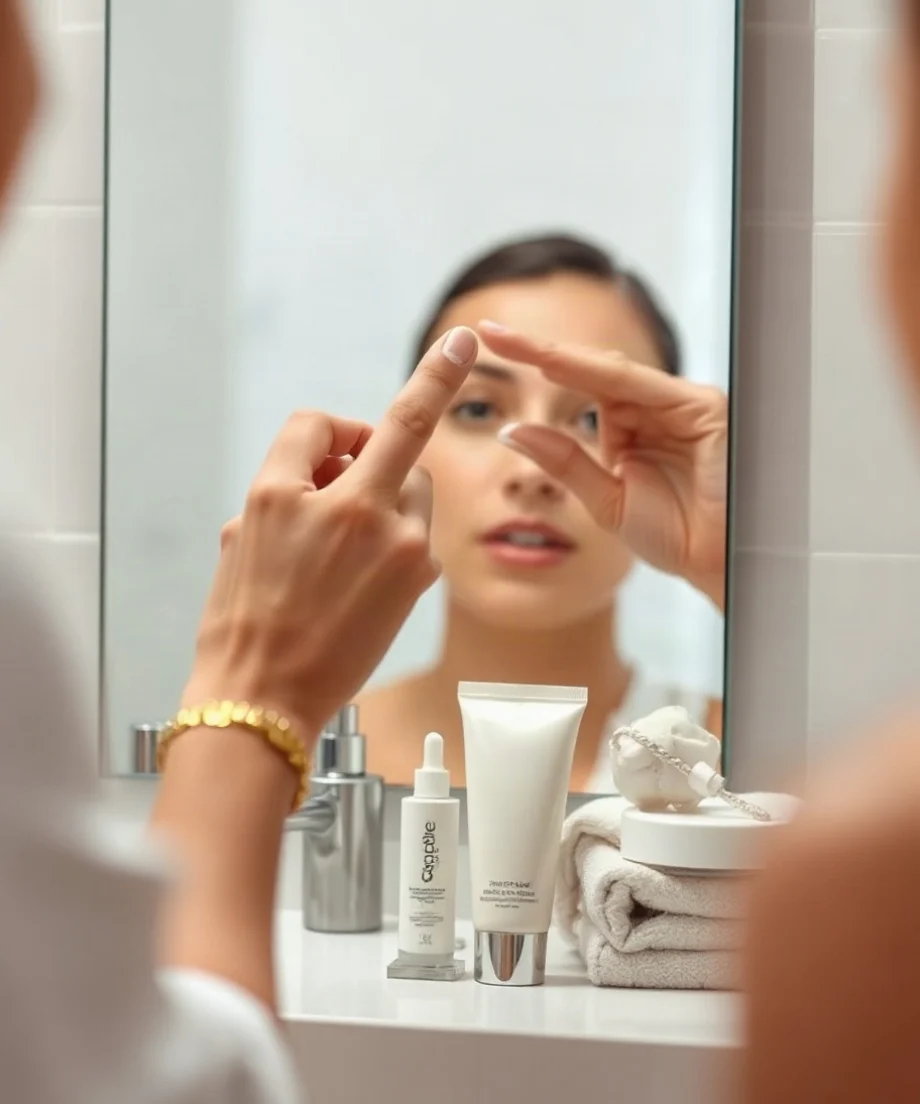
Apply a small amount to the orbital area, following the product’s instructions. You generally do not need to coat the entire under-eye area heavily. Use your ring finger or another gentle method that does not tug at the skin, and keep the product away from the eye itself unless the label specifically says otherwise.
When adding a new active product, consider a patch test as directed by the manufacturer. Introduce one new product at a time so it is easier to identify the source of a reaction. If irritation develops, stop using the product until the skin settles. Persistent irritation, swelling, pain, vision changes, or other eye symptoms deserve medical attention rather than continued experimentation with cosmetics.
Think about sun protection separately
An eye cream does not replace daytime sun protection. Sunglasses, shade, and a broad-spectrum sunscreen used according to its directions can be part of a routine aimed at limiting visible environmental effects on exposed skin. Take care to avoid getting sunscreen in the eyes, and choose a product that you can apply comfortably around the orbital area.
Some eye creams include sunscreen, while others do not. Check the current label for the product’s specific directions and protection information. If an eye cream has no sun-protection claim, do not assume it provides one.
Set realistic expectations for fine lines
The appearance of fine lines can vary from day to day. Dehydration, sleep disruption, facial expressions, makeup, and lighting may all affect how noticeable the area looks. A moisturizer may make dry lines look softer relatively quickly, while any longer-term cosmetic change from an active ingredient may require consistent use and patience.
Results also vary because fine lines have different contributing factors. A product that feels excellent and improves dryness may not produce the same visible effect as a more active formula. Conversely, a stronger formula is not necessarily a better choice if it causes irritation or makes the skin look dry and inflamed.
Do not judge an eye cream only by dramatic before-and-after photos or broad promises. Lighting, facial expression, camera distance, and editing can change the appearance of fine lines. Focus on comfort, consistency, and whether the product helps your skin look more hydrated and even under ordinary conditions.
Match the eye cream to your main concern
Fine lines may not be your only under-eye concern. If puffiness is more noticeable than dryness, a lightweight formula and practical routine may be more relevant than a rich anti-aging cream. If dark circles are your main concern, remember that their appearance can have different visual contributors, including shadowing, pigmentation, and the natural structure of the area. An eye cream may improve hydration or brightness in appearance without eliminating the underlying cause.
You can use the site’s under-eye routine builder to organize product choices around your skin type and concerns. If you have sensitive skin, simplify the routine and introduce active ingredients cautiously rather than layering several new products at once.
A practical checklist before you buy
- Identify your priority: Decide whether you mainly want hydration, a smoother makeup finish, a lighter texture, or an active ingredient.
- Check the full ingredient list: Look for ingredients you know your skin tolerates and review the current manufacturer information.
- Choose a usable texture: Select a finish that works with your climate, skin type, and makeup routine.
- Consider fragrance: If your eye area is reactive, a fragrance-free formula may be worth considering.
- Read the directions: Follow the label for placement, frequency, storage, and precautions.
- Introduce changes gradually: Avoid starting multiple active products at the same time.
- Keep expectations realistic: Look for a more hydrated, comfortable, and smoother-looking appearance rather than permanent erasure of lines.
The most sensible eye cream for fine lines is usually the one that meets your skin’s needs without creating new irritation. A comfortable moisturizer can support a smoother-looking surface, while carefully introduced active ingredients may suit people who want a more targeted cosmetic routine. Whatever you choose, verify the current label, apply it gently, and treat persistent or unusual eye symptoms as a reason to seek professional medical advice rather than relying on skincare.

Comments
0No comments yet. Be the first to share a helpful note or question.
Leave a Comment
Your email address will not be published. Comments are reviewed before appearing on the site.