
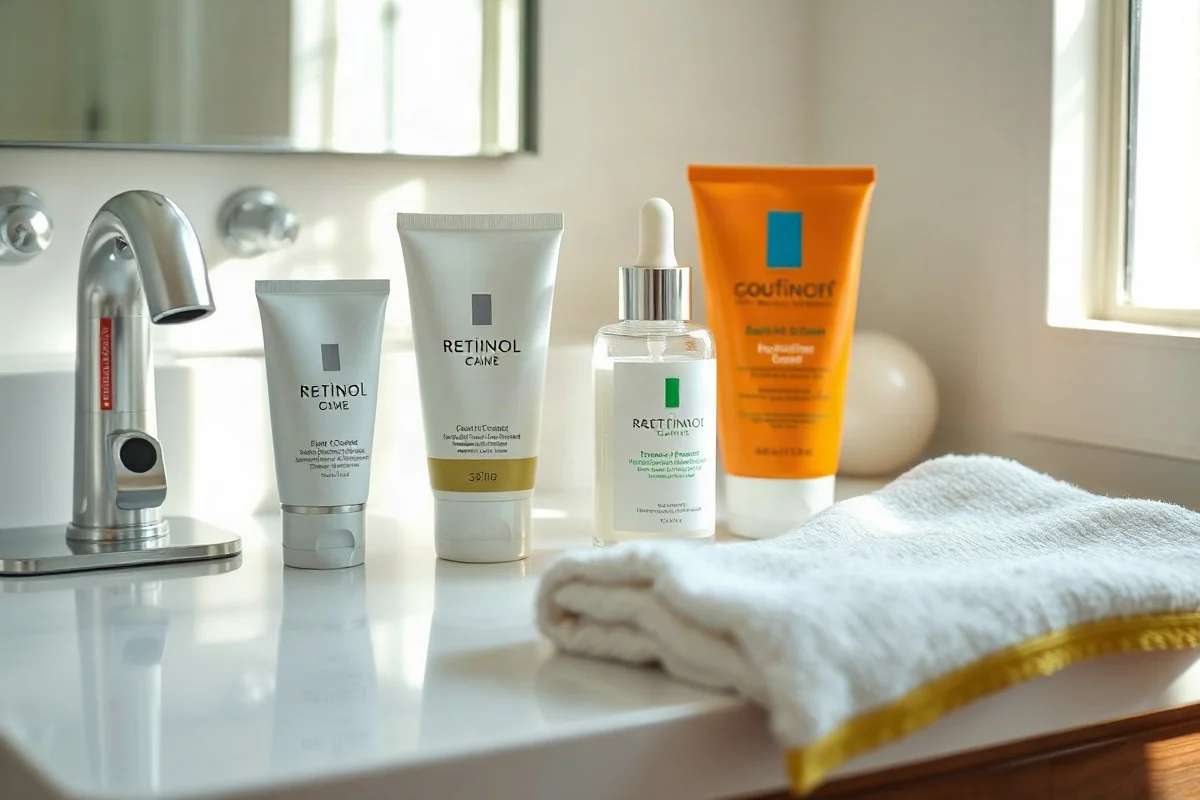
Pair retinol with gentle hydration, a supportive moisturizer, and daily sunscreen—not more aggressive actives. Around the eyes, this simple approach can help reduce the feeling of dryness and tightness that some people notice when starting a retinol product. Use retinol slowly, follow the product label, and treat irritation as a signal to pause rather than something to push through.
Retinol is a vitamin A derivative commonly used in cosmetic skincare to improve the appearance of uneven texture and fine lines over time. It can also be challenging for the thin, delicate skin around the eyes. The best companion products are usually uncomplicated: a fragrance-free moisturizer, humectants such as glycerin or hyaluronic acid, and soothing or barrier-supportive ingredients such as ceramides, squalane, or panthenol. The goal is comfort and consistency, not the largest possible number of active ingredients.
Why retinol can feel uncomfortable around the eyes
Retinol may cause temporary dryness, flaking, stinging, redness, or increased sensitivity, especially when a person starts using it, applies too much, or combines it with other potentially irritating products. The eye area has less surface area and can be more reactive than other parts of the face, so a formula that feels manageable on the cheeks may feel too strong near the eyes.
Discomfort can also come from application technique. Applying a product too close to the lash line, using it on damp skin, layering several active treatments, or applying it more often than directed may increase the chance of irritation. Products can migrate after application, so staying within the placement instructions on the label matters.
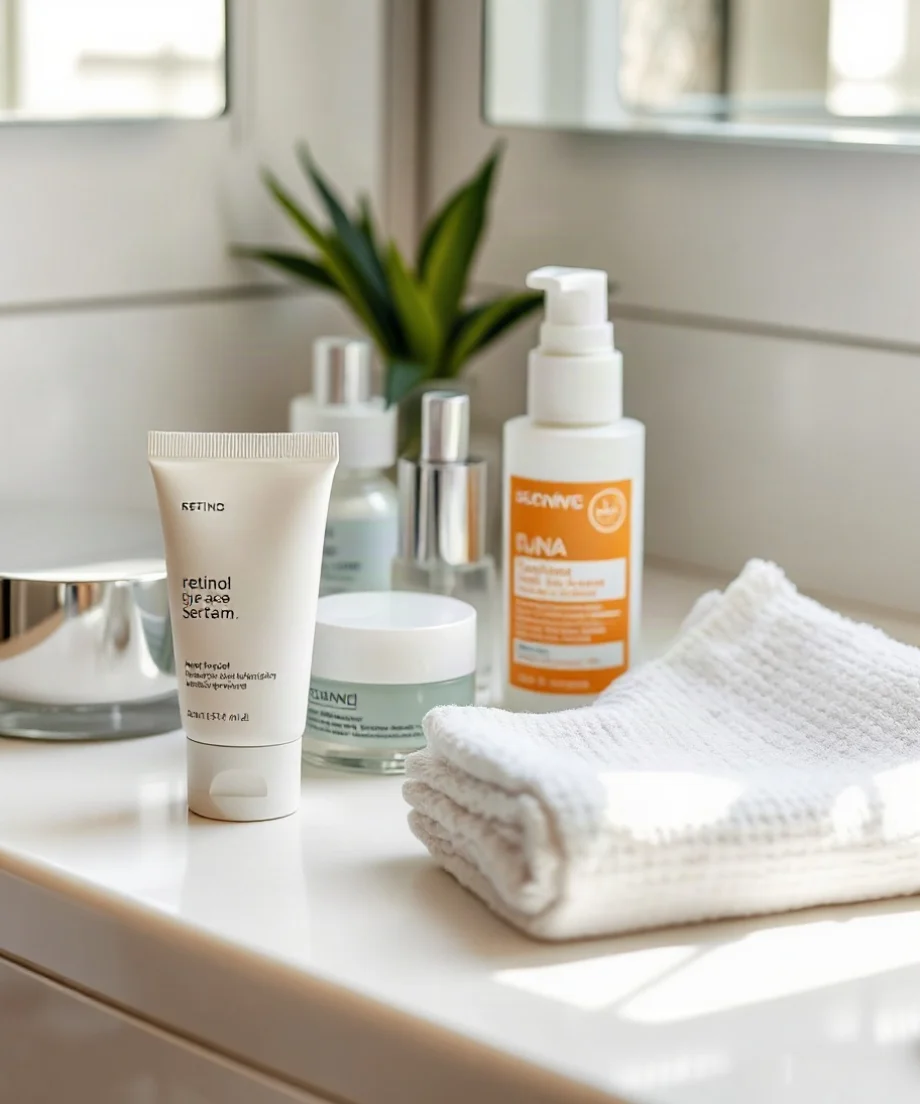
Retinol eye cream is a cosmetic skincare product, not a diagnosis or treatment for a medical condition. Dark circles may have several visible contributors, including natural pigmentation, shadows from facial structure, thin-looking skin, or temporary changes related to fatigue and allergies. A retinol product may be relevant to the appearance of fine lines or texture, but it should not be expected to remove every type of dark circle or puffiness.
The most useful ingredients to pair with retinol
Humectants for lightweight hydration
Humectants attract and hold water at the skin’s surface. Glycerin, hyaluronic acid, and beta-glucan are common examples. A gentle hydrating serum or eye product can make skin feel less tight, although hydration alone does not guarantee that retinol will be irritation-free.
If you layer a hydrating product with retinol, choose a formula that is simple and comfortable rather than one that adds multiple exfoliating or brightening actives. Check the current ingredient list because formulas can change, and avoid assuming that a product is gentle based only on its marketing language.
Moisturizers that support the skin barrier
A moisturizer can reduce the dry, rough feeling that sometimes accompanies retinol use. Ceramides, fatty acids, cholesterol, squalane, and dimethicone are examples of ingredients found in products designed to support or reduce moisture loss from the skin barrier. You do not need every one of these ingredients in a single product. Texture and tolerance are often more important than a long ingredient list.
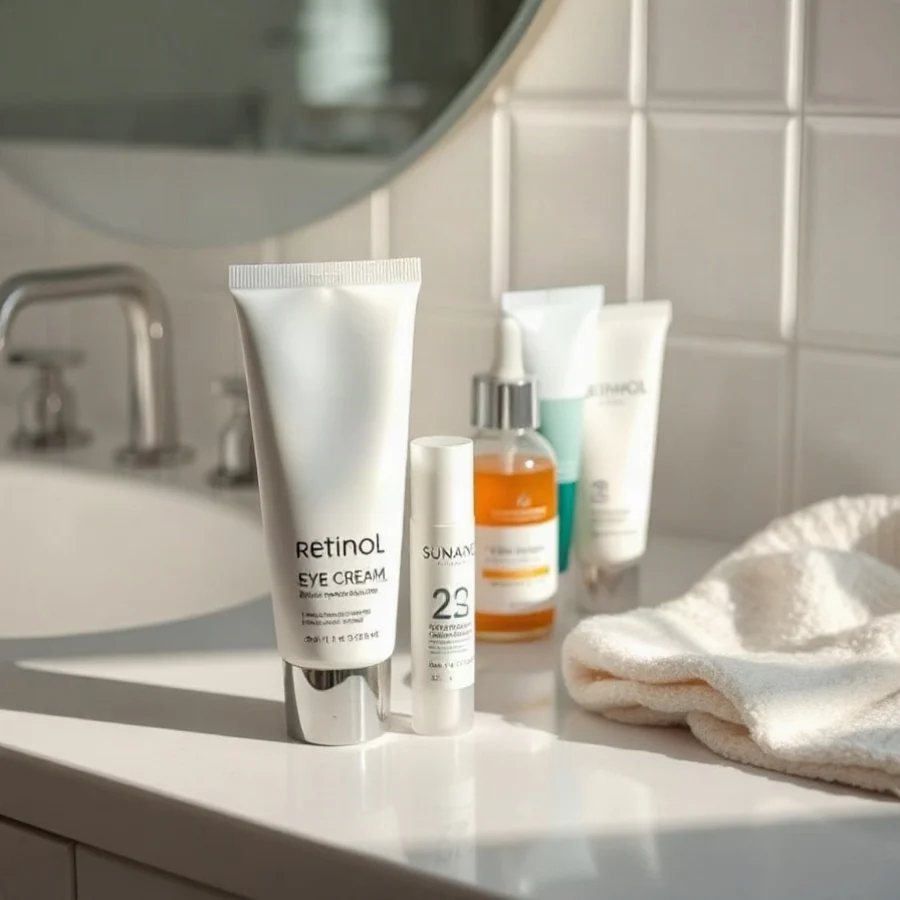
For the eye area, look for a moisturizer that does not sting and that can be applied without tugging. A cream may suit dry skin better, while a lighter lotion or gel-cream may feel more comfortable for people who dislike richer textures. If you are prone to milia or small bumps around the eyes, choose a texture you tolerate well and avoid applying more than needed.
Soothing ingredients
Ingredients such as panthenol, allantoin, colloidal oatmeal, and centella-derived ingredients are often included in soothing skincare formulas. They may help a product feel more comfortable, but no ingredient can guarantee that irritation will not occur. Even a product labeled soothing may contain fragrance, essential oils, or other components that do not suit every person.
For more ingredient background, see the site’s eye cream ingredient guide. When comparing products, focus on the full formula and your own response rather than treating one ingredient as a guarantee of performance.
How to combine retinol with moisturizer
There are several reasonable ways to combine retinol with moisturizer. The simplest is to apply moisturizer after retinol, following the product’s directions. This places a comfort-focused step over the retinol product and may help reduce the sensation of dryness.
Another option is to use a moisturizer before retinol. This can create a buffer for people who are especially sensitive, although it may also change how the retinol product feels or spreads. A third approach, sometimes called sandwiching, is to apply a thin layer of moisturizer, use retinol as directed, and then apply another small amount of moisturizer. There is no need to use thick layers or rub repeatedly.
Follow the label first, especially if the manufacturer gives specific placement or sequencing instructions. If a routine causes persistent burning, pronounced redness, swelling, cracking, or worsening discomfort, stop using the irritating product and simplify your routine. Seek professional medical advice for severe or persistent symptoms, eye pain, vision changes, or symptoms that do not improve after stopping the product.
What not to pair with retinol on the same night
More active ingredients do not necessarily mean better cosmetic results. Using retinol at the same time as exfoliating acids, strong acne treatments, or other retinoid products can increase the chance of irritation. Potentially irritating ingredients include alpha hydroxy acids, beta hydroxy acids, and products containing strong forms of exfoliating or peeling agents. The risk depends on the specific products, concentration, placement, and individual sensitivity, so read each label carefully.
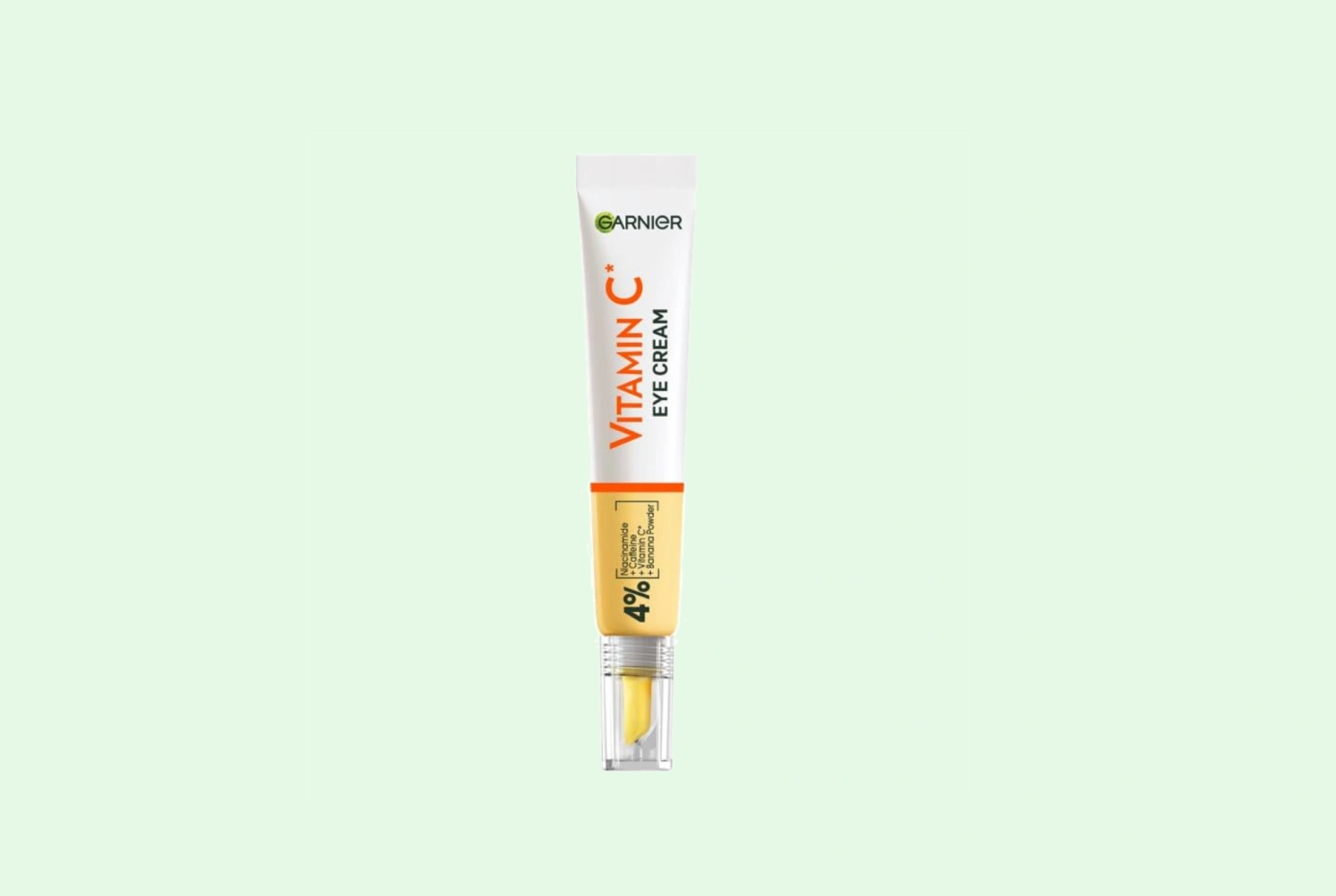
Some people also prefer not to use vitamin C products in the same routine as retinol, particularly if either product causes stinging. Vitamin C formulas vary considerably, and “vitamin C” may refer to different ingredients with different stability and tolerability profiles. Using vitamin C in the morning and retinol at night can be a simpler way to separate potentially active steps, but it is not a requirement for everyone.
Fragrance and essential oils are not automatically problematic for every user, but they can be less comfortable for sensitive skin, especially near the eyes. If your eyes water easily or your eyelids react to products, consider choosing fragrance-free formulas and keeping the routine as short as possible.
Where sunscreen fits into a retinol routine
Daily broad-spectrum sunscreen is an important daytime step when using retinol. Retinol can make some people more sensitive to sunlight, and sun exposure can contribute to visible changes in pigmentation, texture, and fine lines. Apply sunscreen according to its label and use other sun-protective habits, such as sunglasses and shade, when practical.
Sunscreen should not be applied so close to the eye that it causes stinging or runs into the eyes. A product intended for the face or eye area may be more comfortable, but always check the current packaging for directions and warnings. Reapply as directed, particularly after sweating, swimming, or wiping the face.
A gentle retinol eye cream routine
On retinol nights
- Cleanse gently, then pat the skin dry without rubbing.
- Wait until the skin is comfortable and dry if the product label recommends applying retinol to dry skin.
- Apply the amount directed on the label. More product is not automatically more effective.
- Keep the product away from the eye itself, inner corners, and irritated or broken skin unless the packaging specifically instructs otherwise.
- Follow with a gentle moisturizer if needed.
Start with the frequency recommended by the product instructions. If you are new to retinol or have sensitive skin, a cautious schedule with rest nights may be easier to tolerate than nightly use. Do not increase frequency simply because you have not noticed an immediate change. Cosmetic improvements in fine lines or texture, when they occur, generally require consistent use over time, and individual responses vary.
On non-retinol nights
Use a gentle cleanser and moisturizer, and consider skipping exfoliating products if your skin is feeling dry or reactive. Non-retinol nights do not need to be filled with other treatments. They can give you an opportunity to focus on comfort and assess whether your routine is helping or irritating the skin.
In the morning
Use a gentle moisturizer if needed, followed by sunscreen. If you use a separate antioxidant or brightening product, introduce it independently so you can identify which product is responsible if stinging or redness develops. The same principle applies to any new eye cream: add one change at a time when possible.
How to choose companion products for your skin type
Dry skin may prefer a richer, fragrance-free cream containing humectants and barrier-supportive ingredients. Oily or combination skin may favor a lighter lotion or gel-cream, but lightweight does not have to mean harsh or alcohol-heavy. Sensitive skin often benefits from fewer products, minimal fragrance, and a slower introduction schedule. You can explore the site’s sensitive skin guide for additional routine considerations.
If puffiness is your primary concern, retinol may not be the most relevant companion to every routine. Temporary morning puffiness, shadows, and structural contours can have different visible causes, and a retinol product should not be expected to address all of them. For product-selection ideas, review the guidance in the puffiness and eye bags section.
When to pause and reassess
Pause retinol if you develop significant burning, persistent redness, swelling, painful cracking, or worsening irritation. Simplify to gentle cleansing, moisturizer, and daytime sun protection until the skin feels comfortable again. If symptoms are severe, recurrent, or involve the eye itself, contact a qualified healthcare professional rather than trying to manage the problem by adding more skincare.
People who are pregnant, trying to become pregnant, or nursing should ask a qualified healthcare professional whether a retinoid-containing product is appropriate for them. Product labels and medical guidance take priority over general skincare advice.
The practical takeaway
The most reliable pairing for a comfortable retinol routine is usually retinol plus restraint: gentle hydration, a moisturizer that supports comfort, and consistent daytime sunscreen. Separate potentially irritating actives, introduce changes gradually, and use only the amount and frequency directed. Before buying or comparing a product, verify the current packaging and manufacturer ingredient list because formulas may change. A calmer routine may be less exciting, but it is often easier to maintain—and consistency is more useful than repeatedly restarting after irritation.

Comments
0No comments yet. Be the first to share a helpful note or question.
Leave a Comment
Your email address will not be published. Comments are reviewed before appearing on the site.