
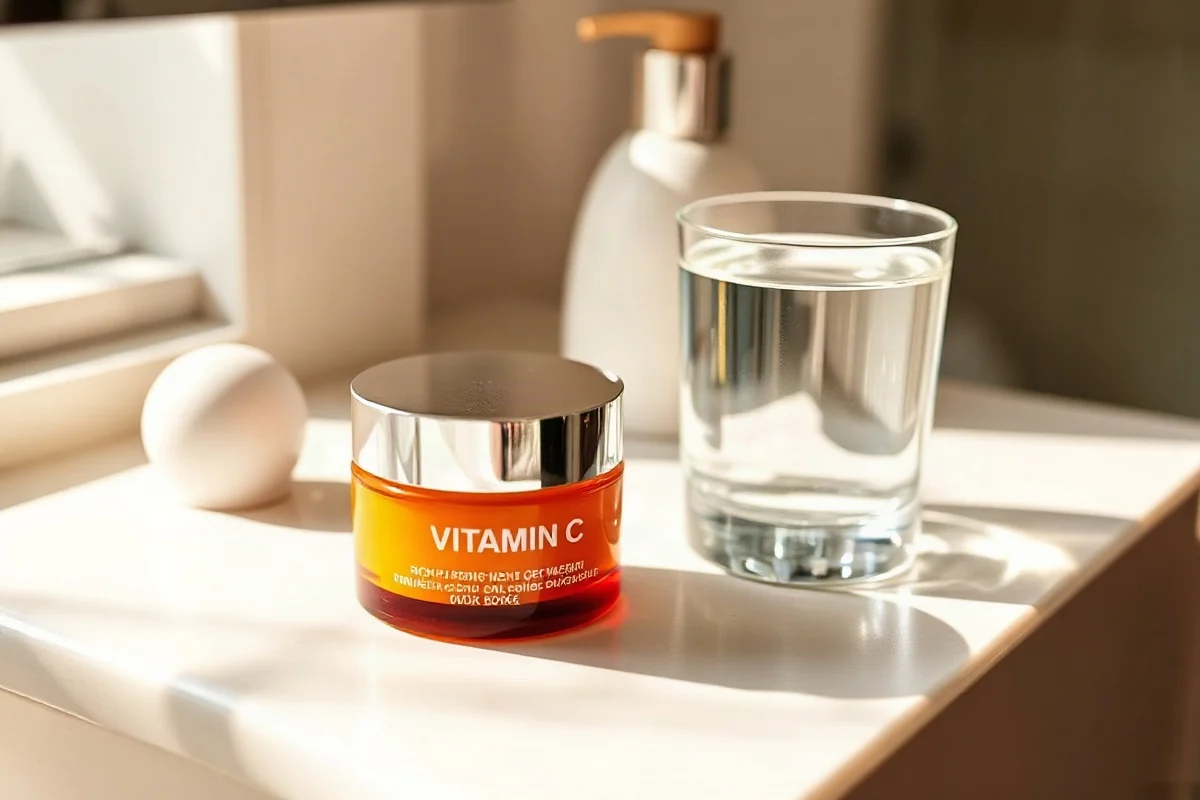
For dry under-eye skin, pair vitamin C with gentle hydrators and barrier-supporting ingredients such as glycerin, hyaluronic acid, squalane, ceramides, and a simple moisturizer. The goal is to help the skin feel more comfortable and look smoother without adding too many potentially irritating actives to a delicate area. Apply vitamin C according to the product directions, follow with hydrating layers, and use sunscreen on the surrounding face during the day.
Vitamin C may be appealing in an eye-care routine because it can support a brighter-looking complexion and help the skin appear more even. However, dry skin often becomes more noticeable when the barrier is stressed. Tightness, flaking, and fine lines can make the under-eye area look less smooth, even when the underlying concern is not caused by dehydration alone. A balanced routine should therefore focus on comfort and moisture before adding more active ingredients.
Why vitamin C can feel challenging around the eyes
The skin around the eyes is thin and especially prone to dryness and sensitivity. Vitamin C products also vary widely in their form, strength, acidity, texture, and supporting ingredients. Some formulas may feel comfortable, while others can cause stinging or dryness, particularly when used too close to the lash line or combined with several other active products.
Not every product labeled with vitamin C is designed for the same area. A facial serum may be too strong, too fluid, or too fragranced for the eye area, while an eye product may use a different vitamin C derivative or a more cushioning base. Read the directions carefully, and do not assume that a product intended for the face should automatically be used on the eyelids or directly beneath the eyes.
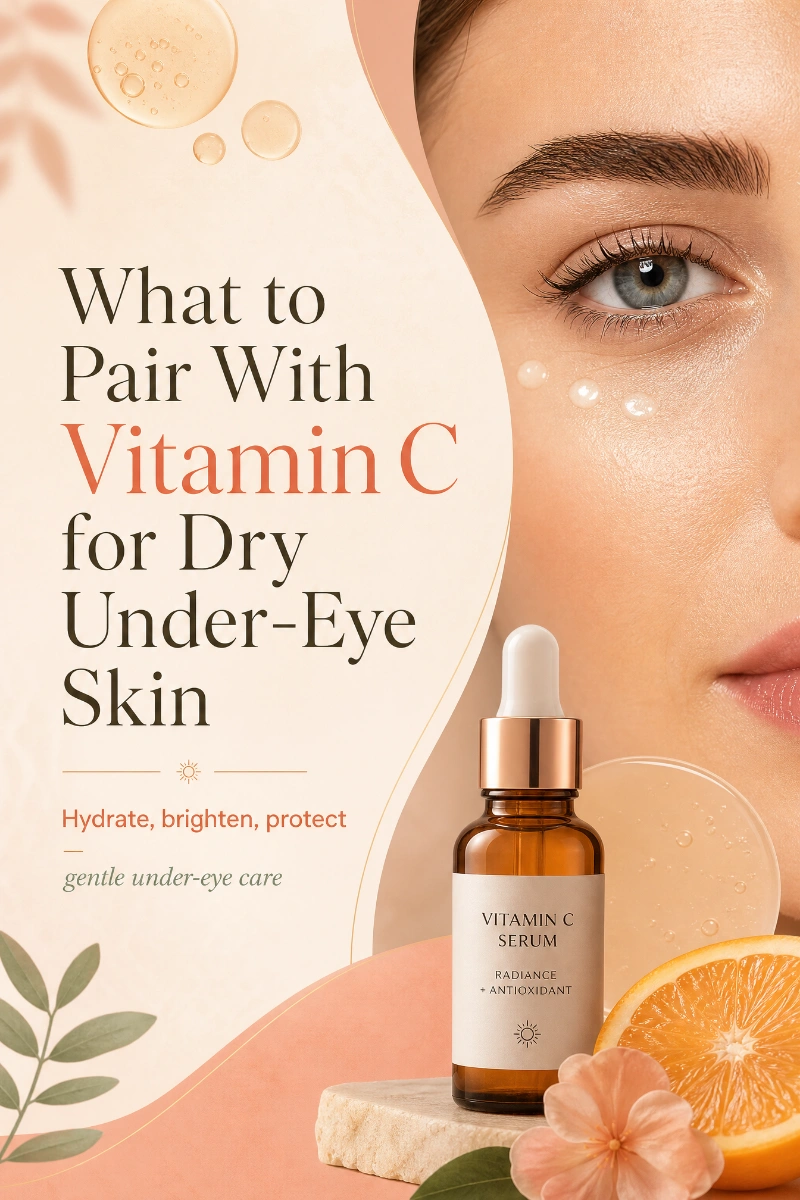
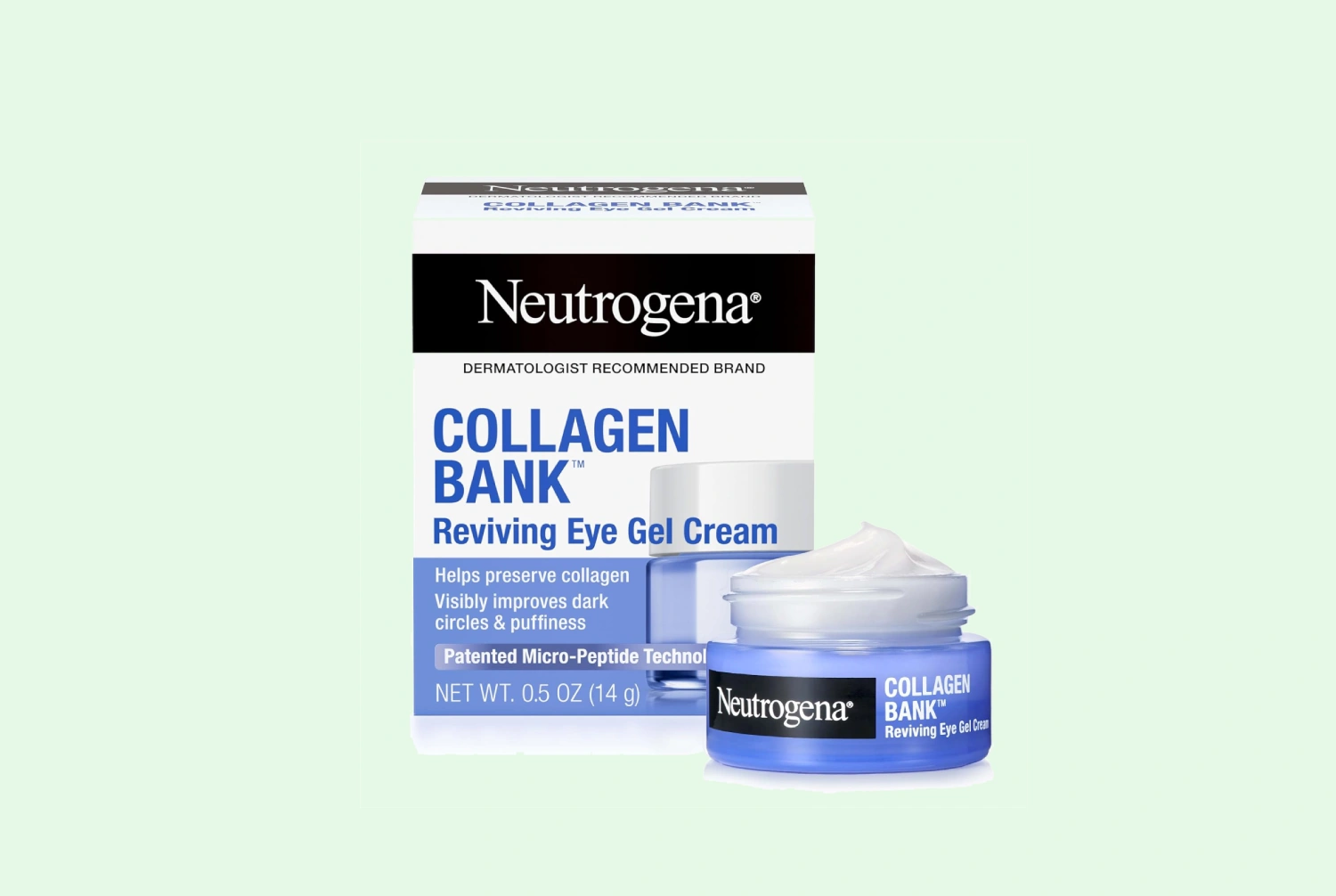
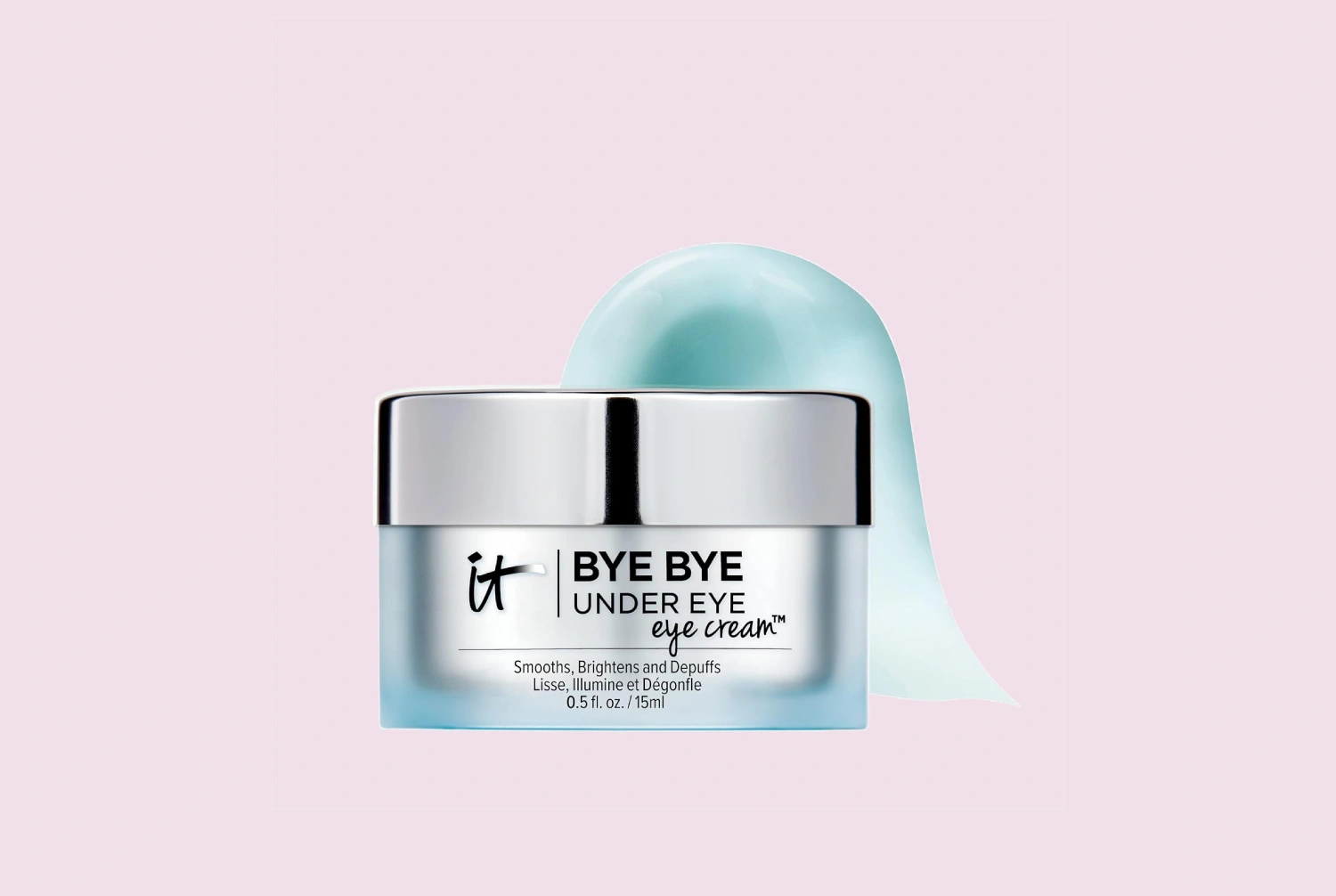
If you are comparing formulas, our vitamin C eye cream guide can help you focus on product format, supporting ingredients, and label details rather than relying on a single active ingredient.
Hydrating ingredients to pair with vitamin C
Glycerin
Glycerin is a humectant, meaning it helps attract water to the outer layers of the skin. In an under-eye product, it can contribute to a softer, more comfortable feel and temporarily make the surface look smoother. Glycerin is commonly used in lightweight gels, lotions, creams, and serums, so it may be easy to find in a formula that fits your routine.
Because humectants work best as part of a complete moisturizing routine, glycerin does not need to be used alone. A cream or lotion applied afterward can help reduce the feeling of moisture loss, especially if the skin feels tight after cleansing.
Hyaluronic acid
Hyaluronic acid is another humectant frequently included in eye-care products. It can give the skin a temporarily plumper, more hydrated appearance by helping hold water near the surface. It does not permanently remove fine lines or correct every cause of dark circles, but improved surface hydration may make dryness-related texture less noticeable.
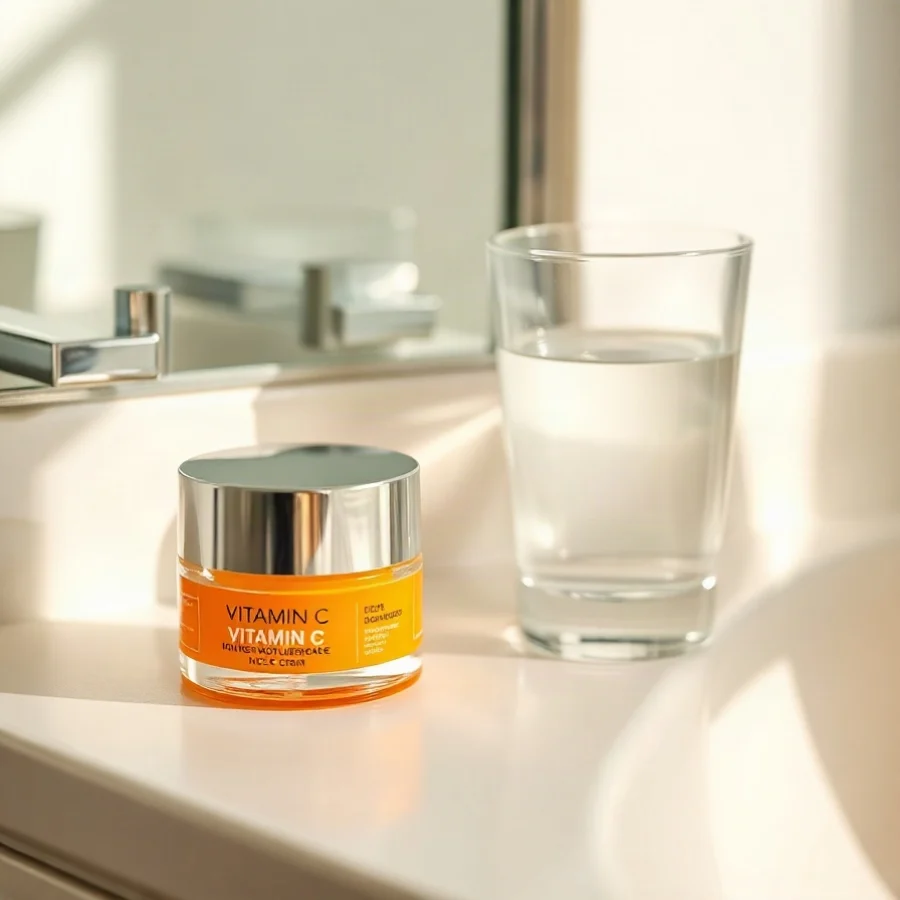
Use a hyaluronic acid product as directed and consider applying it to slightly damp, not dripping-wet, skin if the label allows. Follow with a moisturizer to create a more comfortable finish. If a hyaluronic acid serum leaves the area feeling tight or sticky, the issue may be the overall formula, the amount used, or the lack of a moisturizing layer afterward.
Panthenol and other gentle humectants
Panthenol can help give a formula a conditioning, moisturizing feel. Other humectants, such as beta-glucan or certain forms of sugar-based moisturizing ingredients, may also appear in products designed for dry or sensitive skin. These ingredients are not interchangeable in every formula, and the full product matters more than any single item on the ingredient list.
Barrier-supporting ingredients that work well with vitamin C
Ceramides
Ceramides are lipid ingredients associated with the skin barrier. In a moisturizer, they may help support the feeling of comfort and reduce the dry, rough sensation that can develop when the skin barrier is not functioning well. They are often a useful companion to vitamin C when the under-eye area needs more than a watery serum.
A ceramide-containing eye cream or facial moisturizer may be appropriate around the orbital area if the product directions permit it. Keep the product away from the eye itself, and use a small amount rather than applying a thick layer that could migrate during the day or overnight.
Squalane
Squalane is a lightweight emollient that can help soften the skin and reduce the rough feel associated with dryness. It may be useful for people who want more cushion from their routine but do not enjoy a heavy balm. A cream containing squalane can be applied after vitamin C, or a compatible facial oil may be used as the final step if the product is labeled for the eye area.
Oils and emollients do not add water to the skin in the same way humectants do. They help improve slip and softness, which is why pairing a humectant with an emollient-rich moisturizer can feel more effective than relying on either type of ingredient alone.
Shea butter and lightweight emollients
Shea butter and other emollients can make a dry under-eye area feel more protected. They may be especially appealing at night, when a richer texture is less likely to interfere with makeup. The best choice depends on personal preference and tolerance. A product that feels nourishing to one person may feel heavy or irritating to another, particularly if it migrates into the eyes.
How to layer vitamin C for dry under-eyes
A simple morning routine might look like this:
- Cleanse gently, or rinse with lukewarm water if a morning cleanser leaves the area feeling dry.
- Apply the vitamin C product exactly as directed. Use it only where the label permits, and avoid the lash line and inner corners.
- Apply a hydrating or barrier-supporting eye product if the area needs additional moisture.
- Use a broad-spectrum sunscreen on the face and the surrounding eye area, taking care to avoid getting sunscreen in the eyes.
You do not necessarily need a separate hydrating serum, eye cream, facial moisturizer, and oil. For very dry skin, several layers may be comfortable, but a well-formulated moisturizer can sometimes provide enough support by itself. Applying fewer products also makes it easier to identify which product is causing discomfort if irritation develops.
At night, you can use a gentle moisturizer after cleansing, with vitamin C included only if the product directions and your skin’s tolerance support that schedule. Some people prefer using vitamin C in the morning and keeping the evening routine focused on moisture. There is no need to force an active into both routines.
Ingredients to approach carefully
Dry under-eye skin may be more reactive to combinations that include multiple active ingredients. Retinoids, exfoliating acids, strong fragrance, essential oils, and highly active brightening ingredients can all be potential sources of irritation depending on the formula and the individual. That does not mean every person must avoid them, but adding several at once makes it harder to understand what the skin can tolerate.
If you also use a retinol eye product, consider keeping it in a separate routine from vitamin C while you evaluate your tolerance. Our guide to retinol eye creams provides additional context about why this category requires careful introduction. Follow each product’s directions rather than assuming that more active ingredients will produce better cosmetic results.
Patch testing can be a sensible precaution, although it cannot guarantee that a product will not irritate the eye area. Introduce one new product at a time, use a small amount, and stop using it if you develop burning, persistent redness, swelling, rash, or worsening discomfort. Seek medical advice for significant or ongoing symptoms, especially if the eye itself is affected.
Choosing a vitamin C product for dry skin
Look beyond the words “vitamin C” on the front of the package. Check whether the product is specifically intended for the eye area, whether it contains a moisturizing base, and whether the texture suits your routine. A cream or lotion may feel more comfortable than a thin serum if your main concern is tightness or flaking.
Also check the current ingredient list and directions before buying or applying a product. Formulas can change, and online descriptions may not reflect the newest packaging. If a product-specific detail matters to your decision, verify it through the current package or the manufacturer’s information.
Fragrance is a personal consideration, but fragranced products may be less appealing if your under-eye skin is easily irritated. Packaging that limits repeated exposure to air and light may also be preferable for some vitamin C formulas, although packaging alone does not tell you how well a product will suit your skin.
What vitamin C can and cannot do for dark circles
Vitamin C may help the under-eye area look brighter or more even as part of a consistent cosmetic skincare routine. Hydration can also soften the look of surface dryness and make makeup sit more smoothly. These are appearance-related benefits, not a guarantee that vitamin C will remove dark circles.
Dark circles can have several visible contributors, including natural facial structure, shadows, pigmentation, visible blood vessels, and changes related to fatigue or irritation. An eye cream cannot address every contributor, and persistent or newly changing discoloration may warrant a conversation with a qualified healthcare professional. Skincare should not be used to diagnose or treat an underlying medical condition.
For broader guidance, you can review our coverage of dark circles and use the under-eye routine builder to organize products around your skin type and priorities.
A practical routine for keeping dry under-eyes comfortable
Start with the smallest routine that meets your needs: a gentle cleanser, one vitamin C product if desired, a fragrance-free moisturizer that feels comfortable, and daytime sun protection. Give the routine time to settle before adding another active. If the skin remains tight, reduce the frequency of vitamin C or pause it while focusing on barrier support.
Apply products by gently patting rather than rubbing. Use enough moisturizer to cover the area without creating a heavy layer, and leave space between the product and the eye opening. If concealer emphasizes dryness, a thin moisturizing layer followed by a short wait before makeup may work better than adding multiple serums.
The most useful pairing for vitamin C is not necessarily the most complicated one. For dry under-eye skin, consistent hydration, a supportive moisturizer, careful application, and realistic expectations are usually more practical than stacking several strong ingredients. Choose products that feel comfortable, follow their current labels, and simplify the routine whenever the skin starts to sting or flake.

Comments
0No comments yet. Be the first to share a helpful note or question.
Leave a Comment
Your email address will not be published. Comments are reviewed before appearing on the site.