
Yes, a cheap eye cream can be good enough for many people, especially when your main goal is to moisturize the under-eye area, reduce the look of dryness, and create a smoother surface for makeup. You do not necessarily need a luxury product to get those basic cosmetic benefits. The more important questions are whether the formula suits your skin, whether you will use it consistently, and whether it contains ingredients that match the appearance concerns you want to address.
That said, an inexpensive eye cream cannot be expected to erase dark circles, permanently remove puffiness, or change the structure of fine lines. Under-eye darkness has several possible visual causes, including shadows from hollows, visible blood vessels, uneven pigmentation, dryness, and temporary irritation. A topical product may improve the look of some of these concerns, but it cannot diagnose or treat an underlying medical condition.
What you are really paying for in an eye cream
Price can reflect many things, including packaging, brand positioning, marketing, texture, fragrance, distribution, and the type of research a company chooses to fund. A higher price does not automatically mean a product will perform better for your particular under-eye concern. Likewise, a low price does not automatically mean a formula is ineffective or poorly made.
For basic under-eye care, the most useful features may be relatively simple:
- Humectants that help attract water to the skin, such as glycerin or hyaluronic acid
- Emollients that help soften rough-feeling skin
- Occlusive ingredients that reduce moisture loss
- Soothing ingredients that may make dry or uncomfortable skin feel calmer
- A texture that spreads without excessive rubbing or tugging
- Packaging that helps keep the product clean and easy to use
These features are not exclusive to expensive eye creams. In fact, a modestly priced moisturizer may be a practical choice if it provides comfortable hydration without causing stinging, watering, or congestion. For a broader explanation of common ingredients, see our eye cream ingredient guide.
When a budget eye cream may be enough
Your main concern is dryness
Dryness can make the under-eye area look dull, crepey, or more lined. It can also make concealer settle into fine lines. If dehydration is the main reason the area looks tired, a simple moisturizing formula may make the skin look temporarily smoother and more comfortable.
Look for a product that leaves the area soft rather than tight. You do not need a long list of active ingredients for this purpose. A basic formula that you can apply regularly may be more useful than an ambitious product that feels irritating or unpleasant.
You want a better makeup base
An eye cream can help makeup apply more evenly by reducing the feeling of surface roughness. The result is usually a temporary cosmetic improvement, not a change in the underlying cause of dark circles. Apply a small amount and allow it to settle before concealer. Too much product can cause makeup to slide, crease, or pill.
You have mild, temporary puffiness
Some people find that a lightweight, cooling product makes the eye area look fresher in the morning. Caffeine is a common ingredient in products marketed for the appearance of puffiness, although the visible effect can vary and may be temporary. A cool compress, adequate rest, and avoiding vigorous rubbing may also help the area look less swollen.
If swelling is persistent, pronounced, one-sided, painful, itchy, or accompanied by vision changes or other symptoms, an eye cream is not the appropriate way to investigate it. Consider speaking with a qualified medical professional.
When paying more may be reasonable
A higher-priced product may be worth considering when you want a specific texture, packaging format, or active ingredient and the formula is a good fit for your skin. For example, some shoppers prefer a more elegant finish under makeup, an airless package, or a carefully designed formula for sensitive skin. Those preferences can be valid, but they are not proof that the product will produce a stronger result.
More targeted products may also require more careful use. Eye creams containing retinoids, exfoliating acids, or stronger brightening ingredients can be more likely to cause dryness or irritation, particularly around the eyes. They may be appropriate for some routines, but the product label should guide frequency and application. Start cautiously, avoid getting the product into the eyes, and stop using it if you develop significant burning, redness, swelling, or persistent discomfort.
For information about choosing an approach based on your skin’s needs, you can use our under-eye routine builder.
Match the formula to the type of dark circles
The phrase “dark circles” describes an appearance, not one single condition. This is why an inexpensive moisturizer may be enough for one person but disappointing for another.
Shadows and hollowness
Under-eye hollows can create shadows that look darker in certain lighting. A topical cream may hydrate the surface, but it cannot fill a hollow or change facial anatomy. In this situation, a budget eye cream can still be useful for comfort and surface smoothness, but expectations should remain modest.
Visible pigmentation
Brown or gray-looking discoloration may be more noticeable when the skin has experienced sun exposure or irritation. A cosmetic product may help the area look more even over time, depending on its ingredients and your skin’s response. Daily sun protection around the eyes is also important, but sunscreen should be used according to its label and kept out of the eyes.
Thin-looking skin and visible vessels
Blue, purple, or reddish tones can show through the delicate skin under the eyes. Hydration may soften the overall appearance, but an eye cream is unlikely to conceal every visible vessel. Corrector and concealer can offer a more immediate cosmetic option.
Dryness-related dullness
If the area looks darker mainly because it is dry, flaky, or rough, a simple fragrance-free moisturizing product may be a sensible first step. Give it enough time to show whether consistent hydration improves the appearance before adding multiple active products.
Ingredients worth considering in a lower-cost formula
Ingredient lists should be evaluated as a whole rather than by one fashionable ingredient. A budget product may contain useful basics, while a premium product may contain ingredients that do not suit your skin.
- Glycerin and other humectants: These can support a more hydrated-looking surface.
- Emollients: These help make dry skin feel smoother and more flexible.
- Petrolatum or other occlusive ingredients: These can help reduce moisture loss, although some people may dislike a heavier texture.
- Niacinamide: This ingredient is used in many skincare products and may support the look of an even, comfortable skin barrier, but individual tolerance varies.
- Caffeine: Often included in formulas aimed at the appearance of puffiness. Any visible effect should be considered cosmetic and may not last.
- Peptides: These appear in many products marketed for fine lines. The formula, concentration, and user’s skin all influence the outcome, so do not treat their presence as a guarantee.
Ingredient lists and formulas can change. Before buying or using a product, check the current packaging or the manufacturer’s ingredient list, particularly if you avoid fragrance, have allergies, or are sensitive to a particular ingredient.
How to choose a drugstore eye cream
Start with one clear goal
Choose whether you are primarily looking for hydration, a smoother makeup application, a lighter-feeling morning product, or support for the appearance of fine lines. A clear goal makes it easier to judge whether a product is useful. Trying to solve every concern at once can lead to a crowded routine and more opportunities for irritation.
Consider texture and packaging
A thick balm may suit very dry skin but feel heavy under makeup. A gel may feel comfortable in the morning but not provide enough moisture at night. Tubes and pumps can limit repeated contact with the product, while jars require more attention to clean application. These are practical considerations, not indicators of guaranteed performance.
Be cautious with fragrance
Fragrance is not automatically a problem for everyone, but the under-eye area can be sensitive. If you frequently experience stinging, watering, redness, or irritation, a simpler fragrance-free option may be easier to tolerate. This is especially relevant if you already use other active products on your face.
Compare the ingredient list, not just the front label
Words such as “brightening,” “firming,” and “energizing” describe marketing goals rather than guaranteed outcomes. Read the current ingredient list and follow the directions. Product names and packaging can change, so verify details directly rather than relying on an old online listing.
How to use an inexpensive eye cream well
Use a small amount on clean skin, applying it around the orbital area as directed rather than directly on the eyelids or too close to the lash line unless the label specifically says otherwise. Pat gently with a finger instead of rubbing. More product is not necessarily better, and excess cream may migrate into the eyes or interfere with makeup.
If you are introducing a product with a potentially irritating active, follow the label’s instructions and consider testing a small area first. Introduce only one new active at a time so you can identify the likely cause if irritation develops. Stop using the product if it causes persistent burning, rash, swelling, or other concerning symptoms.
Do not expect an overnight transformation. Hydration can sometimes make the skin look smoother relatively quickly, but concerns such as uneven tone or fine lines require realistic expectations and consistent use. Take periodic photos in similar lighting if you want to compare appearance, since bathroom lighting and camera angles can make under-eye darkness look dramatically different.
What a cheap eye cream cannot do
A low-cost product cannot correct every reason the under-eye area looks dark or puffy. Neither can an expensive one. Eye creams do not replace sleep, allergy care, sun protection, or medical evaluation when symptoms suggest something beyond a cosmetic concern. They also cannot promise permanent removal of circles, bags, wrinkles, or discoloration.
If you have sudden swelling, ongoing irritation, significant asymmetry, pain, changes in vision, or darkening that concerns you, seek medical advice rather than repeatedly changing skincare products. Cosmetic guidance is appropriate for appearance-focused concerns, but it is not a diagnosis or treatment plan.
The practical bottom line
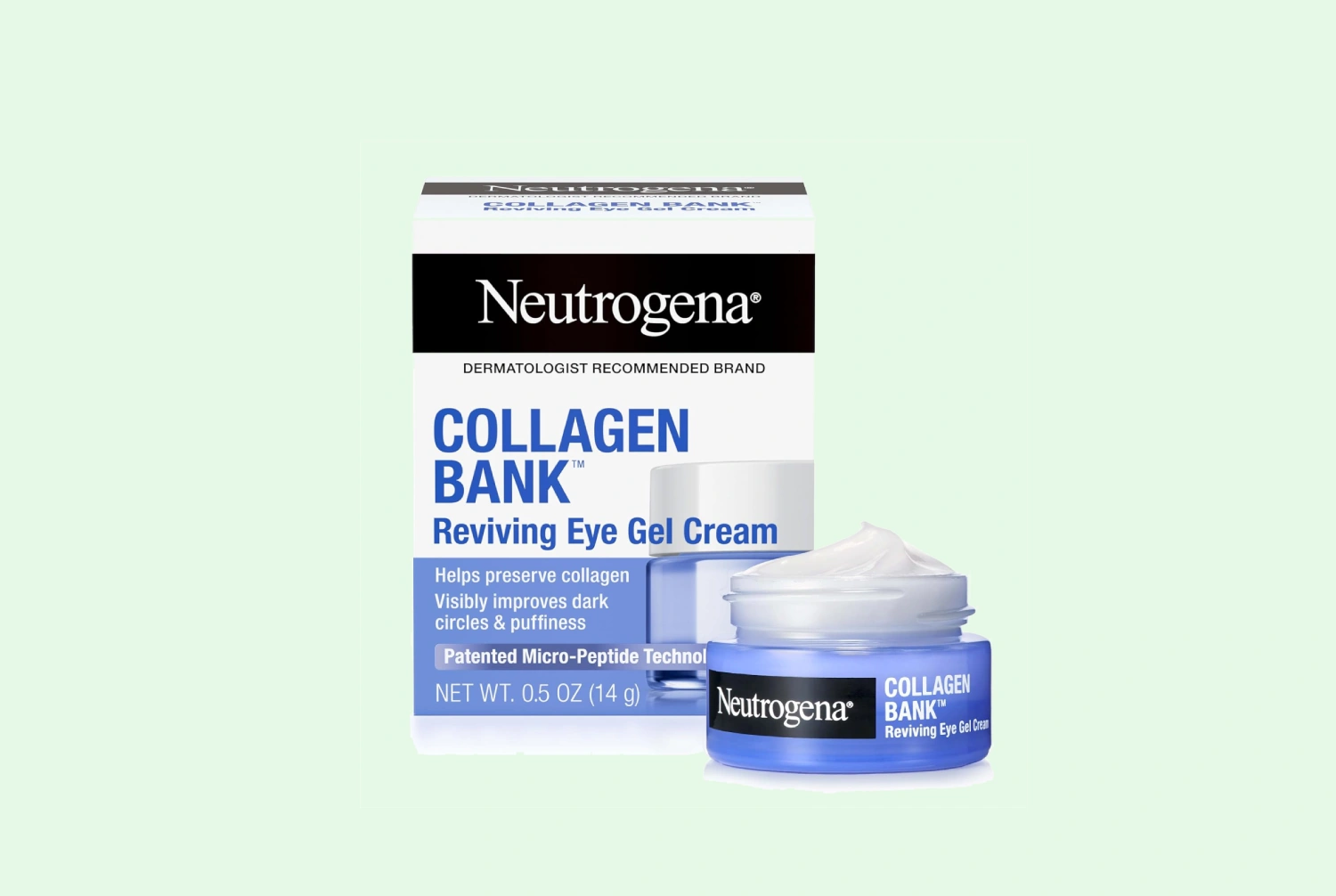
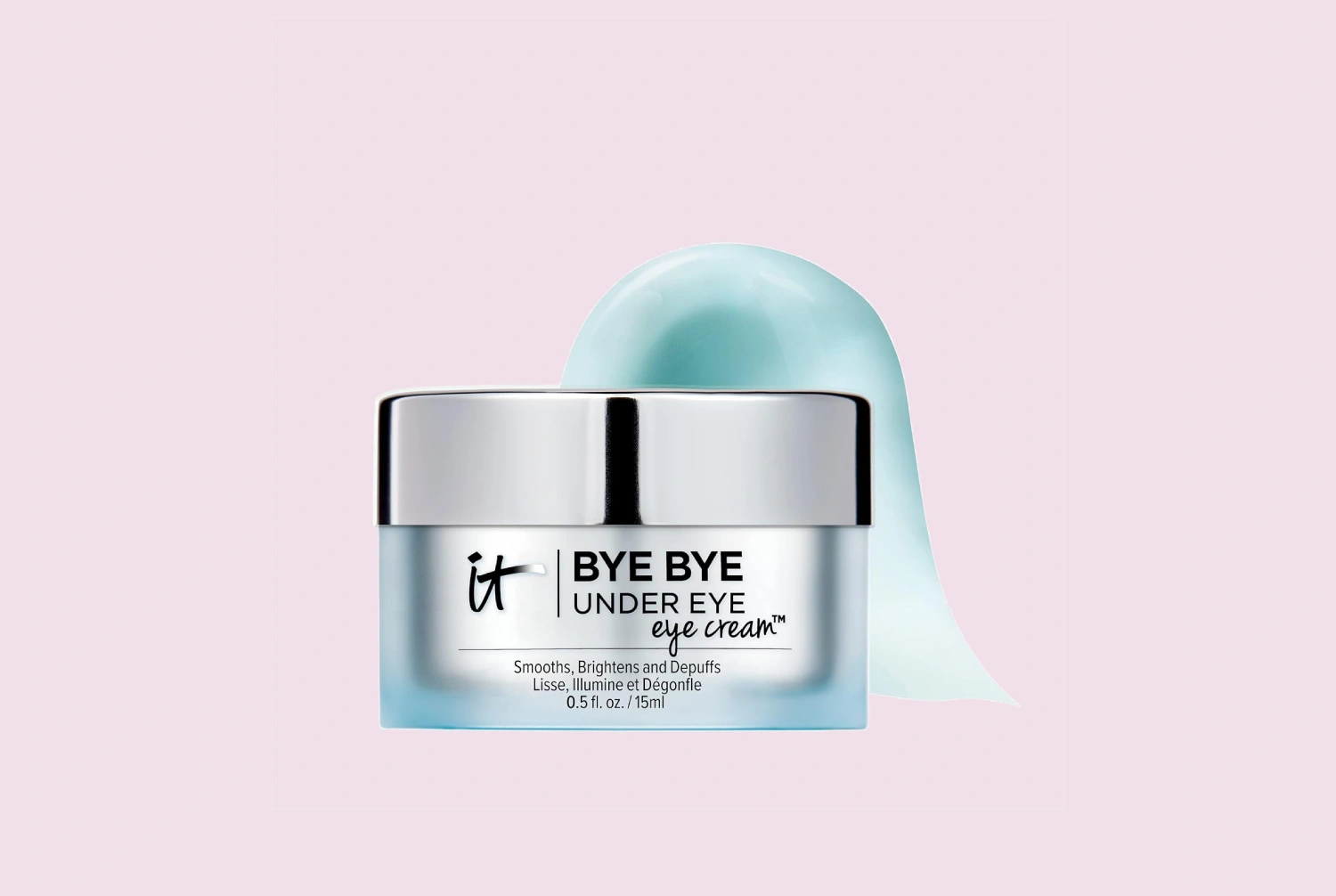
A cheap eye cream is good enough when it provides the comfort and appearance benefits you actually need, does not irritate your skin, and fits into a routine you can maintain. For dryness, mild surface roughness, and makeup preparation, a straightforward drugstore formula may be all that is necessary. Spending more can make sense for a preferred texture or a targeted active, but price alone is not evidence of better results.
Choose based on the concern, read the current label, introduce active ingredients carefully, and judge the product by realistic cosmetic goals. For more product-selection context, browse our guide to drugstore eye creams and our coverage of dark circles.

Comments
0No comments yet. Be the first to share a helpful note or question.
Leave a Comment
Your email address will not be published. Comments are reviewed before appearing on the site.