
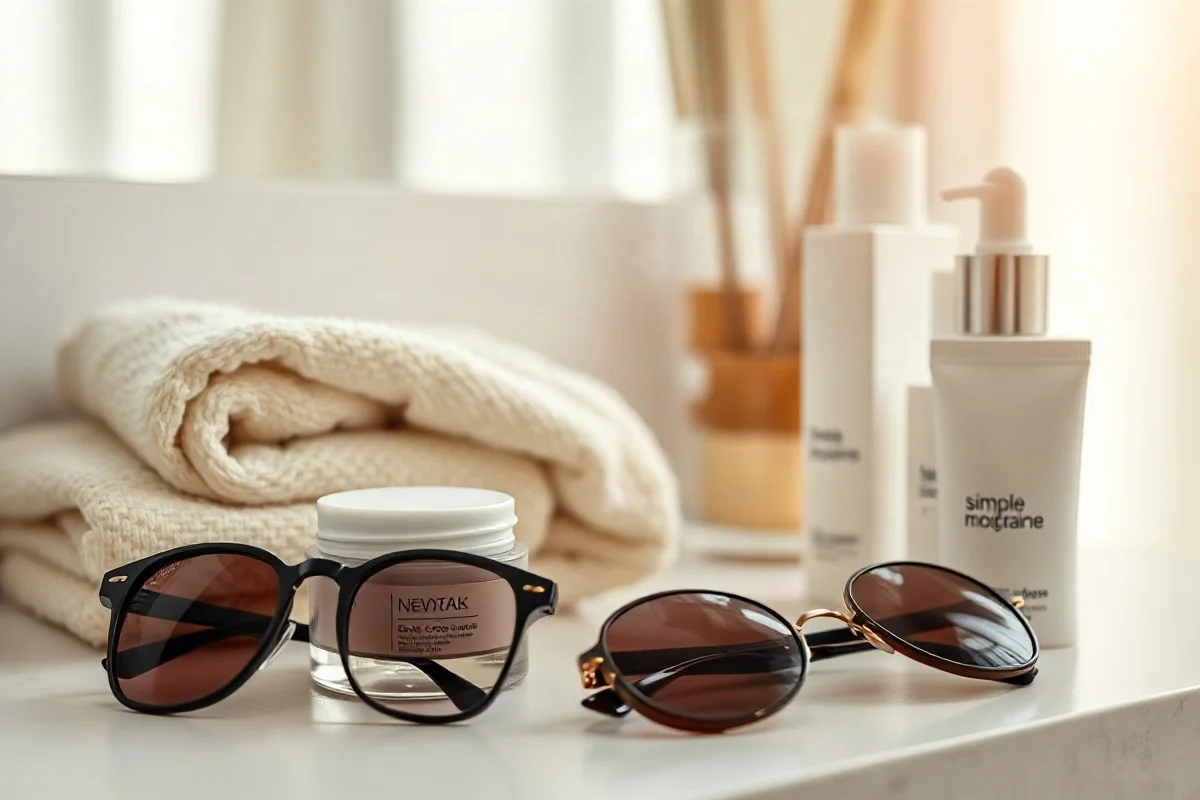
You can start using an eye cream for wrinkles when you notice dryness, fine lines, or a desire to support the skin around your eyes—not because you have reached a specific age. For many people, a simple, well-tolerated moisturizer can be useful before visible wrinkles appear. Others may prefer to wait until fine lines become a cosmetic concern. The best starting point depends on your skin, your existing routine, and how consistently you can use sun protection.
Eye cream is not a medical treatment, and it cannot guarantee that wrinkles will disappear or that new lines will never develop. Its main cosmetic role is to moisturize the delicate under-eye area and, depending on the formula, temporarily improve the look of dryness, dullness, or fine lines. Some products contain active ingredients that may support a smoother-looking appearance over time, but results vary and formulas change. When product-specific details matter, check the current packaging and the manufacturer’s ingredient list.
Age matters less than your skin’s needs
People often ask whether they should begin using an eye cream in their 20s, 30s, or 40s. Those age ranges can provide context, but they are not rules. Skin changes gradually, and visible lines may reflect facial movement, genetics, sun exposure, dryness, sleep, and environmental conditions rather than age alone.
A younger person with dry or easily irritated skin may benefit from a basic fragrance-free moisturizer around the eyes. Someone with oily or combination skin may prefer a lightweight gel or lotion. A person with more noticeable lines may look for a formula containing a retinoid, peptides, vitamin C, or other ingredients commonly used in cosmetic skin care. The right choice is the one that fits your tolerance and routine well enough to use consistently.
Starting early does not mean using the strongest product available. In fact, the skin around the eyes can be more reactive than other areas of the face. A gentle moisturizer and daily sunscreen may be more practical than adding several potent actives at once.
What an eye cream can realistically do
Many under-eye products are moisturizers in a smaller package. They may contain humectants, emollients, and occlusive ingredients that help the skin hold onto water and feel more comfortable. Better hydration can make fine lines look less noticeable temporarily, especially when dryness makes them appear more pronounced.
Some formulas are designed to address more than dryness. Caffeine is often included in products aimed at the look of puffiness, while antioxidants such as vitamin C derivatives may be used in brightening-focused formulas. Retinoid-based products are commonly chosen by people concerned about fine lines and texture. Peptides and skin-conditioning ingredients may also appear in products marketed for a smoother-looking eye area.
These ingredients should be viewed as options, not guarantees. A cosmetic product may improve the look and feel of the skin without changing the underlying anatomy of the eye area. Hollowing, prominent tear troughs, pronounced bags, and certain types of discoloration may not respond meaningfully to topical skin care alone. For broader ingredient information, see this eye cream ingredient guide.
When a basic moisturizer may be enough
You may not need a specialized anti-wrinkle eye cream if your main concern is tightness or mild dryness. A bland facial moisturizer that is appropriate for the eye area may provide the comfort and surface hydration you want. Always follow the product’s directions, since not every facial formula is intended for use close to the eyes.
A simple product can also be a sensible starting point if you have sensitive skin, seasonal irritation, or a history of reacting to cosmetics. Look for a short ingredient list if that makes it easier to identify potential triggers. Fragrance, essential oils, and strong active ingredients may be uncomfortable for some people, although individual tolerance varies.
Apply a small amount to clean, dry skin, keeping the product away from the eye itself. Using too much can increase the chance of migration into the eyes and does not necessarily improve results. If a moisturizer stings, causes persistent redness, or produces swelling, stop using it and reassess the formula.
When to consider an active ingredient
If hydration alone does not address your cosmetic concerns, you might consider an eye product with a targeted active. Introduce only one new active at a time so you can better understand how your skin responds.
Retinoids for the look of fine lines
Retinoids are widely used in skin care routines focused on texture and fine lines. Eye-area products may use different retinoid forms and instructions, so do not assume that a product intended for the face should automatically be used around the eyes. Follow the label carefully and begin gradually if the directions allow it.
Retinoid products can be irritating, particularly when introduced too quickly or applied too close to the lash line. Use a moisturizer as directed, protect exposed skin from the sun, and stop using the product if you develop significant burning, swelling, or persistent irritation. Anyone who is pregnant, trying to become pregnant, or concerned about retinoid use should ask a qualified healthcare professional for individualized guidance.
Antioxidants and brightening-focused formulas
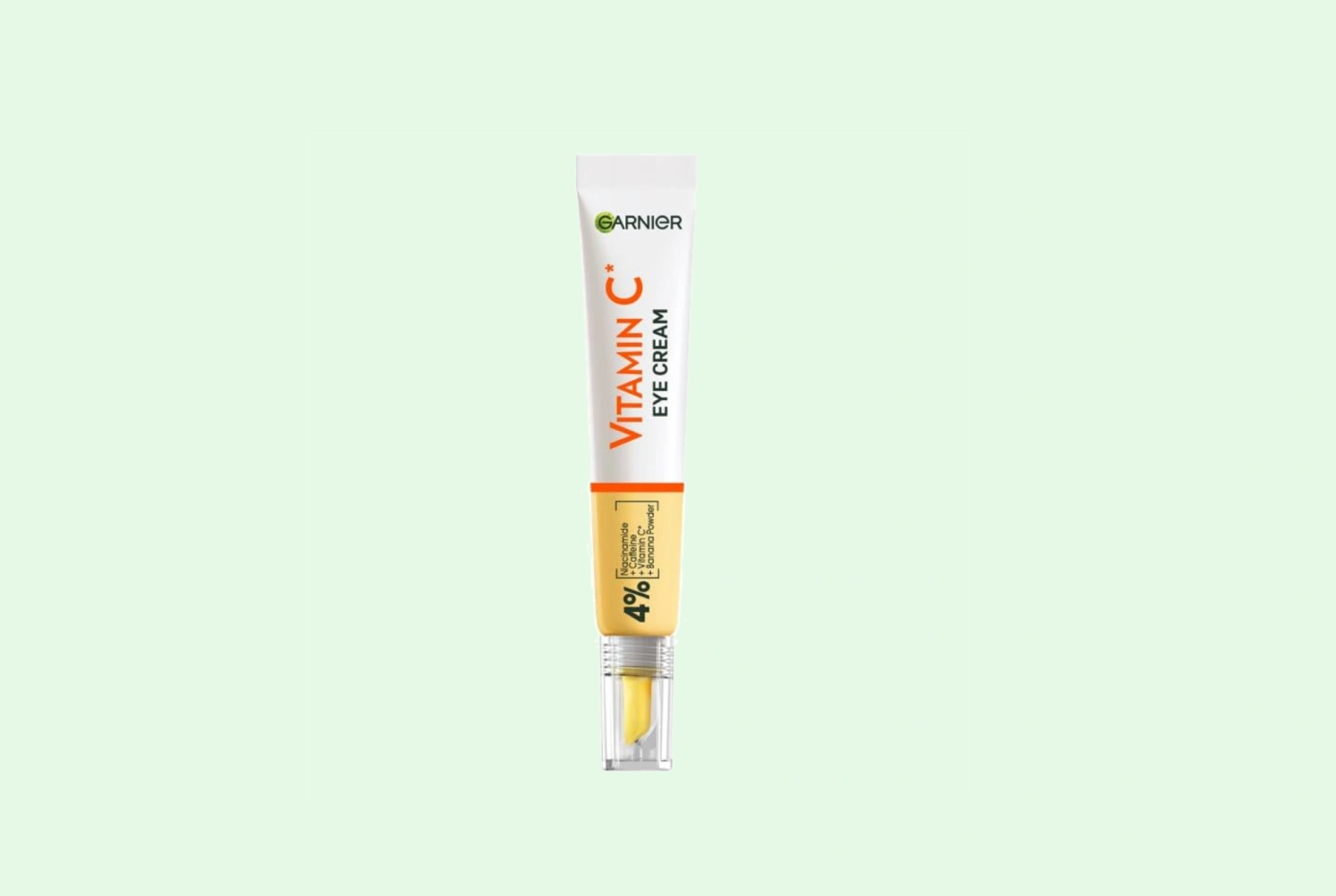
Vitamin C and other antioxidants are often selected for a brighter, more even-looking appearance. The experience of using these products can vary based on the ingredient form, the rest of the formula, and your skin’s sensitivity. Product claims and ingredient lists can change, so review the current label rather than relying on an older description or retailer listing.
Brightening products will not necessarily address every type of dark circle. Under-eye darkness can have multiple visual contributors, including shadows, visible blood vessels, pigmentation, and the shape of the eye area. Cosmetic skin care may help some aspects of appearance, but it cannot identify the cause of a change in pigmentation.
Peptides and moisturizing ingredients
Peptides are commonly included in products designed to support a smoother-looking skin surface, while ingredients such as glycerin, hyaluronic acid, ceramides, and plant-derived emollients may help with softness and hydration. These ingredients are generally considered part of a supportive routine rather than a promise of wrinkle removal.
If you are comparing formulas, pay attention to the full ingredient list, directions, packaging, and your own tolerance. The ingredient featured prominently in marketing is not the only factor that determines whether a product works comfortably for you.
Sun protection is more important than an early start
Starting an eye cream at a particular age is less important than protecting the eye area from ultraviolet exposure. Broad-spectrum sunscreen used as directed can help protect exposed skin from sun damage. Sunglasses, a hat, and seeking shade can also reduce squinting and direct exposure.
Be careful when applying sunscreen near the eyes, since some products may sting or migrate. Choose a product that you can use comfortably and follow its directions. If sunscreen irritates the eye area, consider discussing suitable options with a healthcare professional or pharmacist.
Sun protection does not make wrinkles impossible, and it is not a cosmetic cure. It is simply one of the most practical ways to support the long-term appearance of exposed skin.
How to start an eye cream routine
- Identify your main concern. Decide whether you are focused on dryness, fine lines, puffiness, uneven tone, or a combination. One product may not address every concern.
- Choose a tolerable formula. If your skin is sensitive, start with a basic moisturizer or a product labeled for sensitive skin rather than several strong actives.
- Patch test when appropriate. Apply a small amount to a discreet area according to the product’s directions before using it around both eyes.
- Use a small amount. Gently tap the product around the orbital area without rubbing aggressively or applying it directly into the eyes.
- Introduce actives slowly. Follow the label and avoid adding multiple potentially irritating products at the same time.
- Give your routine time. Daily consistency and tolerability matter more than applying a large amount or changing products frequently.
A routine builder can help you organize products by concern and skin type; you can explore the under-eye routine builder for a starting framework.
Signs you should simplify or stop
Burning, itching, scaling, persistent redness, worsening dryness, or swelling are reasons to stop using a new eye product. Do not try to push through a reaction in the hope that the formula will eventually work. Rinse the area carefully if product enters the eye, and seek prompt medical advice for severe pain, vision changes, marked swelling, or symptoms that do not improve.
Cosmetic concerns and medical symptoms are different. A gradually visible fine line is usually a skin-care concern, while sudden swelling, a one-sided change, a rash, pain, or a noticeable change in vision deserves professional evaluation. An eye cream is not designed to diagnose or treat those problems.
A practical answer for every age
In your 20s, you may choose a gentle moisturizer and focus on sun protection rather than an intensive anti-wrinkle product. In your 30s, you might add a targeted formula if fine lines or dryness have become noticeable. In your 40s and beyond, you may prefer a richer moisturizer or a carefully introduced active, depending on your skin’s needs and tolerance. None of these approaches is mandatory.
The most useful time to start is when you have a clear cosmetic goal and can maintain a simple routine without irritating your skin. Choose realistic claims, use the current product label as your guide, and remember that an eye cream is one small part of under-eye care—not a requirement for healthy-looking skin.

Comments
0No comments yet. Be the first to share a helpful note or question.
Leave a Comment
Your email address will not be published. Comments are reviewed before appearing on the site.