

You should stop using a retinol eye product if it causes persistent or severe irritation, swelling, burning, cracking, or other concerning changes—and you should pause it whenever your skin barrier seems overwhelmed. Mild dryness can sometimes occur when introducing retinol, but discomfort is not something to push through. If symptoms do not settle after stopping, or if you develop marked swelling, blistering, pain, or changes in vision, seek medical advice promptly.
Retinol may support the appearance of fine lines, uneven texture, and some forms of discoloration over time, but it is not appropriate for every under-eye area. The skin around the eyes is thin and easily irritated, and dark circles can have several visible causes, including shadowing, pigmentation, blood vessels, or natural anatomy. A retinol product may improve the look of certain concerns without addressing every reason the area appears darker.
Signs that you should stop immediately
Some adjustment dryness may be manageable, but certain reactions are a clear reason to discontinue the product rather than reduce the frequency. Stop using the product if you notice:
- Intense burning, stinging, or pain
- Significant redness that does not fade after a short period
- Swelling of the eyelids or the skin beneath the eyes
- Blistering, oozing, crusting, or open cracks
- Hives, widespread itching, or a rash beyond the application area
- New sensitivity that makes ordinary products uncomfortable
- Eye watering, light sensitivity, or any change in vision
Do not apply retinol closer to the eye in an attempt to compensate for missed areas. Keep the product out of the eye itself, rinse carefully if accidental contact occurs, and follow the product label. A reaction near the eyes can be difficult to assess from appearance alone, so medical guidance is appropriate for severe, persistent, or unusual symptoms.
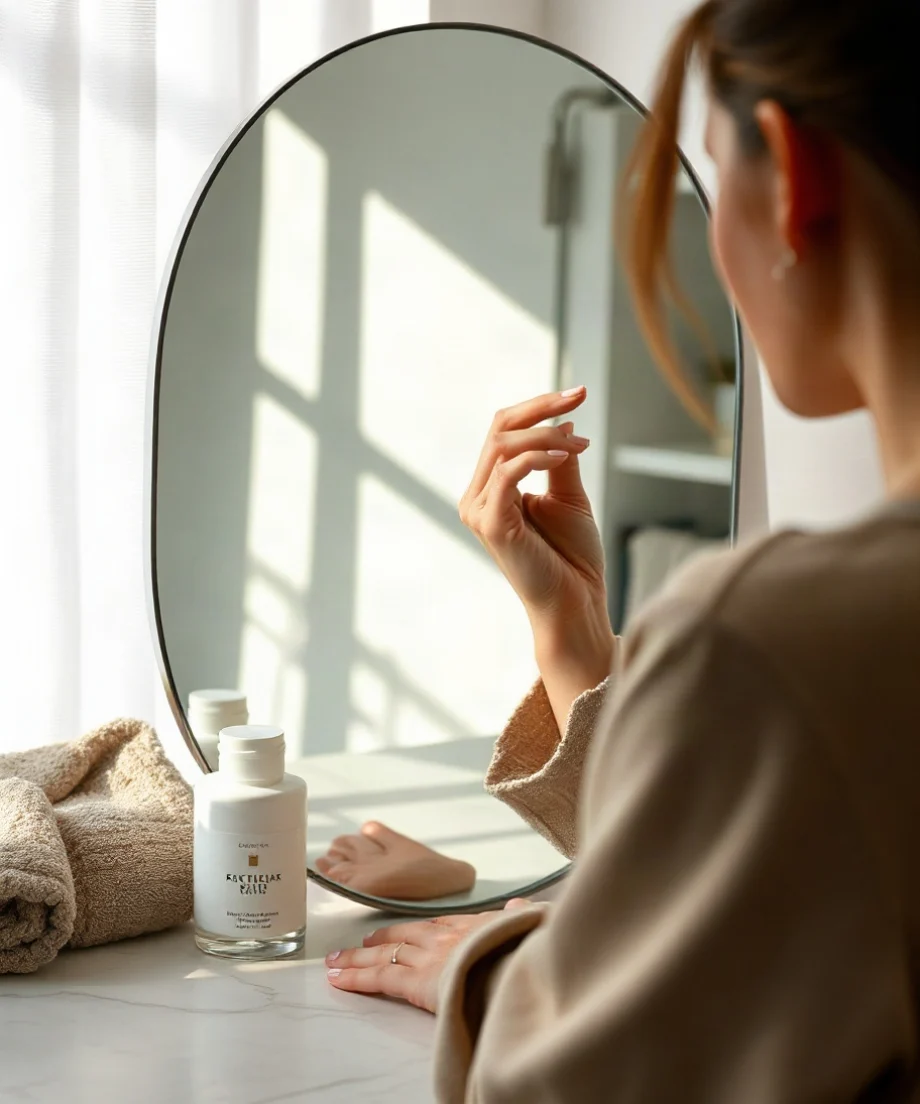
When dryness means you should pause instead of quit forever
Flaking, tightness, and mild dryness can occur when the skin is adapting to retinol. These signs do not automatically mean you can never use the ingredient, but they do mean your current routine may be too demanding. Pause the product until the area feels comfortable again. During that time, use a bland moisturizer that your skin already tolerates and avoid adding other potentially irritating products.
Once the skin has recovered, some people choose to reintroduce retinol less often and with a smaller amount. This is a cautious routine adjustment, not a guarantee that irritation will not return. Follow the product’s directions, and do not restart while the skin is still peeling, sore, or unusually sensitive.
What a gentler restart can look like
- Use the product less frequently than you did initially.
- Apply only a very small amount to clean, completely dry skin.
- Keep the application on the orbital area recommended by the label, rather than directly along the lash line.
- Use a simple moisturizer if needed, provided it does not irritate you.
- Change only one part of the routine at a time so you can identify what your skin tolerates.
If irritation returns even with cautious use, stopping the product altogether is sensible. A retinol eye product is optional cosmetic care; persistent discomfort is not a worthwhile trade-off for a possible appearance benefit.
Stop if the product keeps causing problems after a fair adjustment period
Not every retinol formula will suit every person. The issue may relate to the retinol itself, the product’s supporting ingredients, the amount used, or the other products in your routine. If you repeatedly experience redness or peeling despite reducing use, the product is probably not a good match for your skin at this time.
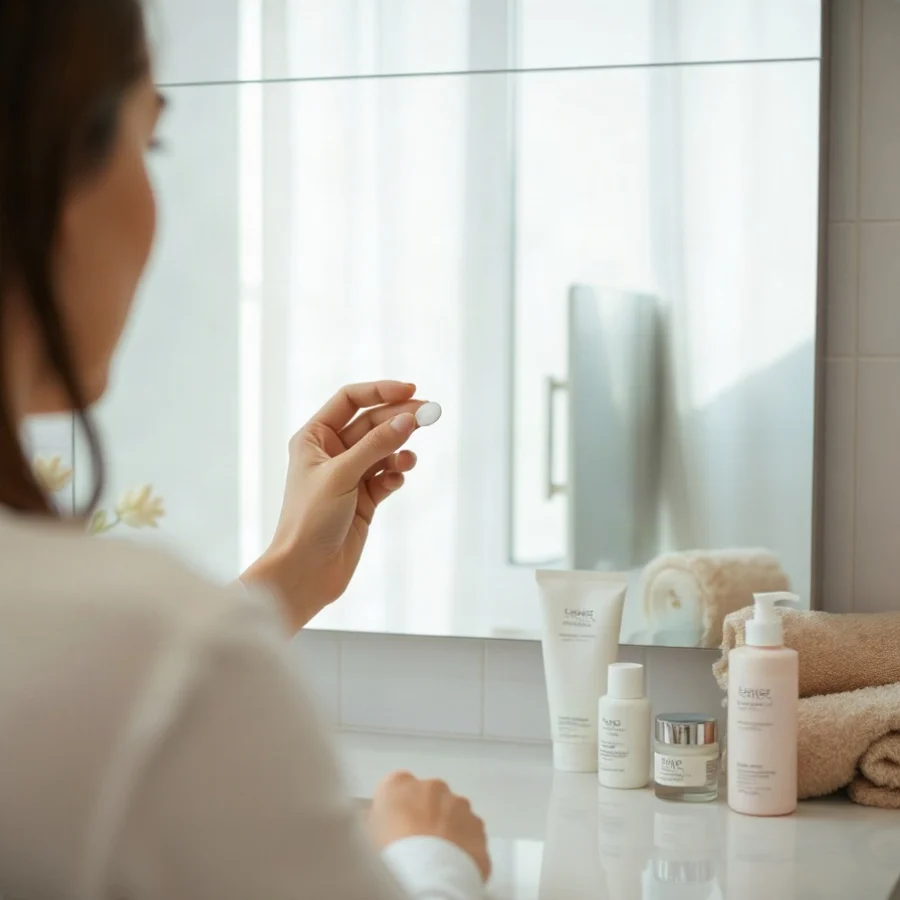
Do not keep using a product simply because you expect irritation to prove that it is working. Burning and visible inflammation are not reliable signs of better cosmetic results. Continuing through irritation can make the area look temporarily drier, darker, or more textured, which may make the original concern more noticeable.
If your under-eye area remains irritated after stopping, simplify your routine and consider asking a qualified healthcare professional for advice. This is especially important when symptoms are one-sided, painful, recurrent, or accompanied by eye symptoms.
Situations where you may want to avoid or postpone retinol
There are times when postponing a retinol eye product is more practical than trying to work around irritation. Consider waiting if your skin is already sunburned, windburned, cracked, peeling, or recovering from another cosmetic procedure. Introducing a potentially irritating active while the skin barrier is compromised can make it harder to identify the source of a reaction.
If you are pregnant, trying to become pregnant, or breastfeeding, ask a qualified healthcare professional whether a retinol product is appropriate for you. Guidance can vary depending on the specific ingredient and personal circumstances. Do not rely on a general skincare routine as a substitute for individualized medical advice.
You may also want to postpone retinol when you are using several other active products around the eyes, such as exfoliating acids or products designed to produce a strong resurfacing effect. Combining multiple potentially irritating products can increase the chance of dryness and discomfort. A simpler routine makes it easier to judge whether retinol is suitable.
How to tell irritation from normal cosmetic change
Retinol does not need to cause visible peeling to be useful, and an uncomfortable reaction should not be treated as a normal milestone. Mild, temporary dryness may be manageable for some users, but escalating redness, tenderness, swelling, or persistent flaking suggests that the skin is not tolerating the routine well.
It can also help to distinguish an expected change in appearance from a reaction. Fine lines may look more noticeable when dry skin temporarily emphasizes texture. Dark circles may appear darker because of redness, scaling, or shadowing from dehydration. These changes do not necessarily mean the retinol is improving the underlying concern. If the area looks worse and feels uncomfortable, stop and reassess rather than applying more product.
Choosing what to do after stopping
After discontinuing retinol, return to a basic routine that supports comfort. Cleanse gently if needed, avoid scrubbing, and use a moisturizer that you know your skin can tolerate. During the day, protect the area from sun exposure with a suitable sunscreen applied according to its directions, taking care to avoid eye contact.
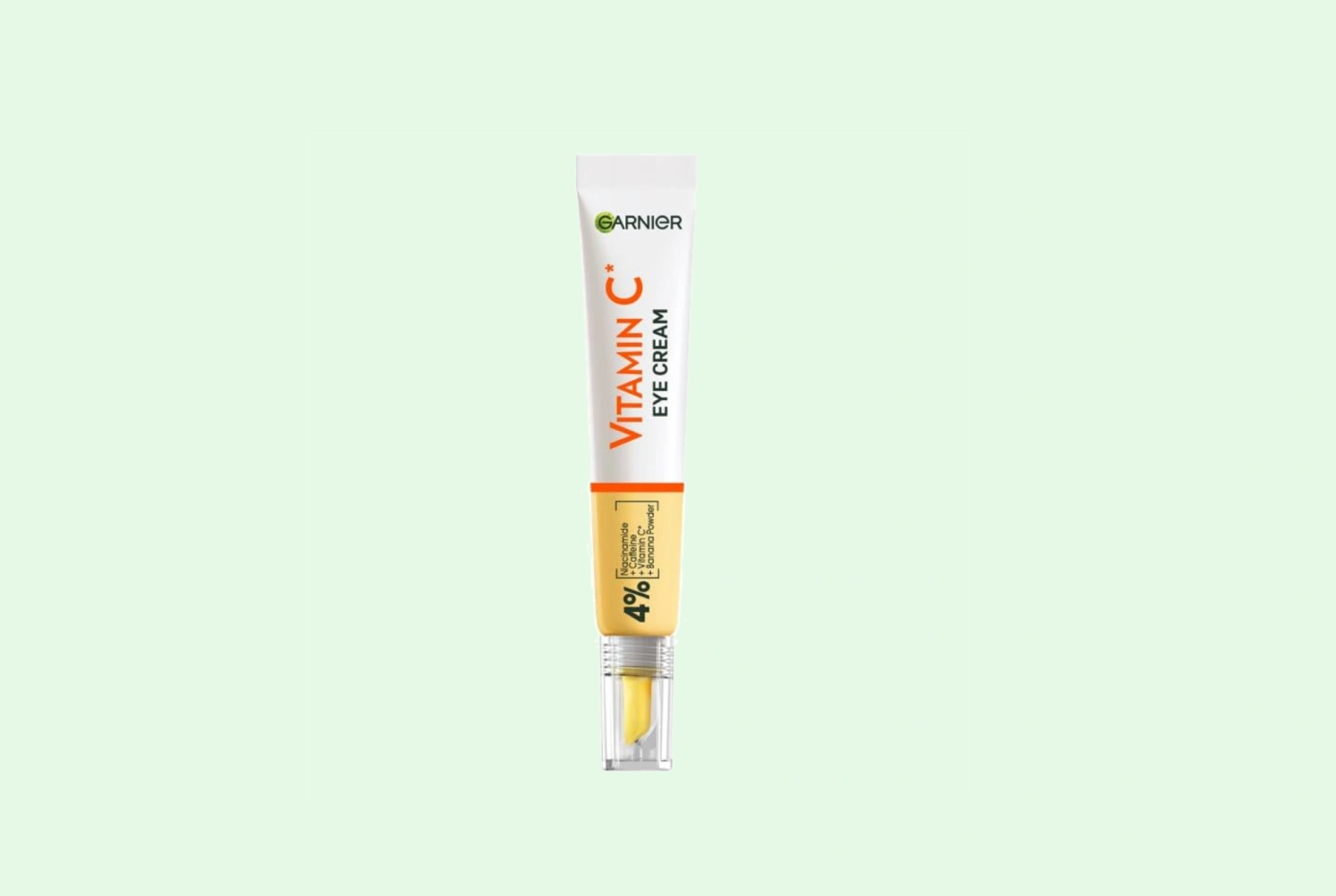
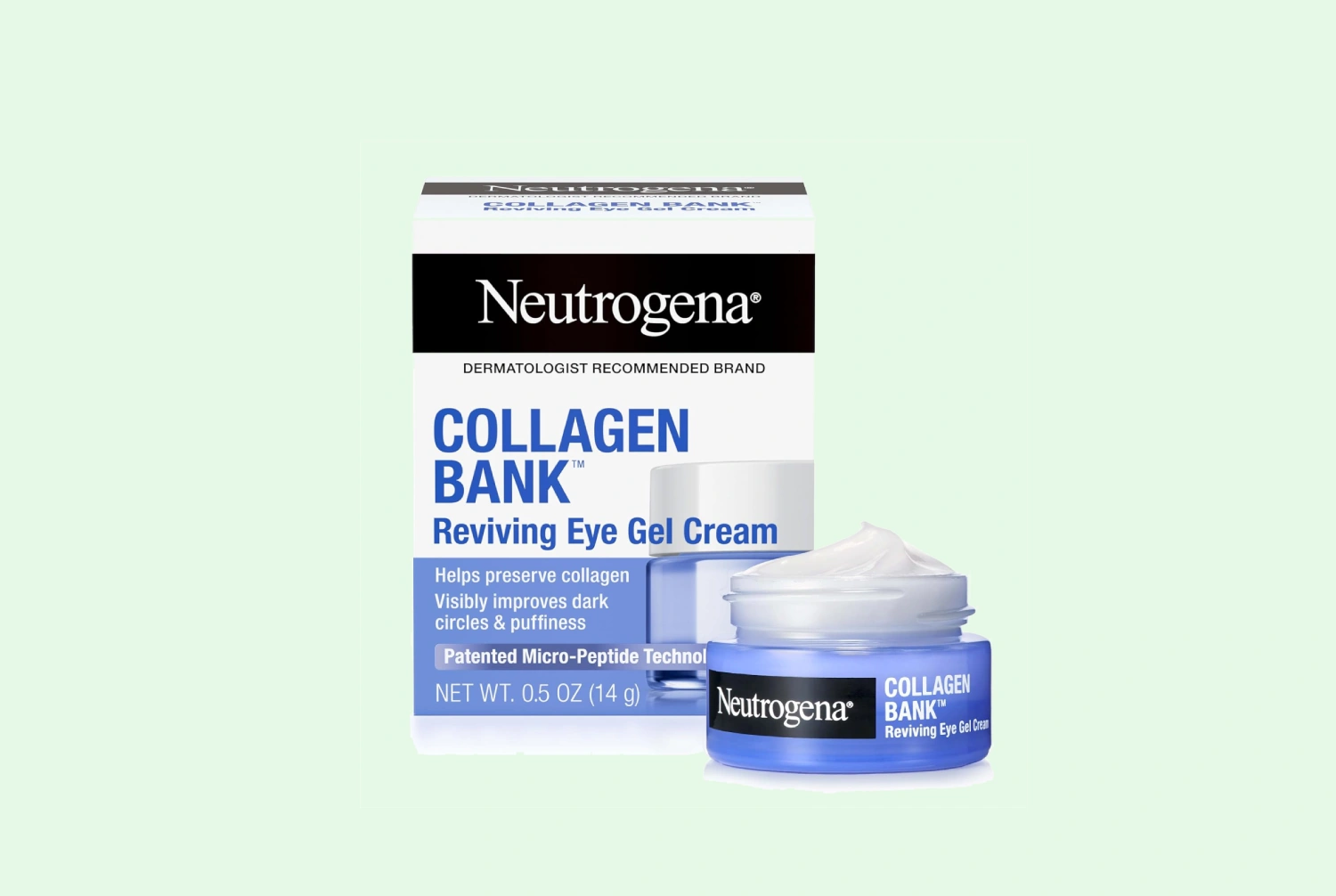
Once the skin is calm, you can decide whether to try a different approach. Options may include a less active routine focused on hydration, a product without retinol, or no dedicated eye product at all. For ingredient background and product-selection considerations, see this eye cream ingredient guide. You can also use the under-eye routine builder to think through concerns such as dryness, puffiness, and sensitivity without automatically adding more actives.
Check the label before trying another product
Retinol eye products can differ in their instructions, texture, packaging, and complete ingredient list. Formulas may change, so check the current package and, when available, the manufacturer’s ingredient information before buying or using a product. Avoid assuming that two products have the same strength or formula based only on their product names.
A patch test can be a useful precaution, although it cannot guarantee that the delicate eye area will tolerate a product. Follow the product label, keep the application away from the eye itself, and introduce only one new product at a time. People with very sensitive skin may prefer to discuss recurring reactions with a healthcare professional before trying another retinoid product.
When the concern may need professional evaluation
Retinol is a cosmetic skincare ingredient, not a way to diagnose or treat the cause of dark circles, puffiness, or changes in the eyelids. If discoloration appears suddenly, affects only one side, comes with marked swelling or pain, or changes along with other symptoms, seek medical advice instead of trying stronger skincare.
Professional evaluation may also be useful when dark circles or puffiness do not improve with gentle care, when the skin repeatedly reacts to products, or when you are unsure whether the problem is pigmentation, irritation, shadowing, or another issue. For general cosmetic information, you can read more about dark circles, sensitive skin, and choosing an appropriate under-eye routine.
The practical rule is simple: stop at the first sign of a serious reaction, pause for persistent dryness or discomfort, and do not restart until the skin feels normal. If irritation keeps returning, retinol may not be the right choice for your under-eye area. A comfortable, consistent routine is more useful than forcing an active ingredient that your skin cannot tolerate.

Comments
0No comments yet. Be the first to share a helpful note or question.
Leave a Comment
Your email address will not be published. Comments are reviewed before appearing on the site.