

Most under-eye puffiness is a cosmetic concern linked to fluid retention, genetics, sleep, allergies, irritation, or the natural structure of the eye area. However, swelling that appears suddenly, affects only one side, feels painful, changes your vision, follows an injury, or persists with other symptoms should not be managed with eye cream alone. A healthcare professional can help determine whether an underlying issue needs evaluation.
For mild, familiar puffiness without warning signs, gentle skin care and practical habit changes may make the area look temporarily less swollen. These steps can improve appearance, but they do not diagnose or treat a medical condition. Understanding that distinction is especially important because the skin around the eyes can react easily, and many different causes can look similar at first.
When under-eye puffiness may need medical attention
Occasional bags under the eyes are common. Still, certain patterns are less typical of ordinary morning puffiness or age-related changes. Consider contacting a healthcare professional if swelling is:
- Sudden or noticeably different from your usual appearance
- Limited primarily to one eye or one side of the face
- Accompanied by pain, warmth, marked redness, tenderness, or discharge
- Associated with blurred vision, double vision, light sensitivity, or difficulty moving the eye
- Following an injury, insect bite, cosmetic procedure, or suspected allergic reaction
- Persistent, worsening, or repeatedly returning without an obvious trigger
- Occurring with facial swelling elsewhere, breathing difficulty, or swelling of the lips or tongue
Breathing difficulty, severe swelling, or rapid progression can be urgent. Seek immediate medical help in those circumstances. This article cannot identify the cause of swelling, and an eye cream is not a substitute for professional assessment.

Common nonmedical reasons the eye area looks puffy
When puffiness is mild and follows a familiar pattern, several everyday factors may contribute. Fluid can collect in the under-eye area after sleeping, particularly if you wake after a salty meal, spend the night lying flat, or have had a change in your usual routine. Temporary congestion from seasonal allergies may also make the area look swollen, especially when accompanied by itching, sneezing, or a runny nose.
Genetics and facial anatomy matter as well. Some people naturally have more prominent fat pads or a deeper transition between the lower eyelid and cheek. As skin and supporting tissues change over time, under-eye bags may become more visible. In these cases, topical products may soften dryness or improve the look of the skin surface, but they cannot change the underlying structure.
Rubbing is another common contributor. Scratching or repeatedly touching the eyes can aggravate delicate skin and make redness or swelling more noticeable. Cosmetics, cleansers, lash products, fragrances, and active ingredients can also trigger irritation in sensitive users. If puffiness began after introducing a product, consider stopping that product and simplifying your routine while the area settles.
Cosmetic steps for familiar, mild puffiness
Use a cool, gentle approach
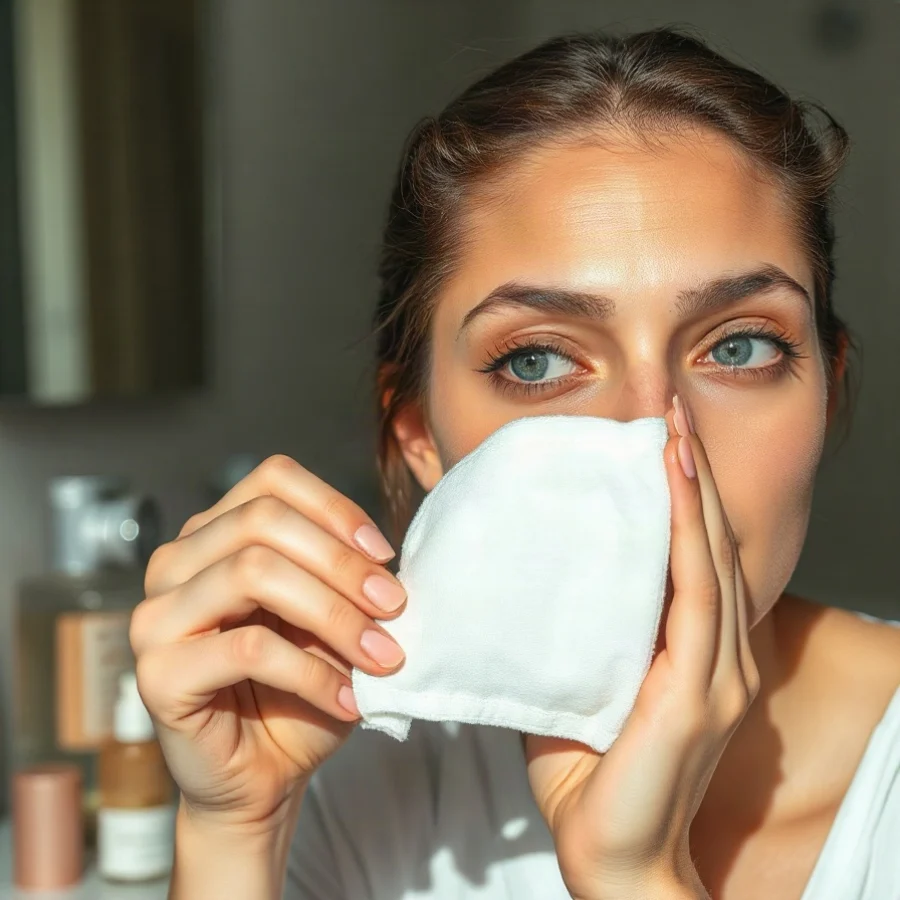
A cool, clean compress may temporarily make mild puffiness look less pronounced. Keep the temperature comfortable and avoid pressing firmly on the eyelids. Do not place ice directly on the skin, because excessive cold can irritate or injure the delicate area. A clean compress is preferable to repeatedly rubbing with a cold object or using an unclean tool.
Keep application light
Apply eye products with a small amount of pressure using a clean fingertip. Pulling or dragging the skin can increase discomfort and may leave the area looking more irritated. Follow the product directions and keep products away from the eye itself unless the label specifically indicates that they are intended for that use.
Review recent triggers
Think about what changed before the puffiness appeared. Possible clues include a new eye cream, makeup remover, sunscreen, detergent, lash adhesive, hair product, or contact lens solution. Poor sleep, crying, travel, high-sodium meals, and seasonal allergy symptoms can also coincide with temporary swelling. A simple record of products and symptoms may help you notice patterns, but it cannot replace medical evaluation when warning signs are present.
Ingredients that may support the appearance of the eye area
Eye-care ingredients are best viewed as appearance-focused tools. They may help with dryness, surface texture, or the temporary look of mild puffiness, but results vary and no ingredient can be expected to address every type of under-eye bag.
Caffeine
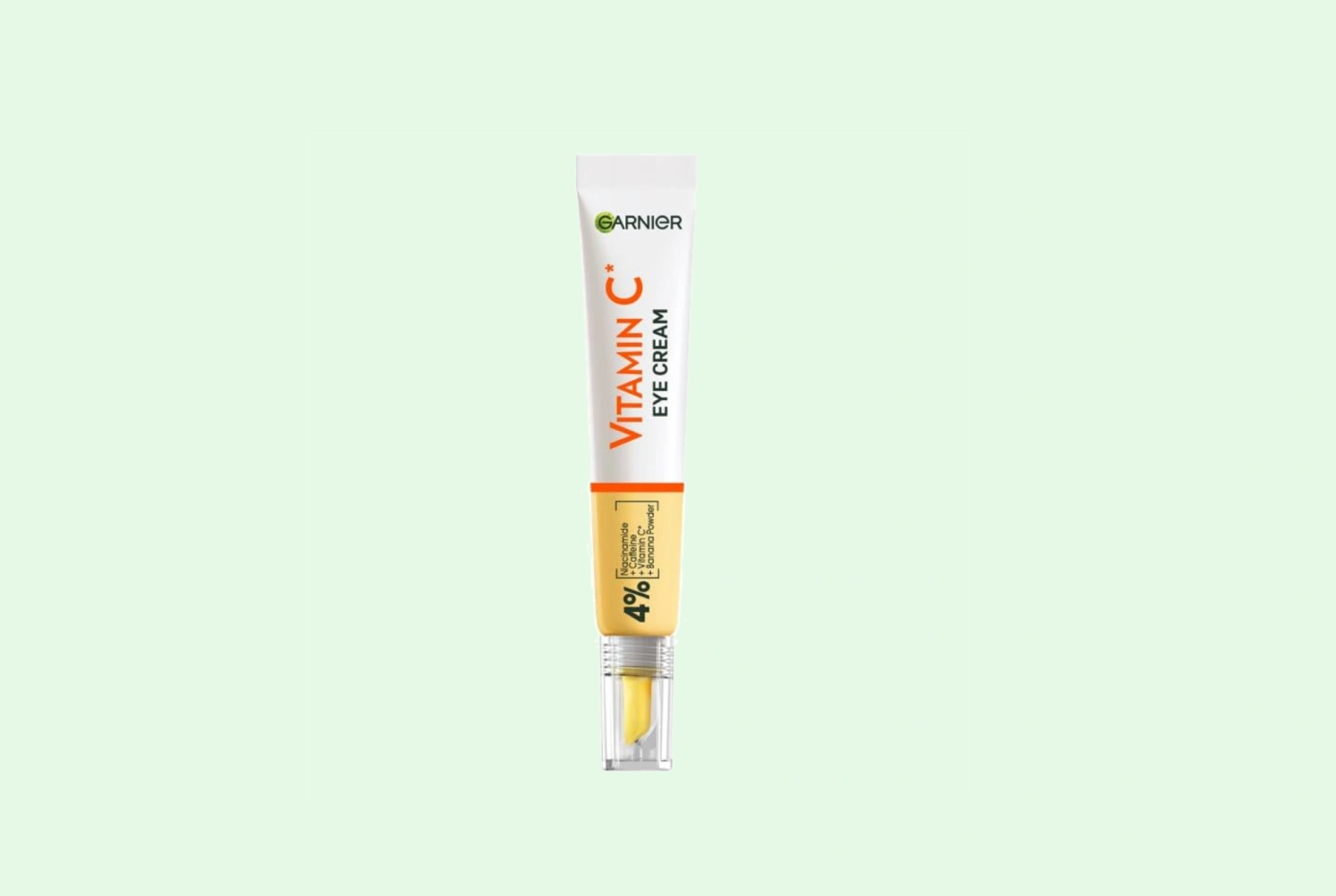
Caffeine is commonly used in products designed for the appearance of puffiness. Some users like the temporarily refreshed look it can provide, particularly in a lightweight gel or serum. It is not a permanent solution, and the effect may be subtle or absent for some people. Review the current ingredient list because formulas can change.
Humectants and moisturizers
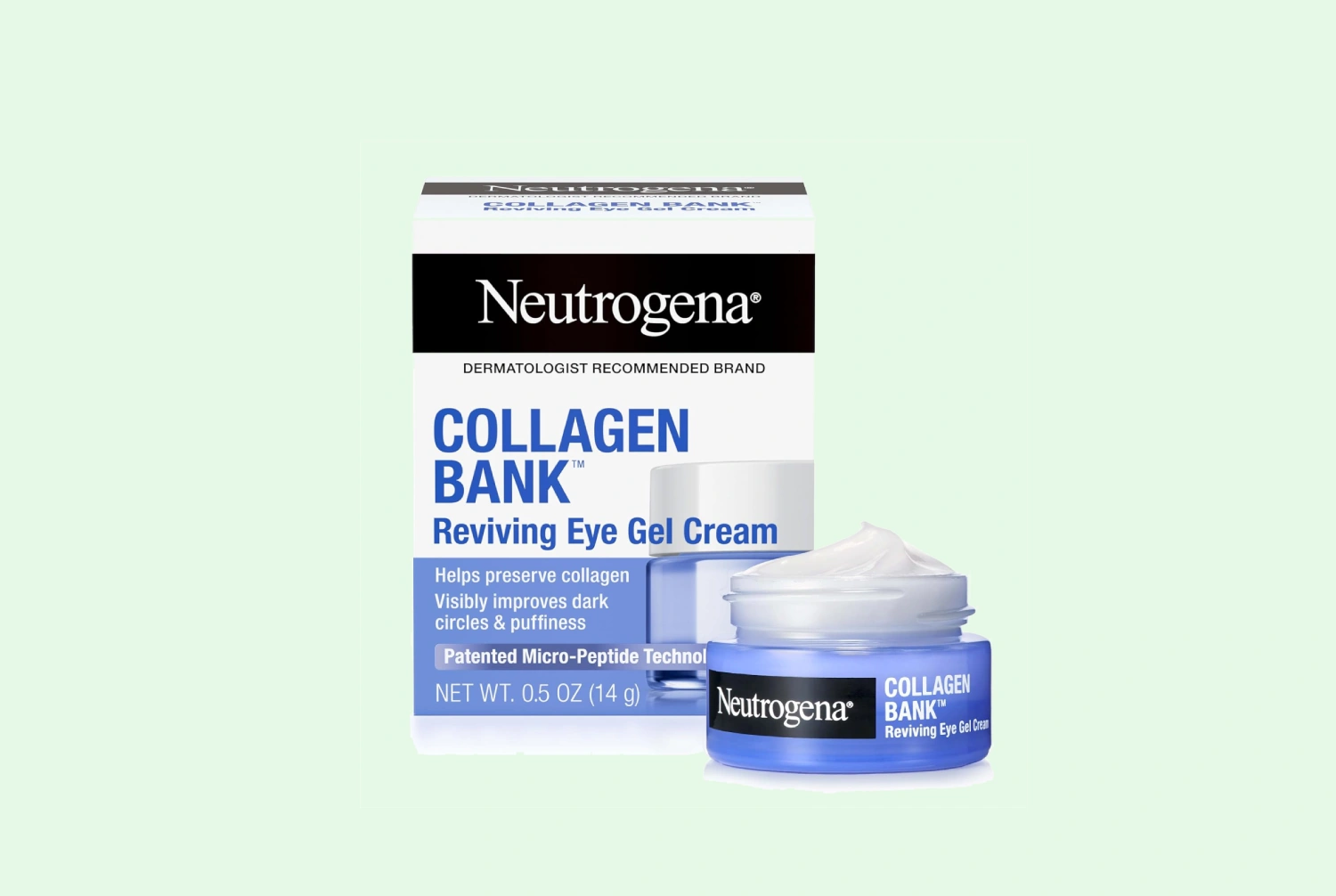
Ingredients such as glycerin, hyaluronic acid, and other humectants can help the skin hold water, while emollients and occlusive ingredients can support a smoother, more comfortable surface. Better hydration may make fine texture look less prominent, but it does not remove structural bags or diagnose the reason for swelling.
Retinoids and other active ingredients
Retinoid-containing eye products are often selected for concerns involving texture and the look of fine lines. They can be irritating, particularly around the eyes, so follow the product label carefully and introduce them cautiously if the product is intended for that area. Avoid applying them too close to the lash line unless directed. Stop use if you develop burning, persistent redness, swelling, peeling, or other irritation, and seek professional advice if symptoms do not settle.
Other active ingredients, including exfoliating acids, fragrance components, and some forms of vitamin C, may also bother sensitive skin. “Natural” does not automatically mean non-irritating. For a broader overview, see our eye cream ingredient guide. Product formulas can change, so verify the current packaging or manufacturer ingredient list before choosing a product.
How to choose an eye product when puffiness is the concern
Start by identifying what you want to improve. If the main issue is temporary morning swelling, a lightweight, fragrance-free formula may be more comfortable than a rich product that feels heavy. If dryness makes the area look crepey, a moisturizing formula may be more relevant. If the puffiness is caused by prominent under-eye contours, topical skin care may offer limited visible change.
Look for clear directions, appropriate packaging, and a texture you can apply without rubbing. Avoid selecting a product solely because it promises to “drain,” “lift,” or permanently erase bags. Cosmetic language can describe an intended appearance benefit, but it is not proof that a product will work for your particular cause of puffiness.
People with reactive skin may want to choose a simpler formula and introduce only one new product at a time. Patch testing can provide useful information, although it cannot guarantee that a product will not irritate the eye area. Do not patch test inside the eye. Follow the label, keep products out of the eye, and discontinue use if irritation develops. Readers who need help narrowing options can also use our under-eye routine builder.
Why eye cream may not change visible bags
Under-eye puffiness has more than one appearance. Soft swelling that is most noticeable after waking may look different from a consistent bulge that remains throughout the day. A hollow under the eye can create a shadow that resembles puffiness, while pigmentation can make the area look darker without any swelling. Thin skin, visible blood vessels, allergies, irritation, and facial anatomy may overlap.
Because these concerns can look similar, a product selected for one may not make much difference to another. Moisturizer may improve dryness but not alter a shadow. Caffeine may provide a temporary cosmetic effect but not change a structural bag. A retinoid may be chosen for texture, yet it is not appropriate to use on irritated skin or as a response to unexplained swelling.
For more context on different causes and appearance patterns, explore our dark circles guide and our coverage of puffiness and eye bags.
A practical routine for ordinary morning puffiness
- Wash your hands before touching the eye area.
- Use a gentle cleanser if needed, avoiding vigorous rubbing.
- Apply a comfortable, eye-area-appropriate moisturizer or treatment according to its label.
- Use a cool, clean compress briefly if it feels soothing.
- Apply broad-spectrum sunscreen around the eye area only as directed by the product label, taking care to avoid the eyes.
- Observe whether the swelling improves as the day progresses or returns after a specific trigger.
Do not continue experimenting with multiple new products if the area is stinging, itchy, increasingly red, or swollen. Simplifying the routine can reduce possible irritants, but persistent or concerning symptoms still warrant professional advice.
What to remember
Familiar, mild under-eye puffiness can often be approached as a cosmetic concern with gentle care, realistic product expectations, and attention to possible triggers. Sudden, one-sided, painful, persistent, or vision-related swelling is different. It deserves medical attention rather than a promise from an eye cream.
The most useful first step is to notice the pattern: when the swelling started, whether it changes during the day, what symptoms accompany it, and which products or exposures came first. That information can help guide an appropriate conversation with a healthcare professional while keeping your skin-care routine cautious and uncomplicated.

Comments
0No comments yet. Be the first to share a helpful note or question.
Leave a Comment
Your email address will not be published. Comments are reviewed before appearing on the site.