
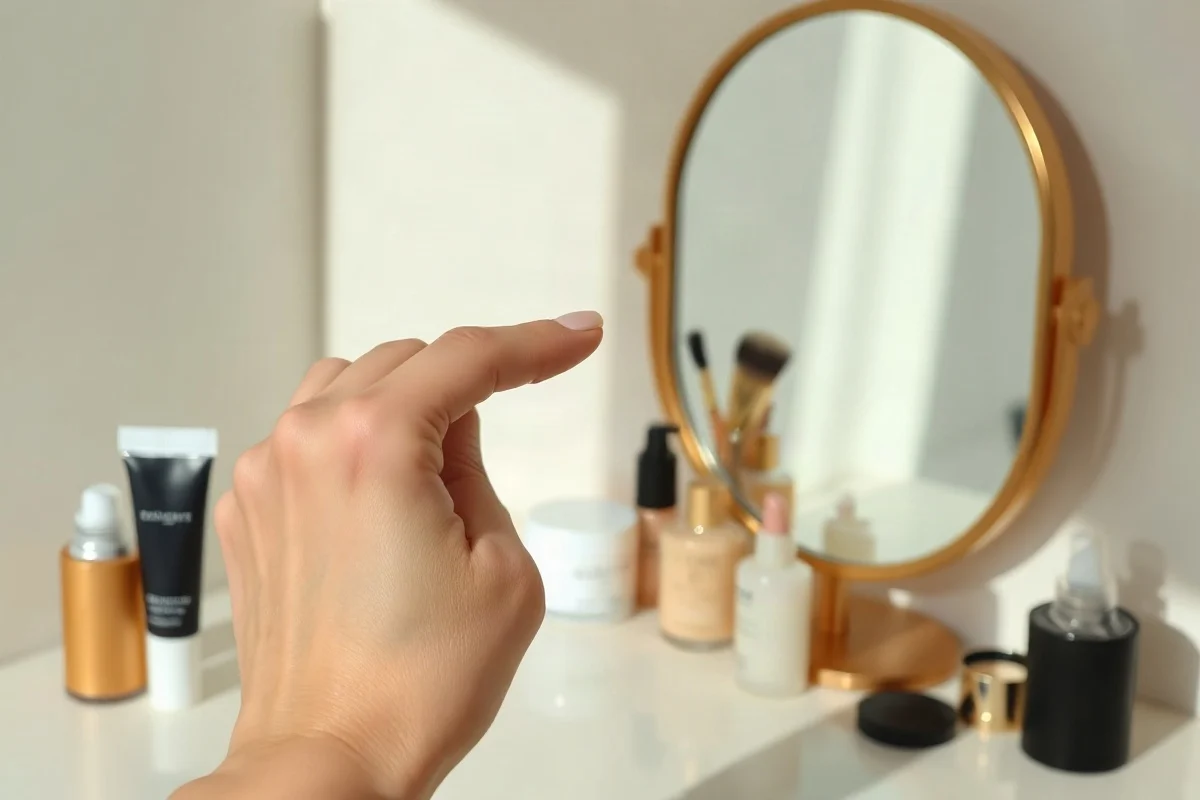
The best eye cream texture under makeup is usually a lightweight gel-cream or thin lotion that hydrates without leaving a slippery film. These textures tend to absorb or settle quickly, making them less likely to cause concealer to slide, crease, separate, or collect in fine lines. However, very dry under-eyes may look smoother with a richer cream, while oily or easily congested skin may prefer a fast-setting gel. The right choice depends on how your skin feels, how much makeup you apply, and the finish you want.
Texture cannot change the underlying cause of dark circles or permanently remove fine lines. It can, however, affect how comfortable and even the under-eye area looks before makeup. A well-matched product may reduce the appearance of dryness and help concealer apply more evenly, while an unsuitable formula can make makeup look heavy or patchy.
Why texture matters under concealer
The under-eye area has limited space for skincare and makeup. When several layers remain wet or slippery, they can mix together as you blend concealer. This may lead to pilling, creasing, uneven coverage, or a shiny finish that is not intentional.
A product’s texture also affects how much time you need between skincare and makeup. A lightweight lotion may settle within a short period, whereas a dense balm may leave a more protective layer that needs additional time before concealer is applied. Neither texture is automatically better. The best option is the one that provides enough comfort without competing with your makeup.
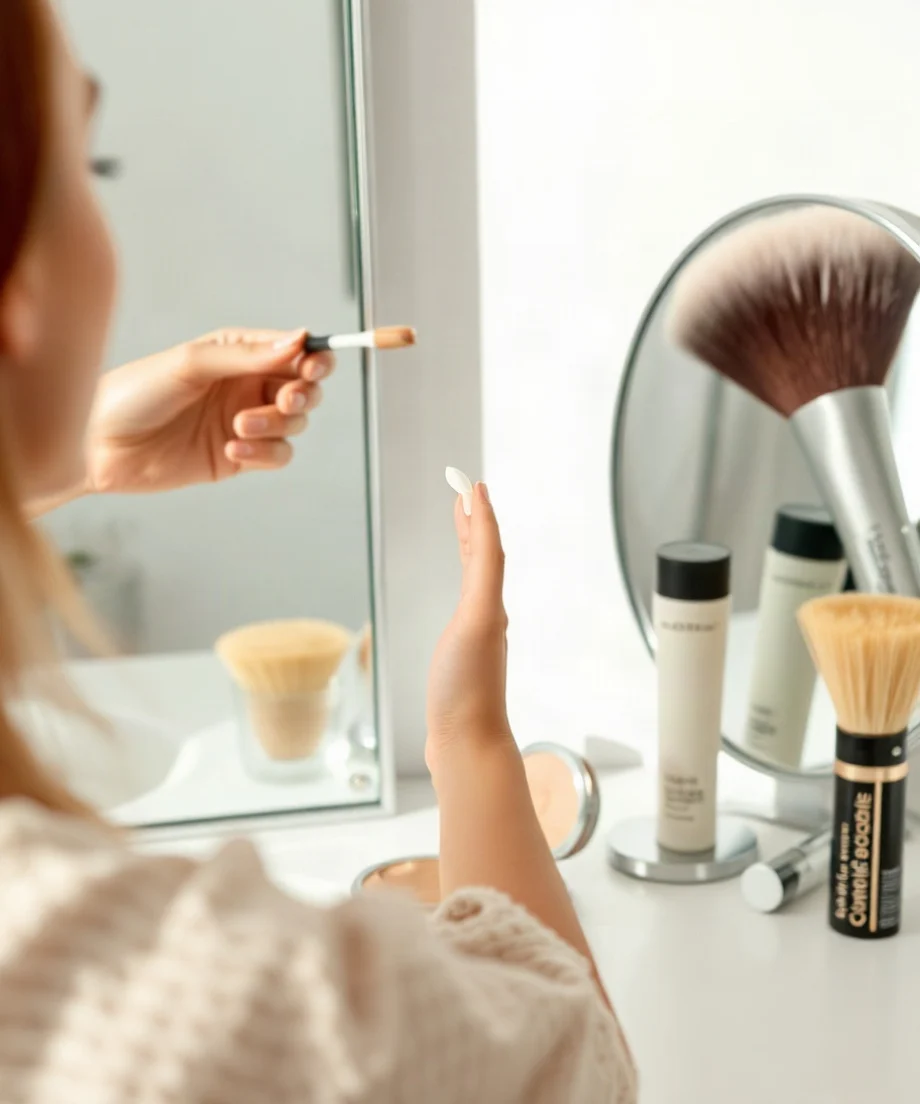
Keep in mind that texture and formula are not the same thing. A gel may contain ingredients that feel rich, and a cream may have a surprisingly light finish. Packaging language can also vary between brands. Read the current product description and ingredient list rather than relying only on words such as “gel,” “cream,” or “serum.” Formulas can change, so verify the current label or manufacturer information when a product-specific detail matters.
How common eye cream textures perform under makeup
Gel and water-gel textures
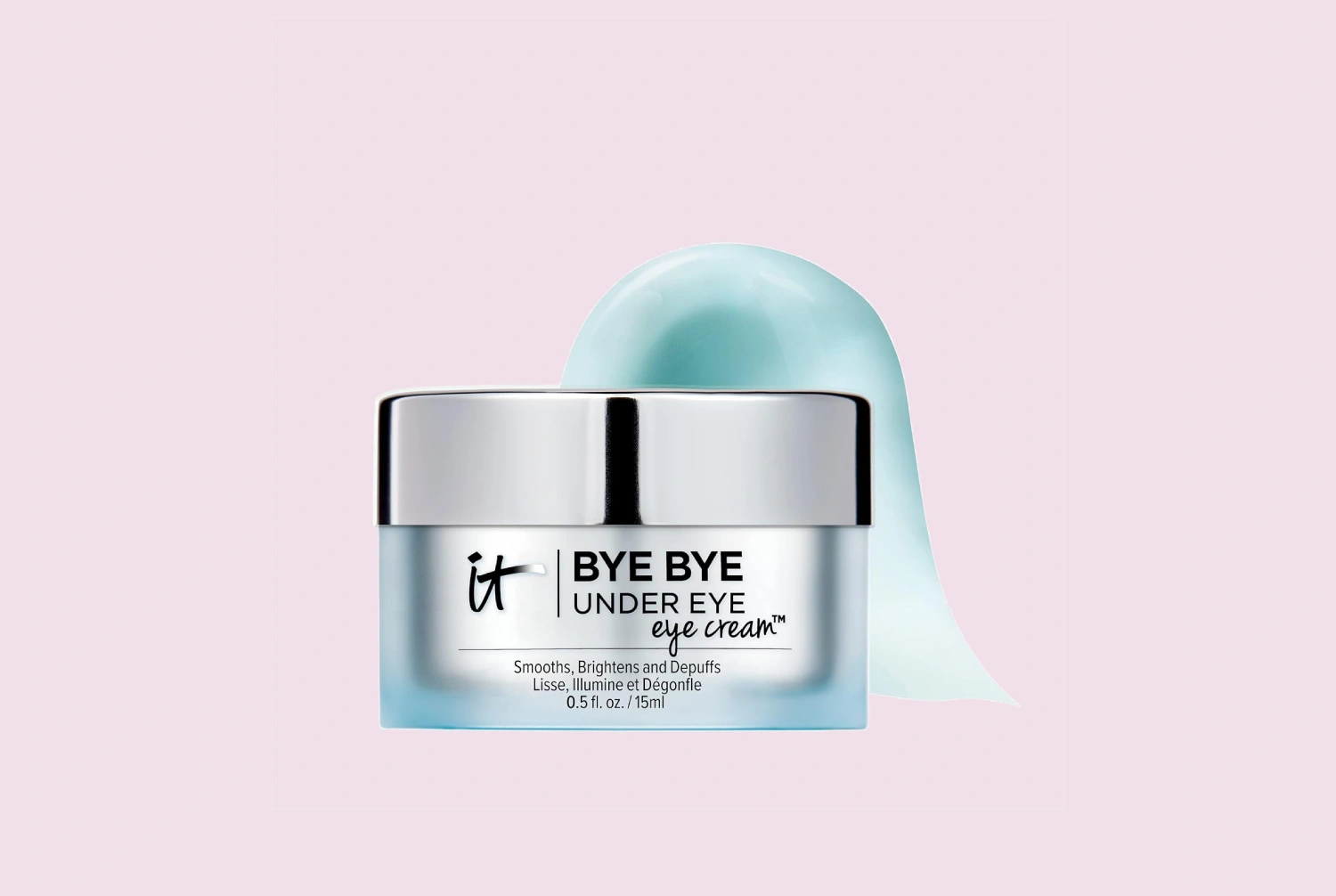
Gel and water-gel eye creams often feel light, cool, and quick to spread. They may suit combination, oily, or normal skin, especially when the main goal is comfortable hydration without a noticeable layer beneath concealer.
These textures can be useful if your concealer already has a creamy or moisturizing finish. Using a lighter eye product may help prevent the area from feeling overloaded. Gels may also work well in warm or humid conditions, although the result depends on the specific formula and your skin.
The limitation is that a very light gel may not provide enough comfort for dry, flaky skin. If the under-eye area feels tight soon after application, concealer may still emphasize texture even when the eye cream itself does not pill.

Light lotions and emulsions
A lotion or emulsion is often a practical middle ground. It may offer more cushioning than a gel while remaining lighter than a traditional cream. This texture can be a good starting point for normal, combination, or mildly dry skin.
Light lotions are especially useful when you want some softness before makeup but dislike a greasy finish. Apply a small amount and allow it to settle before concealer. If the product continues to feel wet or slippery, you may be using more than necessary, or the formula may not be a good match for your makeup routine.
Traditional creams
Eye creams with a richer, more emollient feel can be helpful for dry or mature skin that often looks crepey or uncomfortable beneath makeup. They may create a smoother-looking surface by reducing the appearance of dryness and adding a little flexibility to the skin.
Richness has tradeoffs. A generous layer may cause concealer to move, crease, or look overly reflective. It can also make it harder for setting powder to adhere evenly. If you prefer a richer cream, use a very small amount and press away excess moisture with a clean fingertip before applying makeup.
Balms and ointment-like textures
Balms are generally the most occlusive-feeling option in this group. They can be useful for targeted comfort when the skin barrier feels dry, rough, or exposed to cold, dry air. They are often better suited to nighttime use or to the driest areas rather than as a full under-eye layer immediately before makeup.
If you use a balm in the morning, apply a thin film and give it extra time to settle. Some concealers may not adhere well over a particularly slippery base. Avoid applying any product so close to the eye that it migrates into the eyes and causes discomfort.
Choose by skin type and makeup finish
For oily or combination skin
Start with a lightweight gel or lotion. Look for a finish that feels comfortable but not greasy, and avoid layering several rich products beneath concealer. If your concealer tends to crease, the issue may be the amount of skincare, the concealer formula, the application technique, or the natural movement of the eye area—not necessarily a lack of eye cream.
A lightweight texture may also pair well with liquid or serum-like concealers. Still, compatibility varies, so test the complete routine on one area before committing to it for an important event.
For dry or flaky skin
A lotion or cream may provide more useful cushioning than a water-light gel. The goal is not to make the skin as slippery as possible. Instead, use enough product to reduce the sensation of tightness and soften the look of surface dryness.
Apply eye cream to clean, slightly damp skin if the product label allows it, then wait before makeup. If flakes remain visible, adding more product may not solve the problem. Excess layering can make the surface look heavier while still leaving texture visible.
For mature-looking skin and visible fine lines
A medium-weight cream may make the area look more comfortable and supple before makeup. Hydration can temporarily improve the appearance of surface dryness, but it does not erase wrinkles or stop the normal movement that creates expression lines.
If you use an active ingredient such as retinol, exfoliating acids, or a strong vitamin C product, follow the label carefully. These ingredients can be irritating for some people, particularly around the eyes. Introduce one potentially irritating product at a time, consider patch testing when appropriate, and stop using it if burning, swelling, persistent redness, or other irritation develops. For additional ingredient background, see our eye cream ingredient guide.
For concealer that creases easily
Choose a texture that leaves little visible residue after it settles. A thin lotion or gel-cream is often easier to control than a thick balm, but application amount matters just as much as texture.
Try this simple sequence:
- Apply a small amount of eye cream along the orbital area rather than placing a large amount directly at the lash line.
- Gently tap until the product is spread evenly.
- Wait for the surface to feel comfortable and no longer noticeably wet.
- Apply a thin layer of concealer only where coverage is needed.
- Use minimal powder, focusing on areas where creasing is most noticeable.
Many people apply too much concealer to compensate for darkness, then add more powder when creasing appears. A thinner makeup layer may look more natural, even if it provides less complete coverage. Dark circles can have several visible contributors, including shadow, pigmentation, vascular color, and natural anatomy, so makeup coverage will not look identical on every person.
How to prevent pilling and separation
Pilling can happen when products form small rolls as they are rubbed together. It may result from the interaction between formulas, too many layers, vigorous rubbing, or applying makeup before skincare has settled.
To reduce the chance of pilling:
- Use less eye cream than you think you need.
- Press and tap instead of repeatedly rubbing.
- Allow each layer to settle before adding the next.
- Avoid combining several silicone-rich, oily, or film-forming layers without testing them first.
- Remove excess product from the crease area with a clean fingertip or tissue before applying concealer.
There is no universal waiting time because products and skin conditions differ. The practical test is how the surface feels: if it remains wet, tacky, or slippery, give it more time or use less product next time.
Ingredients and finish to consider
Humectants such as glycerin and hyaluronic acid are commonly used to attract and hold water, although their feel depends on the complete formula. Emollients can make skin feel softer and smoother, while occlusive ingredients help reduce water loss by forming a protective layer. A formula that combines these categories may feel more substantial than a simple gel.
Caffeine is often included in products marketed for the look of puffiness, but cosmetic appearance benefits vary and should not be treated as a medical solution. Cooling applicators may temporarily make the area feel refreshed, but the sensation does not prove that swelling has been treated.
If you are choosing an eye cream for dark circles, focus on the texture first when makeup compatibility is your priority. Then consider ingredients that fit your tolerance and goals. You can browse our eye cream ingredient resources for broader guidance.
When a separate morning and evening texture makes sense
You do not have to use the same eye cream morning and night. A lightweight gel or lotion may be more convenient under makeup, while a richer cream may be more comfortable in the evening. This approach can be useful if your skin needs more emollience at night but your concealer performs best over a nearly weightless base.
Keep your routine simple when introducing a new product. Changing several products at once makes it difficult to identify what caused pilling or irritation. If you have very sensitive skin, follow the product directions, patch test when appropriate, and stop use if irritation occurs. Persistent swelling, pain, rash, vision changes, or sudden skin changes warrant medical attention rather than a cosmetic product experiment.
A practical way to find your best texture
Test a potential eye cream with the makeup you actually wear. Apply a small amount beneath one eye and your usual routine beneath the other. Compare the finish after application and again later in the day. Look for comfort, visible dryness, creasing, separation, and whether concealer remains where you placed it.
Use the smallest amount that gives you the desired comfort. If the product improves the look of dryness without making makeup slide, it is probably a better match than a richer texture that feels luxurious but disrupts your base. For a more tailored routine, our under-eye routine builder can help you organize product choices around your skin and makeup needs.
In practical terms, a lightweight gel-cream or lotion is the safest starting point for most makeup routines. Choose a richer cream when dryness is the main concern, and reserve balm-like textures for very dry areas or nighttime unless testing shows that your makeup can handle them. Texture is only one part of the result, but matching it to your skin, concealer, and application habits can make the under-eye area look more even and comfortable.

Comments
0No comments yet. Be the first to share a helpful note or question.
Leave a Comment
Your email address will not be published. Comments are reviewed before appearing on the site.